Plizio Visual Lab
St. Elizabeth Plains
Weather…
Water temperature…
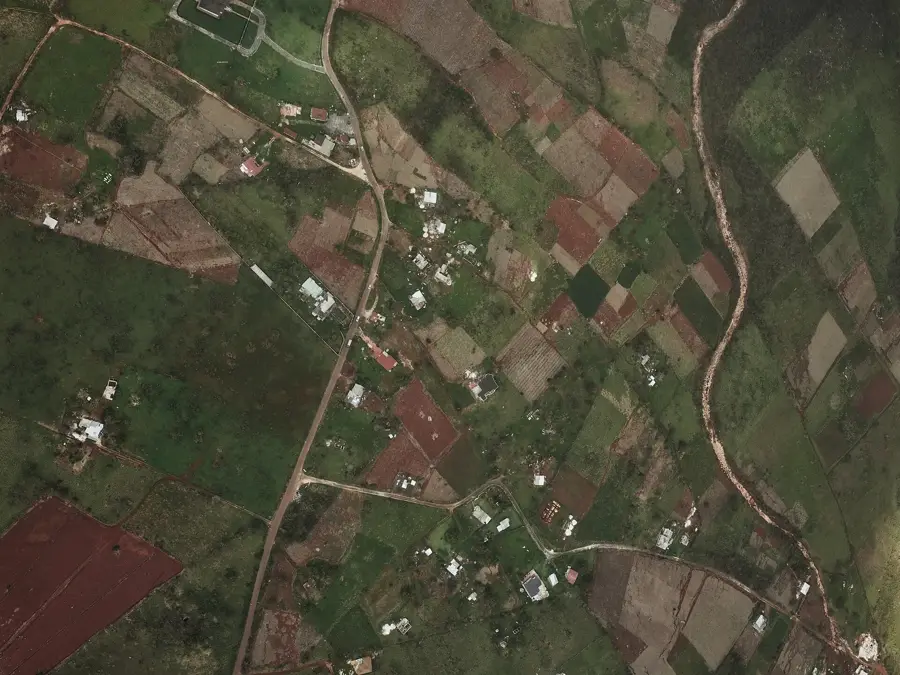
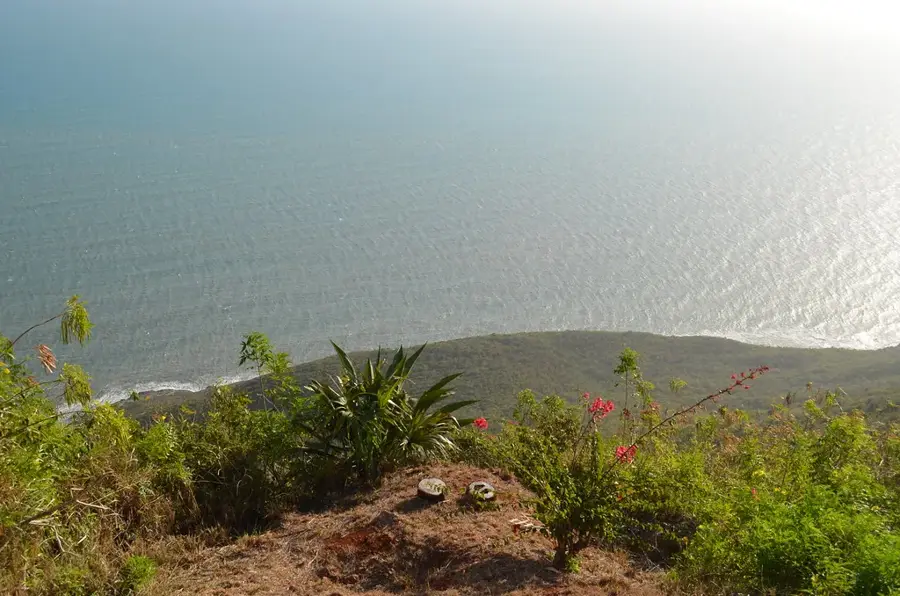
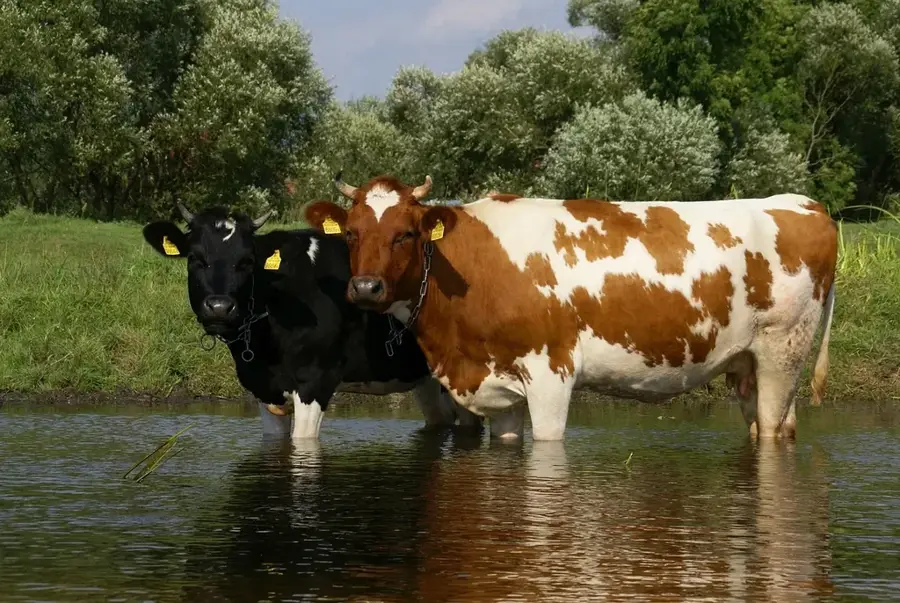
The St. Elizabeth Plains, also known as the Pedro Plains, are located in southwestern Jamaica and constitute the island's premier vegetable-producing region. Situated in the rain shadow of the central mountain ranges, the plains experience a semi-arid climate, making them one of the driest areas in Jamaica. The geology features a limestone base overlaid by thick deposits of fertile terra rossa soil, which is exceptionally rich in minerals. Local farmers are celebrated for their innovative dry-farming techniques, particularly extensive grass mulching, which enables the large-scale production of watermelons, scallions, onions, and peanuts despite low rainfall. Often called the 'breadbasket of Jamaica,' the region supplies a significant portion of the country's domestic food requirements. Historically, the plains were central to Jamaica's cattle industry and continue to support significant livestock farming today. The coastline bordering the plains is noted for its distinctive black sand beaches and robust fishing villages. The area faces ongoing challenges regarding sustainable groundwater usage and the mitigation of prolonged drought periods, which are critical for its agricultural output.
Explore on the map
How well do you know Jamaica?
Find cities, landscapes and regions in 10 varied challenges on the interactive map.
Your journey, your memory
A postcard from St. Elizabeth Plains
Turn your own photo into a personal postcard with a local stamp. Free and no sign-up required.
Create a postcard- Location: Jamaica
- Nearby: Bluefields (39 km)
Best time to visit & climate
The most pleasant time to visit is Jan–Mar.
| Jan | Feb | Mar | Apr | May | Jun | Jul | Aug | Sep | Oct | Nov | Dec | |
|---|---|---|---|---|---|---|---|---|---|---|---|---|
| Avg °C | 27 | 27 | 27 | 28 | 29 | 29 | 29 | 29 | 29 | 29 | 28 | 28 |
| Rain mm | 48 | 24 | 37 | 56 | 141 | 102 | 76 | 100 | 141 | 171 | 102 | 50 |
📋 Practical info
Geography
Facts
- Known as the 'breadbasket of Jamaica'
- Driest region on the island due to rain shadow effect
- Characterized by fertile red terra rossa soils
- Major producer of watermelons and peanuts
- Farmers use unique grass mulching to retain moisture
- Coastline features several black volcanic sand beaches
Explore nearby
Notable places around
Route planner — Car & Motorhome
Where do you start? We build the route here, with stops and country notes along the way.
© OpenStreetMap contributors · OpenRouteService
Sights nearby
Frequently asked questions
Why are the St. Elizabeth Plains called the 'breadbasket'?
What is the landscape like there?
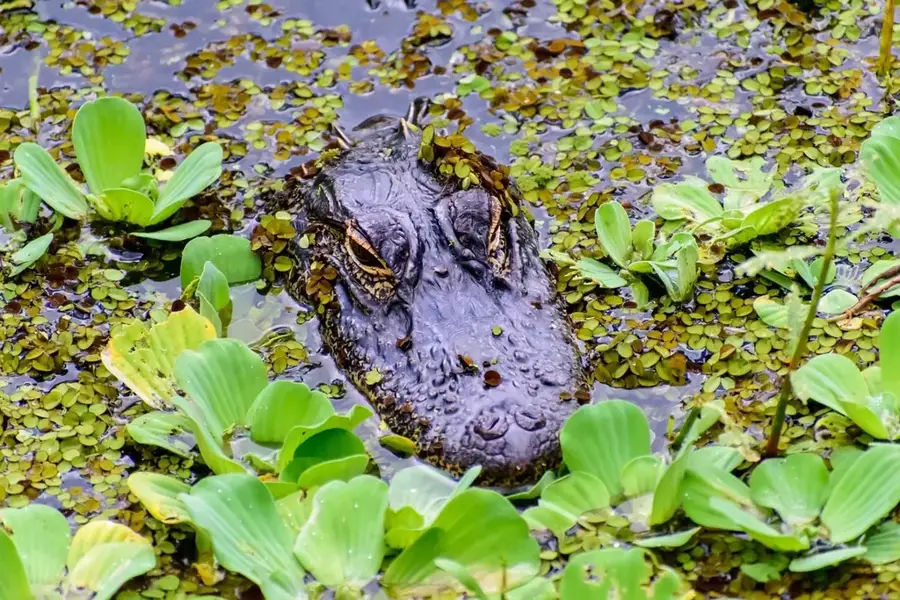
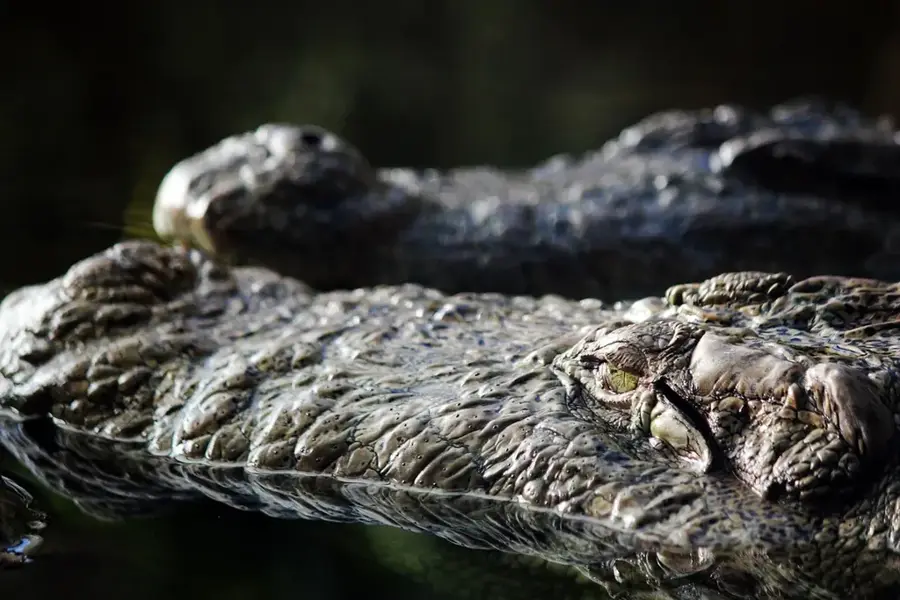
Can you see crocodiles there?
What vegetable is especially famous?
Are there tourist beaches?
St. Elizabeth Plains: where is it located?
St. Elizabeth Plains: when is the best time to visit?

Nearby cities
History & landmarks

Nature
More places