Plizio Visual Lab
Balaton Uplands NP
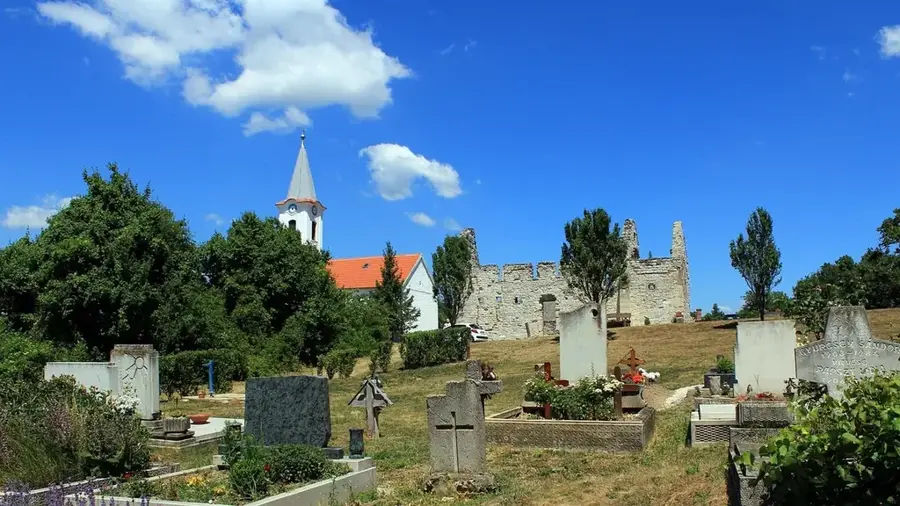
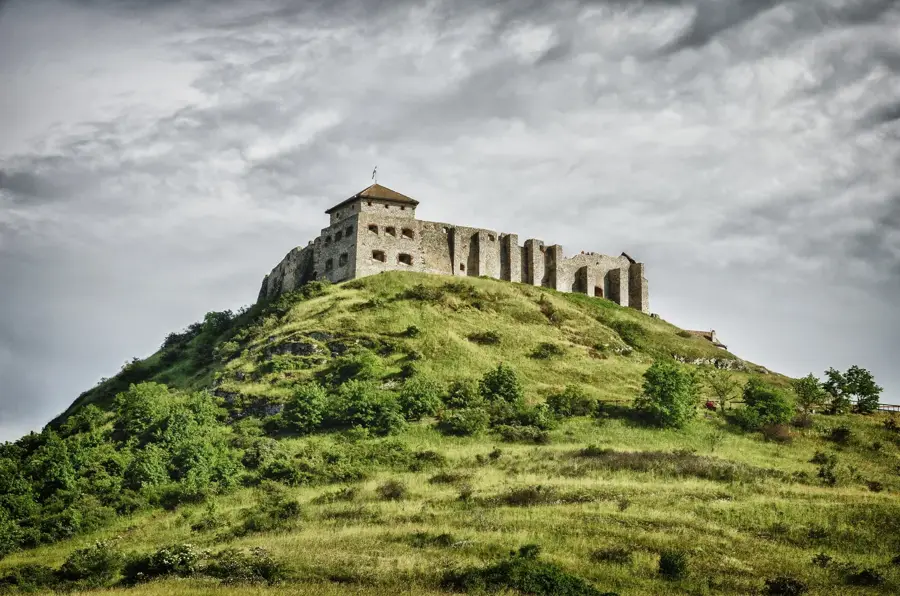
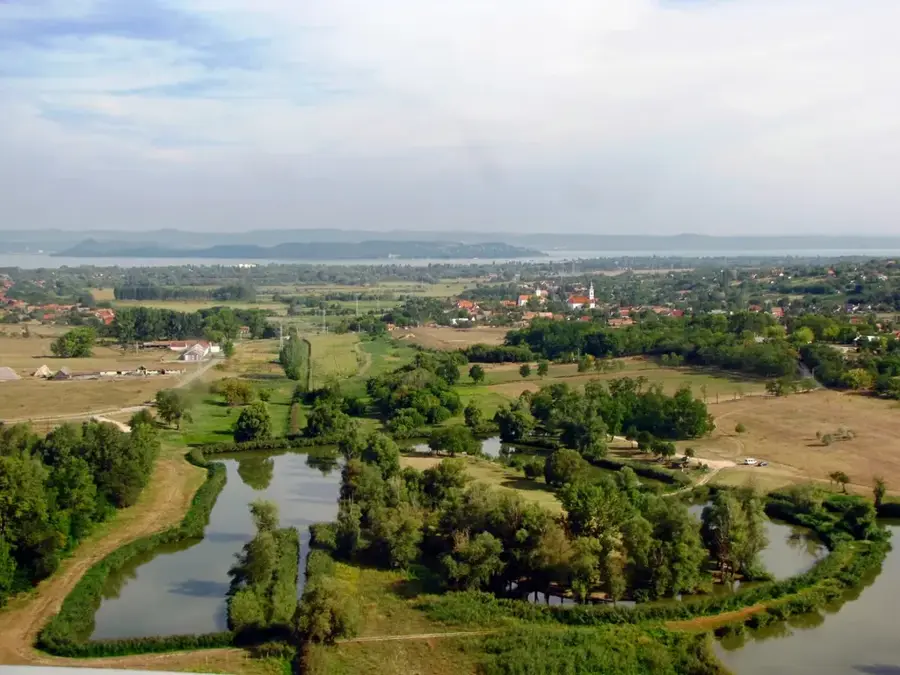
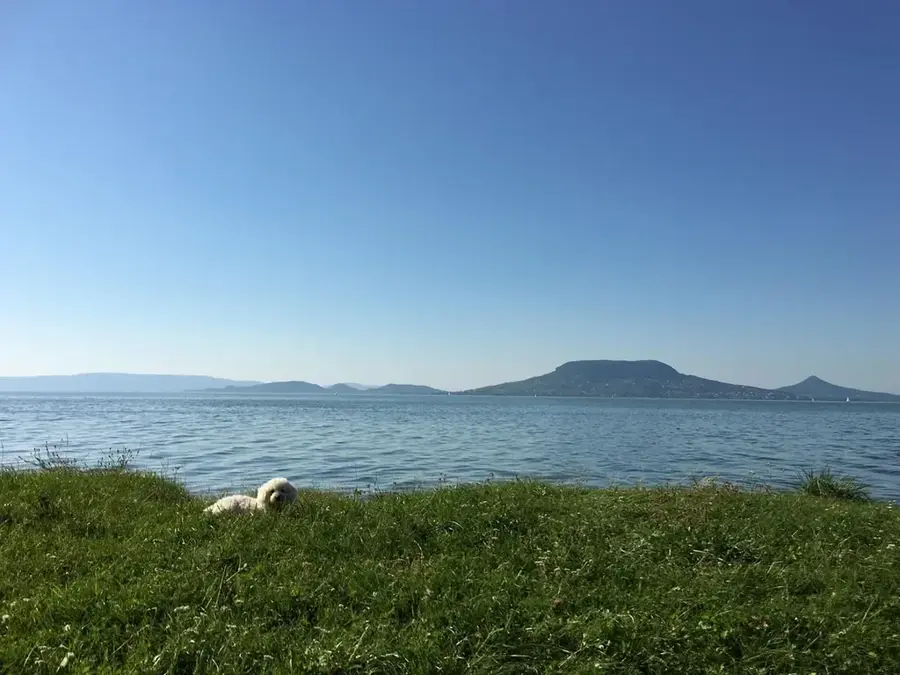
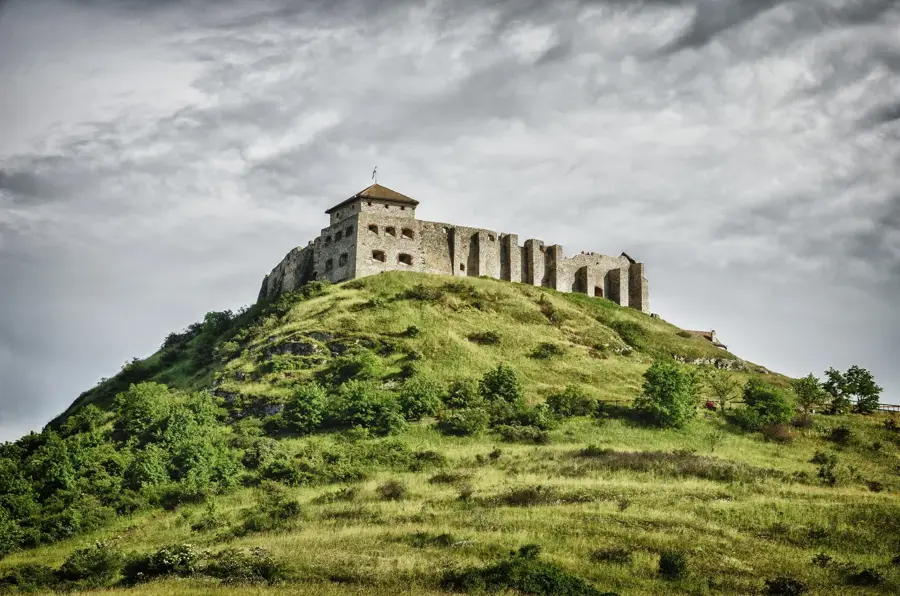
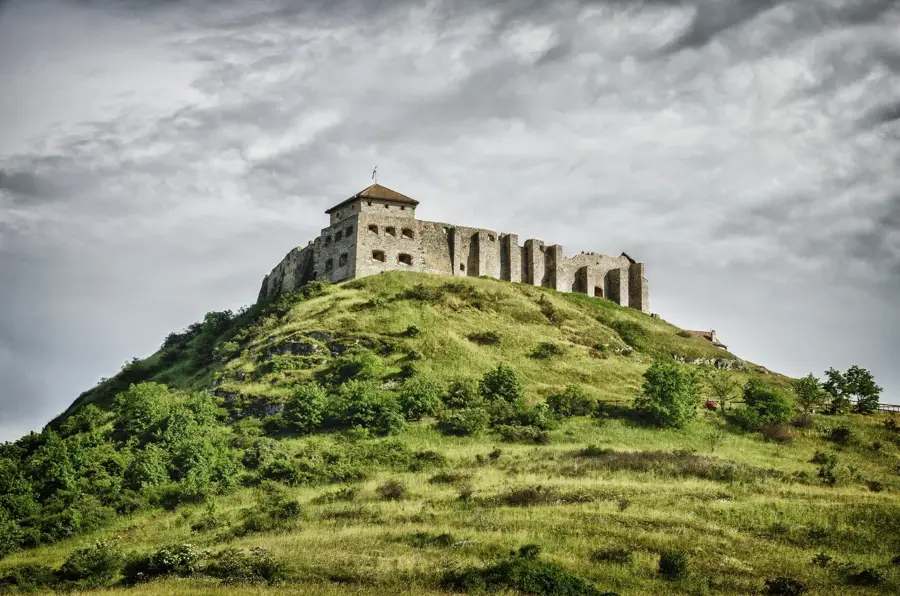
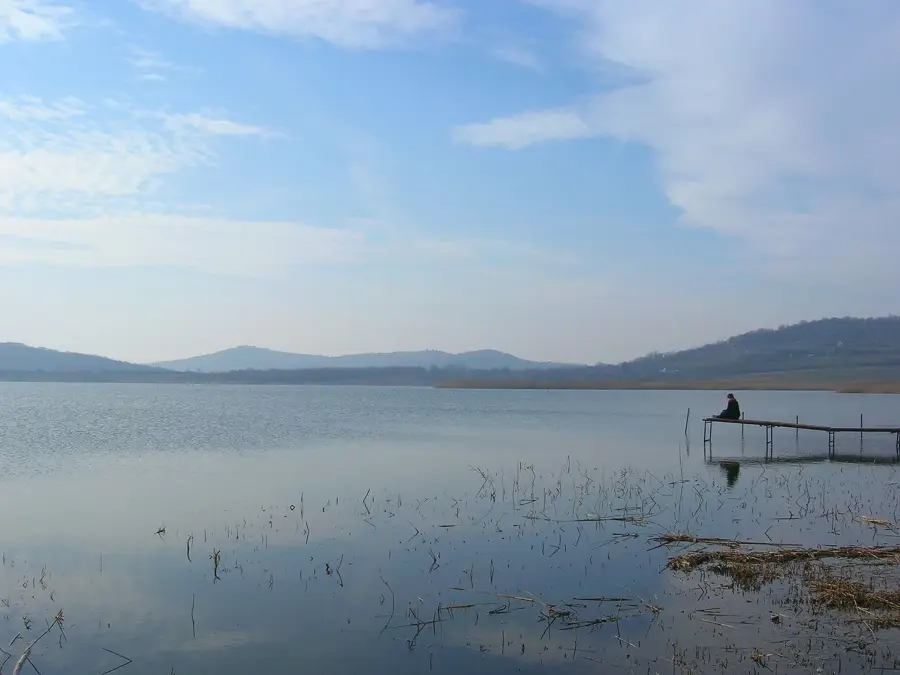
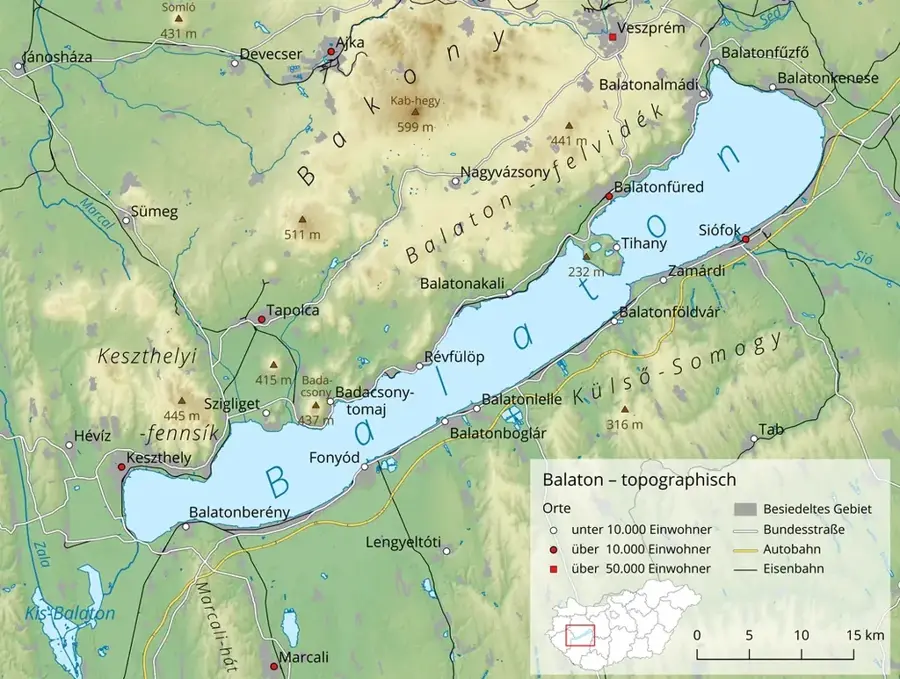
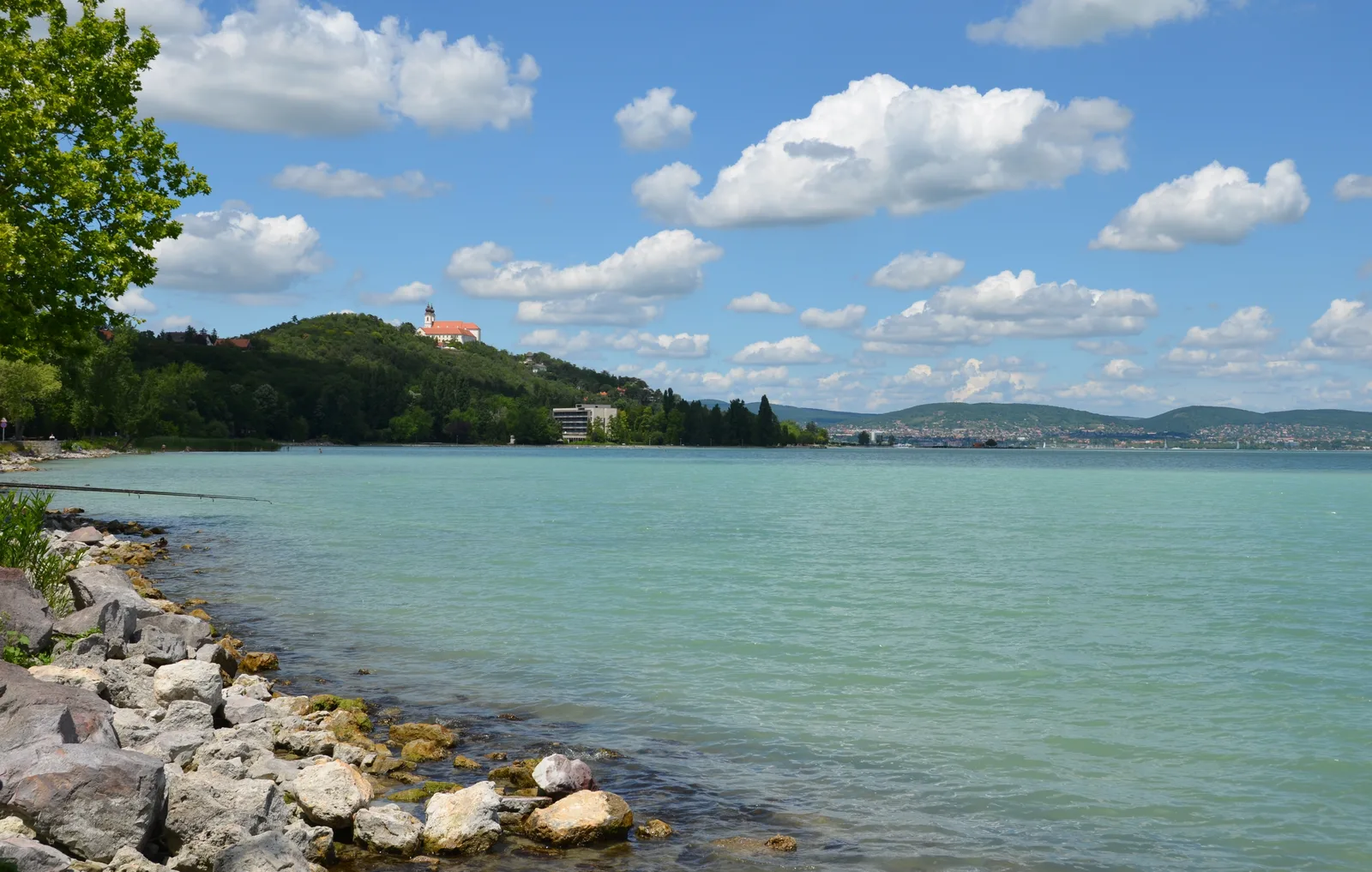
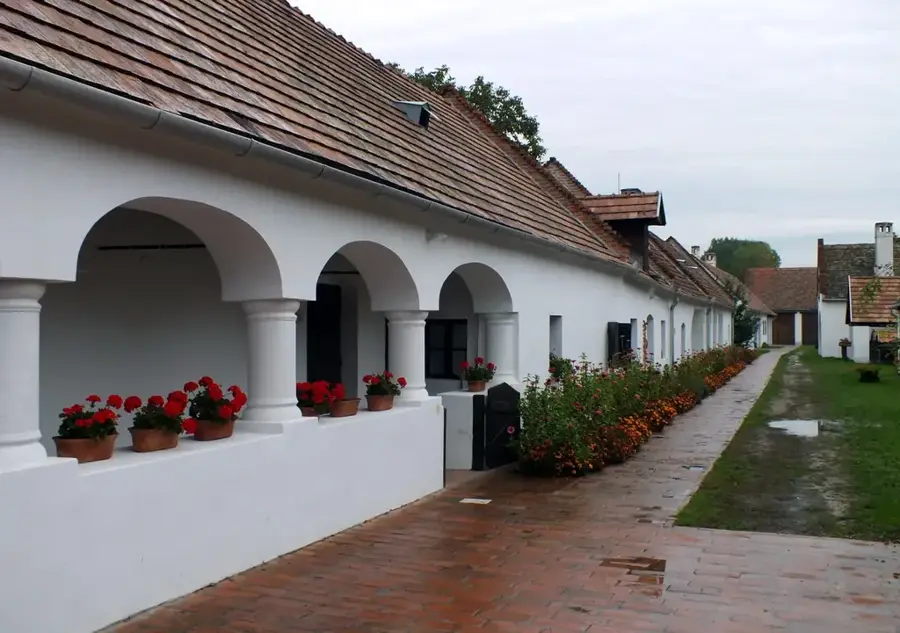
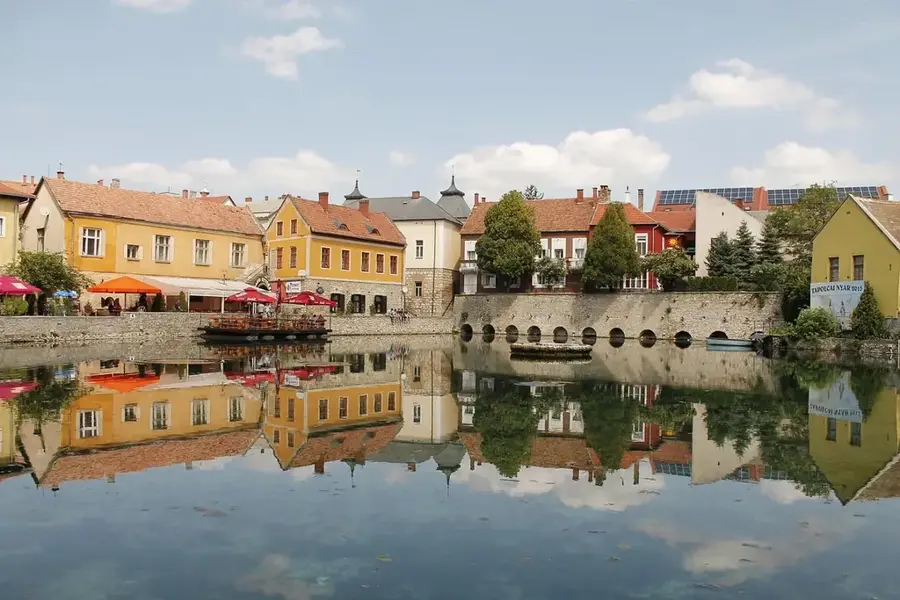
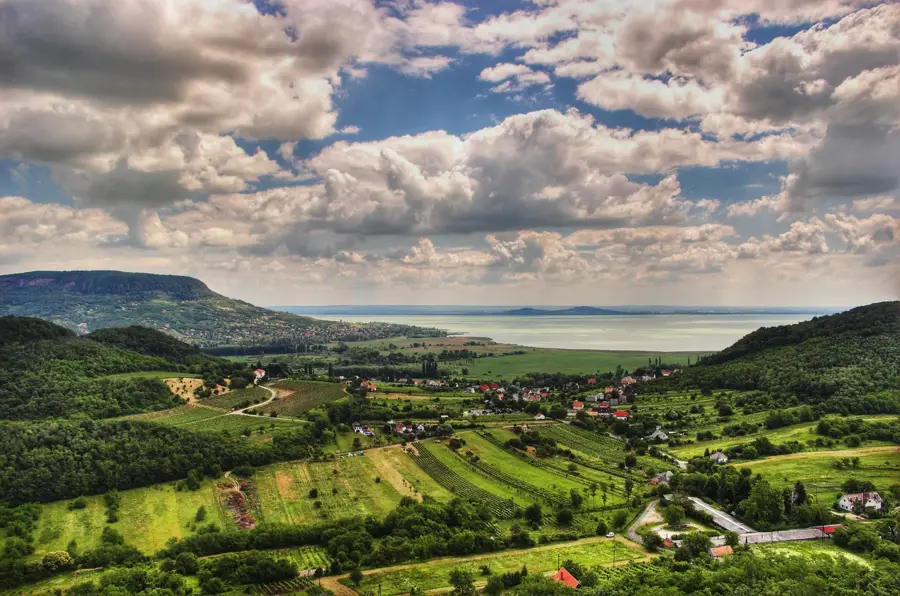
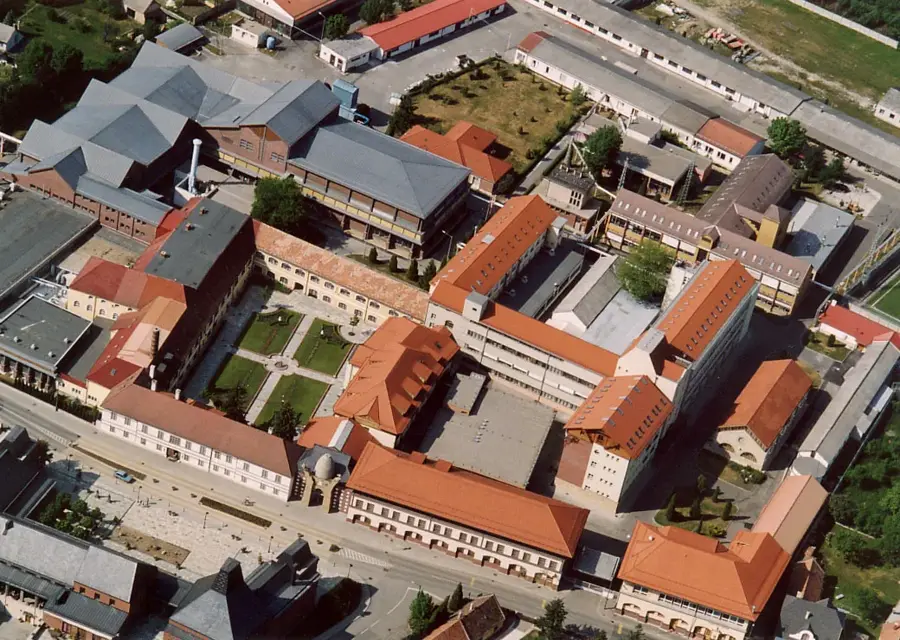
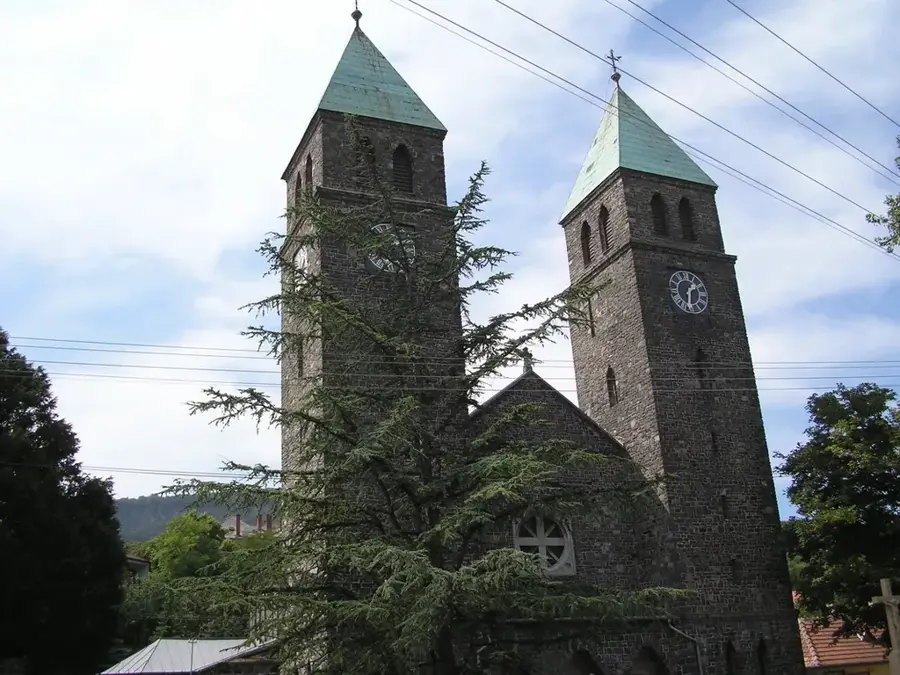
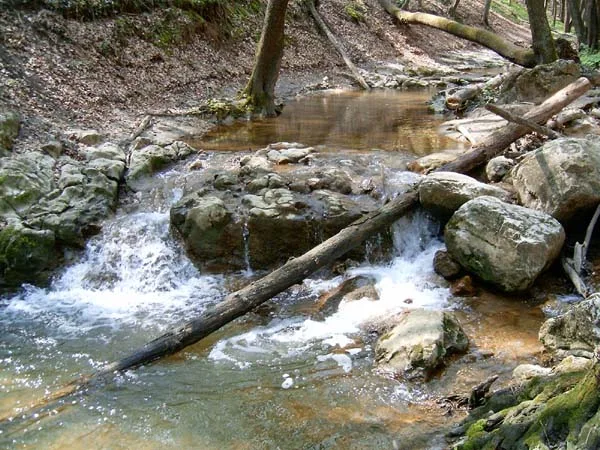
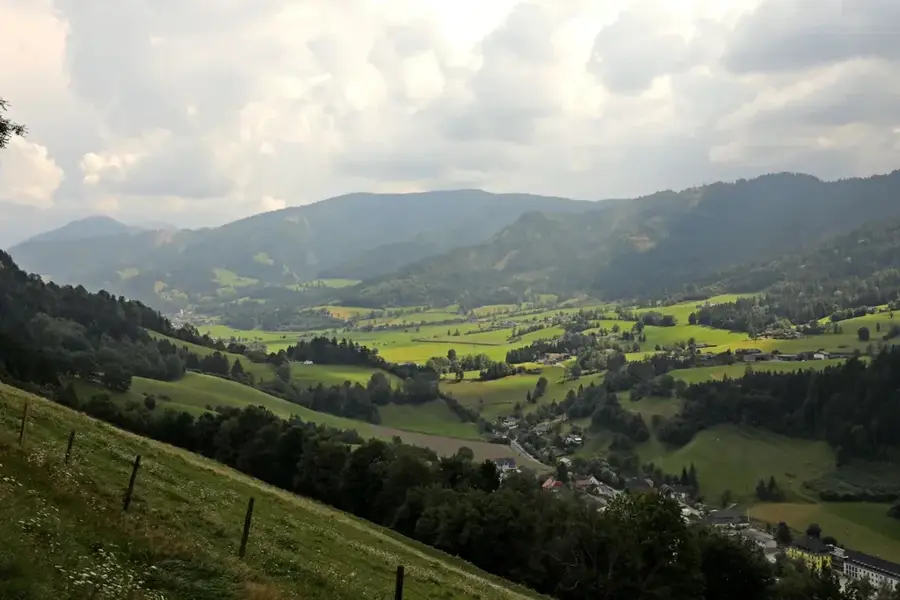
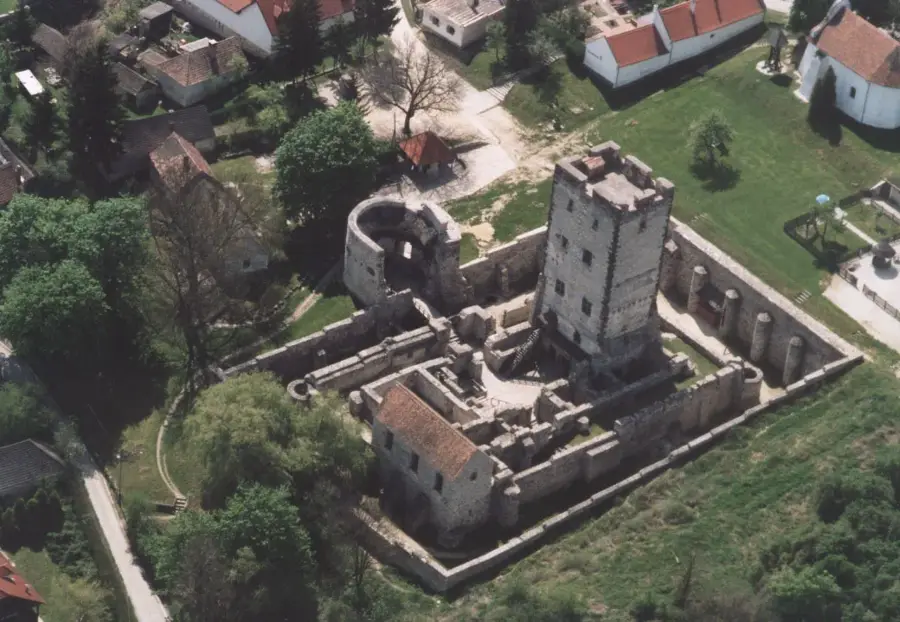
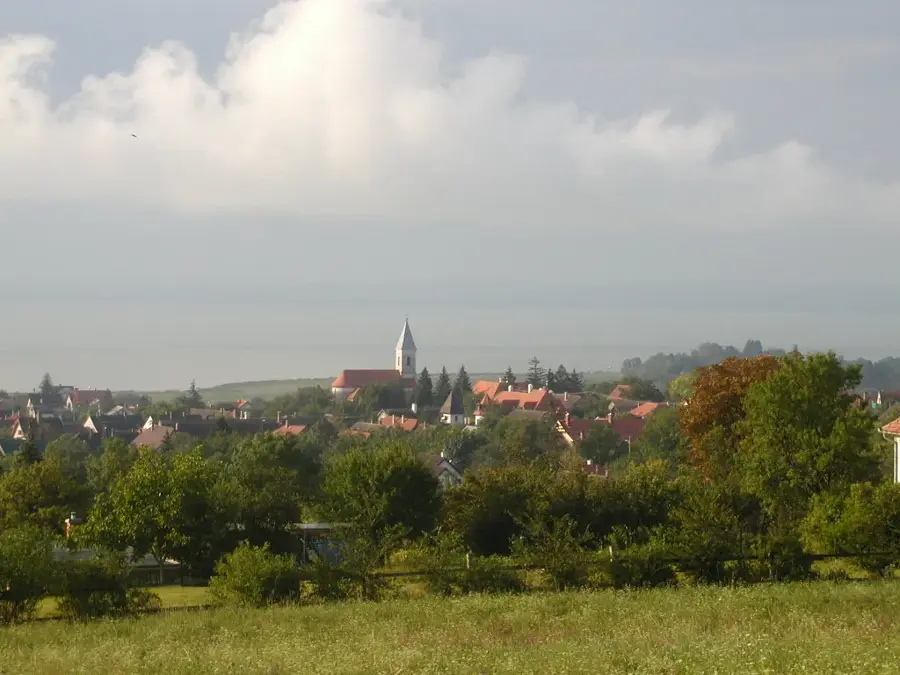
Established in 1997, the Balaton Uplands National Park stretches along the northern shore of Lake Balaton, covering an area of approximately 57,000 hectares. The park integrates six former landscape protection areas, offering exceptional diversity ranging from volcanic witness mountains to expansive wetlands. Key highlights include the Tihany Peninsula with its volcanic crater lakes and the Tapolca Basin featuring iconic basalt formations like Badacsony. These hills are renowned wine-growing regions and are famous for their 'basalt organs', massive vertical columns created by cooling lava. In the western part of the park lies the Kis-Balaton (Little Balaton), an internationally significant wetland and bird sanctuary protected under the Ramsar Convention. Beyond biodiversity, the park preserves cultural treasures such as the traditional vernacular architecture of the Káli Basin villages. Visitors can explore numerous educational trails, caves like the Tapolca Lake Cave, and historic castle ruins scattered across the rolling hills. The park remains a premier destination for ecotourism, blending geological wonders with rich cultural history.
Explore on the map
How well do you know Hungary?
Find cities, landscapes and regions in 10 varied challenges on the interactive map.
Your journey, your memory
A postcard from Balaton Uplands NP
Turn your own photo into a personal postcard with a local stamp. Free and no sign-up required.
Create a postcard- Location: Veszprém, Hungary
- Highlights: Madách utcai öböl · Balatonudvari községi strand · Udvari Galéria
- Nearby: Balatonakali (4 km)
Best time to visit & climate
The most pleasant time to visit is Jun–Aug.
| Jan | Feb | Mar | Apr | May | Jun | Jul | Aug | Sep | Oct | Nov | Dec | |
|---|---|---|---|---|---|---|---|---|---|---|---|---|
| Avg °C | -1 | 1 | 5 | 11 | 16 | 21 | 23 | 23 | 17 | 11 | 5 | 0 |
| Rain mm | 37 | 41 | 41 | 34 | 65 | 66 | 61 | 63 | 62 | 52 | 44 | 42 |
📋 Practical info
Geography
Facts
- The National Park was officially established in 1997.
- It encompasses a total area of about 57,000 hectares.
- Tihany Peninsula was awarded the European Diploma for Protected Areas.
- Badacsony is famous for its massive basalt organ formations.
- Kis-Balaton is a wetland site of international importance.
- The park features the unique Tapolca Lake Cave system.
Explore nearby
Notable places around
Route planner — Car & Motorhome
Where do you start? We build the route here, with stops and country notes along the way.
© OpenStreetMap contributors · OpenRouteService
Sights in the town Balaton Uplands NP (7)
Fövenyesi Strandfürdő
Beach resort in Fövenyes on Lake Balaton.
Helytörténeti gyűjtemény és galéria🏛 museum
Local history collection and gallery in Balatonudvari.
Malommúzeum🏛 museum
Mill museum in the region, displaying historical milling technology.
Sights nearby
Frequently asked questions
Where is the national park's visitor center located?
Can you go boating in the Tapolca Lake Cave?
When does the lavender bloom in Tihany?
What are the basalt organs at Szent György Hill?
Is there an entry fee for the entire national park?
Balaton Uplands NP: where is it located?
Balaton Uplands NP: what is there to see?
Balaton Uplands NP: when is the best time to visit?
Balaton Uplands NP: why is it worth visiting?
Nearby cities
History & landmarks