Plizio Visual Lab
Chain Bridge
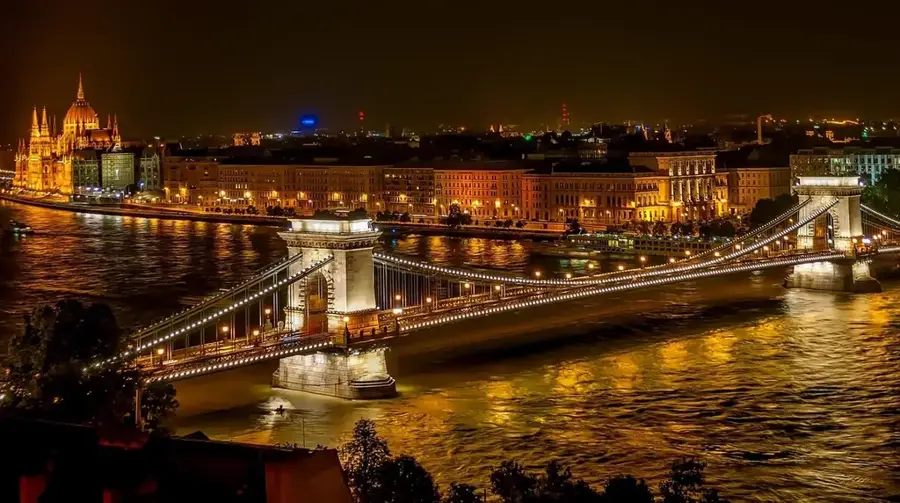
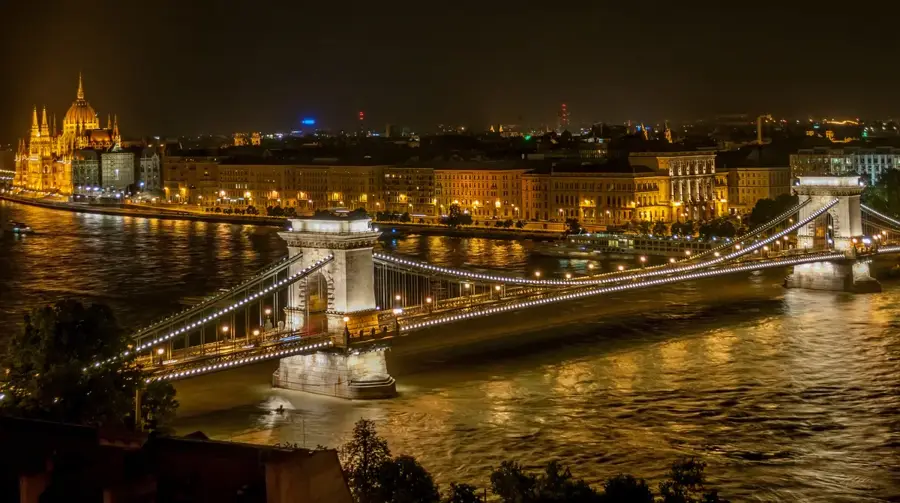
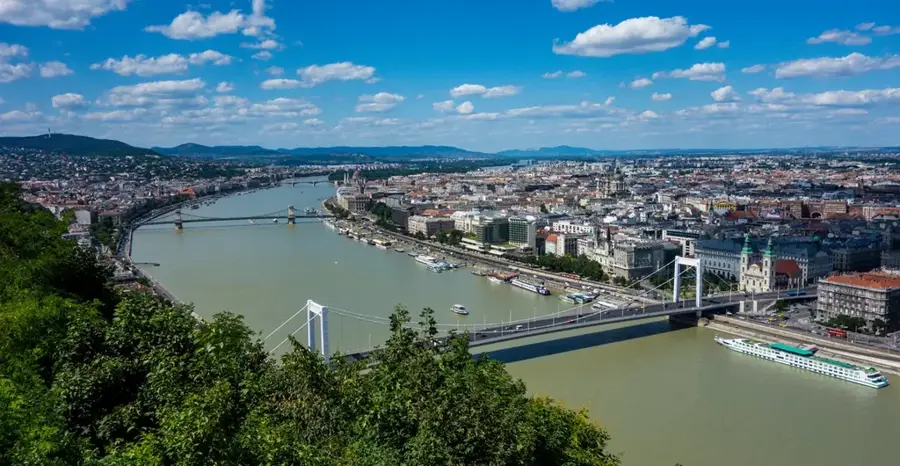
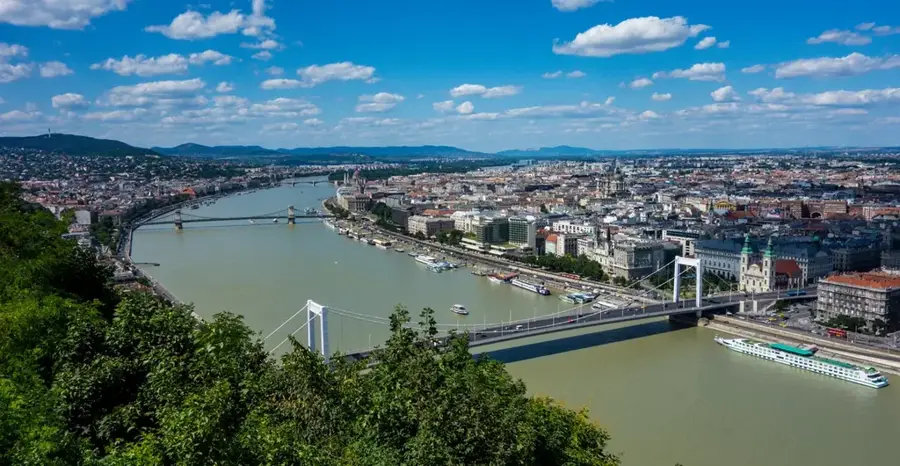
The Széchenyi Chain Bridge is the oldest and most famous bridge across the Danube in Budapest, serving as a national symbol of Hungary. It was constructed between 1839 and 1849 following the initiative of Count István Széchenyi, based on designs by English engineer William Tierney Clark. The construction was overseen by Scottish engineer Adam Clark, whose name is now honored by the square at the Buda end of the bridge. Upon its completion, it was one of the largest suspension bridges in the world and the first permanent link between the cities of Buda and Pest. The bridge is guarded by massive stone lion statues at both ends, carved by sculptor János Marschalkó. During World War II, the bridge was blown up by retreating German forces but was faithfully rebuilt and reopened in 1949, exactly 100 years after its original inauguration. Today, it remains a vital landmark and a focal point of the UNESCO World Heritage Danube riverbank view.
Explore on the map
How well do you know Hungary?
Find cities, landscapes and regions in 10 varied challenges on the interactive map.
Your journey, your memory
A postcard from Chain Bridge
Turn your own photo into a personal postcard with a local stamp. Free and no sign-up required.
Create a postcard- Location: Budapest, Hungary
- Highlights: Széchenyi Chain Bridge · Kossuth Lajos Múzeumhajó · Széchenyi István tér
Best time to visit & climate
The most pleasant time to visit is Jun–Aug.
| Jan | Feb | Mar | Apr | May | Jun | Jul | Aug | Sep | Oct | Nov | Dec | |
|---|---|---|---|---|---|---|---|---|---|---|---|---|
| Avg °C | -2 | 0 | 5 | 11 | 16 | 21 | 23 | 22 | 17 | 11 | 5 | 0 |
| Rain mm | 39 | 40 | 41 | 35 | 65 | 70 | 66 | 63 | 57 | 51 | 44 | 43 |
📋 Practical info
Geography
Facts
- First permanent stone bridge across the Danube in Budapest.
- Built between 1839 and 1849 based on William Tierney Clark's plans.
- Largely funded and initiated by Count István Széchenyi.
- The iconic lion statues were carved by the sculptor János Marschalkó.
- Blown up by retreating German troops in January 1945 during WWII.
- Reopened in 1949, exactly 100 years after its first inauguration.
Explore nearby
Notable places around
Route planner — Car & Motorhome
Where do you start? We build the route here, with stops and country notes along the way.
© OpenStreetMap contributors · OpenRouteService
Sights in the town Chain Bridge (10)
Millenium
Monument or sculpture in Budapest commemorating the millennium.
Alagút, keleti bejárat
Eastern entrance of the tunnel under Buda Castle Hill, offering a view.
MTA Művészeti Gyűjtemény🏛 museum
Art collection of the Hungarian Academy of Sciences in Budapest.
Hungarian Academy of Sciences
Seat of the learned society of Hungary, an imposing building on the Danube.
XVIII sz-ban átalakitott középkori épulet maradványa
Remains of a medieval building in Budapest, remodeled in the 18th century.
Testőrpalota🏛 museum
Museum in Budapest housed in the former palace of the bodyguards.
Sights nearby
Frequently asked questions
Can you walk across the Chain Bridge?
Do the lions on the bridge really have no tongues?
When was the bridge built?
Is the bridge illuminated at night?
Which areas does the bridge connect?
Chain Bridge: where is it located?
Chain Bridge: what is there to see?
Chain Bridge: when is the best time to visit?
Chain Bridge: why is it worth visiting?

Nearby cities

History & landmarks


Nature
More places