Plizio Visual Lab
Ostsee
Weather…
Water temperature…
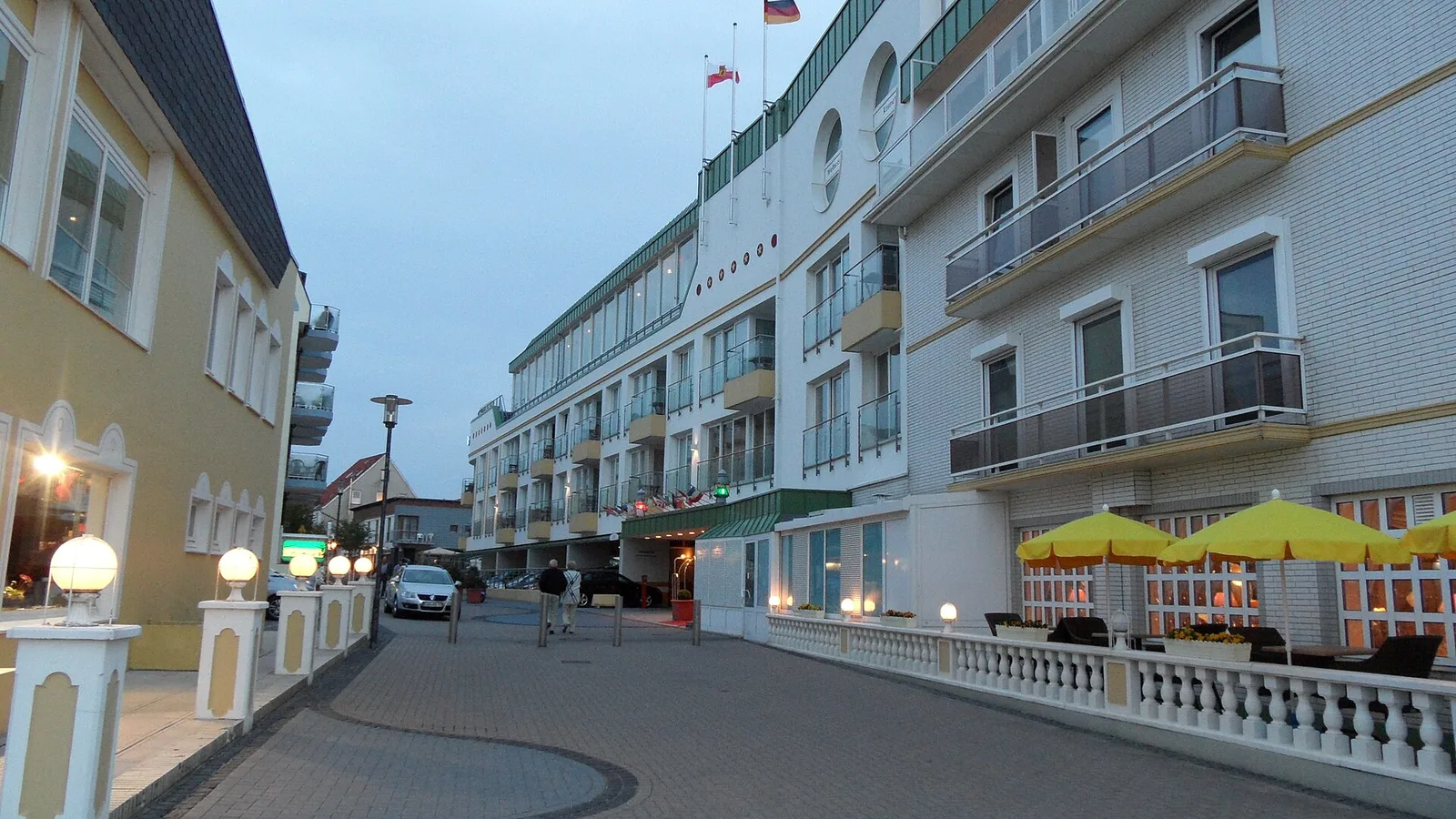
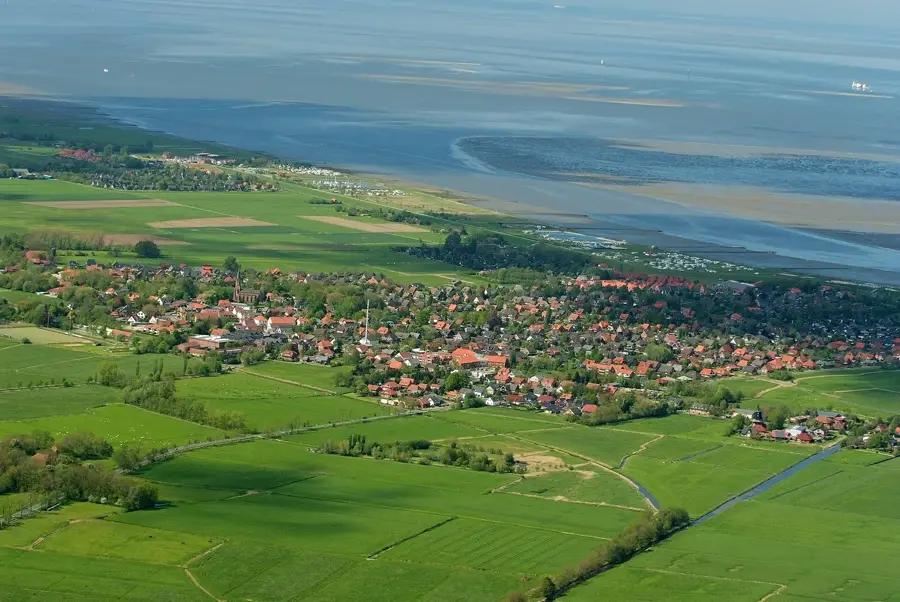
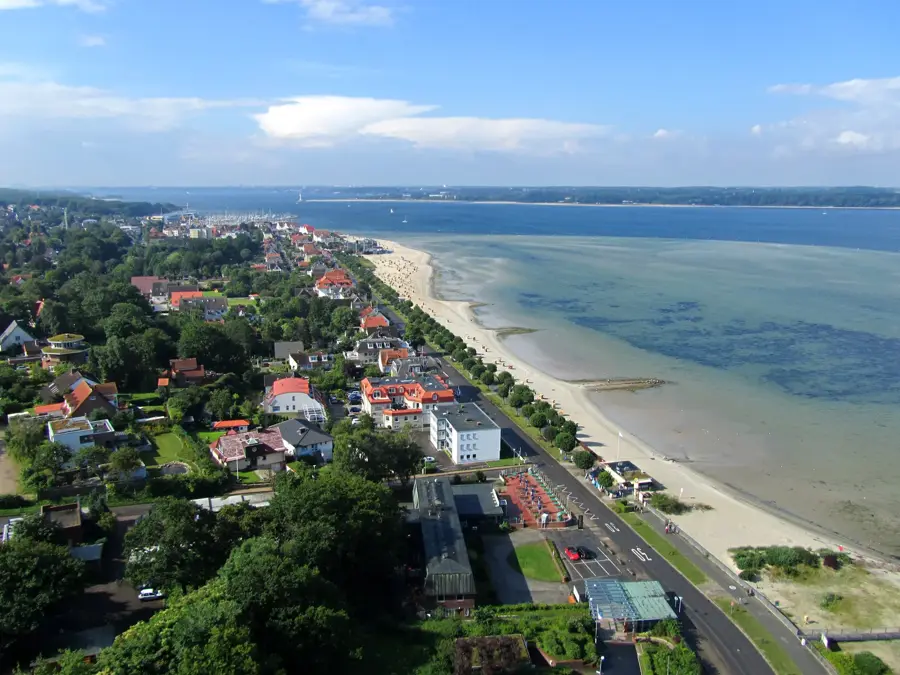
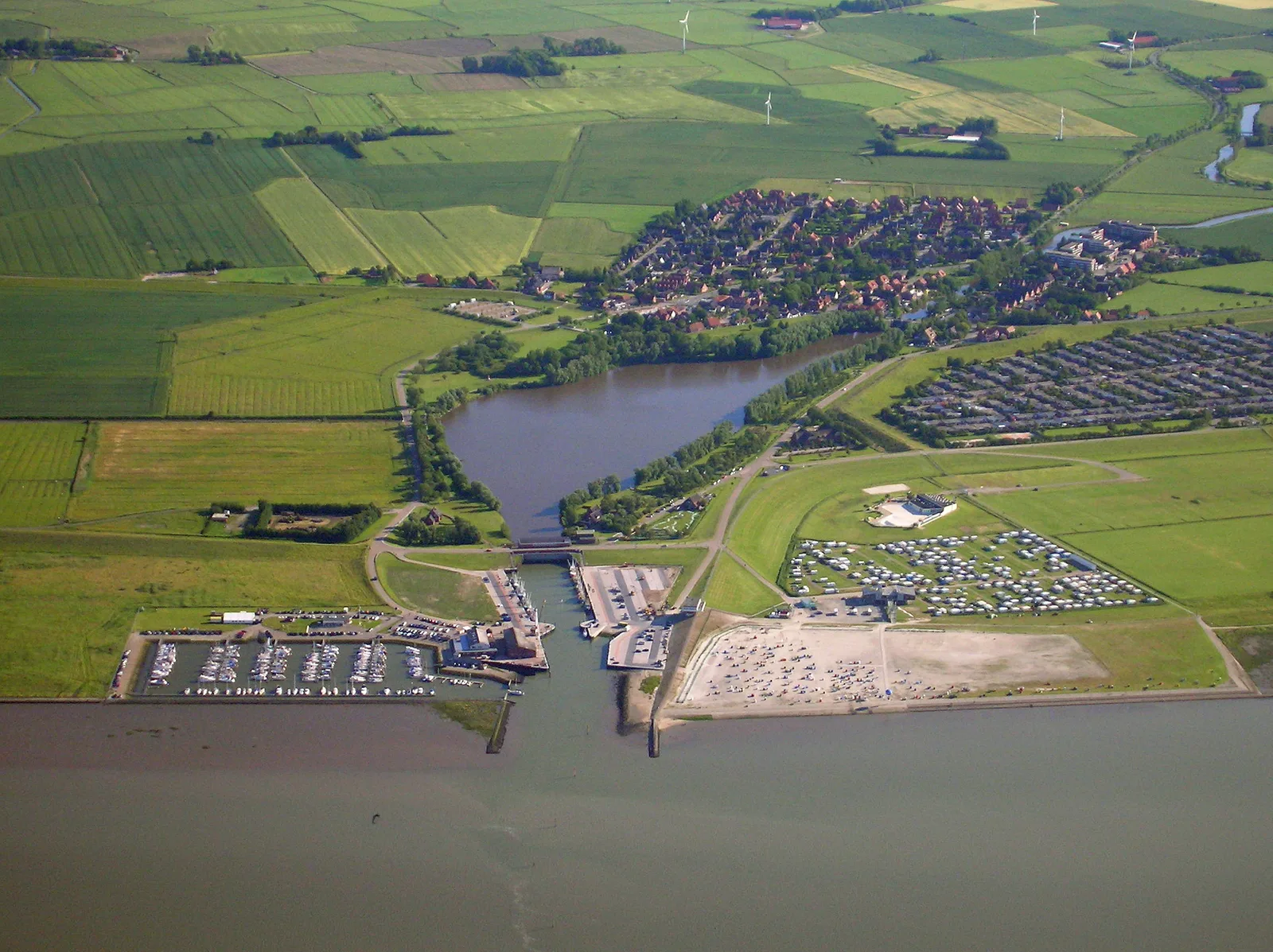
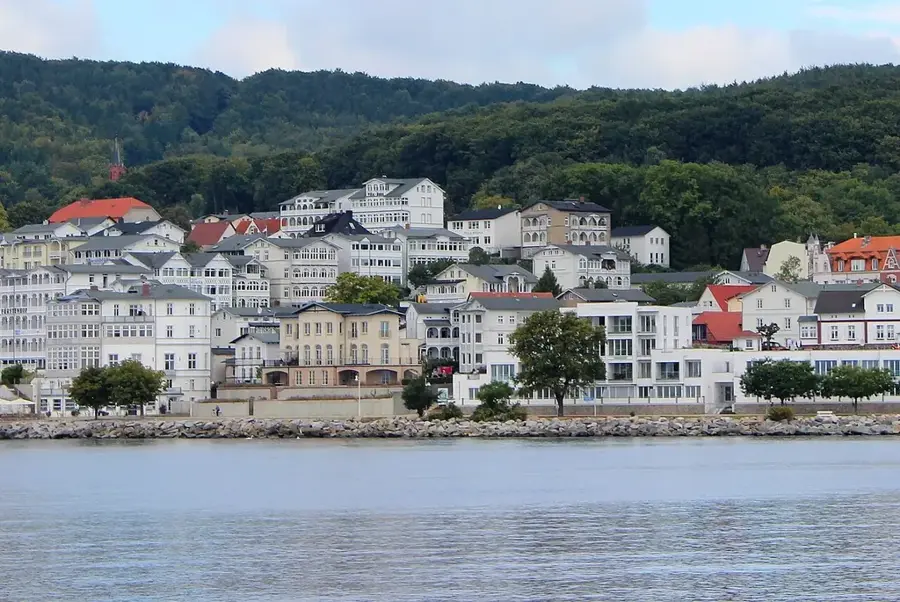
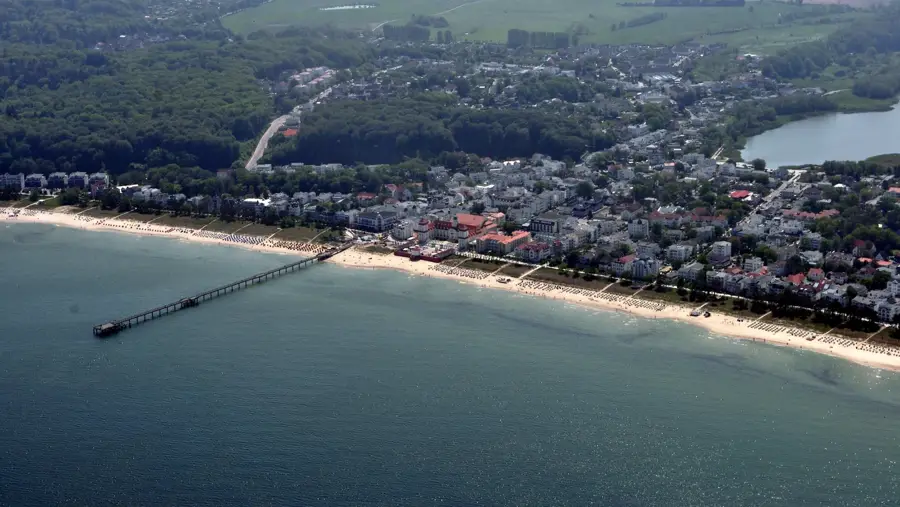
The Baltic Sea is a 415,000-square-kilometer inland sea in Northern Europe. It is connected to the North Sea via the Kattegat and Skagerrak straits and is considered the world's largest brackish water sea, as its salinity is relatively low due to the high influx of freshwater from rivers. Historically, the Baltic Sea was the heart of the Hanseatic League, which dominated trade between cities such as Lübeck, Gdańsk, and Tallinn. Geologically, the basin formed after the retreat of the Weichselian glaciation approximately 12,000 years ago. The coastal landscape is defined by fjords (Förden), lagoons (Bodden), and large islands such as Rügen, Usedom, and Gotland. Economically, the Baltic Sea is a vital corridor for freight shipping and the energy sector, though it faces ecological challenges like eutrophication and dumped munitions from past world wars. Its shallow average depth of 52 meters makes the ecosystem particularly sensitive to environmental changes. Today, the region is a major tourist destination, famous for its seaside resorts featuring classic resort architecture.
Explore on the map
How well do you know Germany?
Find cities, landscapes and regions in 10 varied challenges on the interactive map.
Your journey, your memory
A postcard from Ostsee
Turn your own photo into a personal postcard with a local stamp. Free and no sign-up required.
Create a postcard- Location: Germany
- Nearby: Sassnitz (10 km)
Best time to visit & climate
The most pleasant time to visit is Jun–Aug.
| Jan | Feb | Mar | Apr | May | Jun | Jul | Aug | Sep | Oct | Nov | Dec | |
|---|---|---|---|---|---|---|---|---|---|---|---|---|
| Avg °C | 2 | 2 | 3 | 7 | 11 | 15 | 18 | 19 | 16 | 11 | 7 | 4 |
| Rain mm | 64 | 48 | 44 | 34 | 47 | 57 | 77 | 73 | 61 | 67 | 61 | 64 |
📋 Practical info
Geography
Facts
- Salinity varies greatly from 0.1% in the north to 2.0% in the west.
- The average depth is only 52 meters.
- The largest island is Zealand (Denmark), followed by Gotland (Sweden).
- The Amber Road was an ancient trade route for Baltic 'gold'.
- Landsort Deep is the deepest point of the Baltic Sea at 459 meters.
- Nine sovereign states share a coastline with the Baltic Sea.
Explore nearby
Notable places around
Route planner — Car & Motorhome
Where do you start? We build the route here, with stops and country notes along the way.
© OpenStreetMap contributors · OpenRouteService
Sights nearby
Frequently asked questions
Are there tides in the Baltic Sea?
Where are the most beautiful beaches?
What is amber?
Are the beaches accessible?
Which activities are popular?
Ostsee: where is it located?
Ostsee: when is the best time to visit?
Ostsee: why is it worth visiting?
Nearby cities