Plizio Visual Lab
Rügen
Weather…
Water temperature…
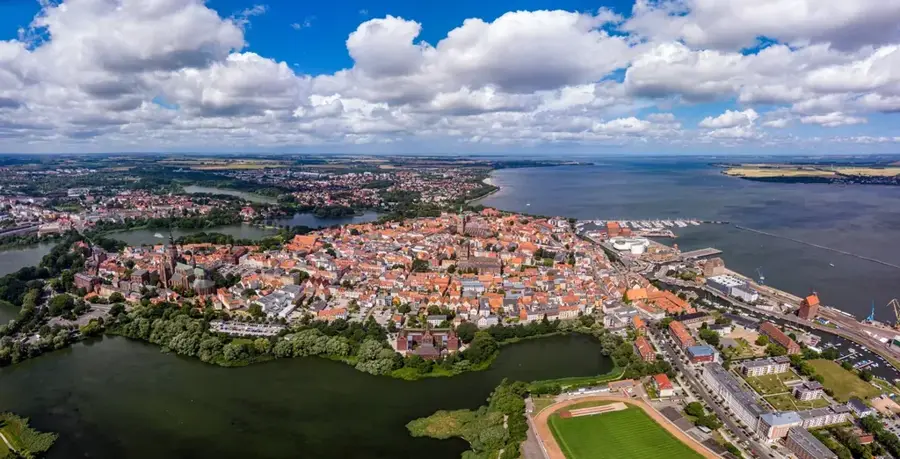
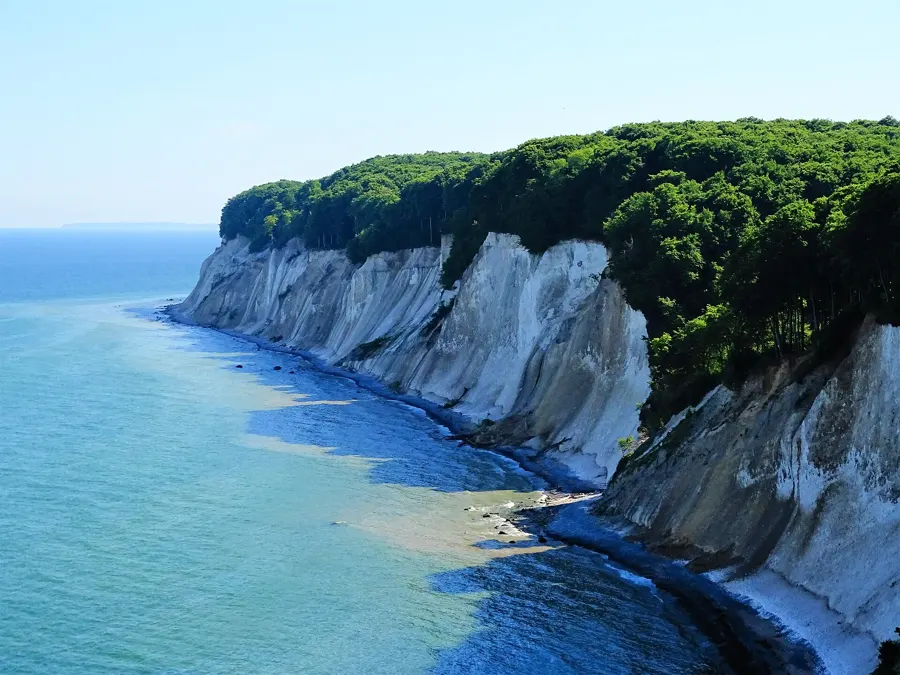
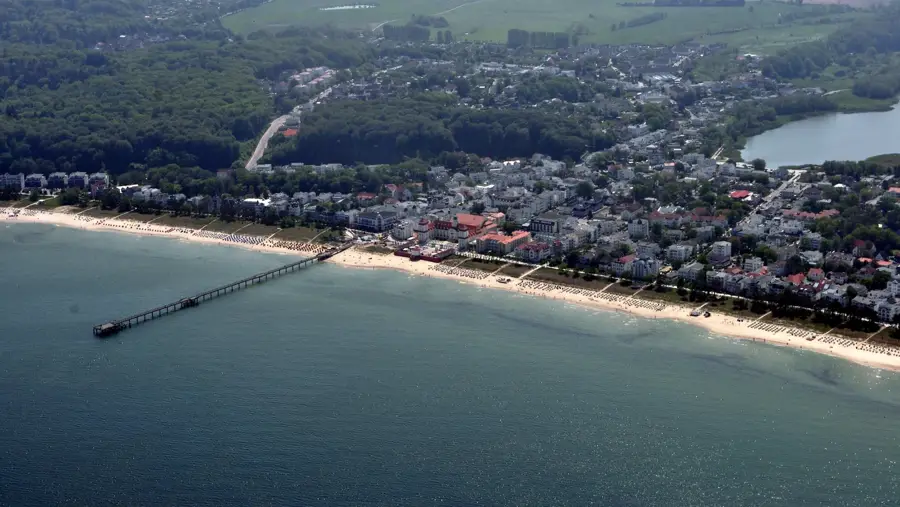
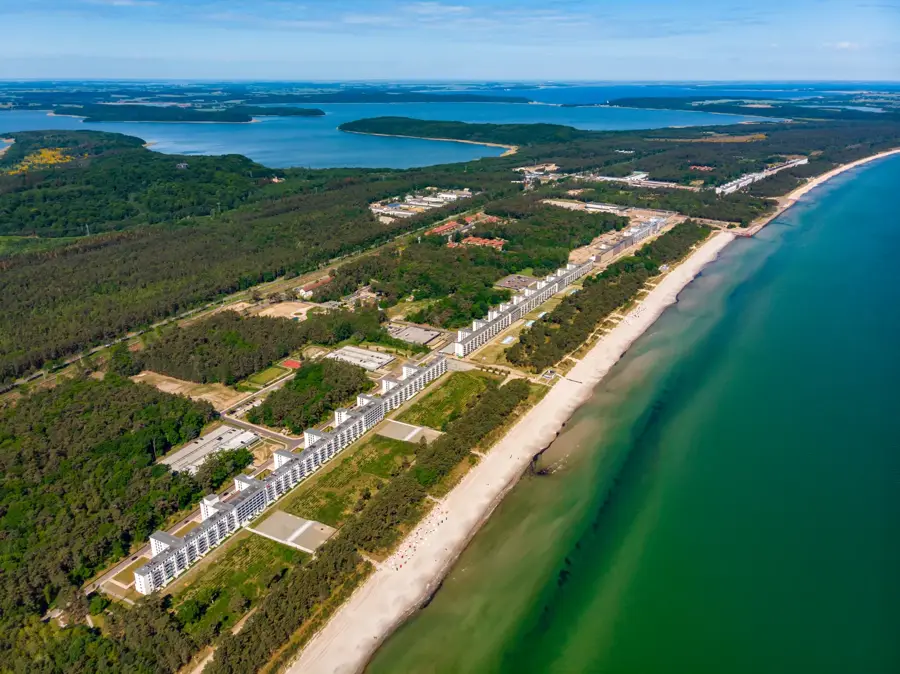
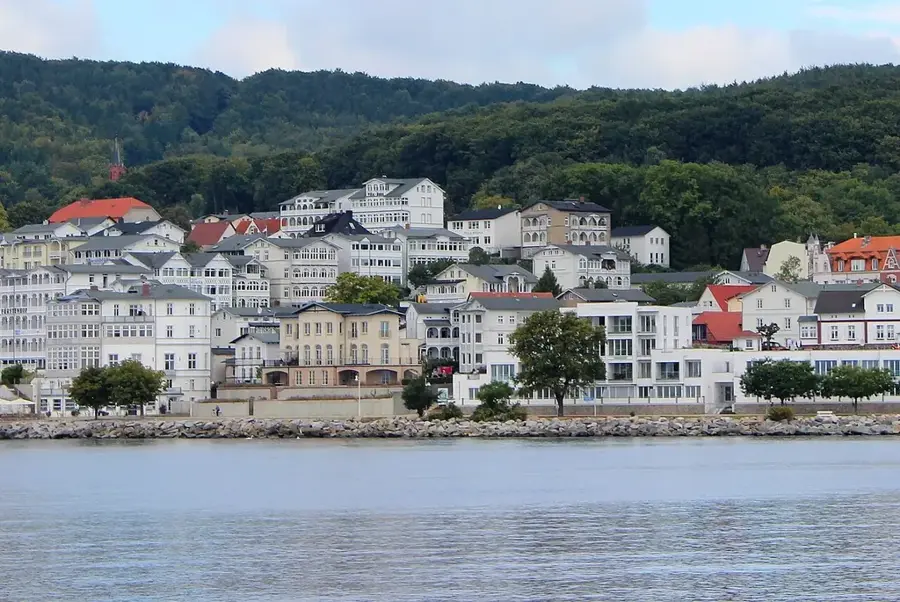
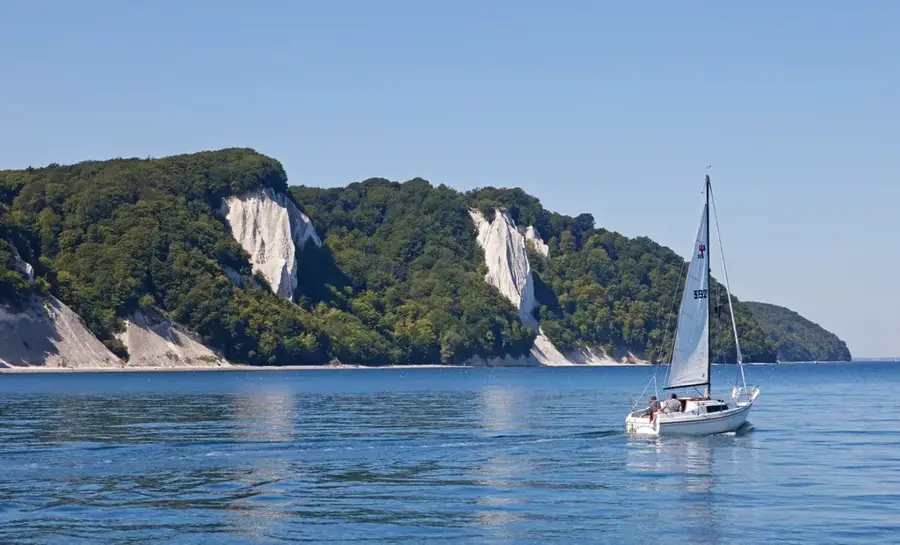
Rügen is Germany's largest island by land area, situated in the Baltic Sea off the coast of Mecklenburg-Western Pomerania. It is connected to the Hanseatic city of Stralsund via the Rügendamm causeway and the impressive Rügen Bridge, ensuring easy accessibility for travelers. The island's geography is defined by a highly irregular coastline featuring numerous lagoons, bays, and peninsulas such as Jasmund and Wittow. Its most famous natural landmark is the chalk cliffs in Jasmund National Park, including the iconic Königsstuhl, which famously inspired the painter Caspar David Friedrich. Historically, Rügen gained prominence as a fashionable seaside resort in the 19th century, a legacy preserved in the grand resort architecture of Binz, Sellin, and Göhren. A darker historical chapter is represented by the Colossus of Prora, a massive unfinished holiday complex from the National Socialist era. Today, Rügen gives a blend of sophisticated charm, untouched nature, and cultural treasures like the Granitz Hunting Lodge. Cape Arkona in the north stands as one of the Baltic's most historic lighthouse sites.
Explore on the map
How well do you know Germany?
Find cities, landscapes and regions in 10 varied challenges on the interactive map.
Your journey, your memory
A postcard from Rügen
Turn your own photo into a personal postcard with a local stamp. Free and no sign-up required.
Create a postcard- Location: Mecklenburg-Western Pomerania, Germany
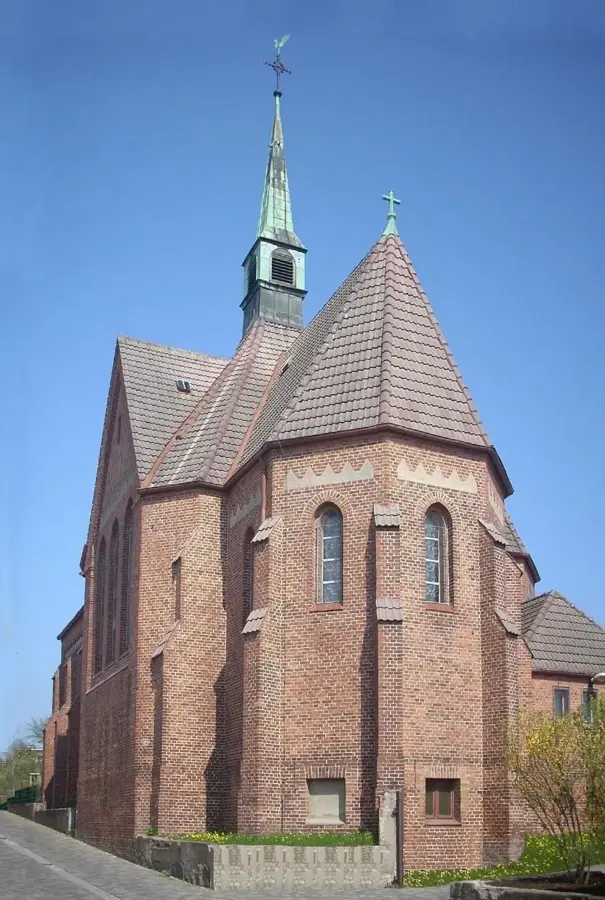
- Highlights: Margarethenkirche · Nonnensee Süd · Holzkapelle Ralswiek
- Nearby: Binz (13 km)
Best time to visit & climate
The most pleasant time to visit is Jun–Aug.
| Jan | Feb | Mar | Apr | May | Jun | Jul | Aug | Sep | Oct | Nov | Dec | |
|---|---|---|---|---|---|---|---|---|---|---|---|---|
| Avg °C | 2 | 2 | 3 | 7 | 11 | 15 | 18 | 19 | 16 | 11 | 7 | 4 |
| Rain mm | 64 | 48 | 44 | 34 | 47 | 57 | 77 | 73 | 61 | 67 | 61 | 64 |
📋 Practical info
Geography
Facts
- The total area of Rügen is approximately 926 square kilometers.
- The Königsstuhl chalk cliff rises to a height of about 118 meters.
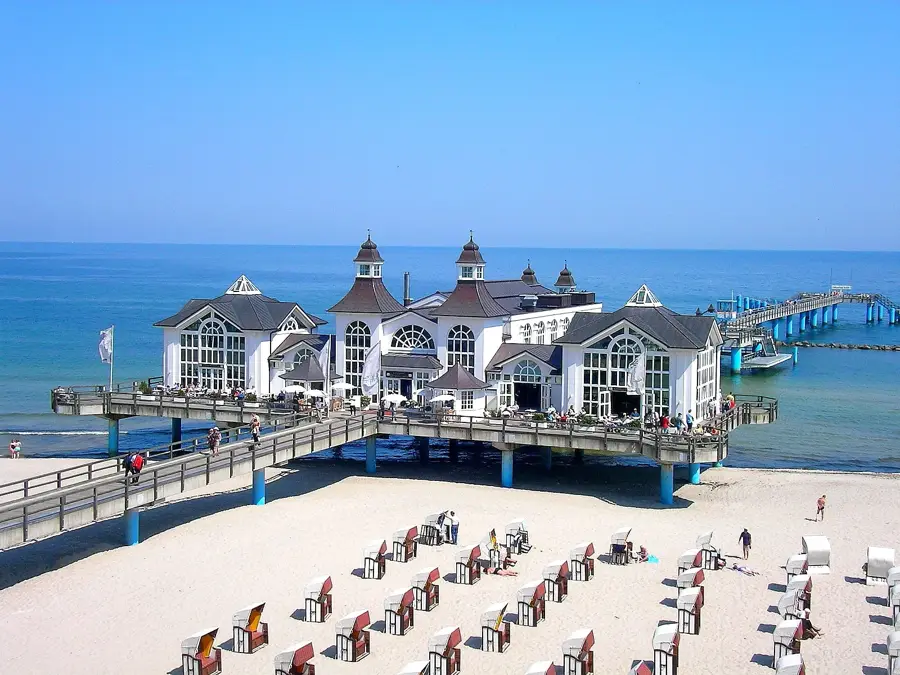
- The Sellin pier is one of Germany's longest, measuring 394 meters.
- Rügen possesses a total coastline length of around 574 kilometers.
- The 'Rasende Roland' is a famous steam-powered narrow-gauge railway on the island.
- Prora was originally designed to accommodate 20,000 holidaymakers at once.
Explore nearby
Notable places around
Route planner — Car & Motorhome
Where do you start? We build the route here, with stops and country notes along the way.
© OpenStreetMap contributors · OpenRouteService
Sights in the town Rügen (3)
Sights nearby
Frequently asked questions
What is the most famous sight on Rügen?
How do you get to the island?
What is the 'Rasender Roland'?
Which seaside resorts are particularly worth visiting?
What is 'Prora'?
Rügen: where is it located?
Rügen: what is there to see?
Rügen: when is the best time to visit?
Rügen: why is it worth visiting?
Nearby cities