Plizio Visual Lab
Ikoundou Massif

Weather…
Water temperature…
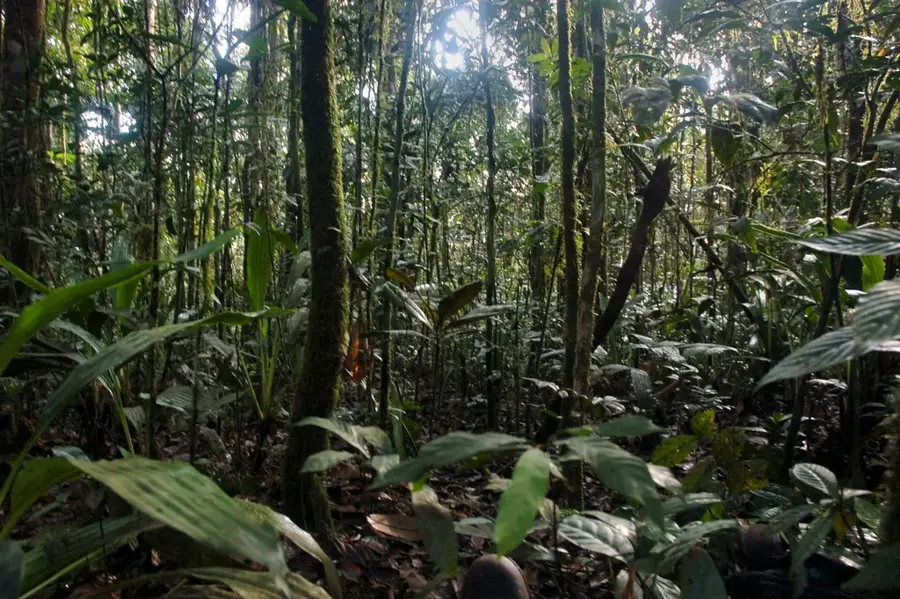
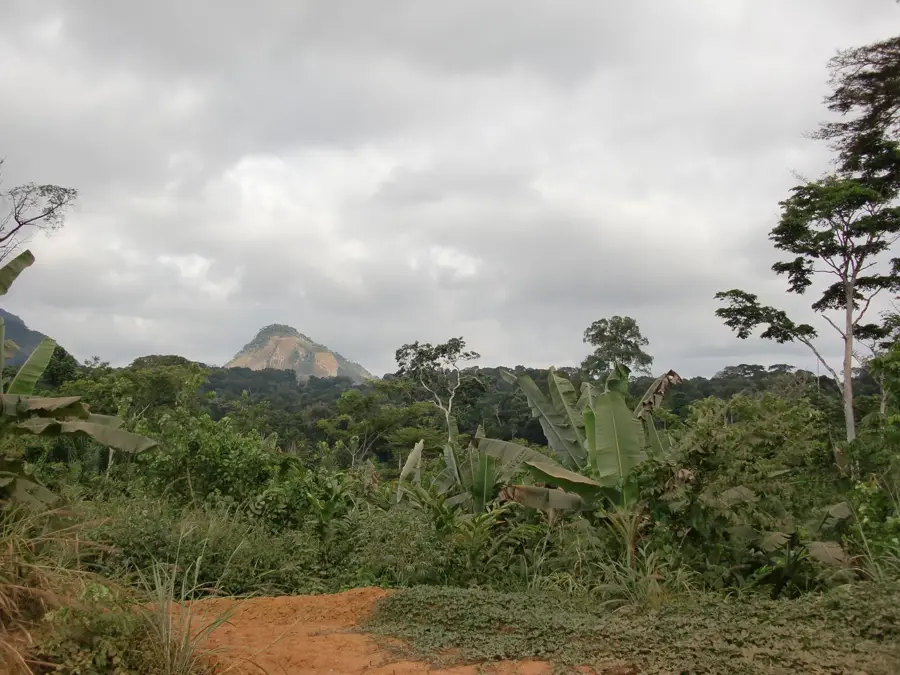
The Ikoundou Massif lies in the heart of central Gabon and represents a northern extension of the Chaillu Mountains. This region is characterized by a particularly complex topography, defined by deep V-shaped valleys and narrow, sharp-edged ridges. The peaks of the massif reach heights of up to 1,000 meters, making it one of the most prominent elevations in the interior of the country. Due to the extreme slope gradients, the forest here has remained largely protected from industrial logging, allowing large areas of untouched primary forest to be preserved. The Ikoundou Massif serves as a critical biological corridor for migrating large mammals such as forest elephants and gorillas that move between Gabon's various national parks. The area's geology is characterized by ancient rocks of the Archean era, rich in various minerals, the mining of which has not yet occurred due to logistical challenges. For scientists, the massif represents one of the last great mysteries of Central African botany, as many slopes have never been trodden by researchers.
Explore on the map
How well do you know Gabon?
Find cities, landscapes and regions in 10 varied challenges on the interactive map.
Your journey, your memory
A postcard from Ikoundou Massif
Turn your own photo into a personal postcard with a local stamp. Free and no sign-up required.
Create a postcard- Location: Gabon
- Nearby: Moabi (28 km)
Best time to visit & climate
The most pleasant time to visit is Jun–Aug.
| Jan | Feb | Mar | Apr | May | Jun | Jul | Aug | Sep | Oct | Nov | Dec | |
|---|---|---|---|---|---|---|---|---|---|---|---|---|
| Avg °C | 25 | 25 | 25 | 25 | 25 | 24 | 24 | 24 | 25 | 25 | 24 | 25 |
| Rain mm | 174 | 166 | 251 | 245 | 165 | 22 | 4 | 10 | 74 | 333 | 403 | 222 |
📋 Practical info
Geography
Facts
- The massif reaches peak elevations of nearly 1,000 meters above sea level.
- It is geographically located in the transition between Ogooué-Lolo and Ngounié provinces.
- The rock formations belong to the North Chaillu complex.
- The area is nearly 98% covered by dense rainforest.
- Numerous headwater streams of the Ogooué river system originate here.
- The massif is largely roadless and accessible only via river paths.
Explore nearby
Notable places around

Route planner — Car & Motorhome
Where do you start? We build the route here, with stops and country notes along the way.
© OpenStreetMap contributors · OpenRouteService
Sights nearby
Frequently asked questions
What is the Ikoundou massif?
Are there endemic species there?
What is the soil composition?
Is the massif inhabited?
What makes the area interesting for geologists?
Ikoundou Massif: where is it located?
Ikoundou Massif: when is the best time to visit?
Ikoundou Massif: why is it worth visiting?
Nearby cities


Nature
More places