Plizio Visual Lab
Koumouna-Bouali Massif
Weather…
Water temperature…
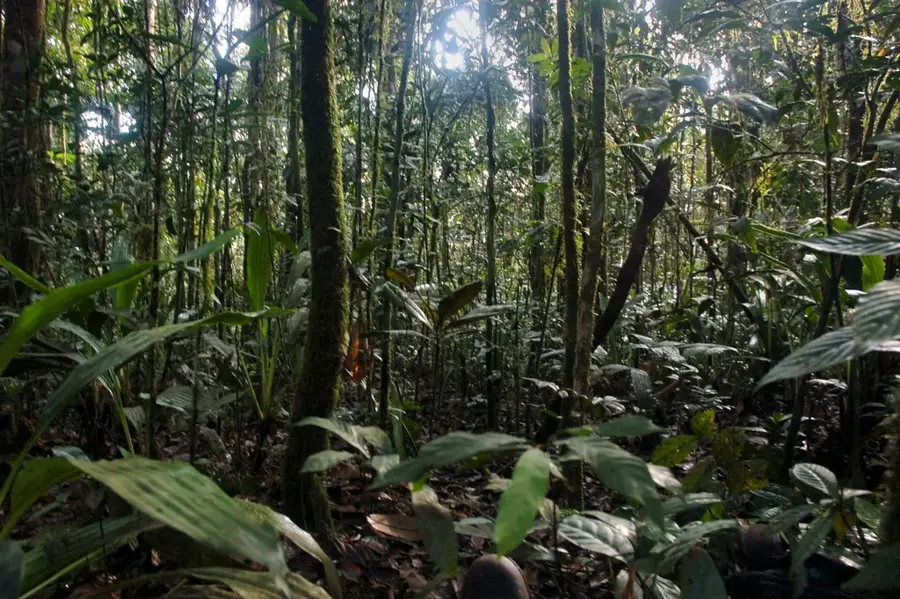
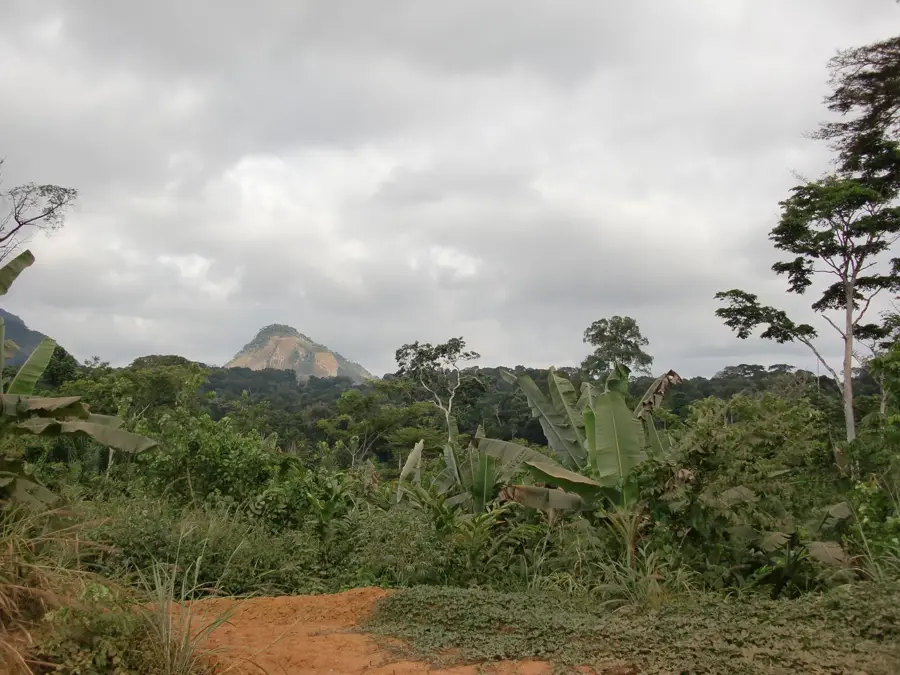
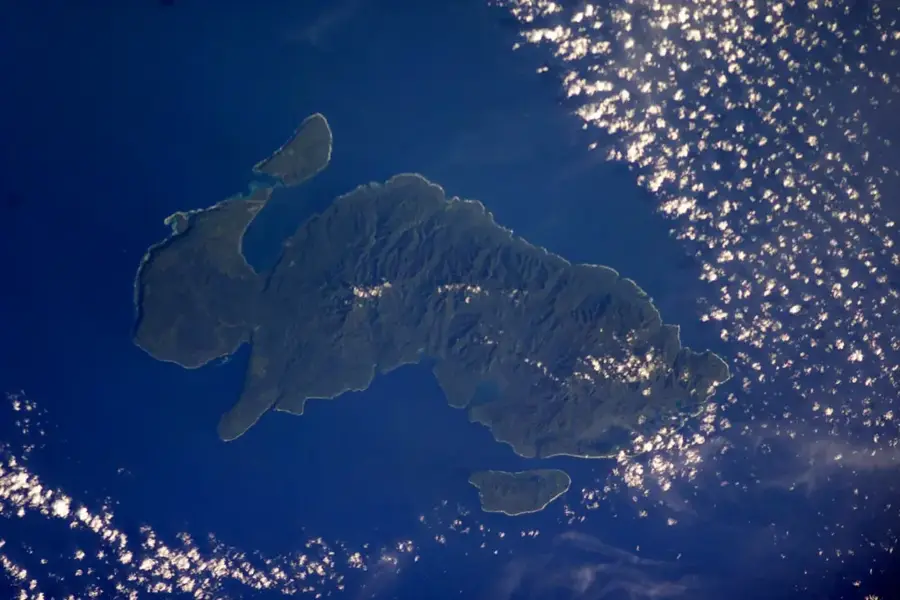
The Koumouna-Bouali Massif is a prominent component of the Chaillu Mountains in central-southern Gabon. Geologically, it is part of an ancient crystalline shield, predominantly composed of granite and gneiss, and is over two billion years old. The massif is characterized by its considerable height, with several peaks exceeding the 900-meter mark, making them some of the highest points in Gabon. The climate is shaped by monsoon influence, leading to dense cloud forests often shrouded in mist. This moisture supports a unique flora, including rare orchid species and epiphytes that do not occur at lower elevations. The steep slopes of the massif serve as the headwaters for numerous tributaries of the Ngounié River, making it a vital reservoir for the regional ecosystem. Due to its ruggedness, human presence is minimal, making the massif a valuable refuge for the forest elephant and the mandrill. Botanical studies in this area regularly lead to the discovery of new, previously undescribed plant species.
Explore on the map
How well do you know Gabon?
Find cities, landscapes and regions in 10 varied challenges on the interactive map.
Your journey, your memory
A postcard from Koumouna-Bouali Massif
Turn your own photo into a personal postcard with a local stamp. Free and no sign-up required.
Create a postcard- Location: Gabon
- Nearby: Mimongo (17 km)
Best time to visit & climate
The most pleasant time to visit is Jun–Aug.
| Jan | Feb | Mar | Apr | May | Jun | Jul | Aug | Sep | Oct | Nov | Dec | |
|---|---|---|---|---|---|---|---|---|---|---|---|---|
| Avg °C | 24 | 25 | 25 | 25 | 24 | 24 | 23 | 24 | 24 | 24 | 24 | 24 |
| Rain mm | 160 | 166 | 258 | 260 | 173 | 26 | 6 | 12 | 80 | 343 | 395 | 212 |
📋 Practical info
Geography
Facts
- The massif reaches a maximum height of approximately 980 meters.
- It belongs to the Chaillu Massif, which extends into the Congo.
- The granite formations date back to the Paleoproterozoic era.
- On average, over 2,500 mm of precipitation falls here annually.
- The area is one of the wettest in central Gabon.
- Mount Iboundji, once believed to be Gabon's highest mountain, is located nearby.
Explore nearby
Notable places around
Route planner — Car & Motorhome
Where do you start? We build the route here, with stops and country notes along the way.
© OpenStreetMap contributors · OpenRouteService
Sights in the town Koumouna-Bouali Massif (1)
Sights nearby
Frequently asked questions
What characterizes the Koumouna-Bouali massif?
How do you reach this area?
What animals live in the massif?
Is the area developed for tourism?
What should you bring for a visit?
Koumouna-Bouali Massif: where is it located?
Koumouna-Bouali Massif: when is the best time to visit?
Koumouna-Bouali Massif: why is it worth visiting?
Nearby cities


Nature
More places