Plizio Visual Lab
Sancti Spíritus
ℹ️Practical info — Sancti Spíritus
▾
🌤 Weather — 5 days
📍 Nearby
Sights nearby
💡 Tips
- Cross the Yayabo Bridge early in the morning for the best photos without traffic.
- Viazul buses connect the city to Trinidad, but make sure to book your tickets well in advance.
- The Casa de la Trova has authentic Cuban music without the massive tourist crowds of Trinidad.
- Local paladares (private restaurants) often require cash payments in Cuban Pesos (CUP).
- Wi-Fi is mostly available in the main squares using prepaid ETECSA cards.
🍽 Food
This classic shredded beef dish is served in almost any traditional paladar in the city.
Fried green plantains are a popular side dish accompanying most local meals.
Strong and sweet, best enjoyed in the morning from small ventanitas (window stalls).
🛍 Shopping · 🧘 Quiet spots
The main pedestrian street is the best place to find small boutiques and souvenirs.
Sancti Spíritus claims to be the birthplace of this shirt; look for local tailors.
The main square is a wonderful spot for people-watching in the evening.
Take a relaxed stroll near the historic bridge along the riverfront.
Water temperature…
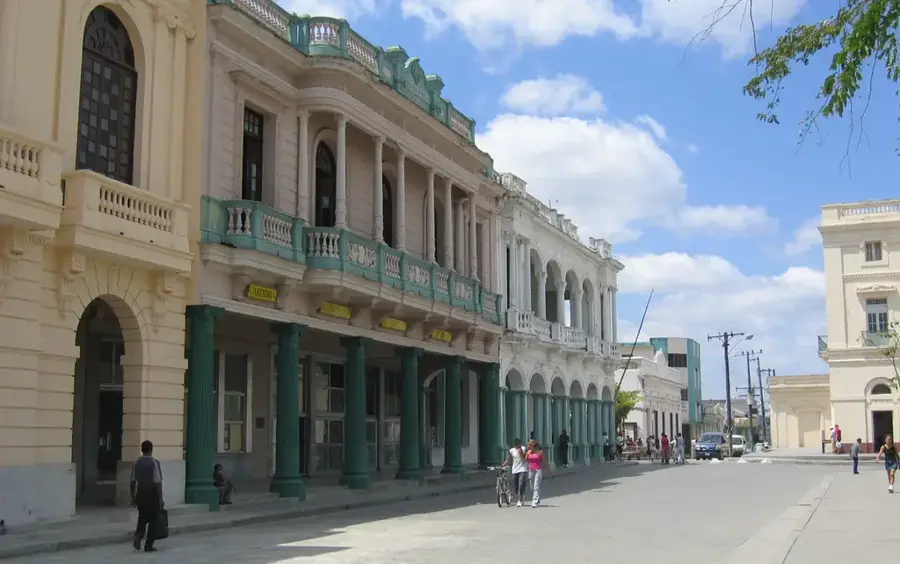
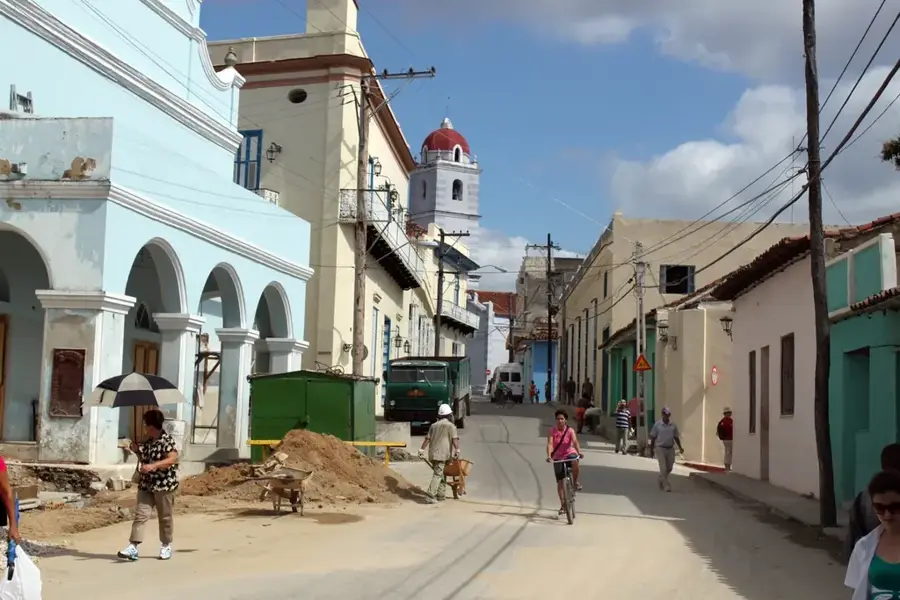
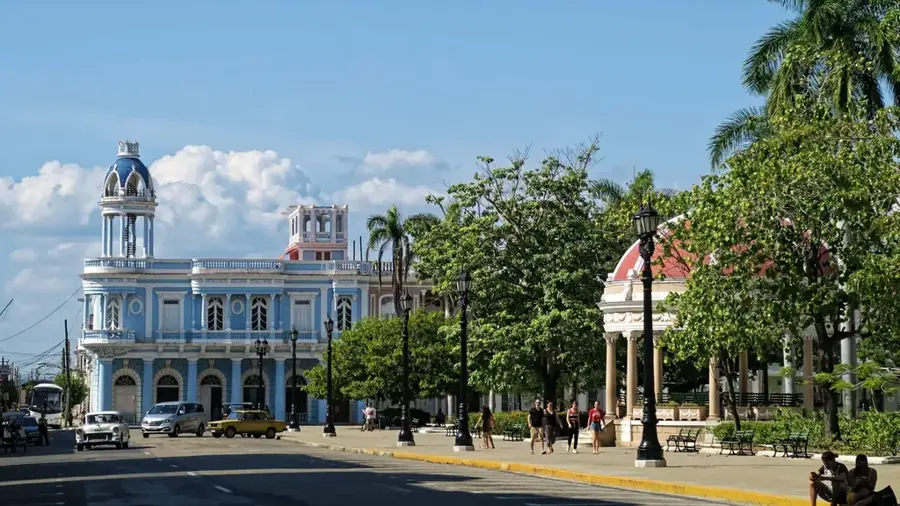
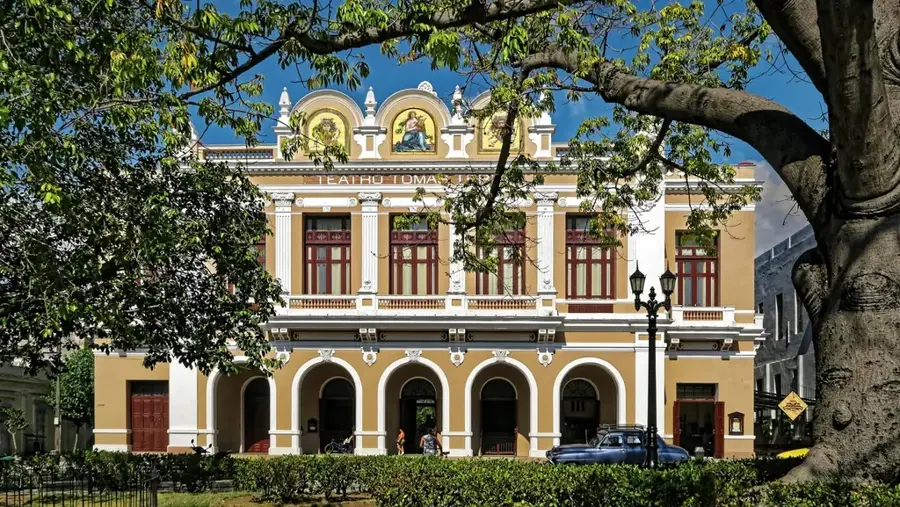
Sancti Spíritus, founded in 1514 by Diego Velázquez de Cuéllar, is one of the oldest European-established cities in the Americas and one of the original seven 'villas' of Cuba. The city’s historical core is a remarkable preserve of colonial urban planning, featuring narrow, winding streets that open into grand plazas. Its most iconic structure is the Yayabo Bridge, a five-arched brick bridge completed in 1815, which remains the only surviving colonial-era stone bridge in the country and is a designated national monument. The city is also home to the Iglesia Parroquial Mayor, widely considered the oldest functioning parish church in Cuba, showcasing architectural elements that date back to the early 16th century. Unlike its more tourist-heavy neighbor Trinidad, Sancti Spíritus features a more authentic and tranquil glimpse into provincial Cuban life. The local economy is traditionally driven by agriculture, specifically sugar production and cattle ranching, which provided the wealth visible in the city's opulent manor houses. The Museum of Colonial Art, housed in a beautifully preserved 18th-century mansion, gives visitors a detailed look at the lifestyle of the former colonial aristocracy. Culturally, the city is famous for the Santiago Espirituano, an annual festival that celebrates local folklore with parades, traditional music, and dance. Located in the heart of the island, Sancti Spíritus serves as a major administrative and cultural hub for the central region. In recent years, extensive restoration efforts have revitalized the historic center, ensuring that its unique architectural legacy is protected. Its demographics reflect a diverse heritage of Spanish settlers and African descendants, a blend that is deeply evident in the local religious practices and artistic expressions. The city stands as a resilient witness to over five centuries of history, maintaining its dignity and cultural pride.
Explore on the map
How well do you know Cuba?
Find cities, landscapes and regions in 10 varied challenges on the interactive map.
Your journey, your memory
A postcard from Sancti Spíritus
Turn your own photo into a personal postcard with a local stamp. Free and no sign-up required.
Create a postcard- Location: Cuba
- Highlights: Iglesia Parroquial Mayor del Espíritu Santo · Facultad de Ciencias Medicas Sancti Spiritus
- Nearby: Taguasco (11 km)
- Population: ~127.069 (2026)
Best time to visit & climate
The most pleasant time to visit is Jan, Feb, Dec.
| Jan | Feb | Mar | Apr | May | Jun | Jul | Aug | Sep | Oct | Nov | Dec | |
|---|---|---|---|---|---|---|---|---|---|---|---|---|
| Avg °C | 23 | 24 | 25 | 26 | 27 | 28 | 28 | 28 | 28 | 27 | 24 | 24 |
| Rain mm | 14 | 20 | 25 | 39 | 120 | 107 | 71 | 103 | 107 | 92 | 27 | 15 |
Geography
Facts
- Founded in 1514, it is one of Cuba's original seven villas.
- Home to the Yayabo Bridge, built in 1815 and made of brick and stone.
- The Iglesia Parroquial Mayor is the oldest church in Cuba.
- The city was originally established on the banks of the Tuinucú River.
- Host to the Museum of Colonial Art, located in the 18th-century Palace of Valle.
- A key center for the island's cattle and sugar industries.
- Celebrates the annual Santiago Espirituano carnival every July.
- The historic center is a National Monument of the Republic of Cuba.
Explore nearby
Notable places around

Route planner — Car & Motorhome
Where do you start? We build the route here, with stops and country notes along the way.
© OpenStreetMap contributors · OpenRouteService
Sights in the town Sancti Spíritus (2)
Frequently asked questions
What is the most famous landmark?
How old is the city?
Is the museum worth it?
What can you do nearby?
What is a typical souvenir?
Sancti Spíritus: where is it located?
Sancti Spíritus: what is there to see?
Sancti Spíritus: when is the best time to visit?
Sancti Spíritus: why is it worth visiting?

Nearby cities
Nature
More places