Plizio Visual Lab
Zapata Peninsula
Weather…
Water temperature…
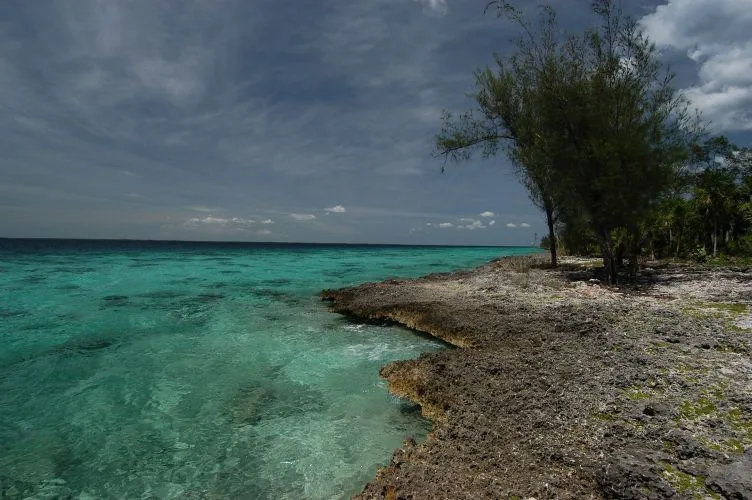
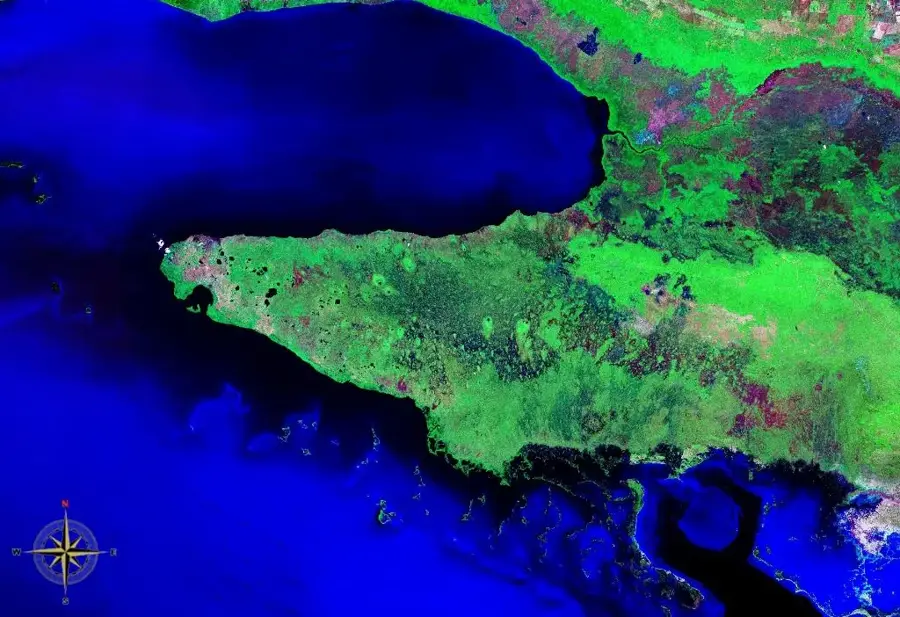
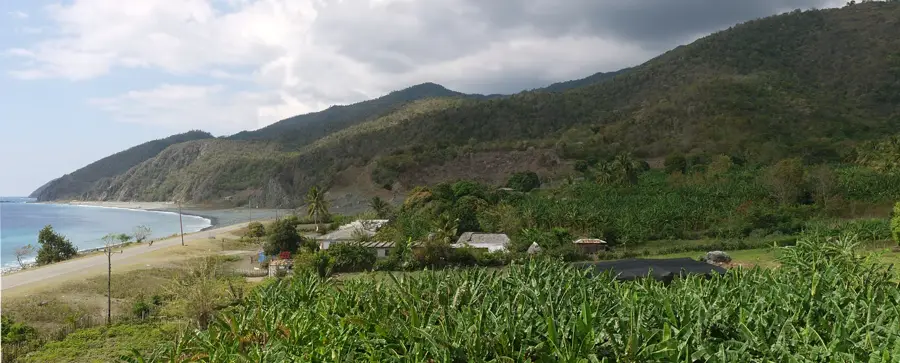
The Zapata Peninsula in Matanzas province is the largest and best-preserved wetland in the Caribbean. This biosphere reserve covers an area of over 4,300 square kilometers and is a paradise for ecotourists and biologists alike. The landscape is characterized by vast marshes, mangrove forests, and lagoons that provide shelter to an incredible diversity of flora and fauna. The peninsula is particularly famous for the Cuban crocodile (Crocodylus rhombifer), an endemic species protected here in specialized breeding farms. Geologically, the Zapata Peninsula consists of a flat karst platform, partially situated below sea level, and features numerous 'cenotes' or underwater caves. Historically, the region became known as the site of the Bay of Pigs invasion (Playa Girón) in 1961, an event of global political significance. Today, the area is internationally recognized as a UNESCO Biosphere Reserve and a Ramsar site. Visitors can explore pristine nature on boat tours in the Laguna del Tesoro or observe the rich birdlife, including the world's smallest bird, the Bee Hummingbird.
Explore on the map
How well do you know Cuba?
Find cities, landscapes and regions in 10 varied challenges on the interactive map.
Your journey, your memory
A postcard from Zapata Peninsula
Turn your own photo into a personal postcard with a local stamp. Free and no sign-up required.
Create a postcard- Location: Cuba
- Nearby: Guamá (8 km)
Best time to visit & climate
The most pleasant time to visit is Jan, Feb, Dec.
| Jan | Feb | Mar | Apr | May | Jun | Jul | Aug | Sep | Oct | Nov | Dec | |
|---|---|---|---|---|---|---|---|---|---|---|---|---|
| Avg °C | 23 | 24 | 25 | 27 | 29 | 29 | 30 | 30 | 29 | 28 | 25 | 24 |
| Rain mm | 12 | 15 | 10 | 18 | 53 | 59 | 54 | 65 | 65 | 61 | 20 | 16 |
📋 Practical info
Geography
Facts
- The peninsula includes the Ciénaga de Zapata National Park.
- It is the largest marshland in the entire Caribbean island region.
- Over 175 bird species, including many endemics, live here.
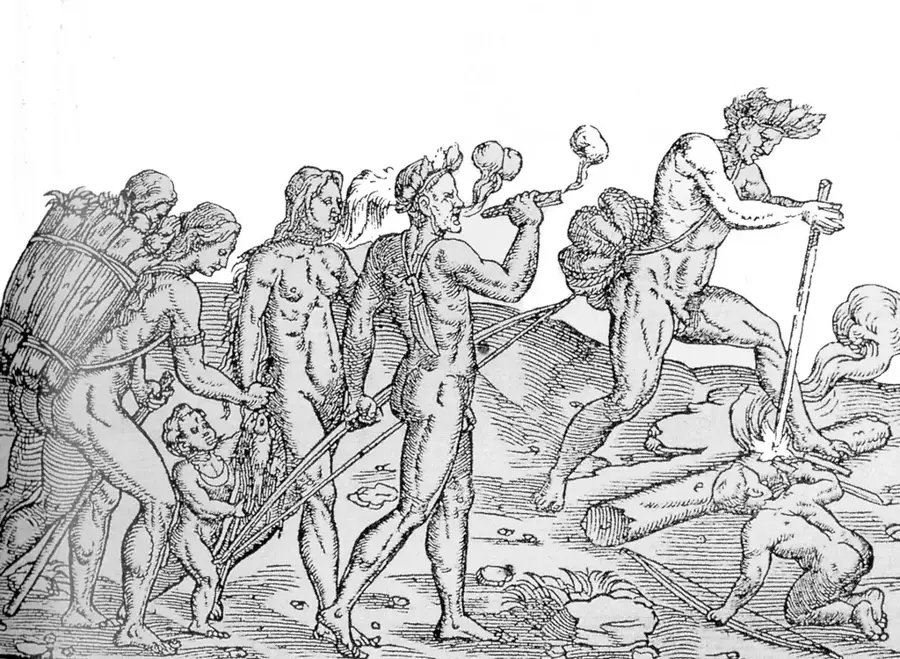
- Laguna del Tesoro is home to the reconstructed Taíno village of Guamá.
- The Bay of Pigs invasion took place here in April 1961.
- The depth of the cenotes reaches over 70 meters in some locations.
Explore nearby
Notable places around


Route planner — Car & Motorhome
Where do you start? We build the route here, with stops and country notes along the way.
© OpenStreetMap contributors · OpenRouteService
Sights nearby
Frequently asked questions
What is the Zapata Peninsula?
Which animals are particularly famous here?
What can you do in Guamá?
Are there beaches there?
Is mosquito repellent necessary?
Zapata Peninsula: where is it located?
Zapata Peninsula: when is the best time to visit?
Zapata Peninsula: why is it worth visiting?

Nearby cities
Nature
More places