Plizio Visual Lab
Jovellanos
ℹ️Practical info — Jovellanos
▾
🌤 Weather — 5 days
📍 Nearby
Sights nearby
💡 Tips
- Horse-drawn carriages are a practical and authentic way to navigate the streets of this town.
- Bring plenty of cash (Cuban Pesos - CUP), as credit cards are virtually useless in small towns.
- Wi-Fi is typically only accessible in designated public squares (like Parque Central) using ETECSA scratch cards.
- Stick to bottled or purified water and avoid ice from informal street vendors.
🍽 Food
Delicious roast pork best experienced at a local privately owned restaurant (paladar).
Freshly pressed sugarcane juice from street vendors, very fitting for this sugar-industry hub.
Strong, sweet, and readily available at small street-side windows (ventanitas).
🛍 Shopping · 🧘 Quiet spots
The local farmers' market is great for fresh tropical fruits like mangoes and guavas.
Keep an eye out for small stalls selling handmade souvenirs or local cigars.
The leafy central park is a great shaded spot to relax and observe daily Cuban life.
The edges of the town near the sugarcane fields offer peaceful country walks.
Water temperature…
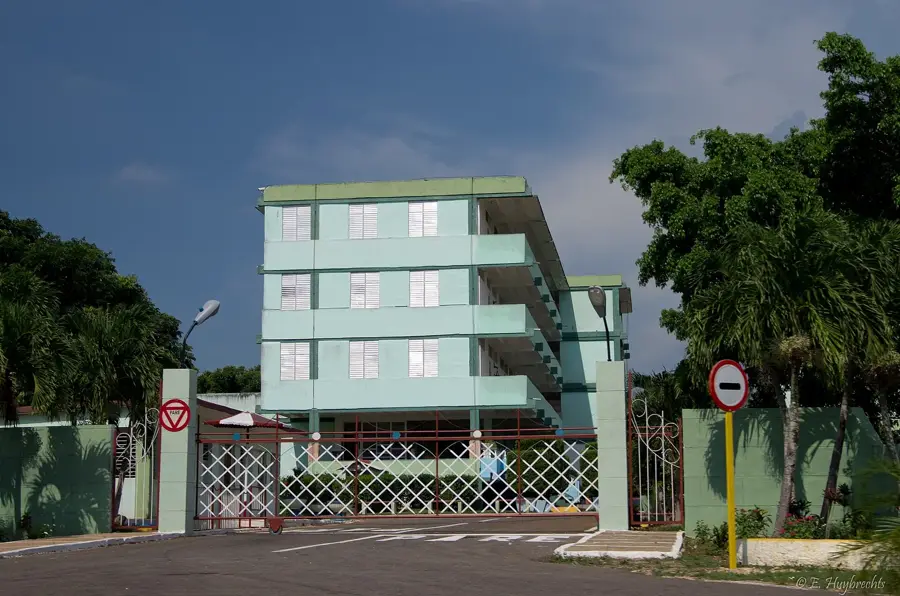
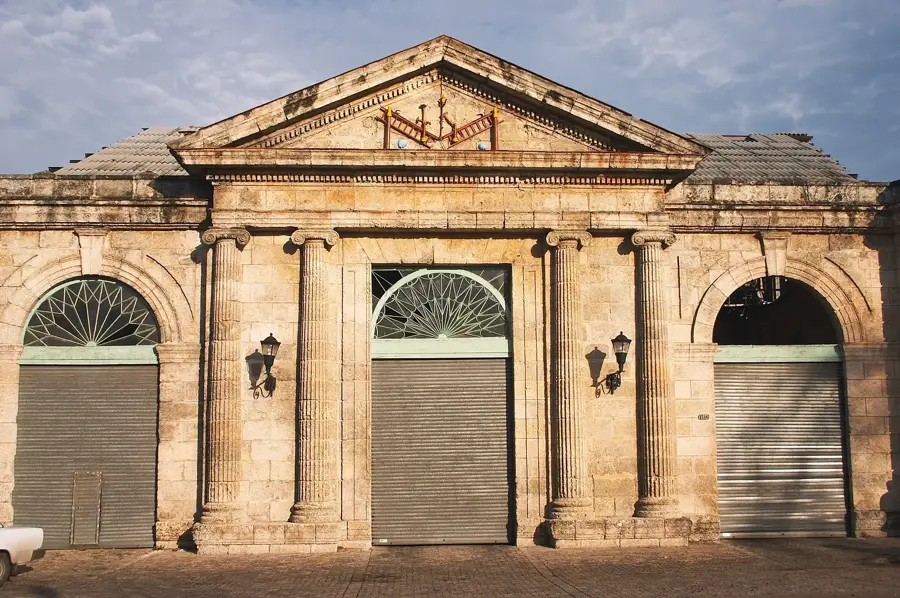
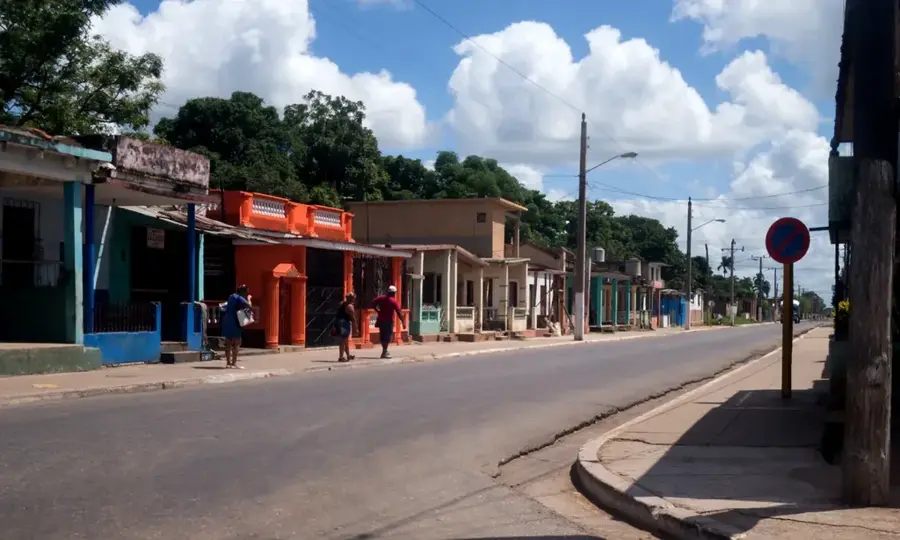
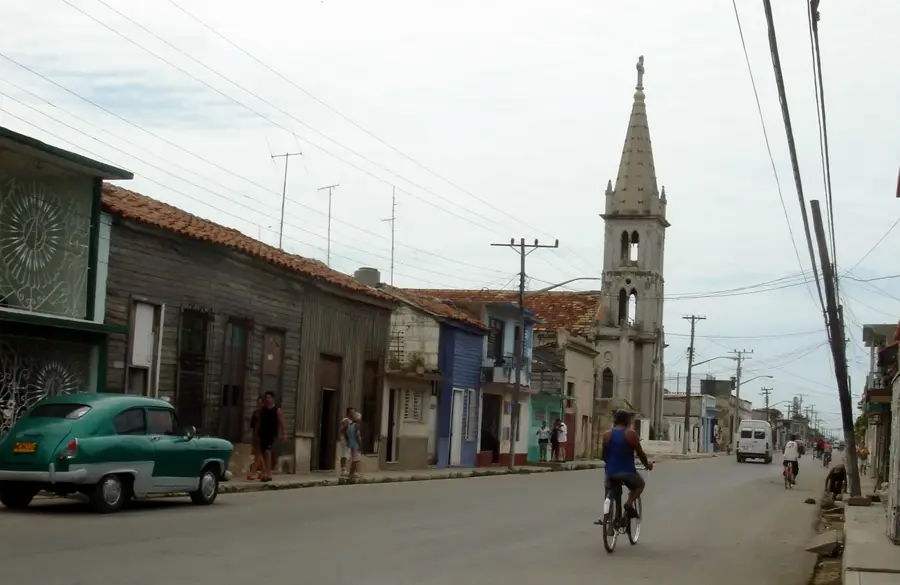
Jovellanos is a significant industrial and transportation center in the province of Matanzas in central-western Cuba. Founded in the 19th century and originally known as Bemba, the city owes its growth to the expanding sugar industry and its strategic location on the Cuban railway network. Today, Jovellanos is a major hub for freight transport and hosts enterprises for processing agricultural products as well as workshops for the railway industry. The surrounding area is characterized by vast sugarcane fields, making the city a central player in the regional agricultural economy. Architecturally, Jovellanos presents a typical Cuban small-town image, with neoclassical influences in the older districts and functional expansions from the mid-20th century. Culturally, the city is known for its bustling music scene and the promotion of local talent, while being closely linked to the history of the labor movement in the sugar industry. Its naming after the Spanish Enlightenment thinker Gaspar Melchor de Jovellanos reflects the 19th-century desire for modernization and education.
Explore on the map
How well do you know Cuba?
Find cities, landscapes and regions in 10 varied challenges on the interactive map.
Your journey, your memory
A postcard from Jovellanos
Turn your own photo into a personal postcard with a local stamp. Free and no sign-up required.
Create a postcard- Location: Cuba
- Nearby: Perico (19 km)
- Population: ~47.164 (2023)
Best time to visit & climate
The most pleasant time to visit is Jan, Feb, Dec.
| Jan | Feb | Mar | Apr | May | Jun | Jul | Aug | Sep | Oct | Nov | Dec | |
|---|---|---|---|---|---|---|---|---|---|---|---|---|
| Avg °C | 23 | 24 | 25 | 27 | 28 | 29 | 29 | 30 | 29 | 28 | 25 | 24 |
| Rain mm | 16 | 20 | 12 | 23 | 65 | 76 | 68 | 77 | 78 | 70 | 34 | 20 |
Geography
Facts
- The settlement received its current name Jovellanos in 1870.
- The town was officially recognized as a settlement on September 1, 1849.
- Jovellanos is located directly on the Havana-Santiago de Cuba railway line.
- The local history museum highlights the city's role in railway construction.
- The municipality covers an area of approximately 505 square kilometers.
- A significant sugarcane experimental station is located in Jovellanos.
Explore nearby
Notable places around
Route planner — Car & Motorhome
Where do you start? We build the route here, with stops and country notes along the way.
© OpenStreetMap contributors · OpenRouteService
Frequently asked questions
In which province is Jovellanos located?
What was the city's former name?
What is the main industry?
Is Jovellanos a transport hub?
What can you visit there?
Jovellanos: where is it located?
Jovellanos: when is the best time to visit?
Jovellanos: why is it worth visiting?

Nearby cities
Nature
More places