Plizio Visual Lab
Gallo Pinto Tradition
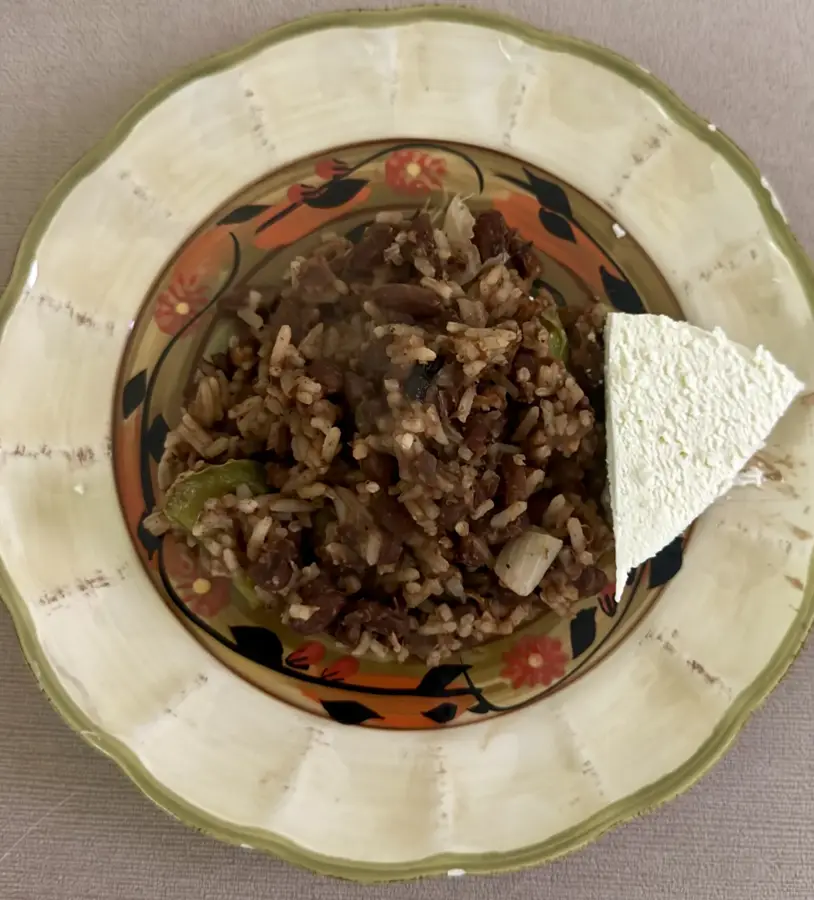
Gallo Pinto is the national dish of Costa Rica and an essential staple of the local diet. The dish consists of rice and black beans sautéed together with onions, bell peppers, garlic, and cilantro. A defining ingredient for its authentic flavor is Salsa Lizano, a savory and slightly sweet sauce ubiquitous in Costa Rican households. Historically, the dish has roots in Afro-Caribbean culture and became widely integrated into the national identity during the 19th century. The name literally translates to "spotted rooster," referring to the speckled appearance of the rice when mixed with dark beans. It is traditionally served for breakfast, often accompanied by fried eggs, plantains, tortillas, and natilla, a local variety of sour cream. Today, Gallo Pinto stands as a culinary symbol of the Costa Rican "Pura Vida" lifestyle and cultural heritage.
Explore on the map
How well do you know Costa Rica?
Find cities, landscapes and regions in 10 varied challenges on the interactive map.
Your journey, your memory
A postcard from Gallo Pinto Tradition
Turn your own photo into a personal postcard with a local stamp. Free and no sign-up required.
Create a postcard- Location: Costa Rica
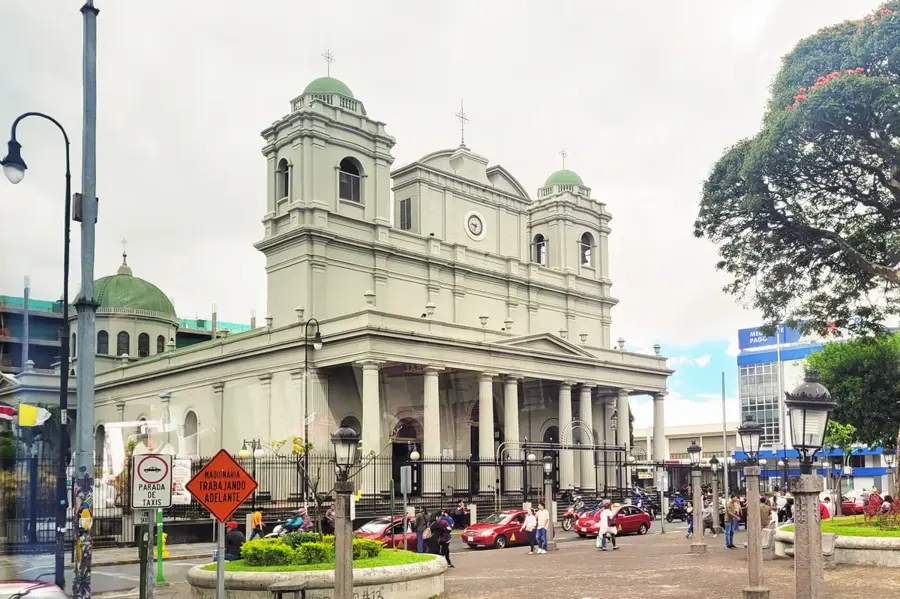
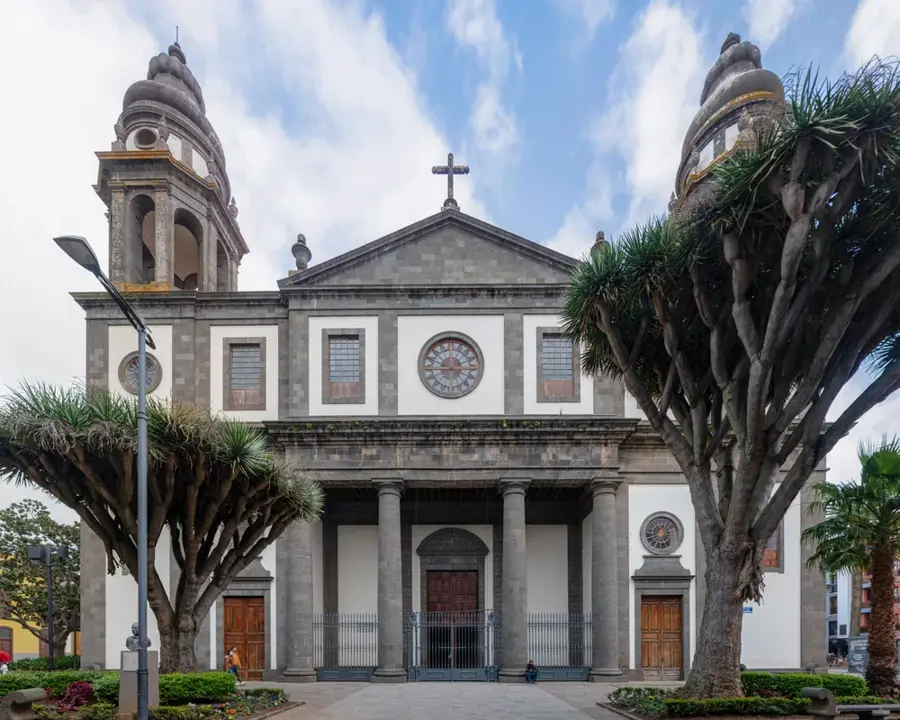
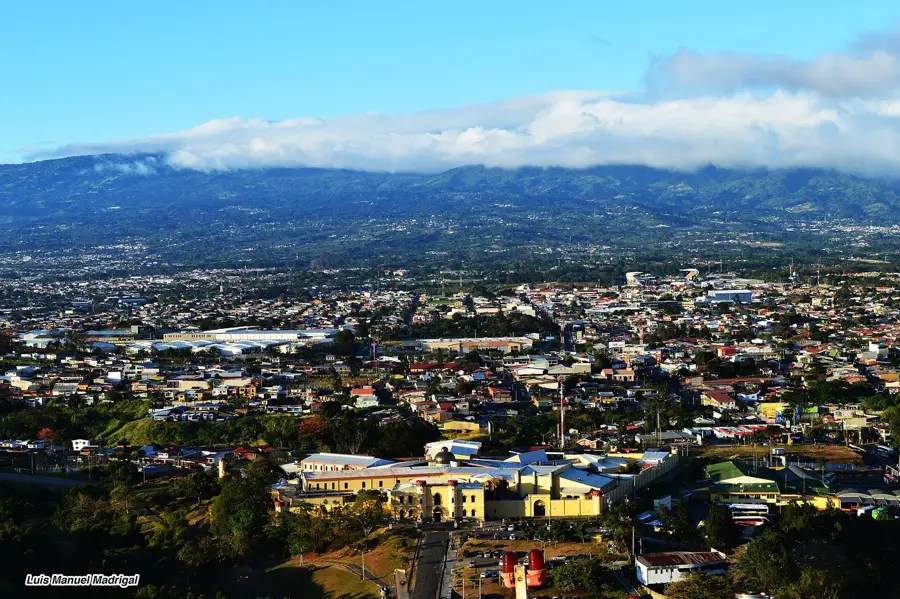
- Highlights: San José, Costa Rica · Women's Club of Costa Rica · Metropolitan Cathedral of San José
- Nearby: Santo Domingo (4 km)
Best time to visit & climate
The most pleasant time to visit is Feb–Apr.
| Jan | Feb | Mar | Apr | May | Jun | Jul | Aug | Sep | Oct | Nov | Dec | |
|---|---|---|---|---|---|---|---|---|---|---|---|---|
| Avg °C | 19 | 19 | 20 | 21 | 21 | 21 | 20 | 21 | 21 | 20 | 20 | 20 |
| Rain mm | 119 | 70 | 76 | 117 | 243 | 239 | 253 | 214 | 231 | 285 | 258 | 162 |
📋 Practical info
Geography
Facts
- Costa Ricans use black beans, while Nicaraguans typically use red beans.
- The essential Salsa Lizano was first developed in Costa Rica in 1920.
- The name translates to "spotted rooster" due to its colorful appearance.
- It is often made using leftover rice and beans from the previous day.
- Nutritionally, it is ranked as one of the healthiest breakfasts globally.
- The dish is a focal point of celebrations on Independence Day, Sept 15.
Explore nearby
Notable places around

Route planner — Car & Motorhome
Where do you start? We build the route here, with stops and country notes along the way.
© OpenStreetMap contributors · OpenRouteService
Sights in the town Gallo Pinto Tradition (3)
Sights nearby
Frequently asked questions
What is Gallo Pinto?
When is it usually eaten?
What does the name mean?
Which sauce is crucial for the taste?
Are there regional differences?
Gallo Pinto Tradition: where is it located?
Gallo Pinto Tradition: what is there to see?
Gallo Pinto Tradition: when is the best time to visit?
Gallo Pinto Tradition: why is it worth visiting?

Nearby cities







History & landmarks

More places