Plizio Visual Lab
Cascabulho

ℹ️Practical info — Cascabulho
▾
🌤 Weather — 5 days
📍 Nearby
Sights nearby
💡 Tips
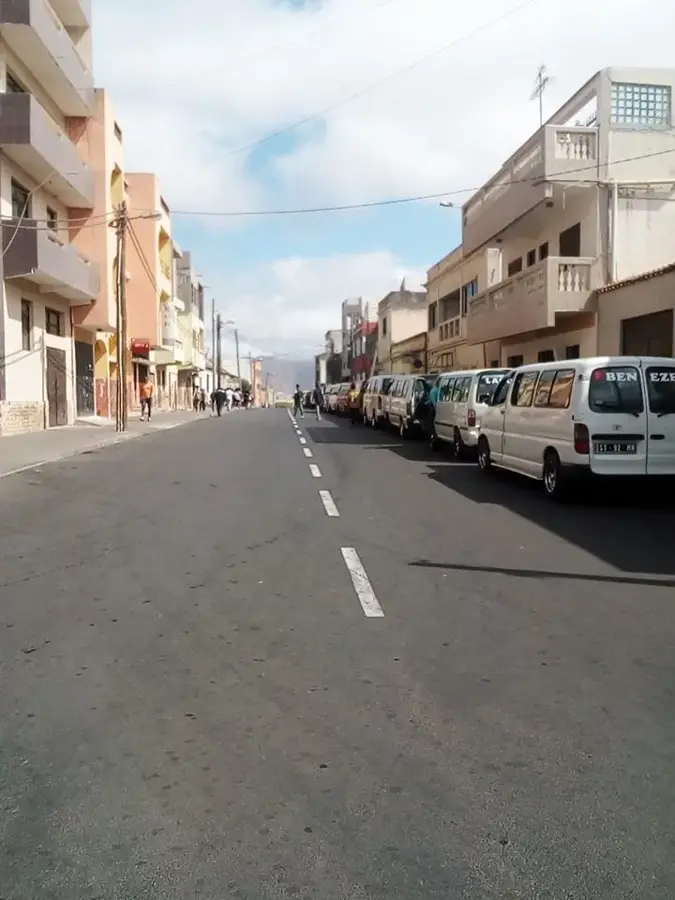
- Transport is limited to 'aluguers' (shared vans); ask your host to arrange one for you in advance.
- Bring plenty of cash with you, as ATMs are practically non-existent in this small settlement.
- Embrace 'morabeza' (Cape Verdean hospitality) and expect a very slow, relaxed pace of life.
- If you plan to hike out to the local salt flats, carry abundant water supplies.
🍽 Food
A traditional corn and bean slow-cooked stew, usually prepared upon request at guesthouses.
Grilled fish straight from the ocean; ask around the village to see who is cooking.
Locally produced goat cheese, available directly from nearby farmers.
🛍 Shopping · 🧘 Quiet spots
Hand-harvested salt sourced directly from the nearby salinas.
Snacks and drinks from the small village 'mercadinho'.
The expansive, untouched salt flats and dunes north of the settlement.
Completely empty, wild shorelines first-rate for uninterrupted walks.
Water temperature…
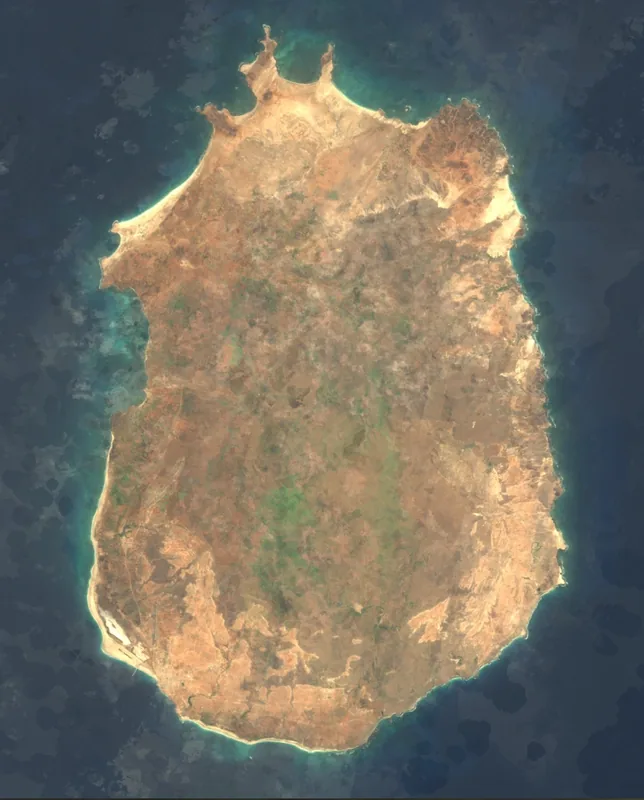
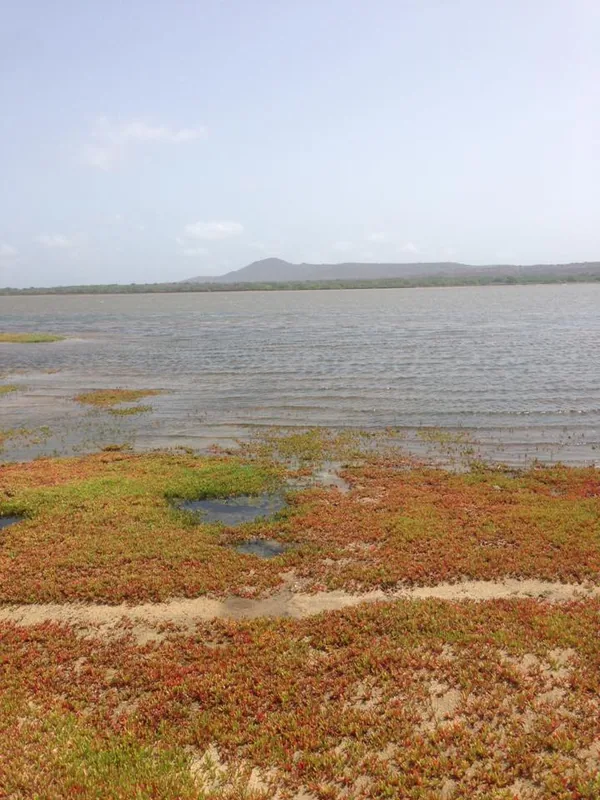
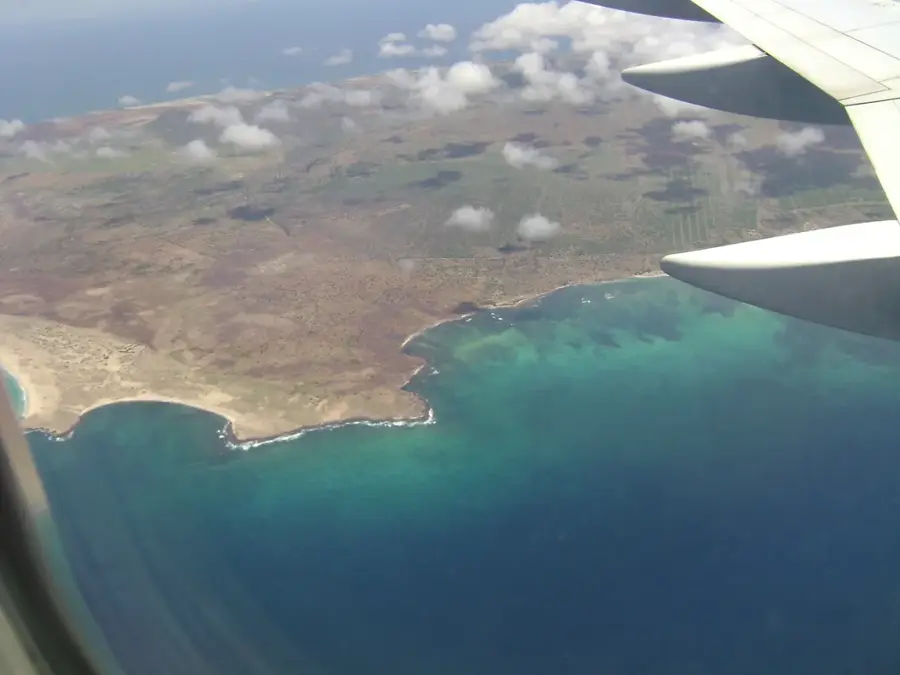
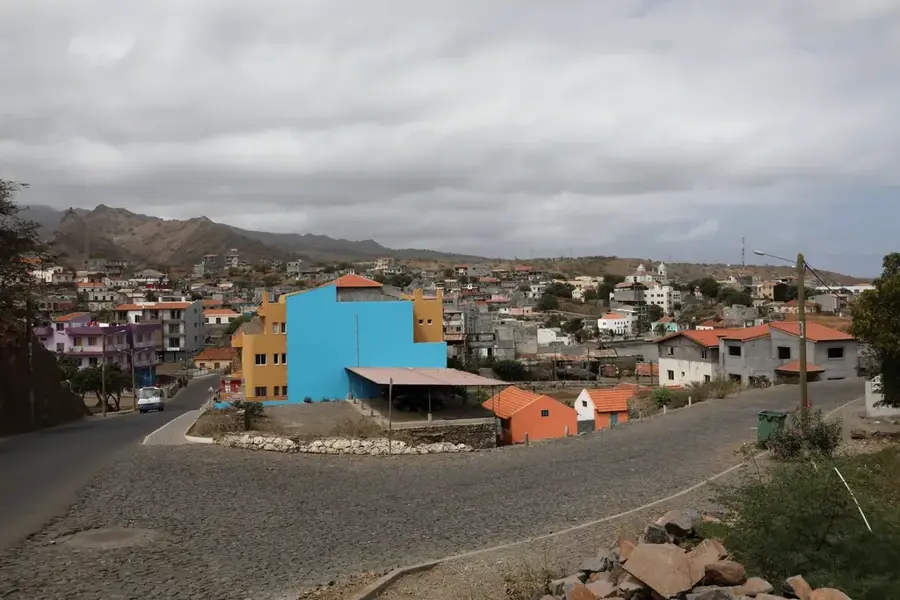
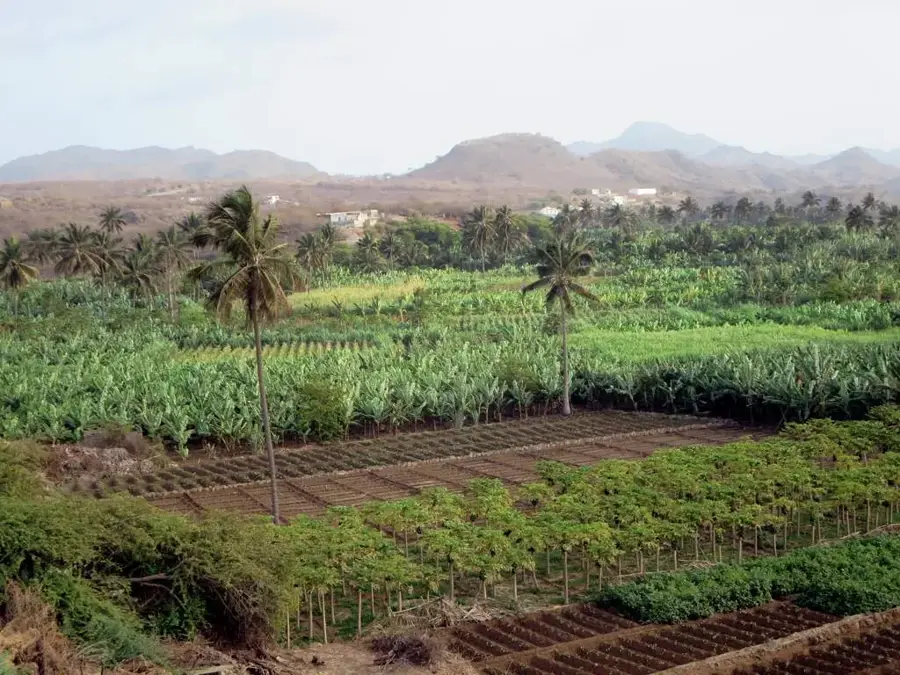
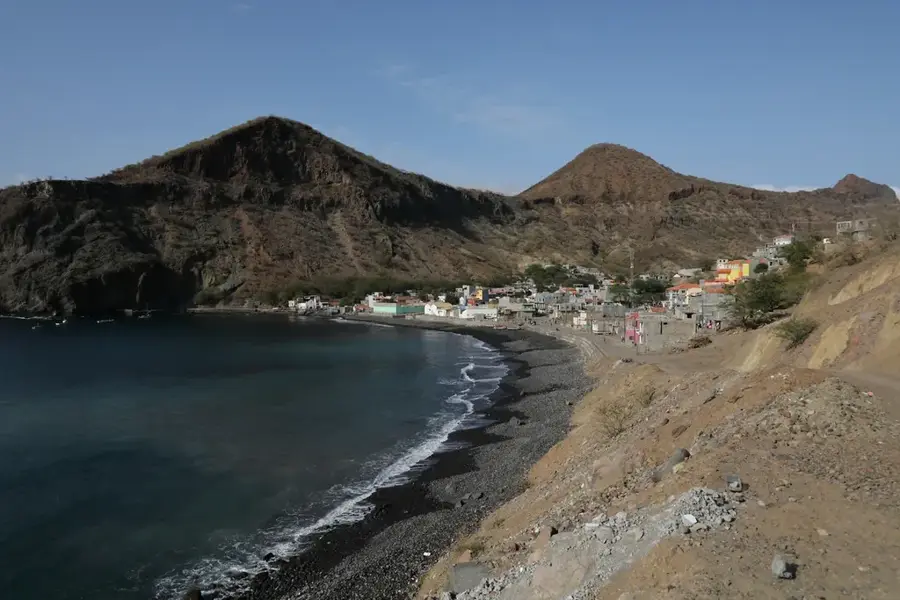
Cascabulho is a remote settlement located in the northern part of Maio island, celebrated for its rugged beauty and traditional Cape Verdean lifestyle. The village is situated within a vast, semi-desert plain that borders the pristine northern stretches of the Atlantic coast. Due to its isolated location, the inhabitants have developed a high degree of self-sufficiency, with livestock rearing, particularly goats and cattle, and small-scale farming serving as the core economic activities. The landscape surrounding Cascabulho is dominated by expansive acacia groves and volcanic formations that provide a striking natural panorama. The village architecture is functional, featuring simple stone houses often painted in spirited hues to withstand the harsh, dry climate. In recent years, the area has gained significance for eco-tourism due to its proximity to protected natural reserves and the turtle nesting sites along the northern shore. Cascabulho embodies the wild, untamed side of Maio island, maintaining a pace of life that remains deeply connected to the natural elements.
Explore on the map
How well do you know Cape Verde?
Find cities, landscapes and regions in 10 varied challenges on the interactive map.
Your journey, your memory
A postcard from Cascabulho
Turn your own photo into a personal postcard with a local stamp. Free and no sign-up required.
Create a postcard- Location: Cape Verde
- Nearby: Figueira da Horta (6 km)
Best time to visit & climate
The most pleasant time to visit is Feb–Apr.
| Jan | Feb | Mar | Apr | May | Jun | Jul | Aug | Sep | Oct | Nov | Dec | |
|---|---|---|---|---|---|---|---|---|---|---|---|---|
| Avg °C | 23 | 22 | 22 | 22 | 23 | 24 | 25 | 27 | 27 | 27 | 26 | 24 |
| Rain mm | 25 | 17 | 12 | 4 | 3 | 4 | 13 | 59 | 85 | 49 | 36 | 29 |
Geography
Facts
- Cascabulho is situated in the remote north of Maio island.
- Goat farming is one of the primary sources of income.
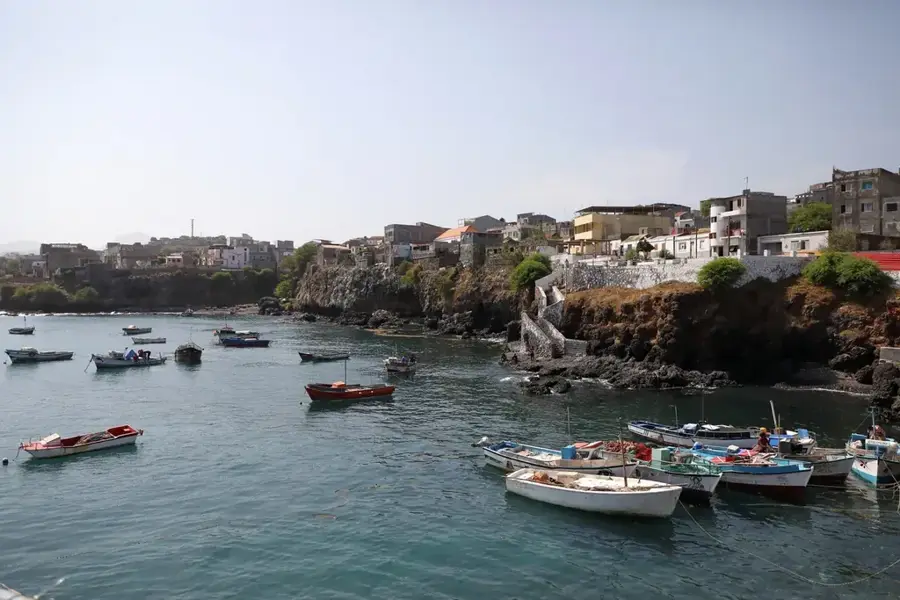
- The village borders untouched stretches of the Atlantic coast.
- Important sea turtle nesting sites are located nearby.
- The region is characterized by extensive acacia groves.
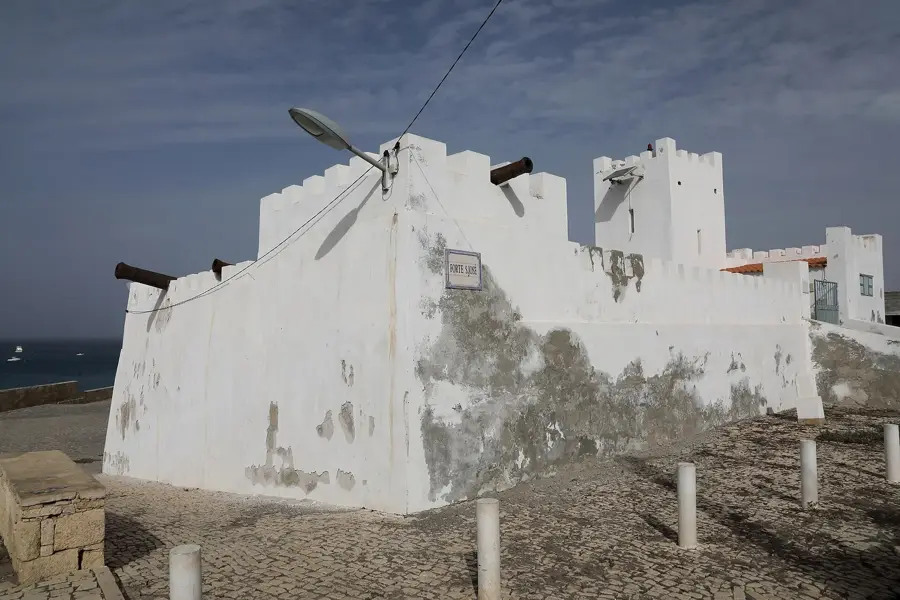
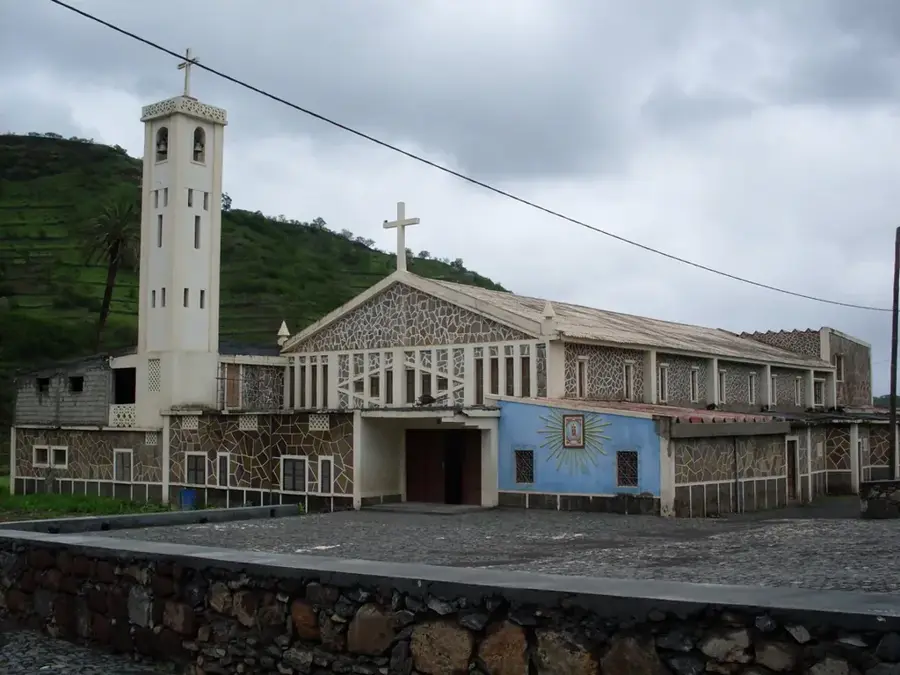
- Traditional stone houses are the hallmark of the village.
Explore nearby
Notable places around
Route planner — Car & Motorhome
Where do you start? We build the route here, with stops and country notes along the way.
© OpenStreetMap contributors · OpenRouteService
Frequently asked questions
Where is Cascabulho located?
What is Cascabulho known for?
Can you buy pottery there?
What is the landscape around Cascabulho like?
Are there hotels there?
Cascabulho: where is it located?
Cascabulho: when is the best time to visit?
Cascabulho: why is it worth visiting?

Nearby cities
History & landmarks
More places