Plizio Visual Lab
Saint-Hyacinthe
ℹ️Practical info — Saint-Hyacinthe
▾
🌤 Weather — 5 days
📍 Nearby
Sights nearby
💡 Tips
- Known as the agrifood capital of Quebec; visiting the food markets is a must.
- The 1555 Marché public is one of the oldest in the province, excellent for a morning visit.
- Being a university town, it has a lively yet laid-back atmosphere, especially around the centre.
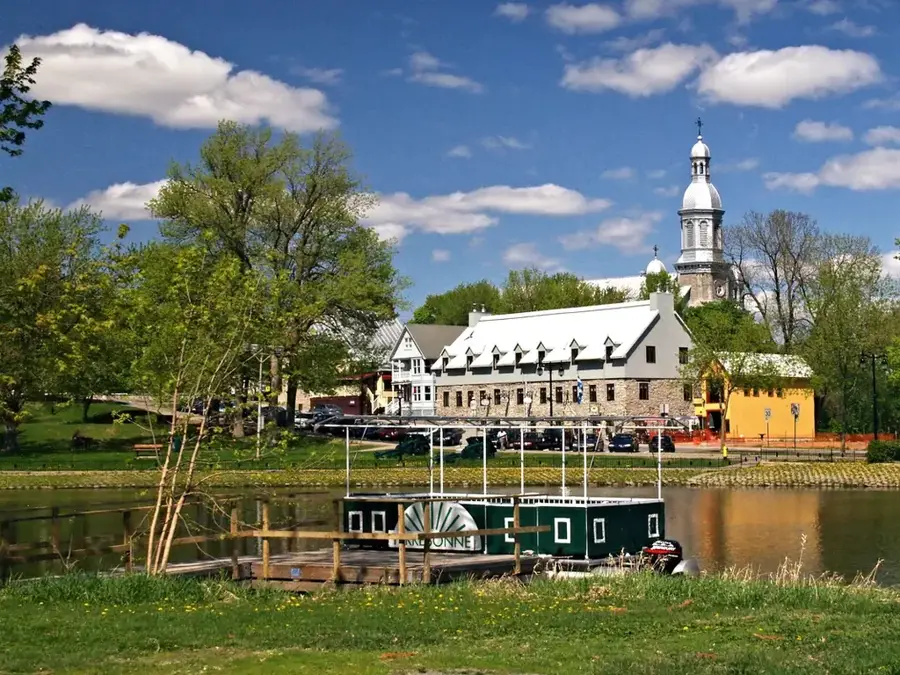
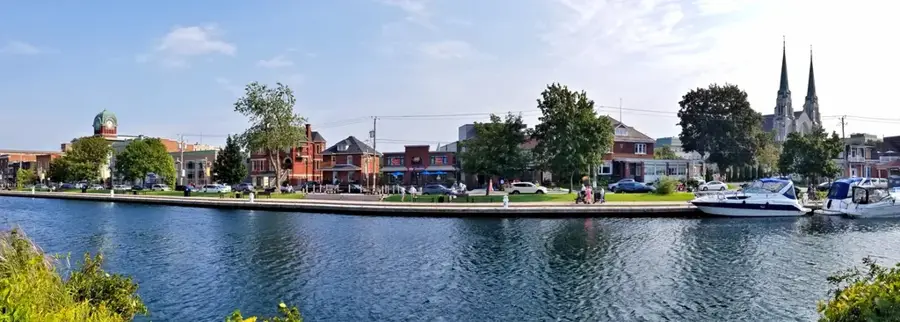
- Walking or cycling along the Yamaska River provides excellent views and photo opportunities.
🍽 Food
Sample excellent regional cheeses at the 1555 Marché public.
Many bistros in the downtown area feature fresh, local ingredients.
The local craft beer scene is growing; look for spots on Rue des Cascades.
🛍 Shopping · 🧘 Quiet spots
Buy fresh meats, pastries, and local goods directly from producers.
Stroll along Rue des Cascades for independent shops and cafes.
A lovely, peaceful walking path right alongside the Yamaska River.
Great for hiking in the summer and cross-country skiing in the winter.
Water temperature…
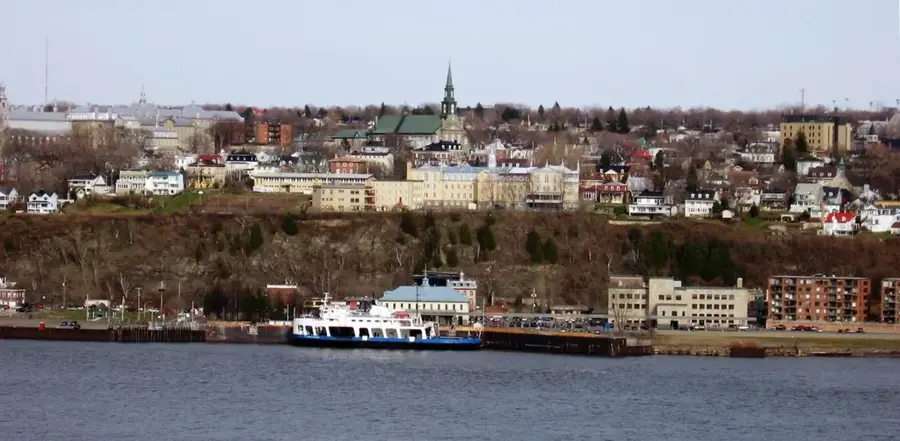
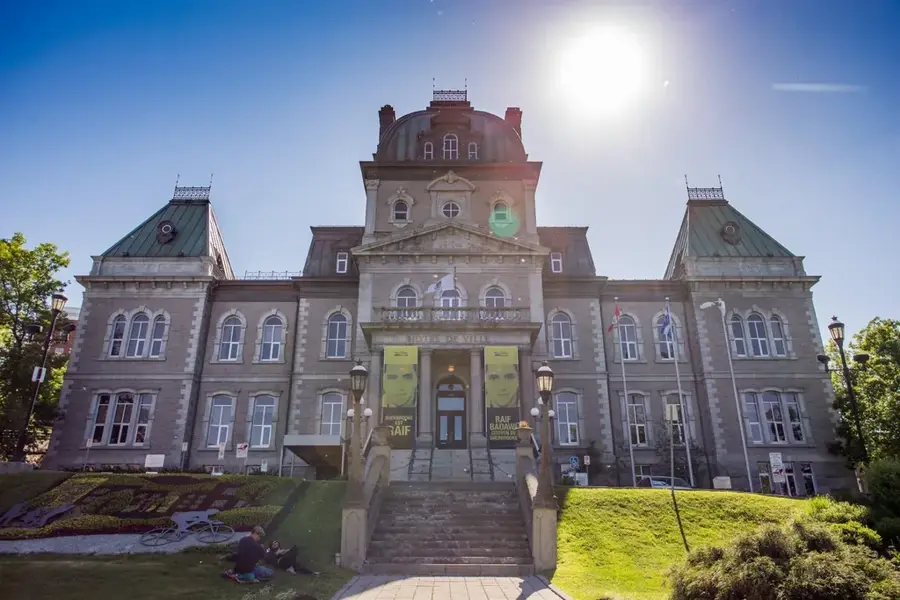
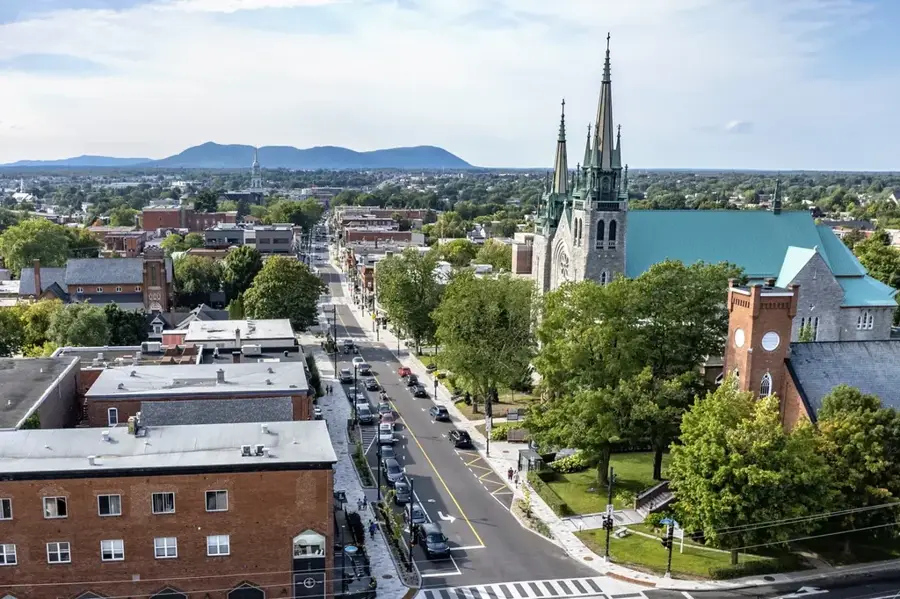
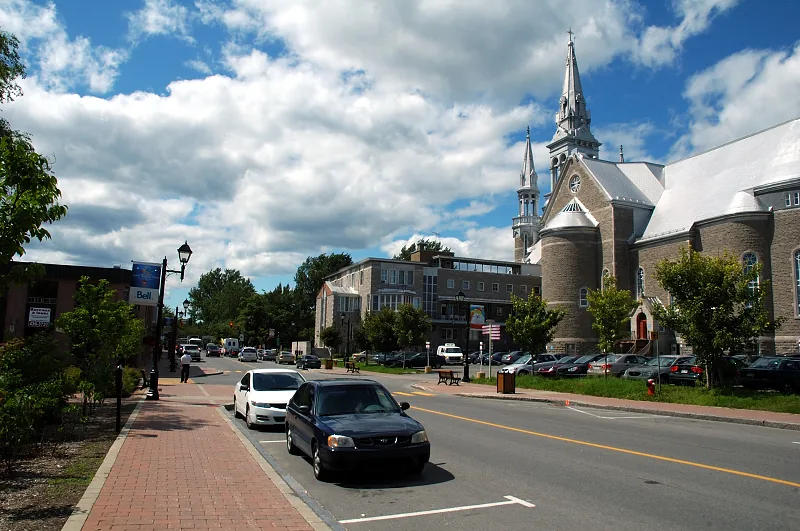
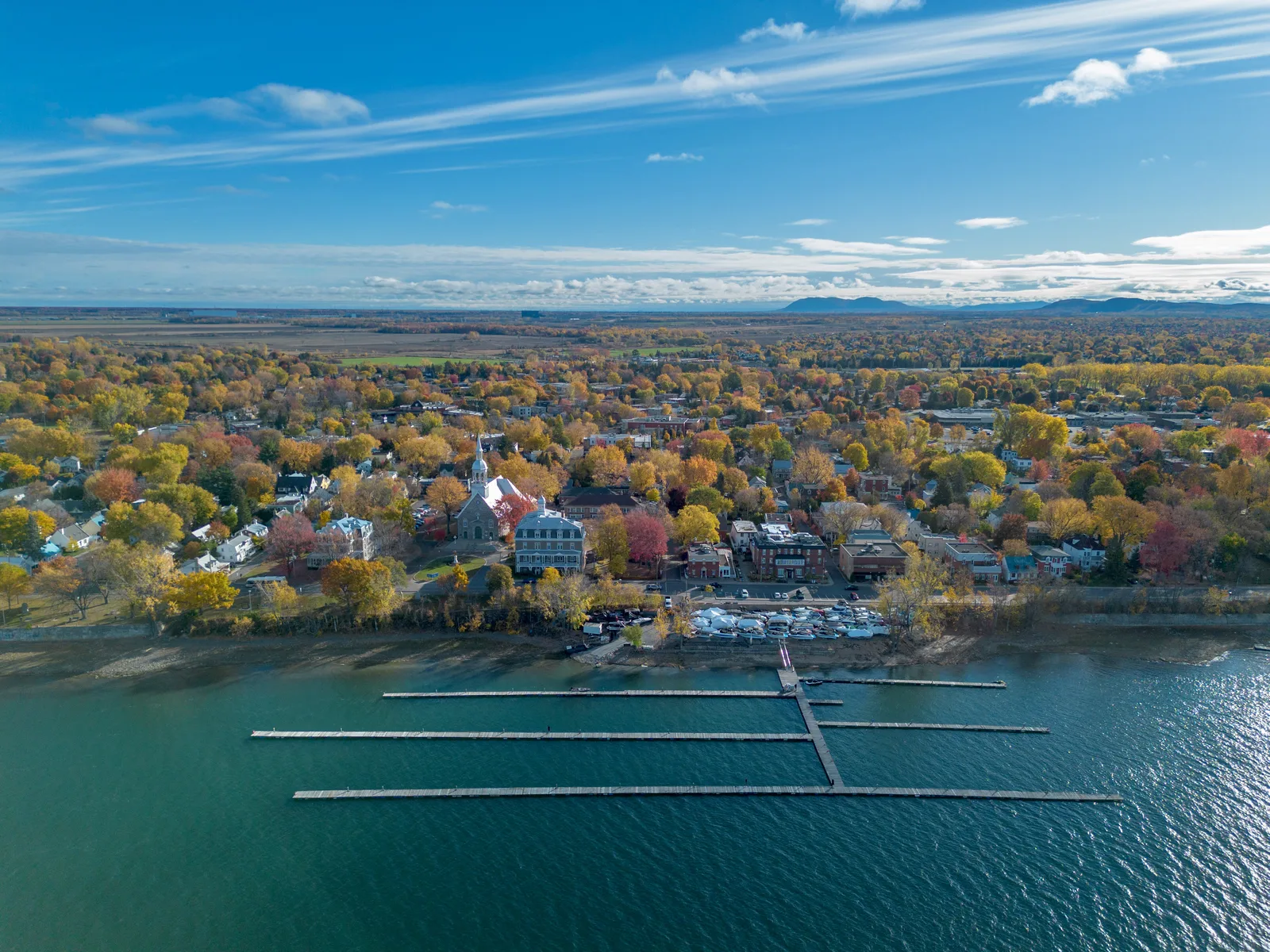
Saint-Hyacinthe is a historically and economically prominent city in the Montérégie region of Quebec, located along the Yamaska River. Founded in 1757, the city has earned the title of the 'Agricultural Capital of Quebec,' supported by a dense concentration of research centers and businesses specializing in the agri-food sector. It is home to the province's only faculty of veterinary medicine, part of the Université de Montréal, alongside various specialized agricultural institutes. Geographically, Saint-Hyacinthe is situated in one of Canada's most fertile plains, which has dictated its economic trajectory for centuries. The historic heart of the city features the 'Marché Public,' one of the oldest public markets in Quebec, which has been in continuous operation since 1830. Saint-Hyacinthe also serves as a hub for the textile and food processing industries, benefiting from its historical position on the rail line between Montreal and Portland. The city successfully integrates its deep-rooted industrial heritage with a modern academic and scientific environment.
Explore on the map
How well do you know Canada?
Find cities, landscapes and regions in 10 varied challenges on the interactive map.
Your journey, your memory
A postcard from Saint-Hyacinthe
Turn your own photo into a personal postcard with a local stamp. Free and no sign-up required.
Create a postcard- Location: Canada
- Highlights: Salle Desjardins · Espace Maskoutain · Parc des Loisirs La Providence
- Nearby: Granby (29 km)
- Population: ~50.326 (2026)
Best time to visit & climate
The most pleasant time to visit is Jun–Aug.
| Jan | Feb | Mar | Apr | May | Jun | Jul | Aug | Sep | Oct | Nov | Dec | |
|---|---|---|---|---|---|---|---|---|---|---|---|---|
| Avg °C | -11 | -9 | -3 | 5 | 13 | 18 | 21 | 20 | 16 | 9 | 2 | -6 |
| Rain mm | 66 | 64 | 73 | 92 | 95 | 112 | 101 | 103 | 88 | 115 | 79 | 92 |
Geography
Facts
- Saint-Hyacinthe was originally founded in 1757.
- The 'Marché Public' building was constructed in 1830 and remains in use today.
- The city hosts the only veterinary medicine faculty in the province of Quebec.
- It was officially designated as the 'Agricultural Capital' in 1993.
- The Yamaska River flows through the center of the city.
- The total land area of Saint-Hyacinthe is approximately 188.70 square kilometers.
Explore nearby
Notable places around
Route planner — Car & Motorhome
Where do you start? We build the route here, with stops and country notes along the way.
© OpenStreetMap contributors · OpenRouteService
Sights in the town Saint-Hyacinthe (10)
Frequently asked questions
What is Saint-Hyacinthe known for?
Is the public market worth a visit?
What is the Daniel A. Séguin Garden?
Are there cultural events?
How far is it to Montreal?
Saint-Hyacinthe: where is it located?
Saint-Hyacinthe: what is there to see?
Saint-Hyacinthe: when is the best time to visit?
Saint-Hyacinthe: why is it worth visiting?

Nearby cities