Plizio Visual Lab
Red Bay Basque Whaling Station
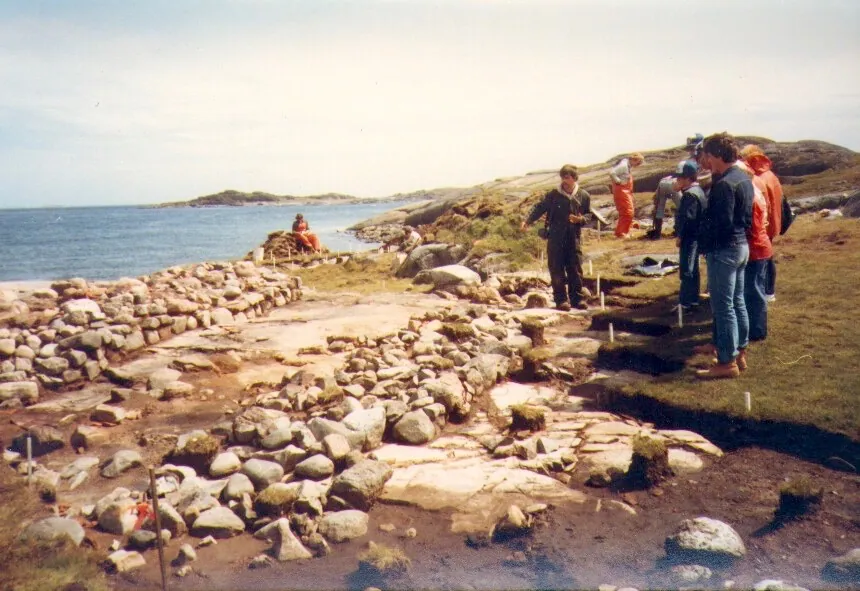
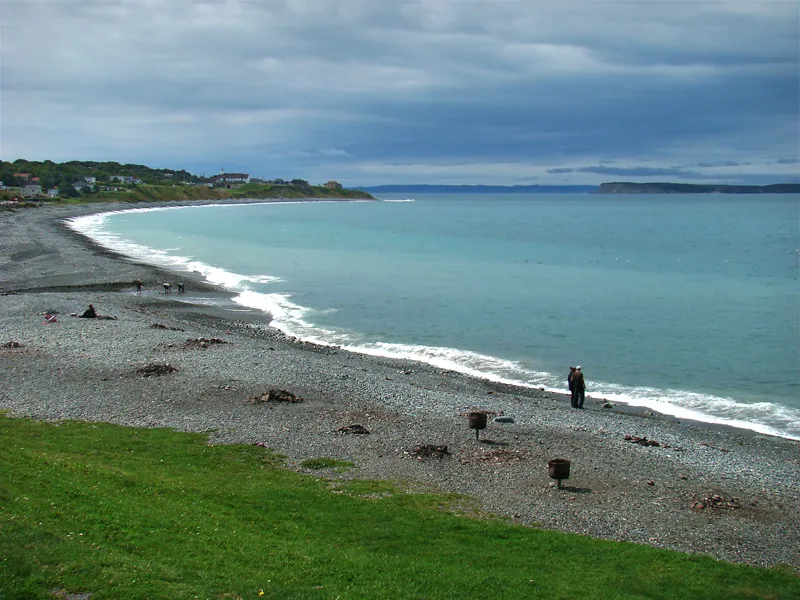
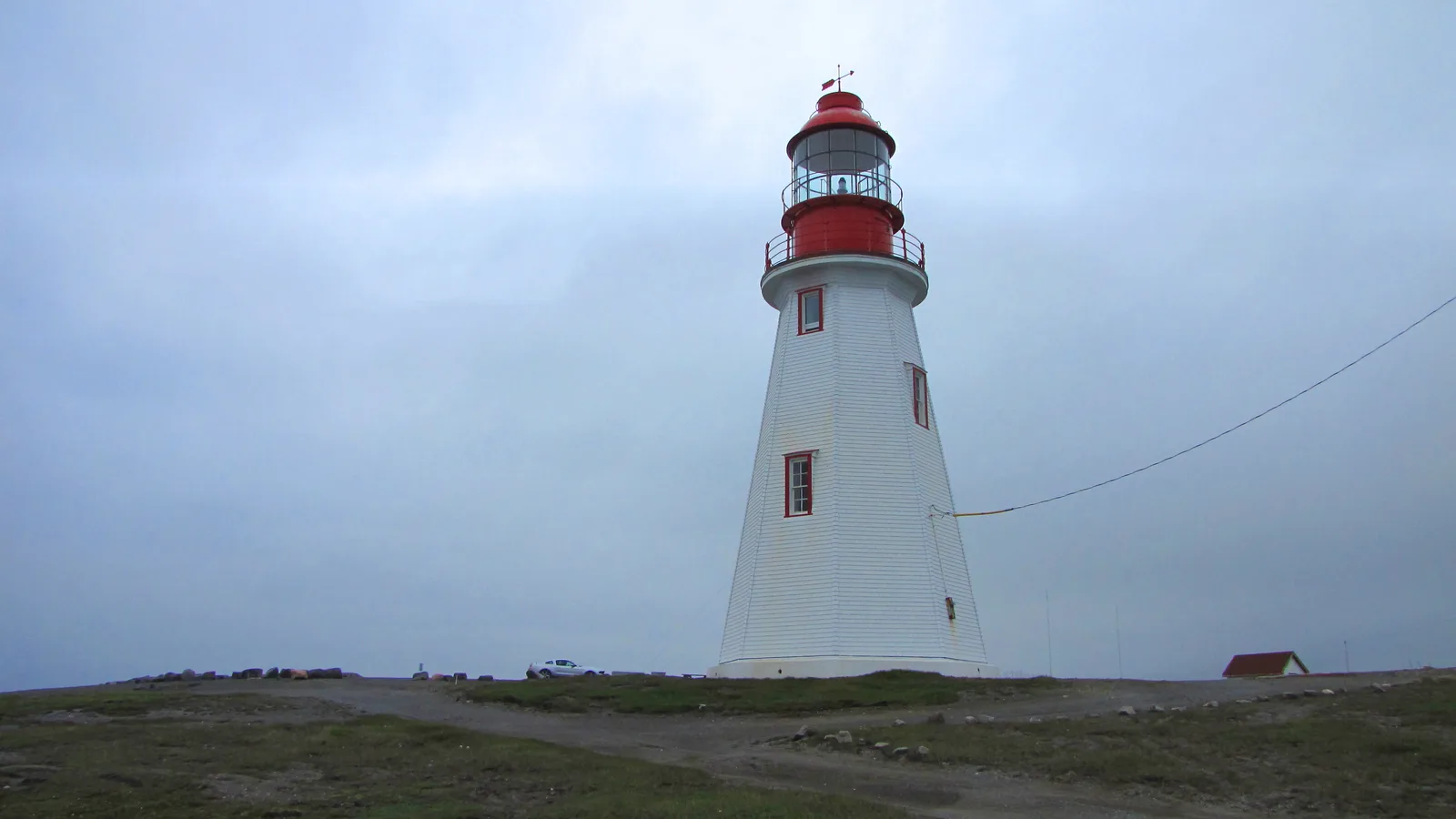
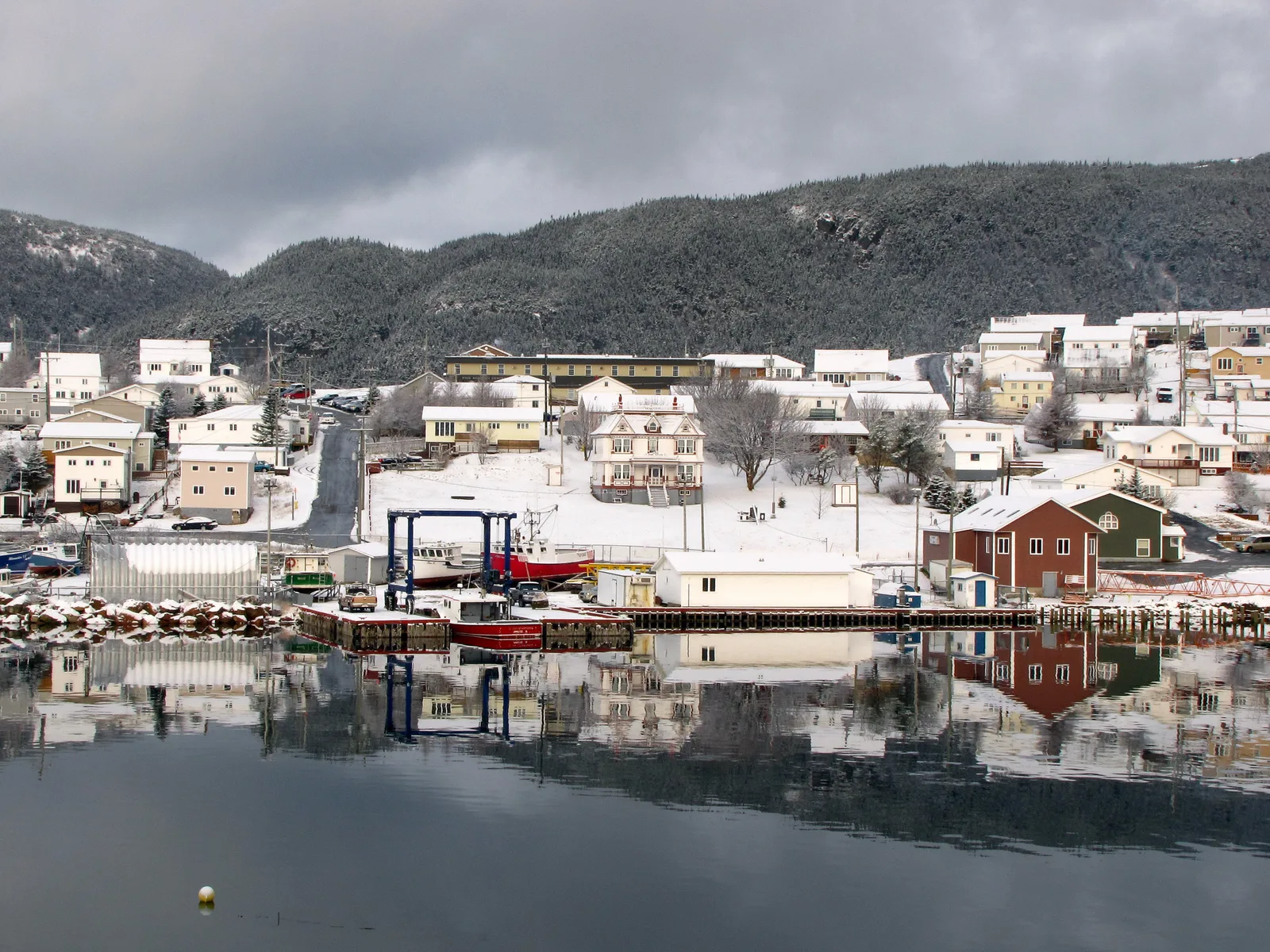
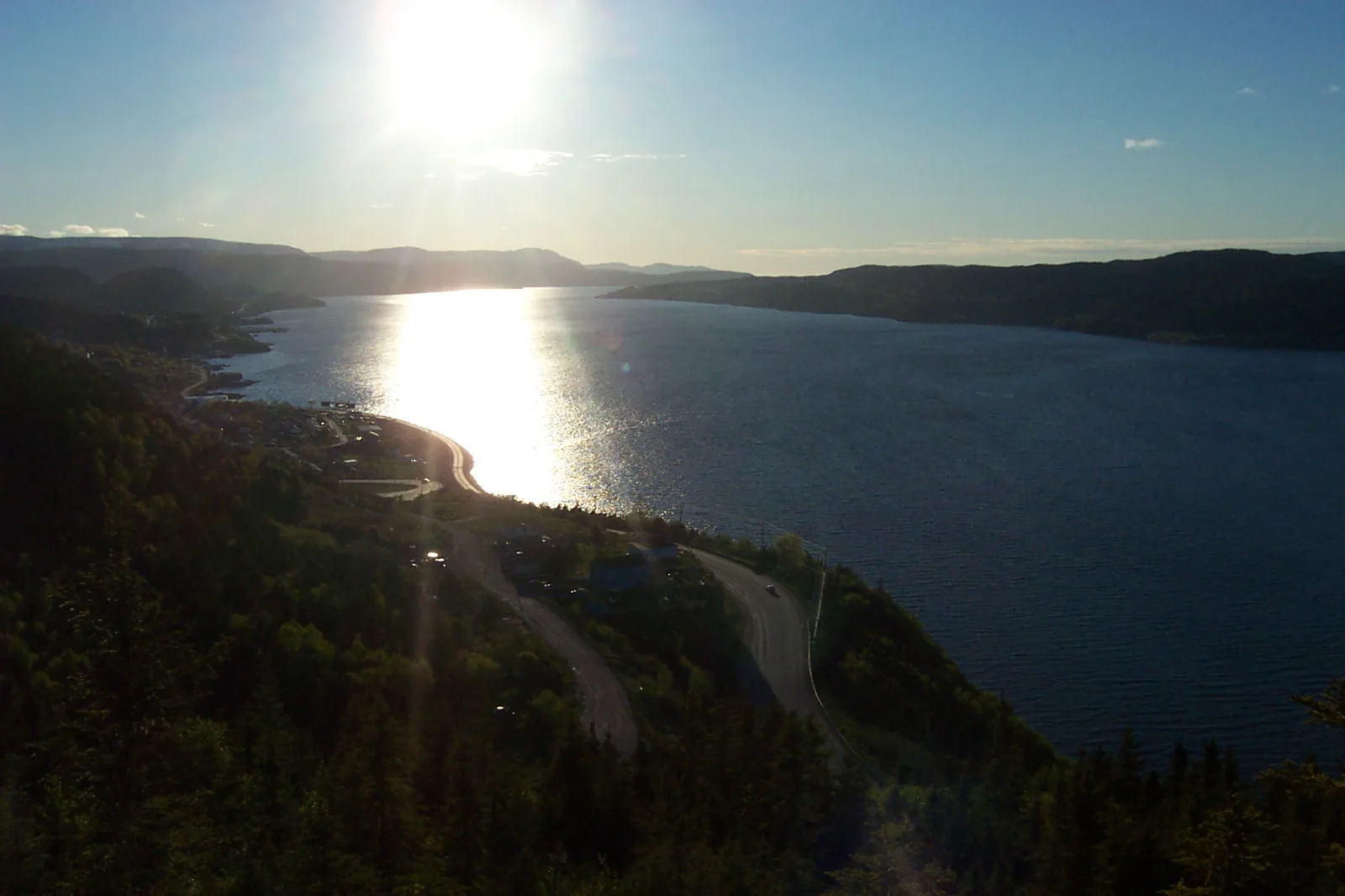
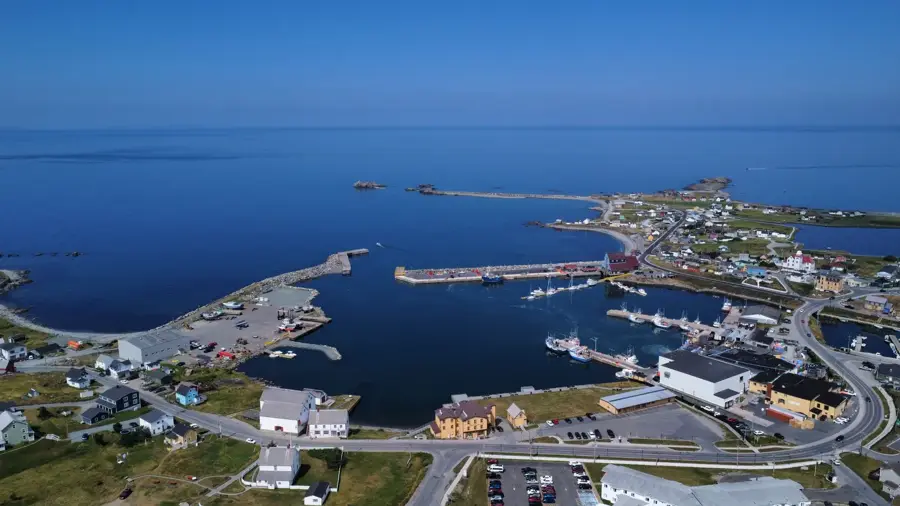
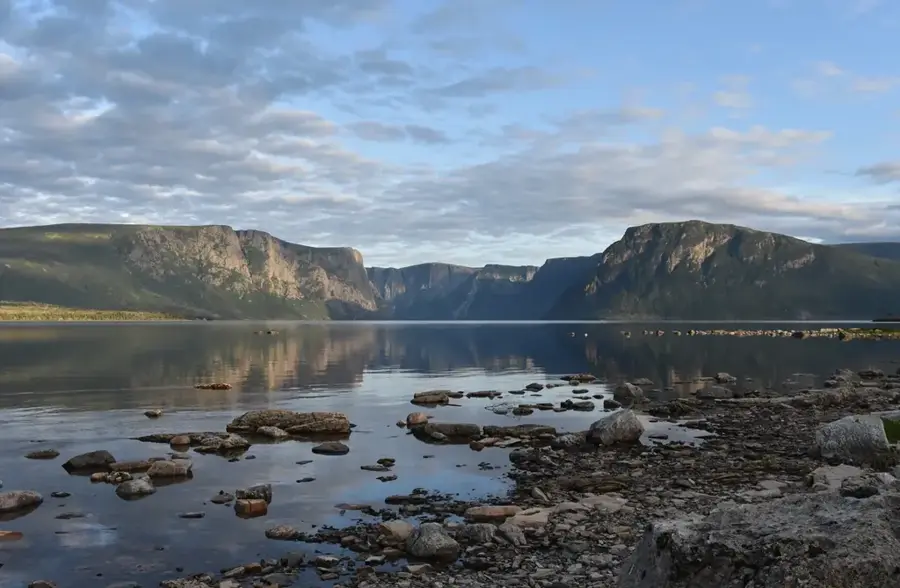
Red Bay, located on the coast of Labrador, was the world's largest and most significant industrial whaling center in the 16th century. Between 1530 and 1600, Basque mariners from Spain and France established seasonal stations here to process oil from bowhead and right whales. This oil was highly prized in Europe as a primary fuel for lamps and for soap making. The archaeological sites at Red Bay include remains of blubber-rendering ovens, living quarters, workshops, and cemeteries, along with several well-preserved shipwrecks in the harbor. One of the most important finds is the San Juan, a Basque galleon that sank in 1565 and provides exceptional evidence of early modern shipbuilding. Intensive excavations since the 1970s have made Red Bay one of the best-documented historic whaling sites in the world. Due to its outstanding universal value, it was designated a UNESCO World Heritage site in 2013. Today, Red Bay serves as a vital museum and research site illustrating the beginnings of commercial maritime resource exploitation in North America.
Explore on the map
How well do you know Canada?
Find cities, landscapes and regions in 10 varied challenges on the interactive map.
Your journey, your memory
A postcard from Red Bay Basque Whaling Station
Turn your own photo into a personal postcard with a local stamp. Free and no sign-up required.
Create a postcard- Location: Canada
- Highlights: Whaler Hill · Red Bay Visitor Center · Red Bay National Historic Site
Best time to visit & climate
The most pleasant time to visit is Jul–Sep.
| Jan | Feb | Mar | Apr | May | Jun | Jul | Aug | Sep | Oct | Nov | Dec | |
|---|---|---|---|---|---|---|---|---|---|---|---|---|
| Avg °C | -11 | -11 | -7 | -1 | 4 | 8 | 13 | 14 | 10 | 5 | -1 | -6 |
| Rain mm | 85 | 79 | 80 | 75 | 77 | 86 | 97 | 102 | 101 | 98 | 106 | 100 |
📋 Practical info
Geography
Facts
- At its peak, up to 2,000 whalers worked at Red Bay each season.
- The galleon San Juan sank in the harbor during a storm in 1565.
- The site was inscribed as a UNESCO World Heritage site in 2013.
- Basque whalers exported up to 15,000 barrels of oil annually to Europe.
- The station operated seasonally from spring until late autumn.
- Archaeologists have discovered over 60 Basque graves on Saddle Island.
Route planner — Car & Motorhome
Where do you start? We build the route here, with stops and country notes along the way.
© OpenStreetMap contributors · OpenRouteService
Sights in the town Red Bay Basque Whaling Station (4)
Sights nearby
Frequently asked questions
What can you see at Red Bay?
How do you get there?
Is admission free?
Are there restrooms on-site?
Is the trip worth it?
Red Bay Basque Whaling Station: where is it located?
Red Bay Basque Whaling Station: what is there to see?
Red Bay Basque Whaling Station: when is the best time to visit?
Red Bay Basque Whaling Station: why is it worth visiting?
Nearby cities