Plizio Visual Lab
Lake Winnipeg
Weather…
Water temperature…
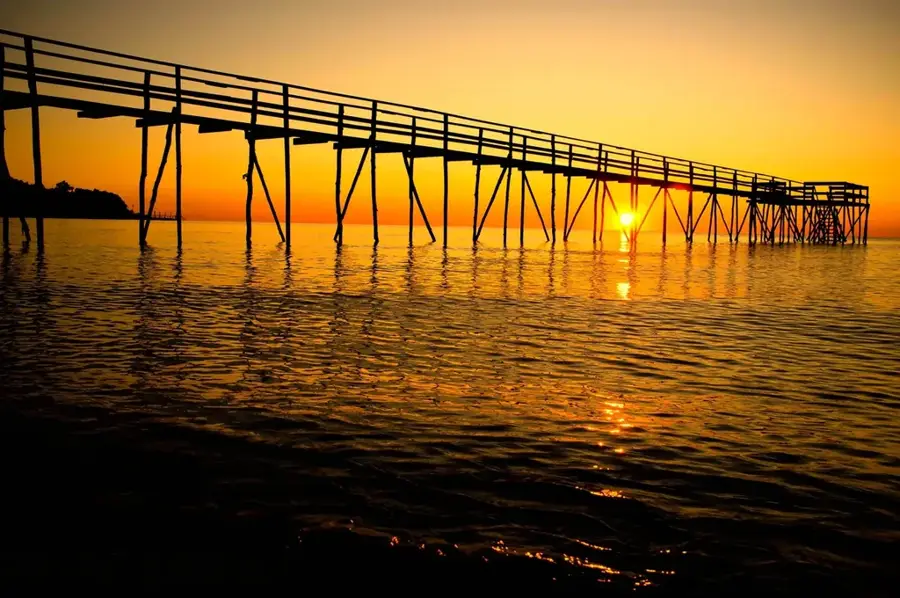
Lake Winnipeg is the world's tenth-largest freshwater lake and a defining geographical feature of the province of Manitoba. Covering approximately 24,514 square kilometers, it is a massive remnant of the prehistoric glacial Lake Agassiz, which once submerged much of central Canada. The lake is notably shallow, with an average depth of just 12 meters, a characteristic that can cause rapid and dangerous wave development during high winds. It is fed by major river systems including the Red, Saskatchewan, and Winnipeg Rivers, and drains northward via the Nelson River into Hudson Bay. The ecosystem is of immense ecological value, supporting a diverse array of fish species, most notably the 'Goldeye.' Historically, the lake served as a vital hub for Indigenous peoples and later became a central corridor for the fur trade and European settlement in Manitoba. Its coastline is varied, featuring expansive sandy beaches in the south and the rugged granitic cliffs of the Canadian Shield in the north. In recent years, the lake has become a focus for conservation efforts due to ongoing issues with nutrient runoff and algae blooms. Today, it remains a popular recreational area and a critical reservoir for the region's hydroelectric power generation.
Explore on the map
How well do you know Canada?
Find cities, landscapes and regions in 10 varied challenges on the interactive map.
Your journey, your memory
A postcard from Lake Winnipeg
Turn your own photo into a personal postcard with a local stamp. Free and no sign-up required.
Create a postcardBest time to visit & climate
The most pleasant time to visit is Jun–Aug.
| Jan | Feb | Mar | Apr | May | Jun | Jul | Aug | Sep | Oct | Nov | Dec | |
|---|---|---|---|---|---|---|---|---|---|---|---|---|
| Avg °C | -20 | -18 | -8 | 3 | 11 | 18 | 21 | 19 | 13 | 4 | -8 | -18 |
| Rain mm | 23 | 17 | 29 | 27 | 52 | 73 | 68 | 67 | 54 | 43 | 25 | 19 |
📋 Practical info
Geography
Facts
- The total surface area is approximately 24,514 square kilometers.
- The watershed of 984,200 km² is nearly 40 times the size of the lake itself.
- The lake stretches 416 kilometers from its northern to southern tip.
- The name is derived from the Cree words 'win' (muddy) and 'nipee' (water).
- The southern shores feature the famous Grand Beach sand dunes.
- The lake maintains a remarkably shallow average depth of only 12 meters.
Route planner — Car & Motorhome
Where do you start? We build the route here, with stops and country notes along the way.
© OpenStreetMap contributors · OpenRouteService
Sights nearby
Frequently asked questions
How deep is Lake Winnipeg?
Are there sandy beaches?
What is the village of Gimli?
Can you drive on the lake in winter?
What fish are commercially fished?
Lake Winnipeg: where is it located?
Lake Winnipeg: when is the best time to visit?
Lake Winnipeg: why is it worth visiting?
Nearby cities
History & landmarks

More places