Plizio Visual Lab
Ouagadougou
ℹ️Practical info — Ouagadougou
▾
🌤 Weather — 5 days
📍 Nearby
Sights nearby
💡 Tips
- Taxis are painted green and run on shared routes; agree on the price and destination before getting in.
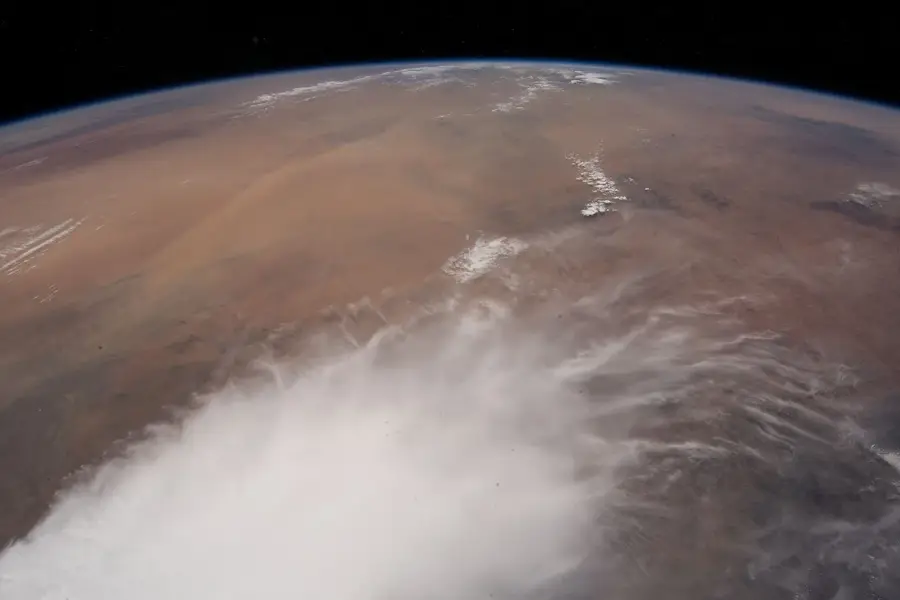
- The Harmattan winds bring dust from the Sahara between December and February, so carrying a light scarf is useful.
- A visit during the FESPACO film festival (held biennially) transforms the city into an animated cultural hub.
- Haggling is expected at the artisan markets, keep it friendly and respectful.
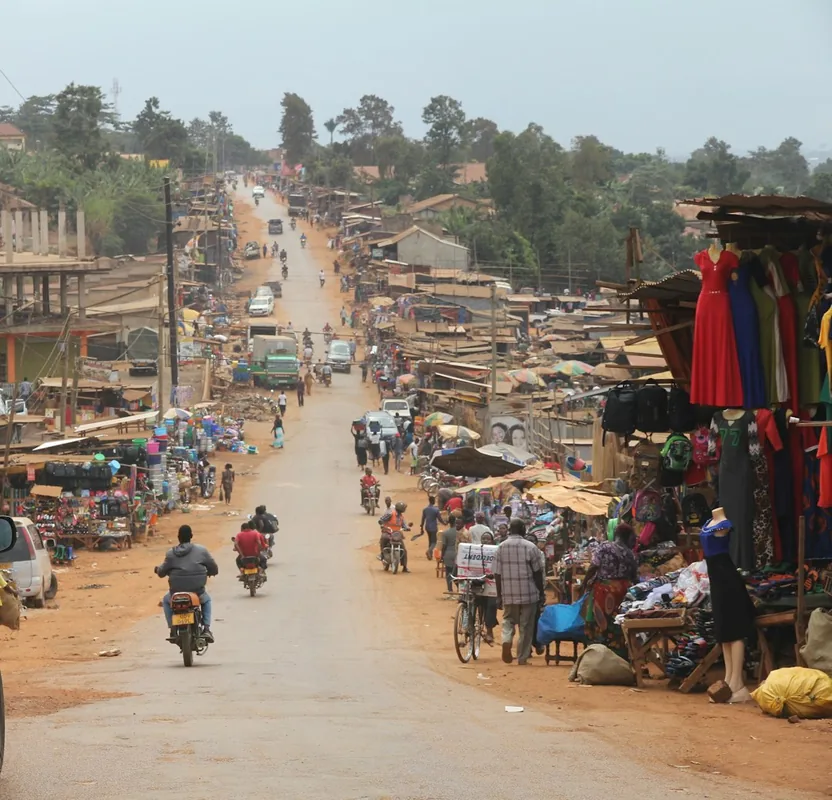
- Motorbikes are the most common way locals get around; watch out for heavy scooter traffic at intersections.
🍽 Food
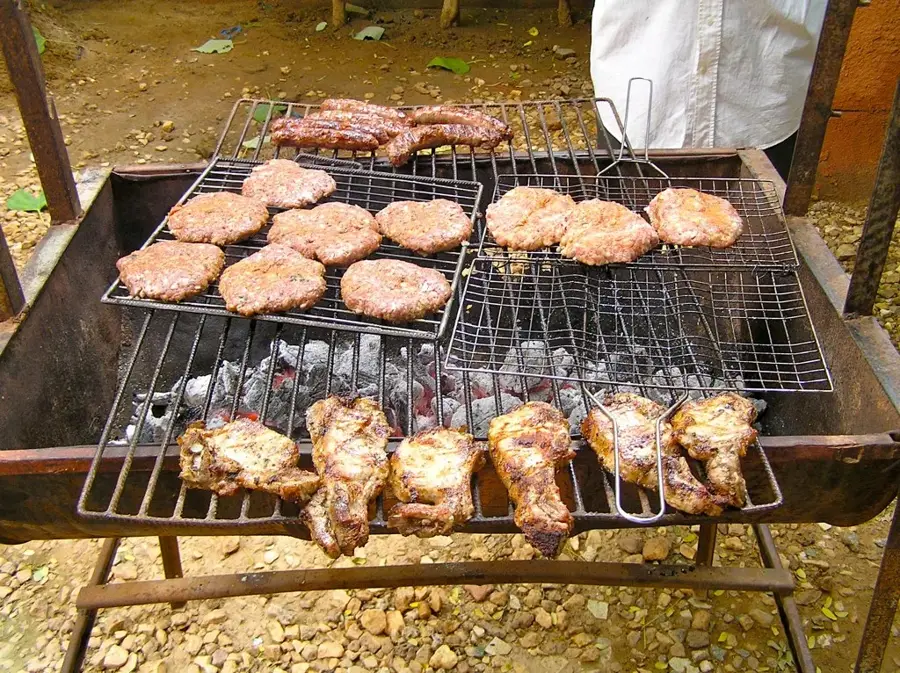
Grilled, free-range local chicken known for its firm texture and excellent flavor, found at many 'maquis' (open-air bars).
The national staple made of millet or sorghum flour, served with a savory okra or baobab leaf sauce.
A refreshing, bright red iced drink made from hibiscus flowers, sold everywhere in the city.
🛍 Shopping · 🧘 Quiet spots
The best place to buy high-quality bronze statues, leather goods, and textiles directly from the craftsmen.
The bustling central market where you can find colorful wax prints and everyday goods.
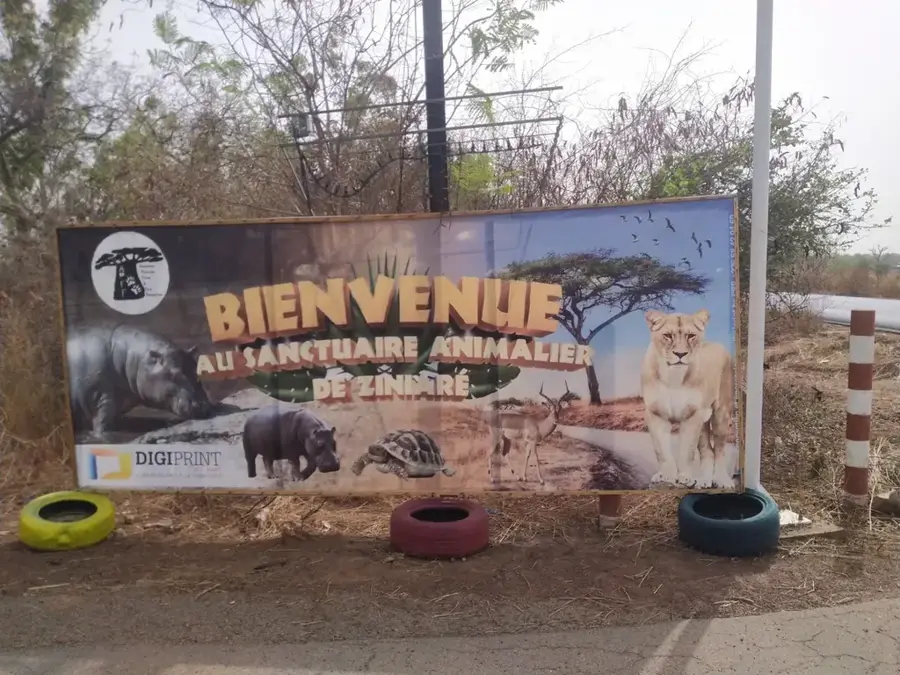
A large urban forest offering shaded walking trails and a small animal park, first-rate to escape the city noise.
The peaceful outdoor area around the National Museum provides a quiet space to admire traditional architecture.
Water temperature…
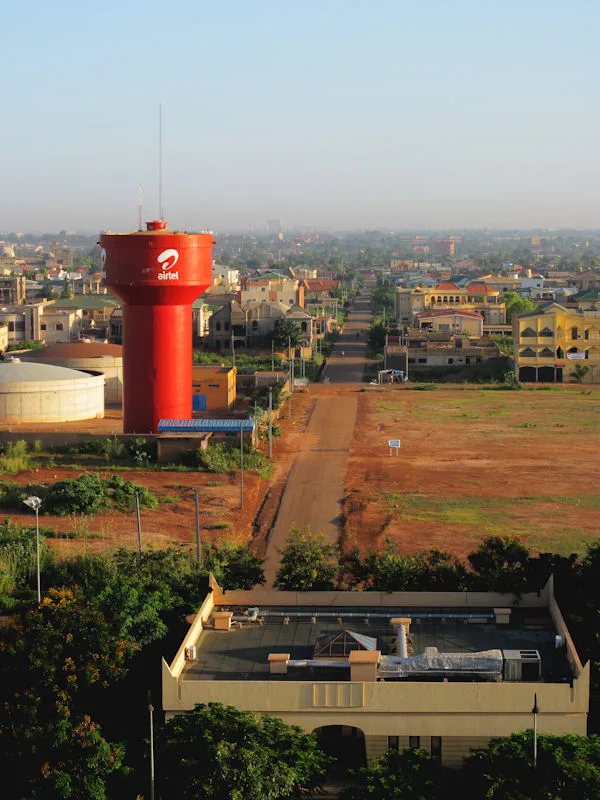
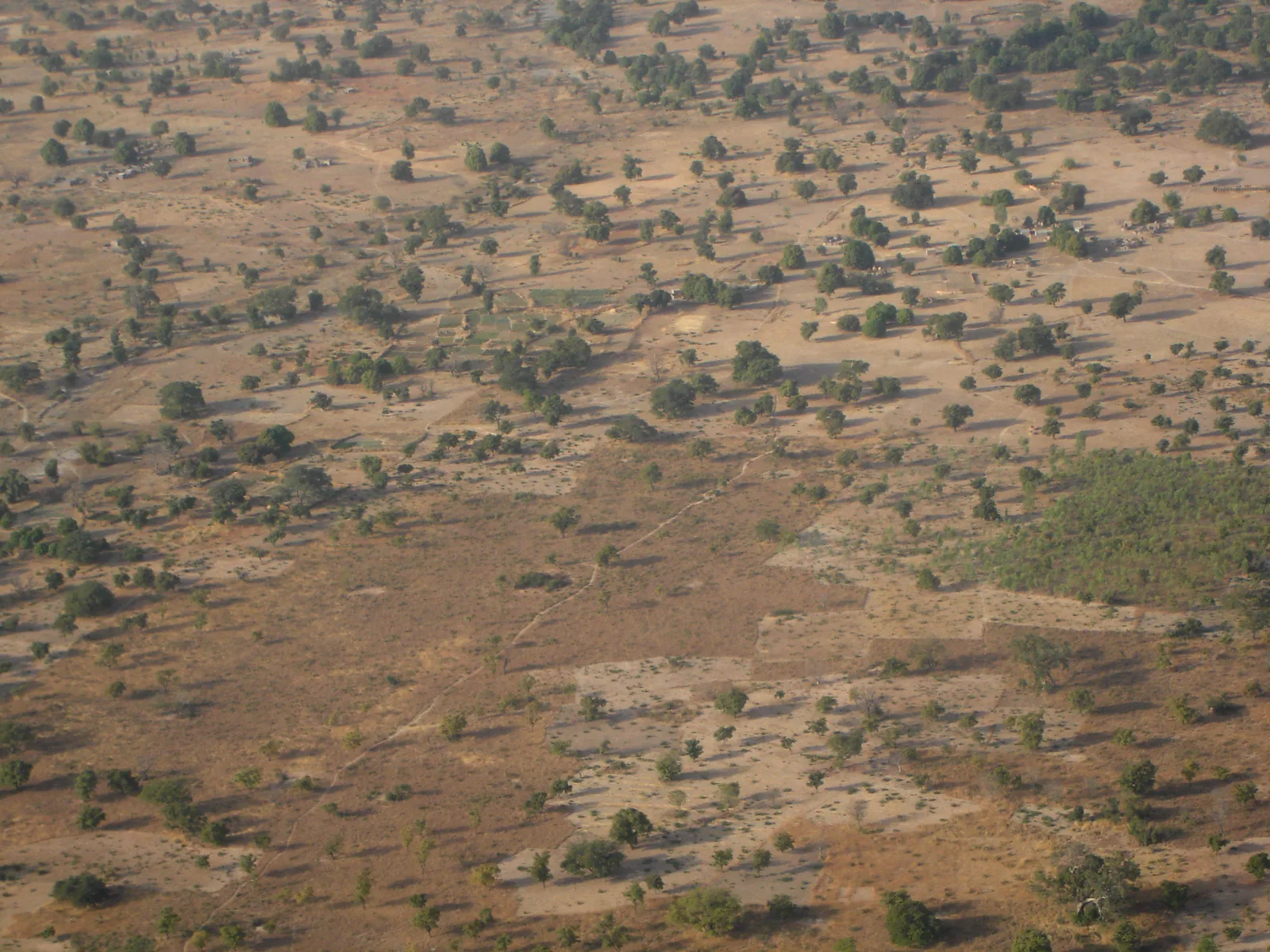
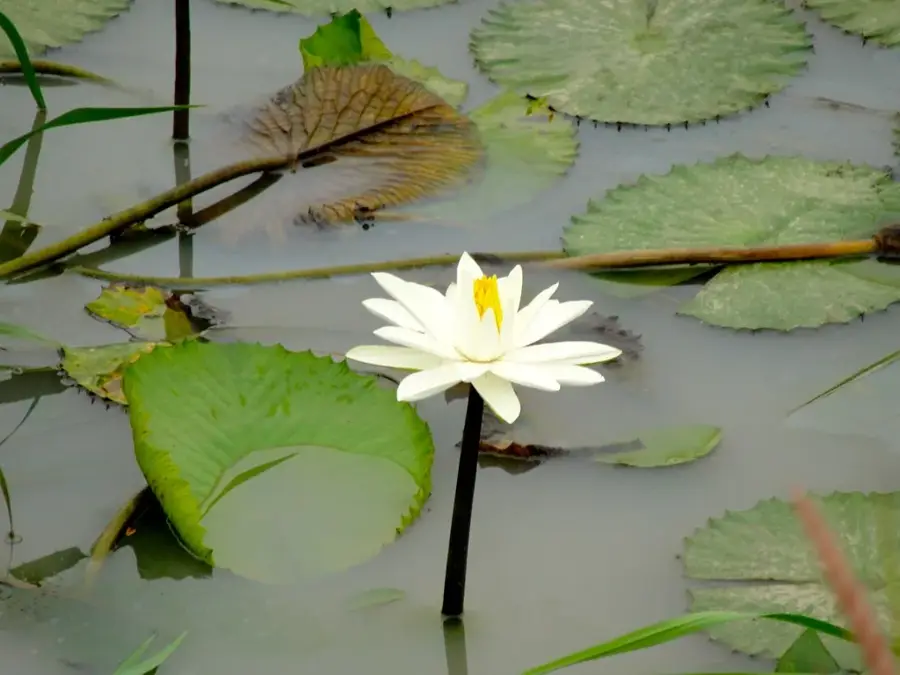
Ouagadougou, the lively capital of Burkina Faso, stands as the administrative, economic, and cultural heart of West Africa's landlocked nation. Founded in the 15th century as the capital of the Mossi Empire, it remains the seat of the Moro Naba, the traditional emperor of the Mossi people. The city’s name, often shortened to 'Ouaga', translates to 'the place where people get honor', a testament to the community-oriented spirit of its inhabitants. Located on a central plateau in the Sudano-Sahelian zone, the city experiences a hot semi-arid climate, yet it bustles with energy, characterized by its grid-pattern streets and a world-renowned culture of moped and motorcycle transportation that flows through its wide boulevards. Economically, Ouagadougou serves as the primary commercial hub for the country’s agricultural and mining sectors. It is the central terminal for the Abidjan-Niger Railway, which connects the heart of Burkina Faso to the Atlantic coast, facilitating the export of cotton, livestock, and gold. The city’s industrial base includes textile manufacturing, food processing, and assembly plants, while the informal sector thrives in sprawling marketplaces like Rood Woko, one of the largest markets in West Africa. In recent decades, the development of the Ouaga 2000 district has introduced modern architectural landmarks, high-end residential areas, and international conference centers, positioning the city as a significant player in regional diplomacy and business. Culturally, Ouagadougou has earned the title of the 'Cinema Capital of Africa'. It proudly hosts FESPACO (Panafrican Film and Television Festival of Ouagadougou) every two years, an event that brings together the continent’s finest filmmakers and actors. Furthermore, the city is home to SIAO (International Art and Craft Fair), the largest handicraft exhibition on the continent, showcasing the intricate beadwork, bronzes, and textiles of African artisans. The National Museum of Burkina Faso and the National Museum of Music offer deep insights into the traditions of the country's 60+ ethnic groups. The city’s 'maquis' (open-air eateries and bars) are famous for their lively atmosphere, where traditional percussion meets contemporary Afro-pop. Demographically, Ouagadougou is a fast-growing metropolis with a population exceeding 2.5 million. This rapid expansion presents challenges in urban planning, particularly regarding water management and sustainable housing. To address this, the city has integrated three artificial reservoirs into its urban landscape, which serve as crucial cooling zones and ecological habitats. The 'Ouagalais' are known for their political consciousness and resilience, having played central roles in the nation’s modern democratic movements. Today, Ouagadougou stands as a bridge between the ancient traditions of the Mossi Empire and a future of urban innovation, embodying the spirit of West African pride and cultural tenacity.
Explore on the map
How well do you know Burkina Faso?
Find cities, landscapes and regions in 10 varied challenges on the interactive map.
Your journey, your memory
A postcard from Ouagadougou
Turn your own photo into a personal postcard with a local stamp. Free and no sign-up required.
Create a postcard- Location: Burkina Faso
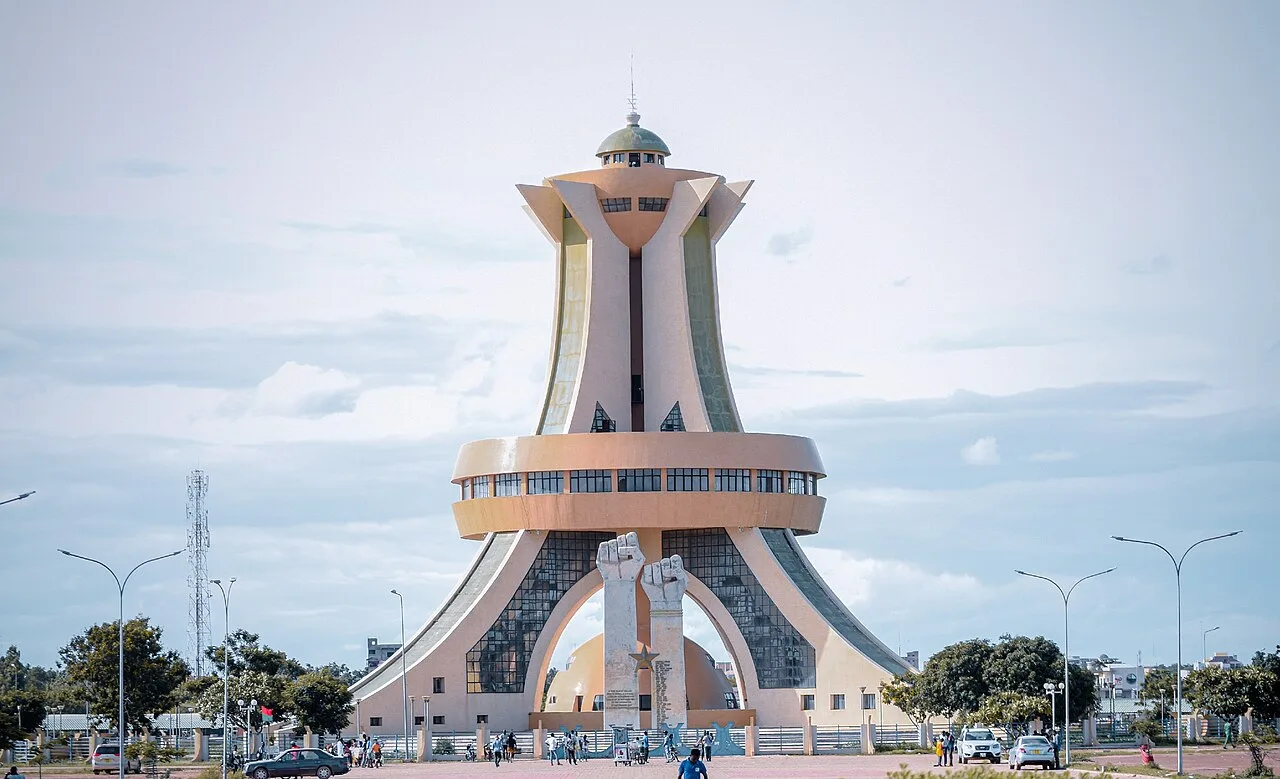
- Highlights: Place de la Bataille du rail · Palais Ouidi Naaba · Monument des Martyrs de Tampouy
- Nearby: Bazoulé (20 km)
- Population: ~2.415.266 (2025)
Best time to visit & climate
The most pleasant time to visit is Jan, Nov, Dec.
| Jan | Feb | Mar | Apr | May | Jun | Jul | Aug | Sep | Oct | Nov | Dec | |
|---|---|---|---|---|---|---|---|---|---|---|---|---|
| Avg °C | 23 | 27 | 30 | 32 | 32 | 30 | 27 | 26 | 27 | 28 | 26 | 23 |
| Rain mm | 1 | 1 | 3 | 26 | 63 | 107 | 178 | 245 | 147 | 45 | 1 | 0 |
Geography
Facts
- Ouagadougou’s population density in the urban core is over 1,500 people per sq km.
- The city's name originates from the Mossi words 'Wogodogo' and 'Wogodogo'.
- The Monument of Filmmakers (Place des Cinéastes) honors African cinematic history.
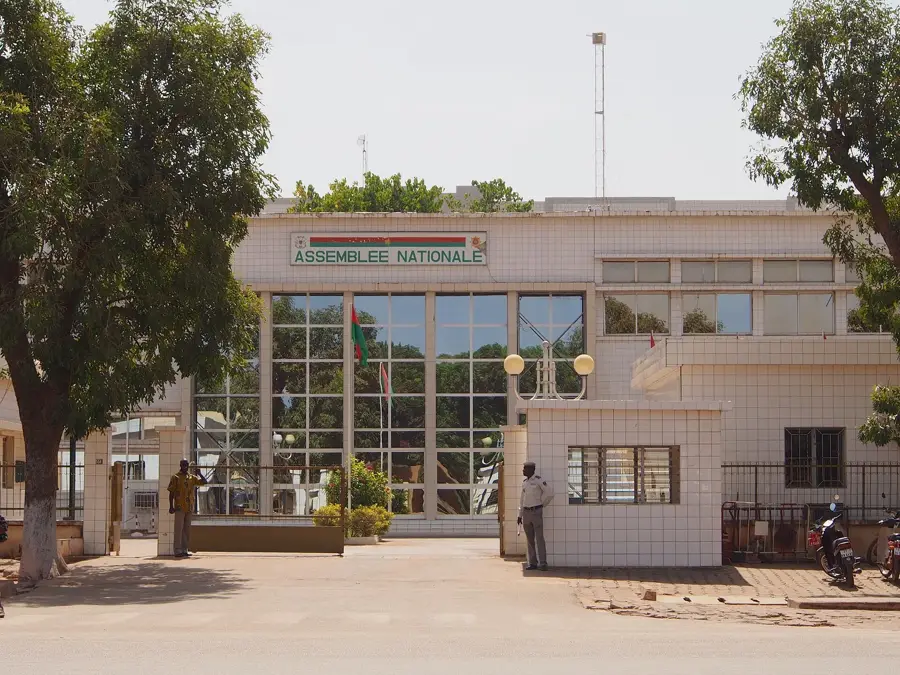
- Burkina Faso’s National Assembly building is located in the heart of Ouagadougou.
- The city experiences a peak temperature of up to 45°C during the month of April.
- There are over 500,000 registered mopeds and scooters in the city.
- The University of Ouagadougou (Joseph Ki-Zerbo University) was founded in 1974.
- The city hosted the African Cup of Nations final in 1998 at the Stade du 4 Août.
Explore nearby
Notable places around
Route planner — Car & Motorhome
Where do you start? We build the route here, with stops and country notes along the way.
© OpenStreetMap contributors · OpenRouteService
Sights in the town Ouagadougou (4)
Frequently asked questions
How many days should be planned for Ouagadougou?
What is the most famous local dish?
How best to get around the city?
When is the best travel time?
Are there family-friendly places?
Ouagadougou: where is it located?
Ouagadougou: what is there to see?
Ouagadougou: when is the best time to visit?
Ouagadougou: why is it worth visiting?
Nearby cities
History & landmarks
Nature
More places