Plizio Visual Lab

Itaipu Dam
Plizio editorial teamData Sources
Industrial site
—°13
Itaipu Dam (Brazil)

Weather…

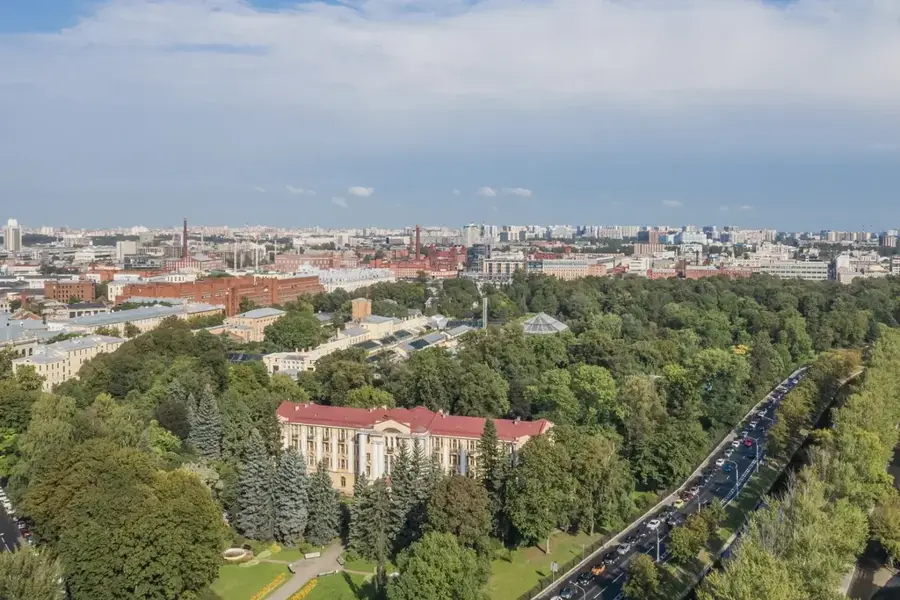
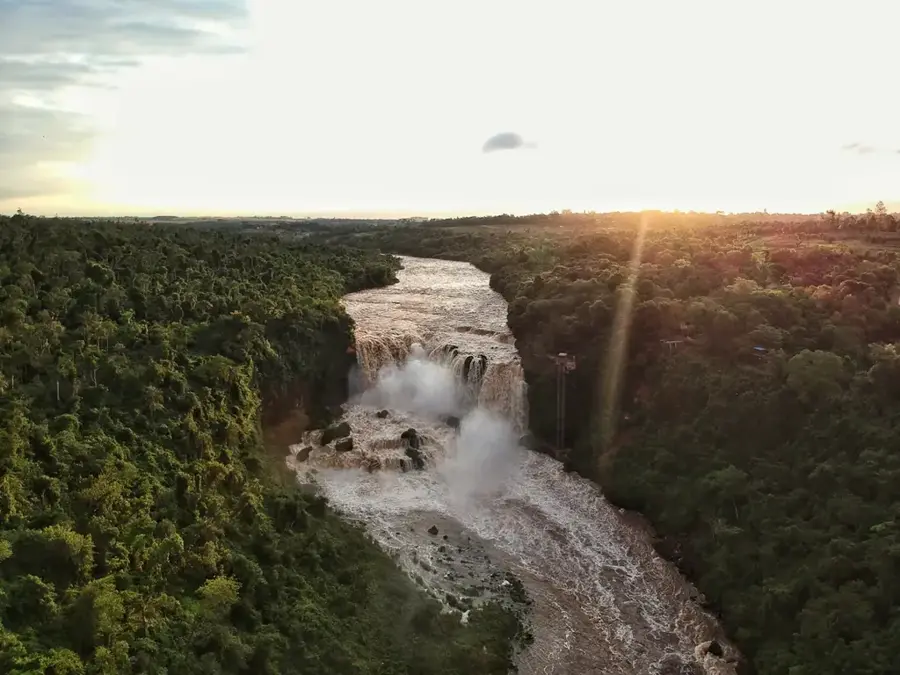
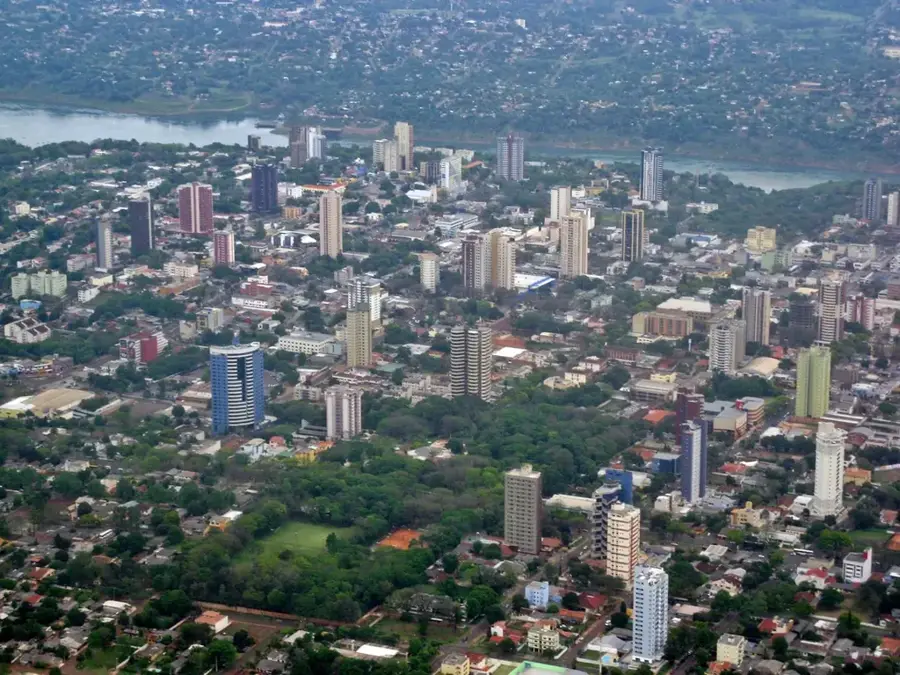
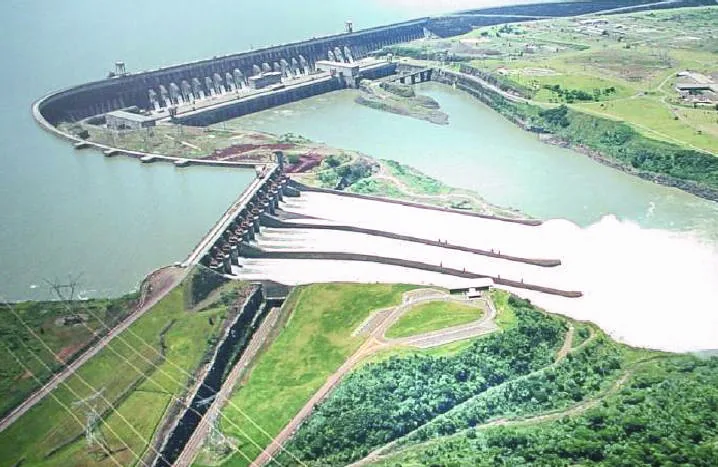
Itaipu Dam is a remarkable feature of the geography and culture of Brazil. A monumental hydroelectric dam on the Paraná River, supplying a massive amount of electricity to both Brazil and Paraguay. One of the world's largest generators of renewable energy. A joint project between Brazil and Paraguay. This location plays a role in the economy of Brazil, strongly shaped by coffee, soybeans, sugarcane, and iron ore. Like many notable places in Brazil, it combines regional character with the wider significance of the world's fifth-largest country. Thus, this place contributes to the diverse profile of Brazil, where tropical nature, Portuguese heritage, samba, football, and Carnival come together.

Best time to visit & climate

The most pleasant time to visit is Jul–Sep.

JanFebMarAprMayJunJulAugSepOctNovDec
Avg °C272726241917171921242527
Rain mm1471291171241631088570121211159179

📋 Practical info

🏭
What is this place?
Itaipu Dam is one of the world's largest hydroelectric plants, generating massive electricity for both Brazil and Paraguay. It is a marvel of engineering and a critical piece of infrastructure on the Paraná River, driving regional development.
🚪
Visiting
The dam has a well-organized visitor center and features guided tours of its interior facilities and exterior viewpoints. Visitors can walk along the top of the dam and see the spillways and turbines in action.
👀
Where to view it
The best public viewpoints are from the Visitor Center observation decks and the panoramic elevator that features a bird's-eye view of the dam. The nearby Parque das Aves also provides a view of the dam from a nature setting.
🧺
Local products
The region around Itaipu produces yerba mate, tropical fruits, and artisanal crafts. The dam itself sells souvenir items like miniature turbines, and local markets offer Paraguayan and Brazilian specialties.
📆
Active season
The dam operates at full capacity throughout the year, with water flow peaks during the rainy season from December to March. The visitor center is busiest during Brazilian holidays and school breaks, especially in January and July.
Nearby
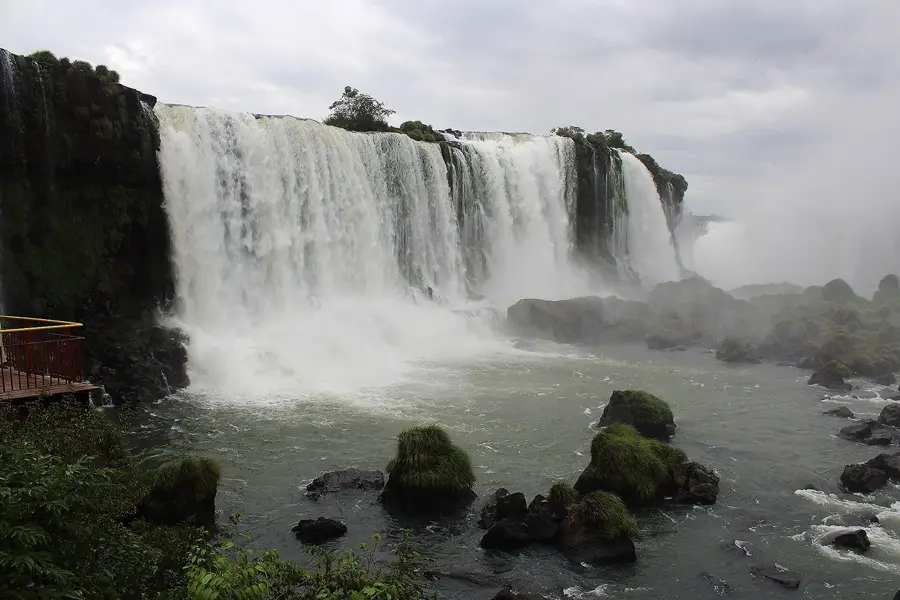
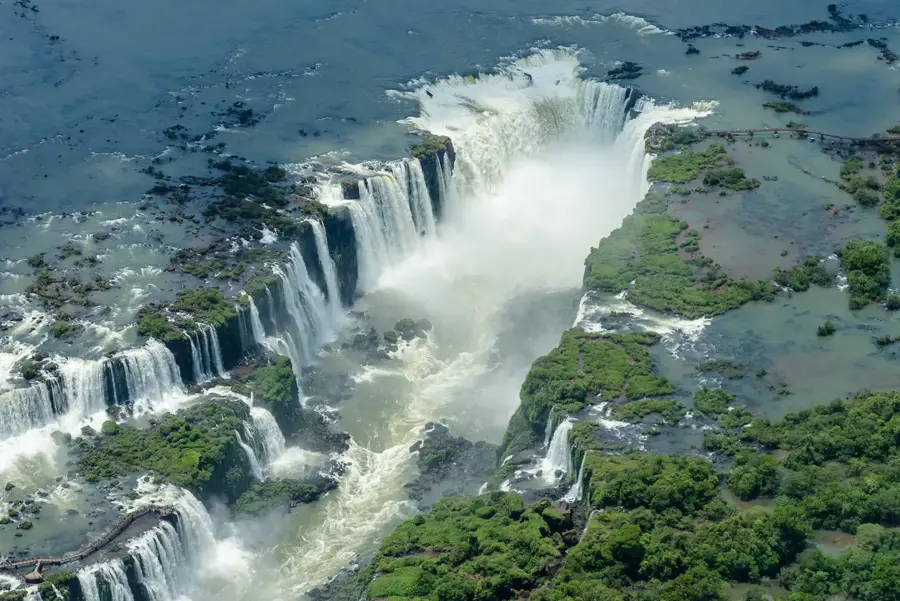
Combine the dam visit with the nearby Iguazu Falls, one of the most spectacular waterfall systems in the world. The border town of Foz do Iguaçu also provides shopping for Paraguayan electronics and Argentine cuisine.

Geography

Coordinates
-25.40970, -54.58860

Facts

  • A monumental hydroelectric dam on the Paraná River, supplying a massive amount of electricity to both Brazil and Paraguay.
  • Located within the Federative Republic of Brazil.
  • Plays a role in the local identity of the region.
  • Connected to the everyday life and history of the country.
  • Influenced by Brazil's predominantly tropical climate.

Explore nearby

Notable places around

Route planner — Car & Motorhome

Where do you start? We build the route here, with stops and country notes along the way.

Vehicle
Only stops with (optional):

© OpenStreetMap contributors · OpenRouteService

Sights in the town Itaipu Dam (13)

Balneário Alvorada🎡 recreation

Lakeside beach on the Itaipu reservoir with a sandy shore and outdoor recreation facilities.

Itaipu Dam Visitors' Reception Center📍 landmark

Itaipu Dam Visitors' Reception Center, the starting point for technical tours of the power plant.

Mirante do Vertedouro🌿 nature

Viewpoint overlooking the massive spillway chutes of the Itaipu power plant.

Mirante da Barragem🌿 nature

Panoramic viewpoint right by the dam, overlooking the gigantic concrete structure.

Usina de Itaipú📍 landmark

The massive Itaipu hydroelectric plant on the Paraná River, one of the world's most powerful.

Represa de Itaipu📍 landmark

The immense Itaipu Dam, which impounds the Paraná River between Paraguay and Brazil.

Modelo Reducido de la Represa de Itaipú🏛 museum

This museum features an impressive scale model of the Itaipu hydroelectric power plant and its surroundings.

🕒 Tu-Su 08:00-16:30

Museo Tierra Guaraní (Itaipú)🏛 museum

The museum is dedicated to preserving the Guaraní heritage and the biodiversity of the Upper Paraná region.

🕒 Tu-Su 08:00-17:00

Zoologico🎡 recreation

This zoo houses native animal species from the Upper Paraná Atlantic Forest region.

Ecomuseu de Itaipu🏛 museum

An interactive museum highlighting the history of the Itaipu Dam construction and the ecology of the border region.

🕒 Tu-Su 08:00-17:00

Park Ecomuseu Itaipu🌿 nature

A nature trail and park area adjacent to the Ecomuseu, showcasing the local flora of the dam area.

CineTeatro dos Barrageiros🎭 culture

A cultural space originally built for the Itaipu Dam workers, now hosting theatrical performances and films.

Ñandeva🎭 culture

An arts center promoting regional handicrafts and the artisan traditions of the triple border area.

Sights nearby

Frequently asked questions

What is the Itaipu Dam?
One of the world's largest hydroelectric power plants, a joint project between Brazil and Paraguay on the Paraná River.
Can you visit the dam?
Yes, there are various tours: from panoramic rides to technical visits inside the dam.
Where is Itaipu located?
On the border between Foz do Iguaçu (Brazil) and Ciudad del Este (Paraguay).
How much electricity does the plant produce?
It covers a significant part of Brazil's electricity needs and almost all of Paraguay's.
Are there nature attractions at the dam?
Yes, the Bela Vista Biological Sanctuary is part of the complex and protects local animal and plant species.
Itaipu Dam: where is it located?
Itaipu Dam is located in Brazil.
Itaipu Dam: what is there to see?
Highlights include Balneário Alvorada, Itaipu Dam Visitors' Reception Center, Mirante do Vertedouro.
Itaipu Dam: when is the best time to visit?
The most pleasant time to visit is Jul, Sep.
Itaipu Dam: why is it worth visiting?
Itaipu Dam is a remarkable feature of the geography and culture of Brazil.
View on map → The Top 50 Attractions → OpenStreetMap →
South America
Explore with Plizio Discover more places in South America
More places in Brazil →

Nearby cities

History & landmarks
Nature
More places