Plizio Visual Lab
Eduardo Avaroa Reserve
Weather…
Water temperature…
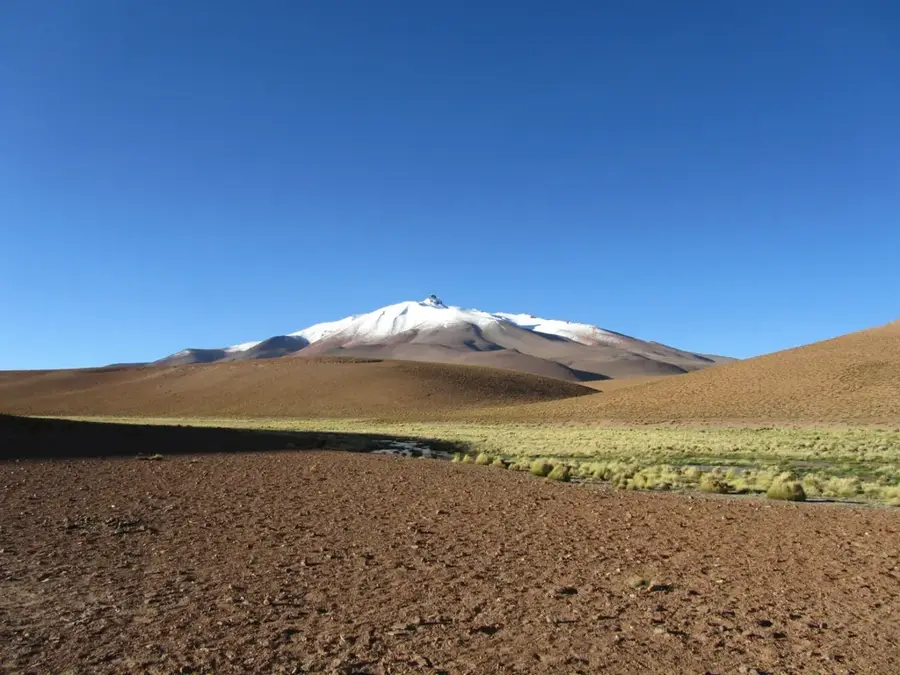
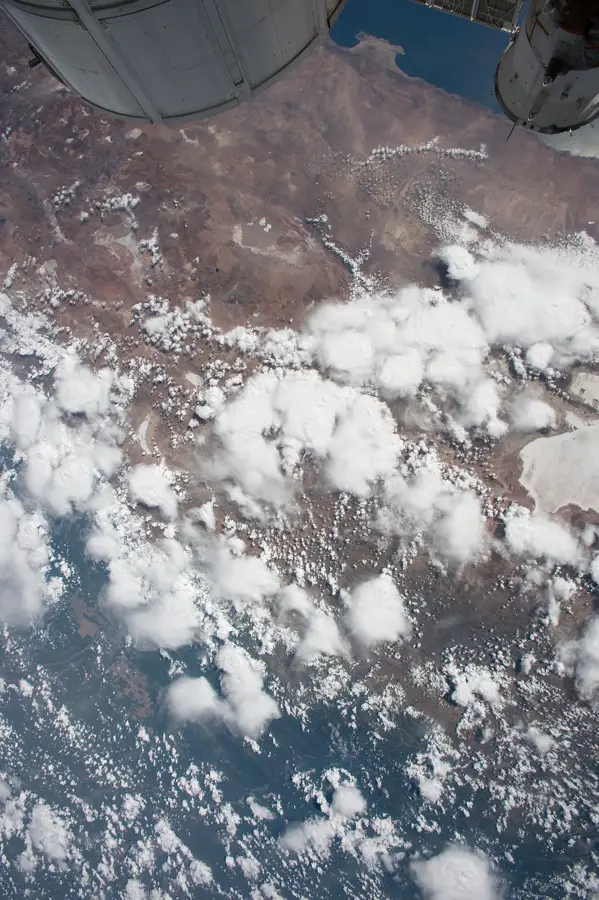
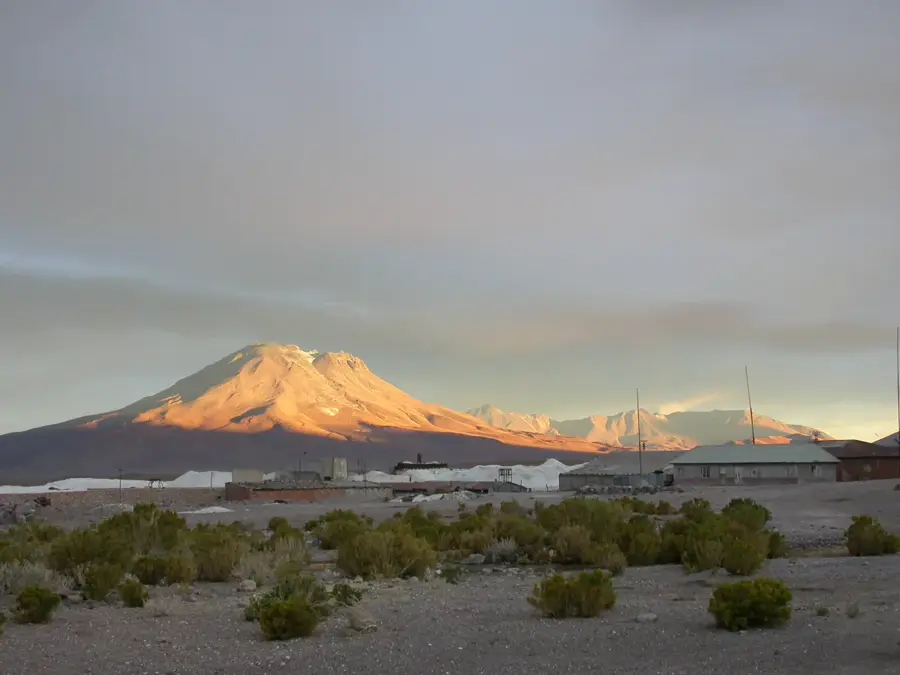
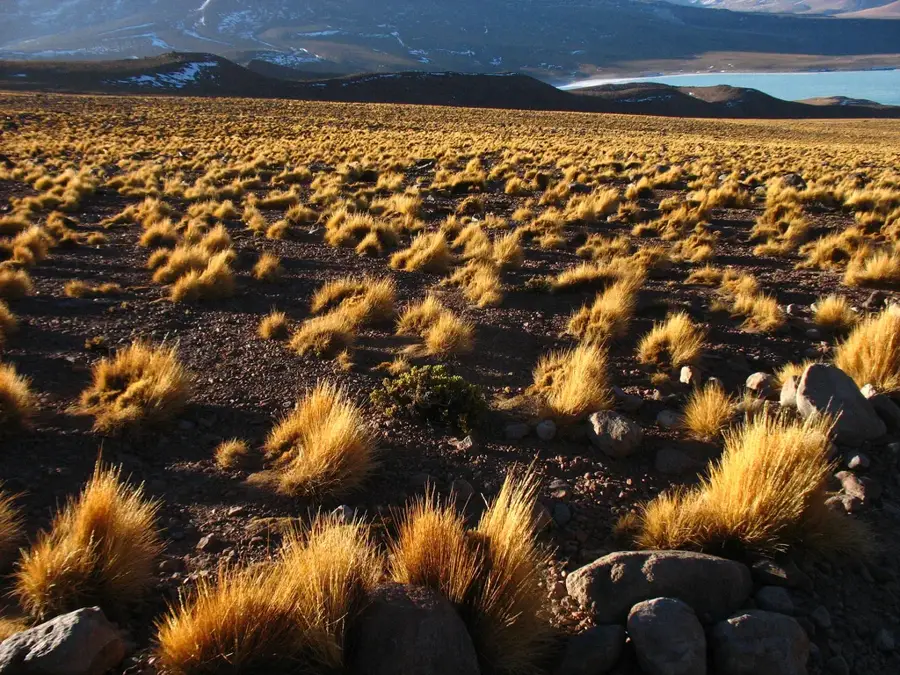
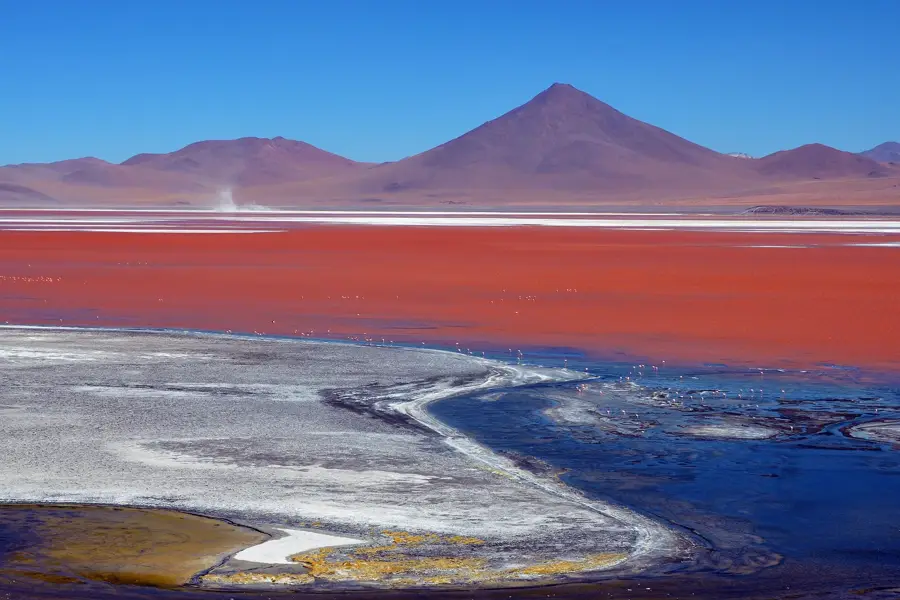
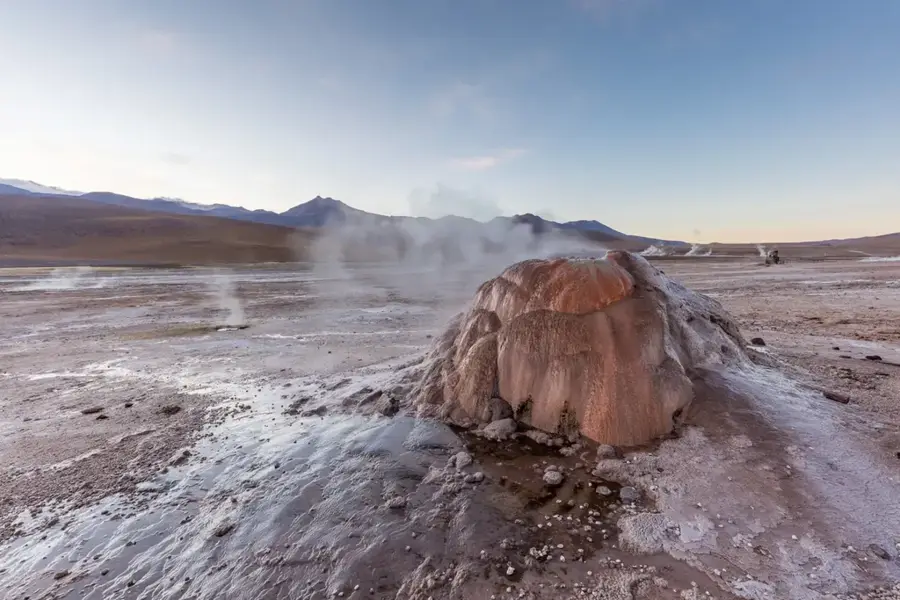
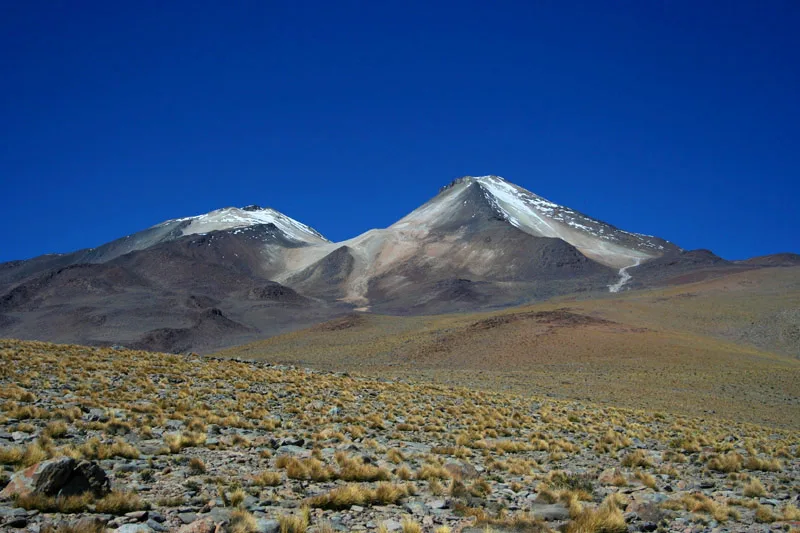
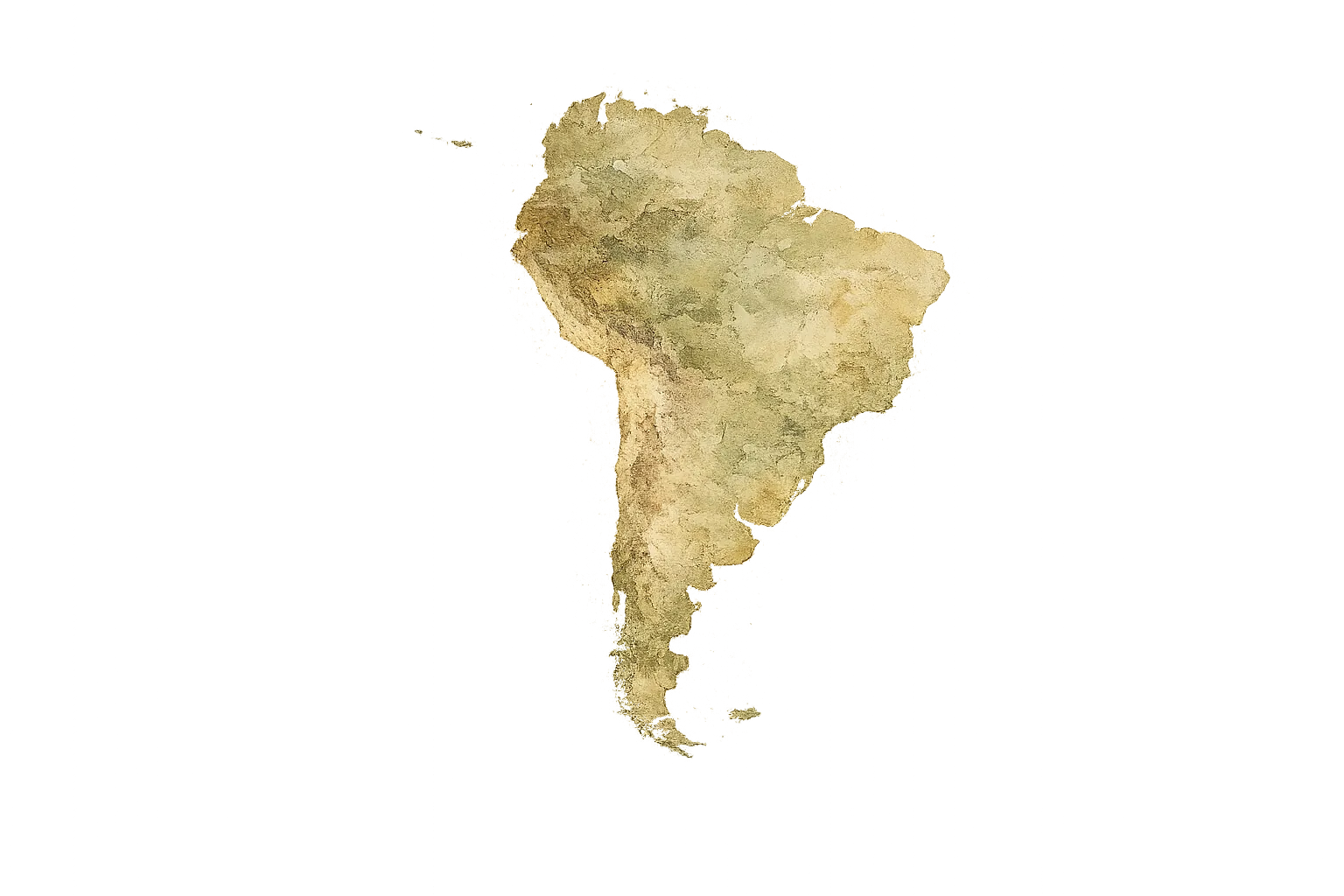
The Eduardo Avaroa Andean Fauna National Reserve is located in the far southwestern tip of Bolivia, in the Potosí Department, bordering Chile and Argentina. Established in 1973, the protected area covers approximately 7,147 square kilometers and sits at extreme altitudes between 4,200 and 5,400 meters above sea level. The landscape is characterized by majestic volcanoes, bizarre rock formations, and vibrantly colored lagoons such as Laguna Colorada and Laguna Verde. The region is a vital sanctuary for endangered species, specifically for the three types of flamingos that nest there: the Andean, Chilean, and James's flamingos. Despite the harsh conditions involving extreme temperature fluctuations and high UV radiation, the reserve hosts a specialized range of flora and fauna, including vicuñas, viscachas, and Darwin's rheas. As Bolivia's most visited protected area, it plays a central role in ecological tourism and the preservation of fragile high-Andean ecosystems.
Explore on the map
How well do you know Bolivia?
Find cities, landscapes and regions in 10 varied challenges on the interactive map.
Your journey, your memory
A postcard from Eduardo Avaroa Reserve
Turn your own photo into a personal postcard with a local stamp. Free and no sign-up required.
Create a postcard- Location: Bolivia
- Highlights: Cerro Apacheta · Laguna Colorada & mountains · Morning Sun
Best time to visit & climate
The most pleasant time to visit is Jan, Feb, Dec.
| Jan | Feb | Mar | Apr | May | Jun | Jul | Aug | Sep | Oct | Nov | Dec | |
|---|---|---|---|---|---|---|---|---|---|---|---|---|
| Avg °C | 10 | 10 | 9 | 7 | 4 | 3 | 2 | 4 | 5 | 7 | 9 | 10 |
| Rain mm | 10 | 11 | 7 | 1 | 2 | 0 | 1 | 1 | 0 | 1 | 2 | 5 |
📋 Practical info
Geography
Facts
- The reserve was officially established on December 13, 1973.
- Laguna Colorada covers an area of approximately 60 square kilometers.
- Three of the world's six flamingo species nest in the park's lagoons.
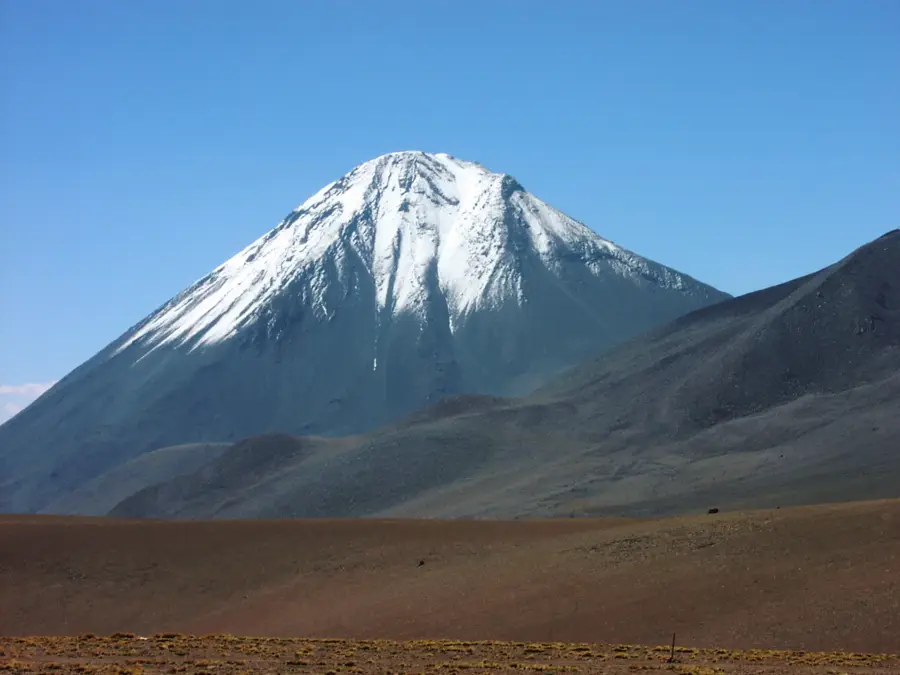
- The Licancabur volcano on the Chilean border reaches 5,920 meters.
- The reserve receives over 70,000 international visitors annually.
- The vegetation consists mainly of hardy grasses like ichu grass.
Explore nearby
Notable places around
Route planner — Car & Motorhome
Where do you start? We build the route here, with stops and country notes along the way.
© OpenStreetMap contributors · OpenRouteService
Sights in the town Eduardo Avaroa Reserve (3)
Sights nearby
Frequently asked questions
What are the highlights of the reserve?
How high is the reserve located?
Are there flamingos there?
What is the weather like there?
Do you have to pay an entrance fee?
Eduardo Avaroa Reserve: where is it located?
Eduardo Avaroa Reserve: what is there to see?
Eduardo Avaroa Reserve: when is the best time to visit?
Eduardo Avaroa Reserve: why is it worth visiting?
History & landmarks
Nature
More places