Plizio Visual Lab
Laguna Blanca
Weather…
Water temperature…
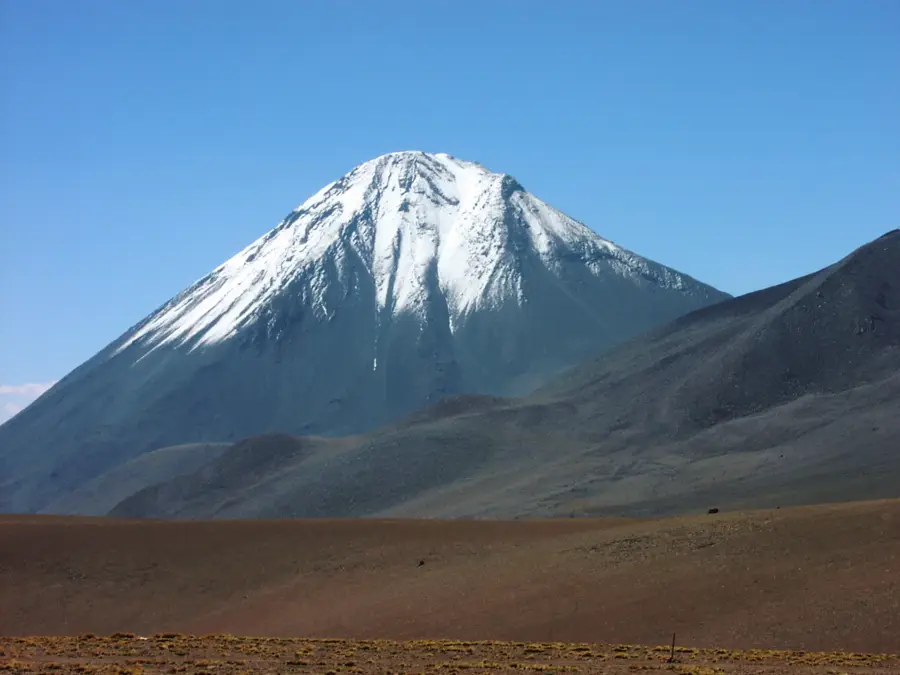
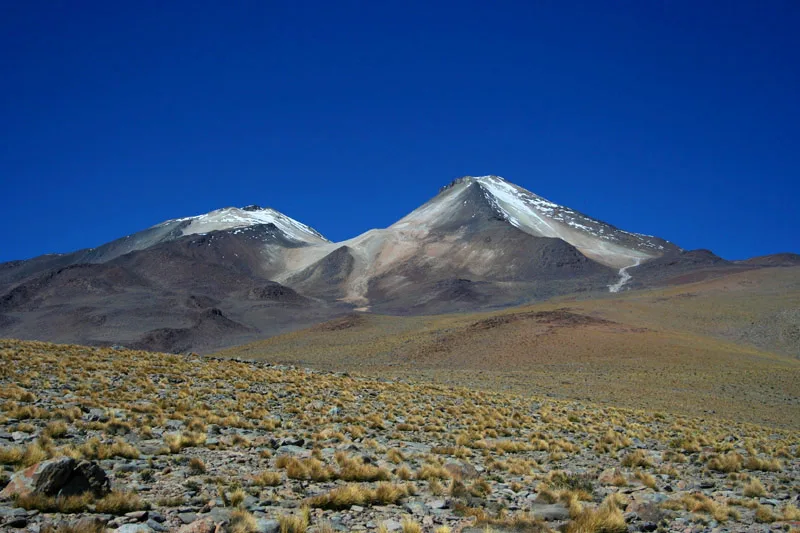
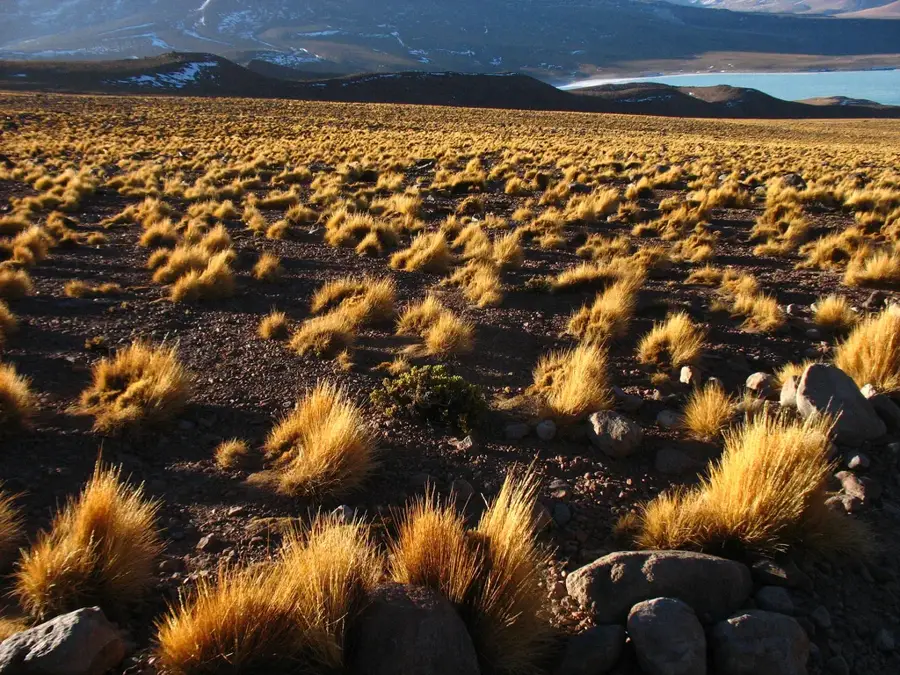
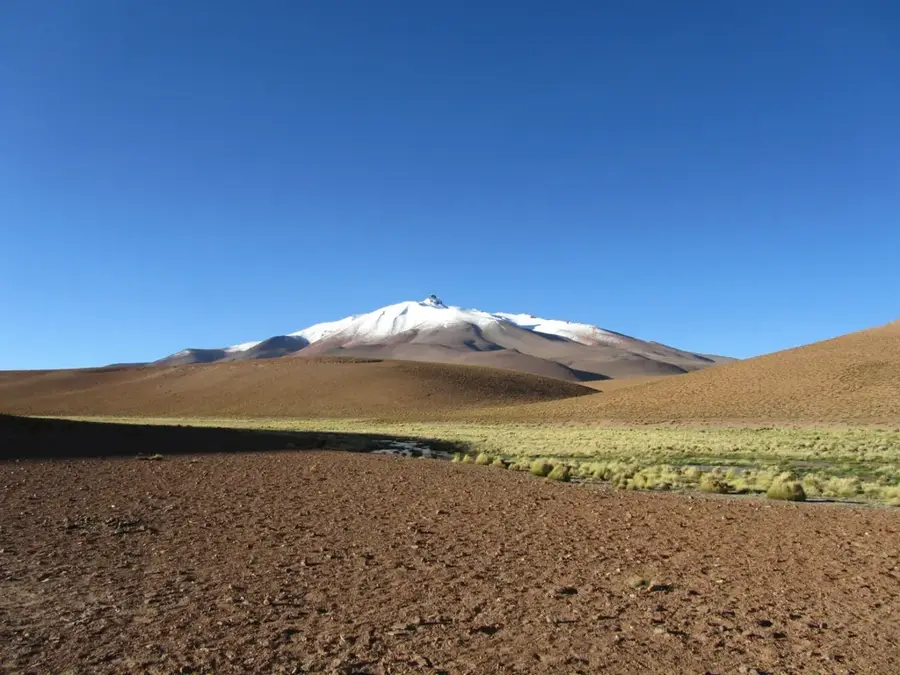
Laguna Blanca is a shallow salt lake located in the southwestern corner of Bolivia, within the Potosí Department and the Eduardo Avaroa Andean Fauna National Reserve. Positioned at an altitude of approximately 4,350 meters above sea level, the lake is named for its characteristic milky-white appearance. This coloration is a result of high concentrations of borax and other mineral suspensions found in its waters. Covering an area of roughly 11 square kilometers, Laguna Blanca is connected to the nearby Laguna Verde by a small channel, despite their differing chemical compositions and colors. The surrounding terrain is part of the high-altitude Puna desert, characterized by volcanic peaks and sparse vegetation. The lake serves as a critical habitat for specialized Andean bird species, particularly flamingos that feed on microorganisms in the saline water. The environmental conditions are harsh, featuring high solar radiation and extreme nightly frosts, yet the lake remains a vital part of the region's unique hydrological and ecological system.
Explore on the map
How well do you know Bolivia?
Find cities, landscapes and regions in 10 varied challenges on the interactive map.
Your journey, your memory
A postcard from Laguna Blanca
Turn your own photo into a personal postcard with a local stamp. Free and no sign-up required.
Create a postcard- Location: Bolivia
- Highlights: Mirador Sur Laguna Blanca · Laguna Blanca
Best time to visit & climate
The most pleasant time to visit is Jan, Feb, Dec.
| Jan | Feb | Mar | Apr | May | Jun | Jul | Aug | Sep | Oct | Nov | Dec | |
|---|---|---|---|---|---|---|---|---|---|---|---|---|
| Avg °C | 17 | 17 | 16 | 14 | 11 | 9 | 9 | 10 | 12 | 14 | 16 | 17 |
| Rain mm | 7 | 8 | 4 | 1 | 2 | 0 | 1 | 0 | 0 | 1 | 1 | 4 |
📋 Practical info
Geography
Facts
- Located at an altitude of 4,350 meters in the Altiplano.
- The white color is caused by high concentrations of borax.
- Covers a total surface area of about 11 square kilometers.
- Connected to Laguna Verde via a narrow natural channel.
- Part of the Eduardo Avaroa Andean Fauna National Reserve.
- Critical feeding and nesting site for Andean and James's flamingos.
Explore nearby
Notable places around

Route planner — Car & Motorhome
Where do you start? We build the route here, with stops and country notes along the way.
© OpenStreetMap contributors · OpenRouteService
Sights in the town Laguna Blanca (2)
Sights nearby
Frequently asked questions
Why is it called Laguna Blanca?
Is it close to Laguna Verde?
Is the water there toxic too?
Can you observe birds there?
Does it belong to the Eduardo Avaroa National Reserve?
Laguna Blanca: where is it located?
Laguna Blanca: what is there to see?
Laguna Blanca: when is the best time to visit?
Laguna Blanca: why is it worth visiting?
History & landmarks

Nature
More places