Plizio Visual Lab
Puma Punku
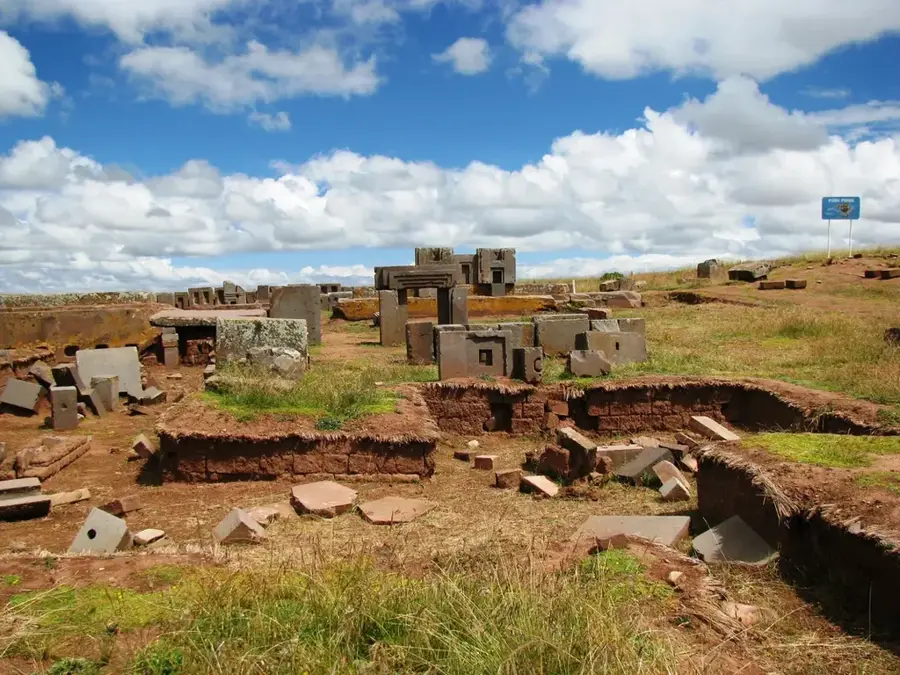
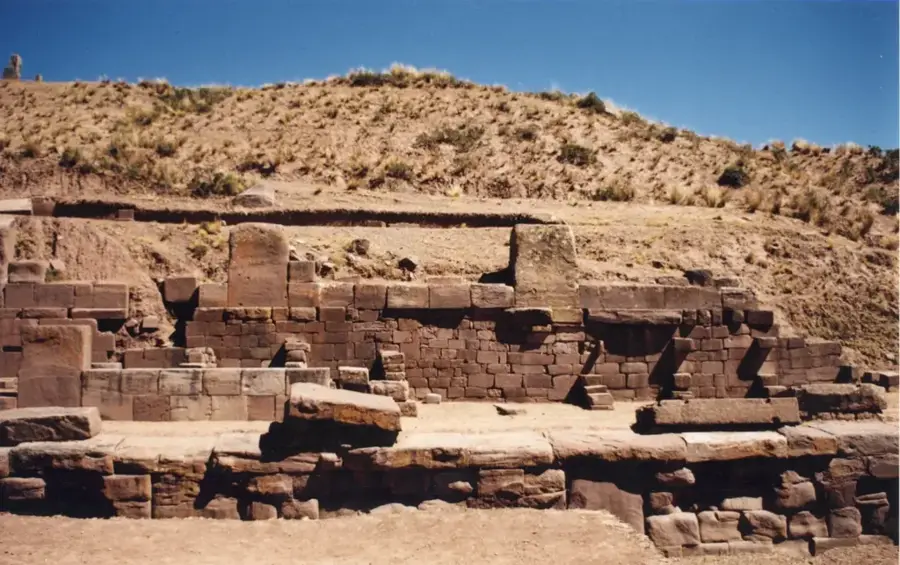
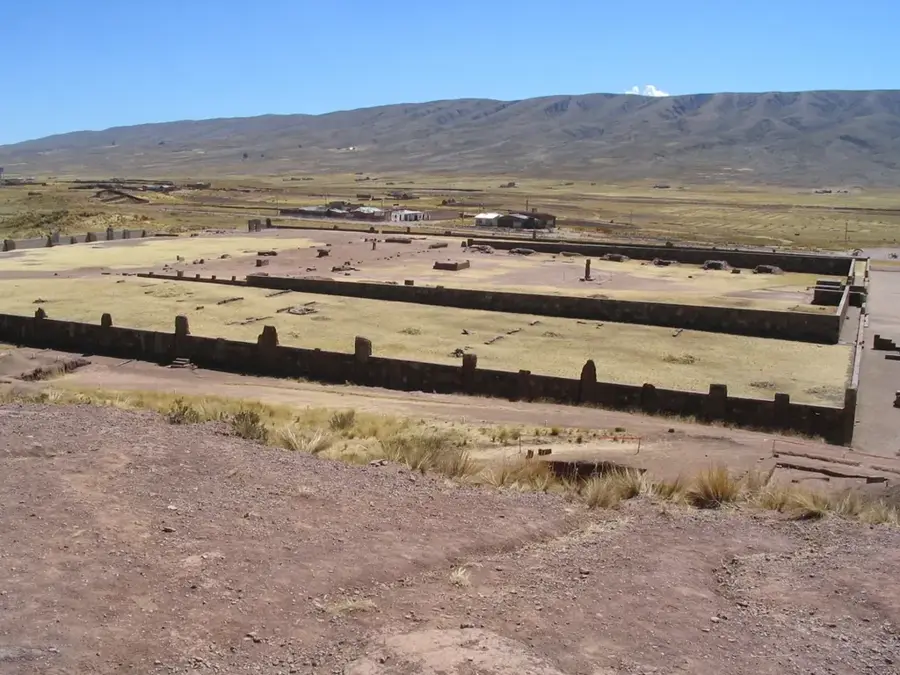
Puma Punku is a sub-complex of the Tiwanaku archaeological site in Bolivia, world-renowned for its extraordinary stonework. The ruins consist of massive megaliths crafted with a level of precision that continues to baffle modern archaeologists and engineers. The stones, some weighing over 130 tons, are cut so accurately that they fit together perfectly without the use of mortar. Many blocks feature complex geometric designs and drill holes, suggesting the use of sophisticated tools and advanced masonry techniques. Built likely in the 6th century AD, Puma Punku served as a major ceremonial center within the Tiwanaku empire. It is believed that the site represented a symbolic gateway or a place of divine creation in Andean cosmology. The spatial arrangement of the structures indicates a strong connection to astronomical events and celestial worship. Despite centuries of looting and weathering, Puma Punku remains one of the most enigmatic examples of ancient architectural achievement.
Explore on the map
How well do you know Bolivia?
Find cities, landscapes and regions in 10 varied challenges on the interactive map.
Your journey, your memory
A postcard from Puma Punku
Turn your own photo into a personal postcard with a local stamp. Free and no sign-up required.
Create a postcard- Location: Bolivia
- Highlights: Qaluyu · Gateway
Best time to visit & climate
The most pleasant time to visit is Sep–Nov.
| Jan | Feb | Mar | Apr | May | Jun | Jul | Aug | Sep | Oct | Nov | Dec | |
|---|---|---|---|---|---|---|---|---|---|---|---|---|
| Avg °C | 9 | 9 | 9 | 8 | 7 | 6 | 5 | 6 | 7 | 9 | 10 | 9 |
| Rain mm | 135 | 114 | 80 | 36 | 15 | 10 | 17 | 23 | 24 | 48 | 45 | 105 |
📋 Practical info
Geography
Facts
- The heaviest stone block in the complex is estimated to weigh 131 tons.
- The primary materials used are andesite and red sandstone.
- Some stones were originally held together by I-shaped metal cramps.
- Puma Punku translates to 'Gate of the Puma' in the local Aymara language.
- The stone quarries are located between 10 and 90 kilometers from the site.
- Radiocarbon dating suggests the construction began around 536–600 AD.
Explore nearby
Notable places around

Route planner — Car & Motorhome
Where do you start? We build the route here, with stops and country notes along the way.
© OpenStreetMap contributors · OpenRouteService
Sights in the town Puma Punku (2)
Sights nearby
Frequently asked questions
What makes Puma Punku so special?
Is Puma Punku part of Tiwanaku?
How heavy are the largest stones?
Can you touch the stones?
When is the best time to visit?
Puma Punku: where is it located?
Puma Punku: what is there to see?
Puma Punku: when is the best time to visit?
Puma Punku: why is it worth visiting?
History & landmarks
Nature
More places