Plizio Visual Lab
Lake Titicaca
Weather…
Water temperature…
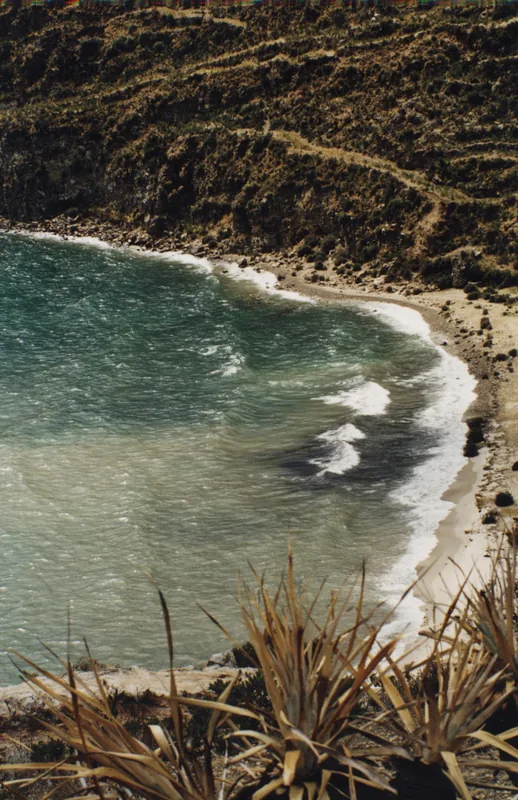
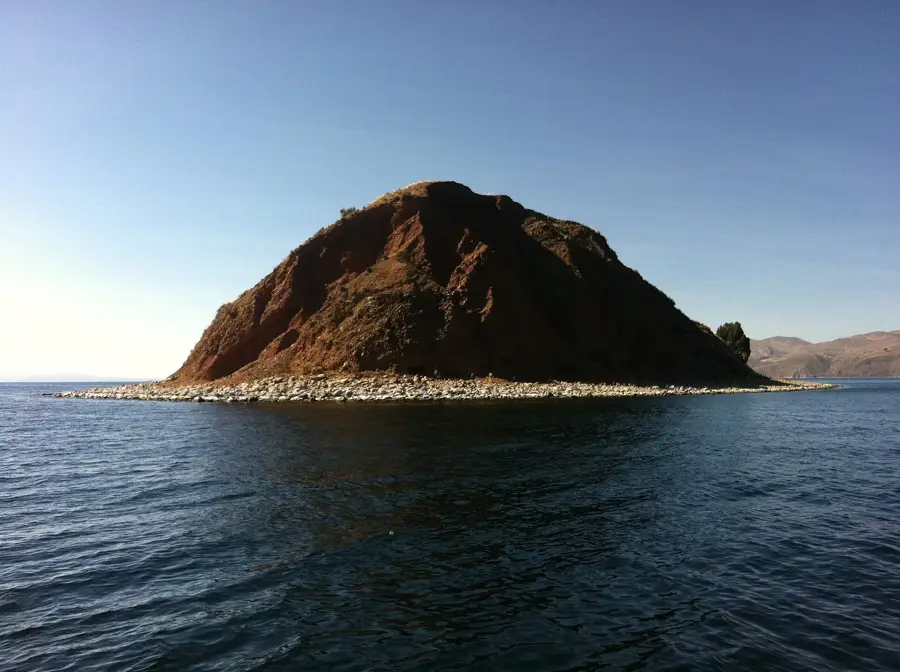
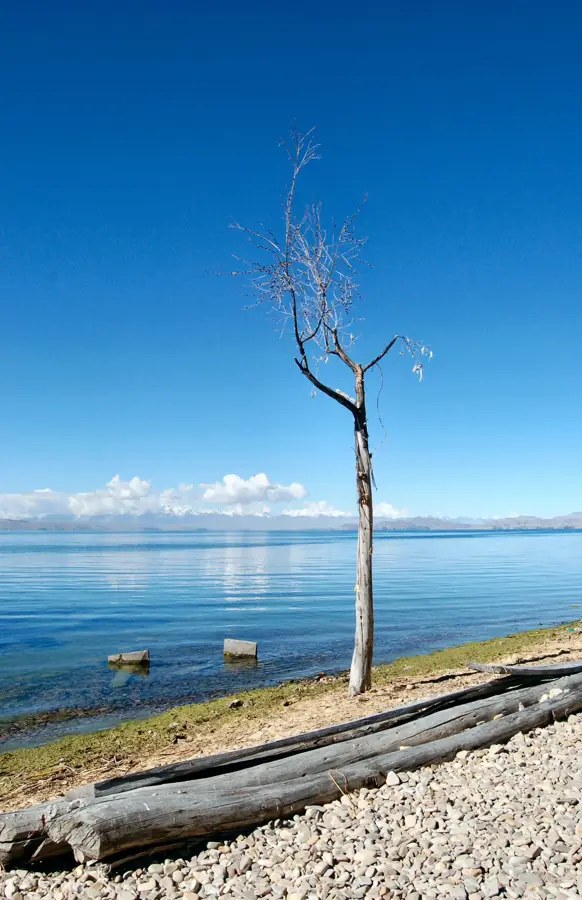
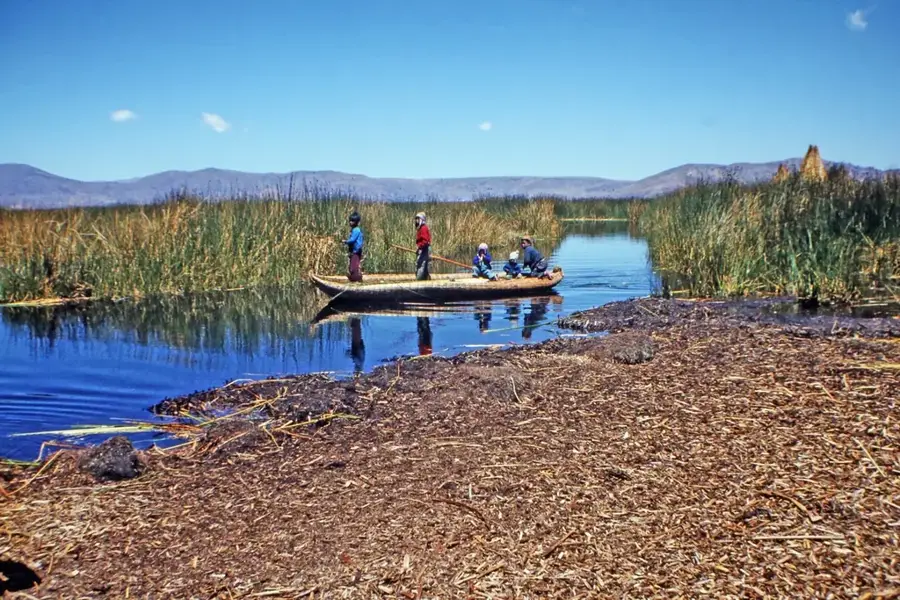
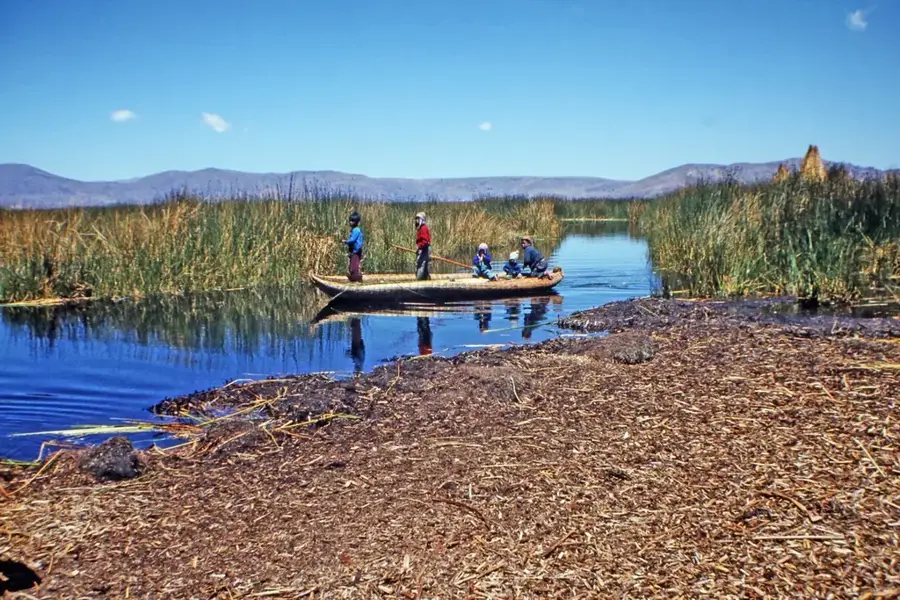
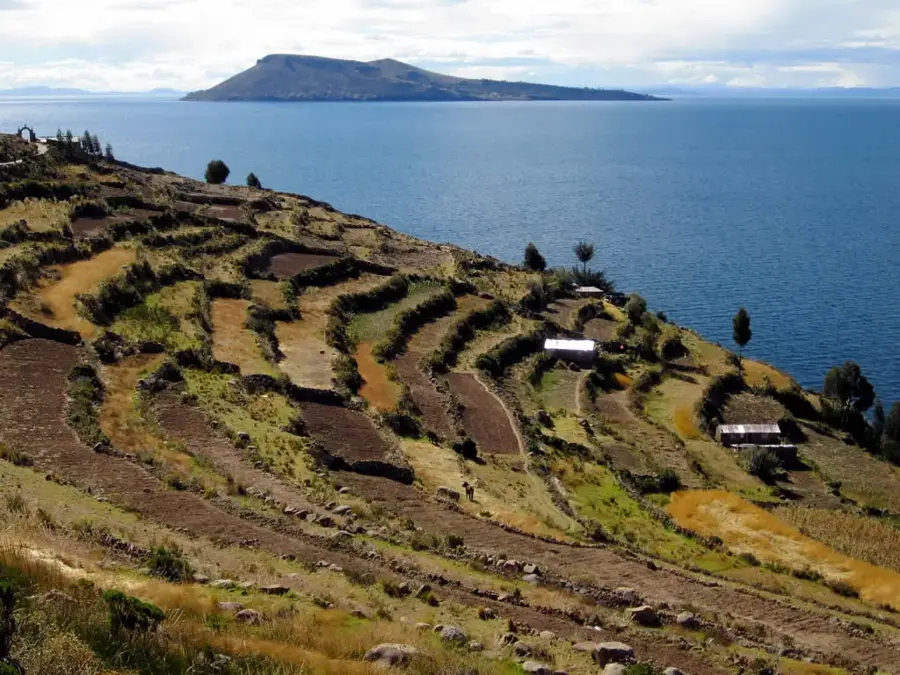
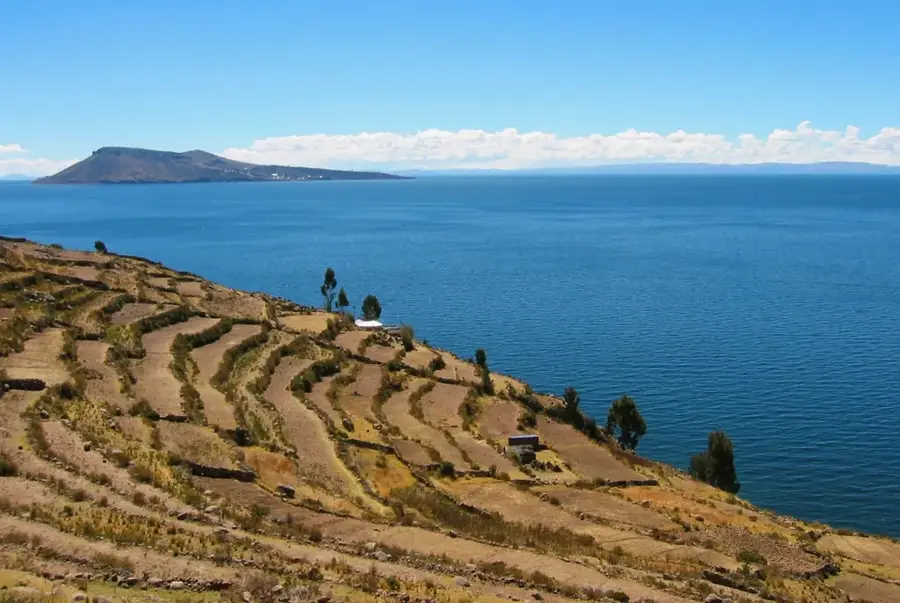
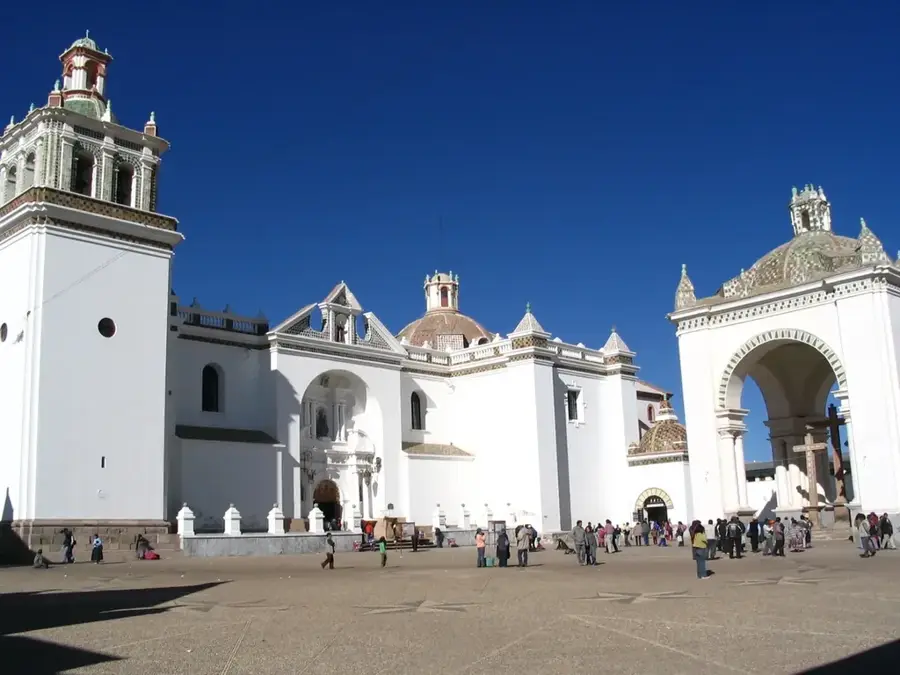
Lake Titicaca, straddling the border of Bolivia and Peru, is the largest freshwater lake in South America and the highest commercially navigable lake in the world at 3,812 meters above sea level. Spanning 8,372 square kilometers, it is divided into two parts: Lago Grande and the smaller Lago Huiñaymarca, joined by the Strait of Tiquina. The lake holds immense cultural significance, as it was considered the birthplace of the Inca civilization, with legends stating that the sun god emerged from its waters. It is home to more than 530 aquatic species, including the critically endangered Titicaca water frog. The Bolivian side is famous for the Isla del Sol (Island of the Sun), featuring extensive archaeological sites and ancient agricultural terraces. Beyond its historical appeal, the lake provides a critical livelihood for thousands of indigenous Aymara and Quechua people who depend on its waters for fishing, agriculture, and reed-based construction.
Explore on the map
How well do you know Bolivia?
Find cities, landscapes and regions in 10 varied challenges on the interactive map.
Your journey, your memory
A postcard from Lake Titicaca
Turn your own photo into a personal postcard with a local stamp. Free and no sign-up required.
Create a postcardBest time to visit & climate
The most pleasant time to visit is May, Sep, Nov.
| Jan | Feb | Mar | Apr | May | Jun | Jul | Aug | Sep | Oct | Nov | Dec | |
|---|---|---|---|---|---|---|---|---|---|---|---|---|
| Avg °C | 10 | 10 | 10 | 9 | 9 | 8 | 7 | 8 | 9 | 10 | 11 | 10 |
| Rain mm | 110 | 110 | 74 | 35 | 13 | 6 | 9 | 9 | 21 | 43 | 36 | 93 |
📋 Practical info
Geography
Facts
- Lake Titicaca is 190 kilometers long and 80 kilometers wide.
- The lake's volume is approximately 893 cubic kilometers.
- It has a maximum depth of 281 meters near the Peruvian side.
- There are over 40 natural and man-made islands on the lake.
- The Desaguadero River is the lake's only major outflow.
- It is often referred to as the 'cradle of the Andean world'.
Explore nearby
Notable places around
Route planner — Car & Motorhome
Where do you start? We build the route here, with stops and country notes along the way.
© OpenStreetMap contributors · OpenRouteService
Sights in the town Lake Titicaca (1)
Sights nearby
Frequently asked questions
Why is Lake Titicaca famous?
Which city is the main hub on the lake in Bolivia?
At what altitude is the lake located?
Are there floating islands?
Can you swim in the lake?
Lake Titicaca: where is it located?
Lake Titicaca: when is the best time to visit?
Lake Titicaca: why is it worth visiting?
History & landmarks
More places