Plizio Visual Lab
Akapana Pyramid
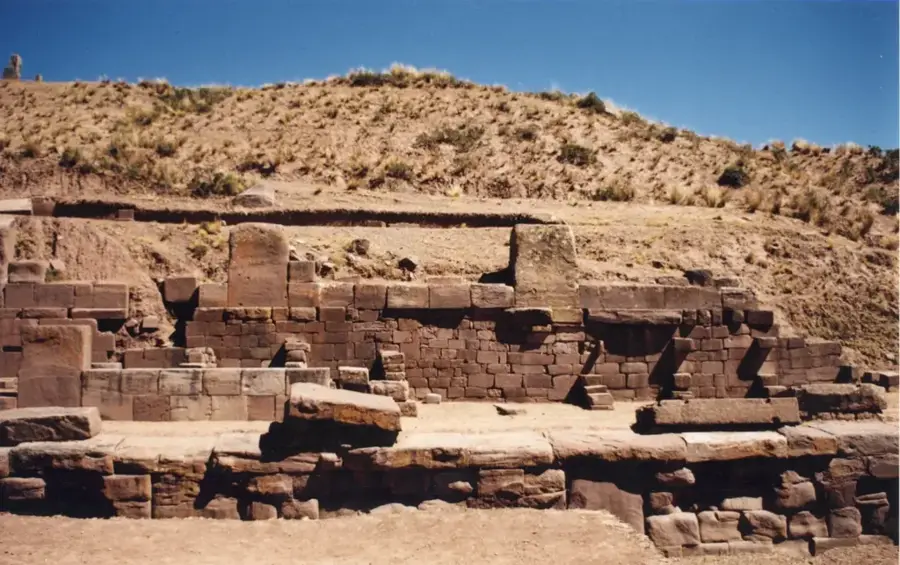
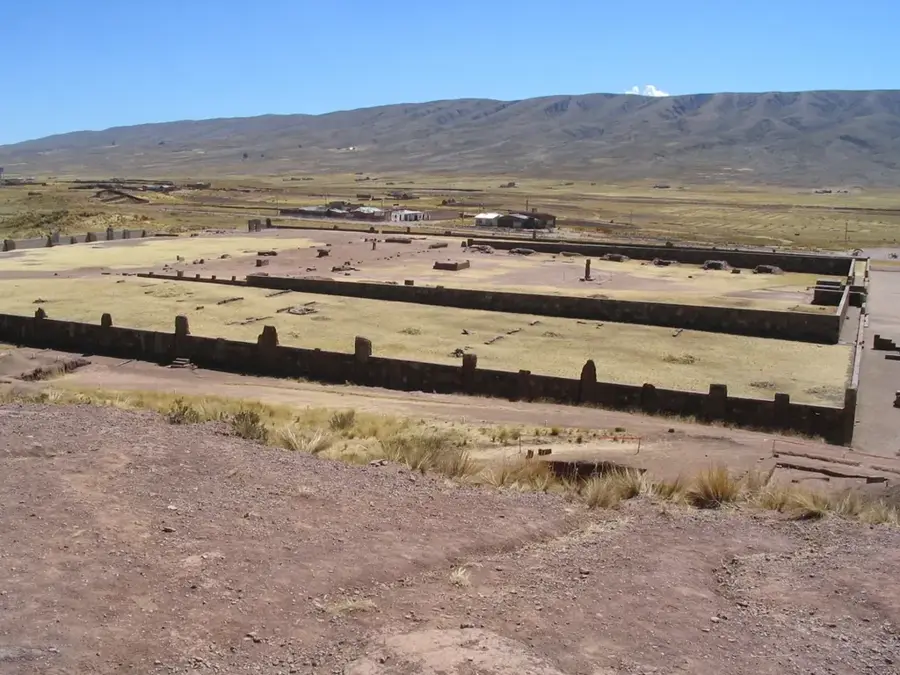
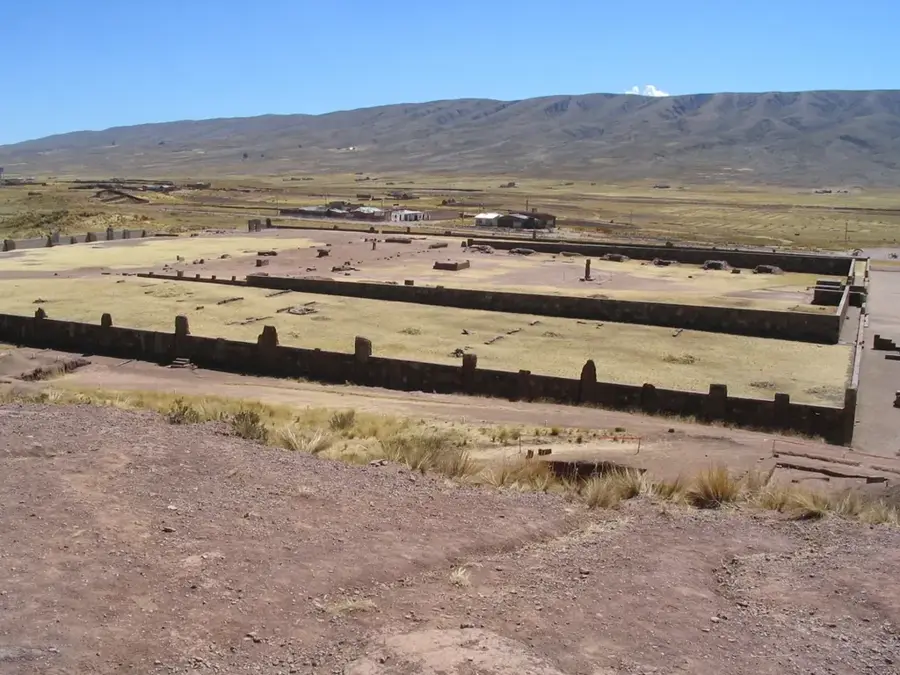
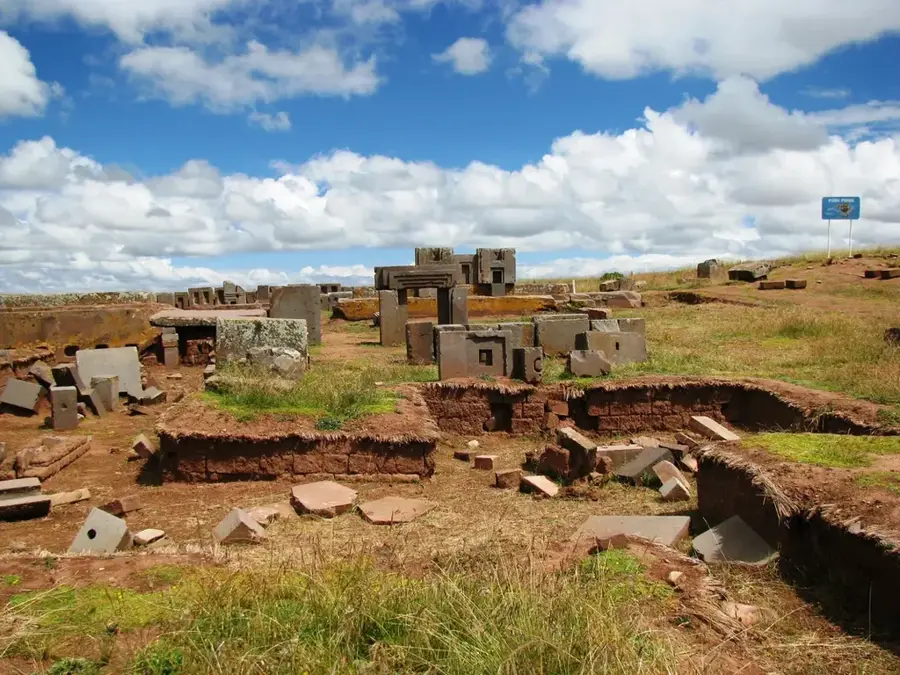
The Akapana pyramid is one of the largest and most imposing structures within the ancient city of Tiwanaku, Bolivia. Originally designed as a seven-tiered terraced pyramid, it once reached a height of approximately 18 meters and was encased in finely polished andesite slabs. The structure likely functioned as a major religious center, modeled after the sacred mountains of the Andes range. Researchers have uncovered a complex system of internal water channels, which are believed to have been used to ritually channel rainwater through the pyramid's levels. This symbolic use of water represented fertility and the vital link between the celestial realm and the earth. The top platform once held temples and residential quarters for the city's elite. Over the centuries, much of the pyramid was dismantled to provide stone for modern buildings and railroads, leaving only a fraction of its former grandeur visible today. Ongoing archaeological efforts are focused on reconstructing its original layout and interpreting its ceremonial significance.
Explore on the map
How well do you know Bolivia?
Find cities, landscapes and regions in 10 varied challenges on the interactive map.
Your journey, your memory
A postcard from Akapana Pyramid
Turn your own photo into a personal postcard with a local stamp. Free and no sign-up required.
Create a postcard- Location: Bolivia
- Highlights: Museo Lítico · Pirámide de Akapana · Mullukuntu
Best time to visit & climate
The most pleasant time to visit is Sep–Nov.
| Jan | Feb | Mar | Apr | May | Jun | Jul | Aug | Sep | Oct | Nov | Dec | |
|---|---|---|---|---|---|---|---|---|---|---|---|---|
| Avg °C | 9 | 9 | 9 | 8 | 7 | 6 | 5 | 6 | 7 | 9 | 10 | 9 |
| Rain mm | 135 | 114 | 80 | 36 | 15 | 10 | 17 | 23 | 24 | 48 | 45 | 105 |
📋 Practical info
Geography
Facts
- The base of the pyramid measures approximately 210 by 210 meters.
- The structure is precisely aligned with the cardinal directions.
- Internal excavations have revealed evidence of human and animal sacrifices.
- Some of the masonry was reinforced using molten copper clamps.
- The pyramid underwent massive expansion between 200 and 600 AD.
- Much of its original stone casing was looted in the 20th century for railroad construction.
Explore nearby
Notable places around

Route planner — Car & Motorhome
Where do you start? We build the route here, with stops and country notes along the way.
© OpenStreetMap contributors · OpenRouteService
Sights in the town Akapana Pyramid (6)
Sights nearby
Frequently asked questions
What is the Akapana Pyramid?
Is the pyramid fully excavated?
Are you allowed to climb the pyramid?
Are there drainage systems there?
How large is the structure?
Akapana Pyramid: where is it located?
Akapana Pyramid: what is there to see?
Akapana Pyramid: when is the best time to visit?
Akapana Pyramid: why is it worth visiting?

History & landmarks
Nature
More places