Plizio Visual Lab
Wangchuck Centennial National Park
Weather…
Water temperature…
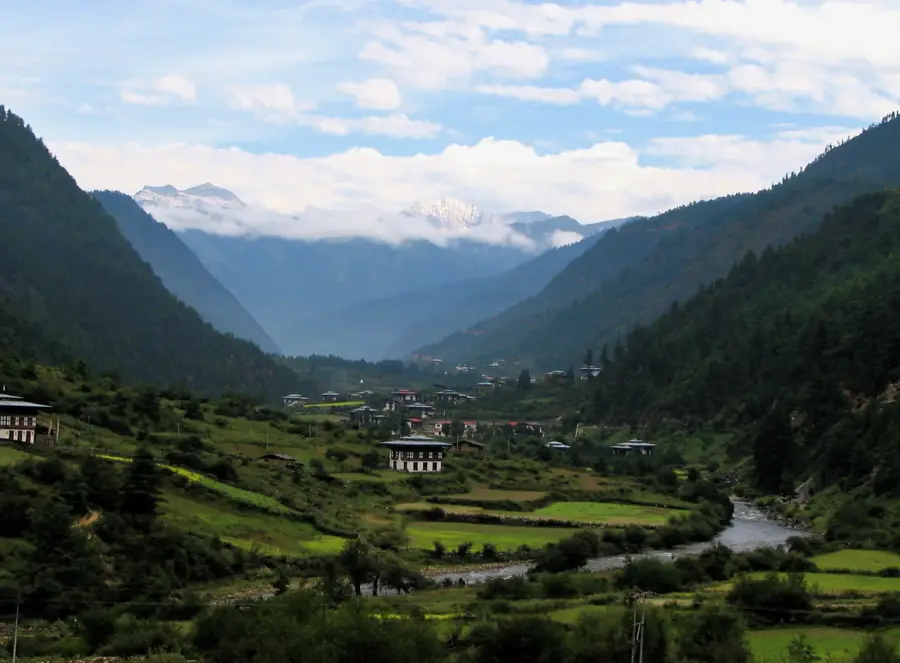
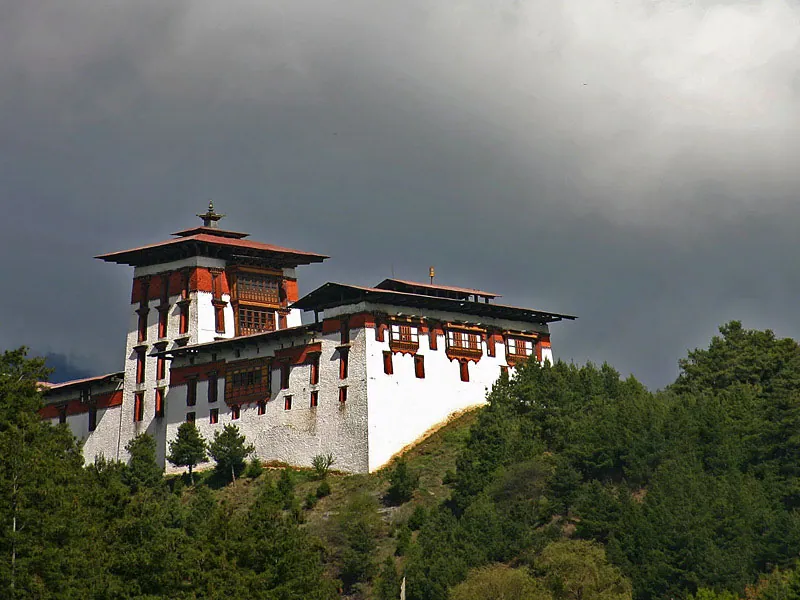
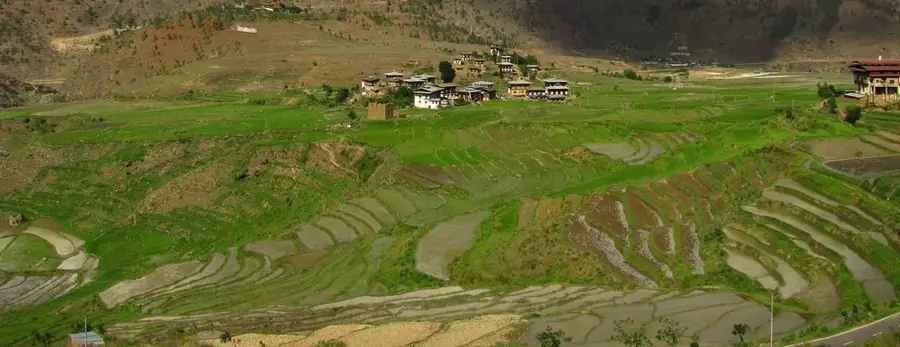
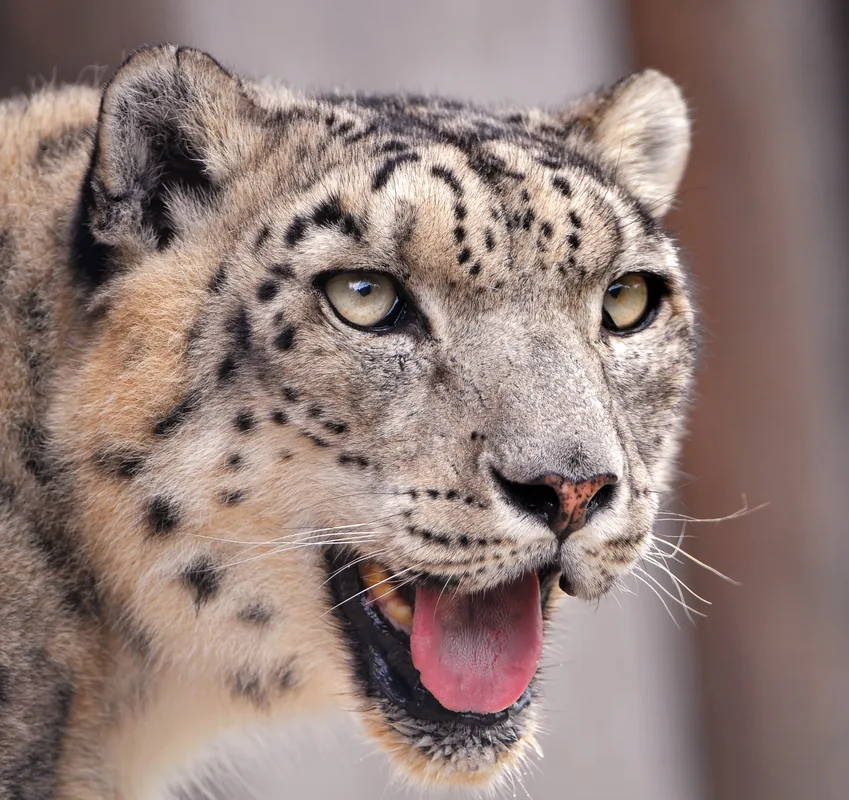
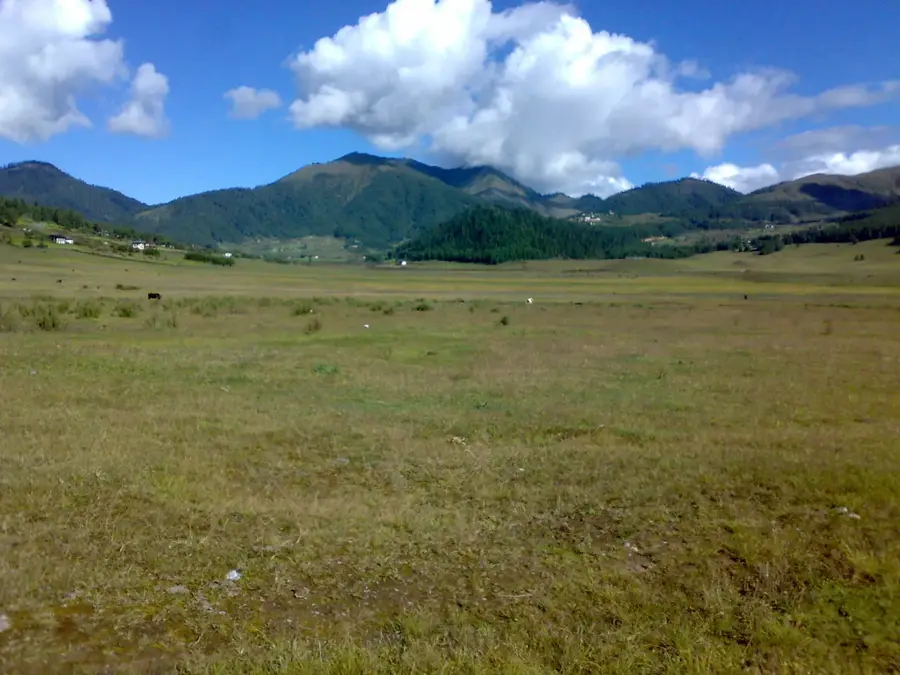
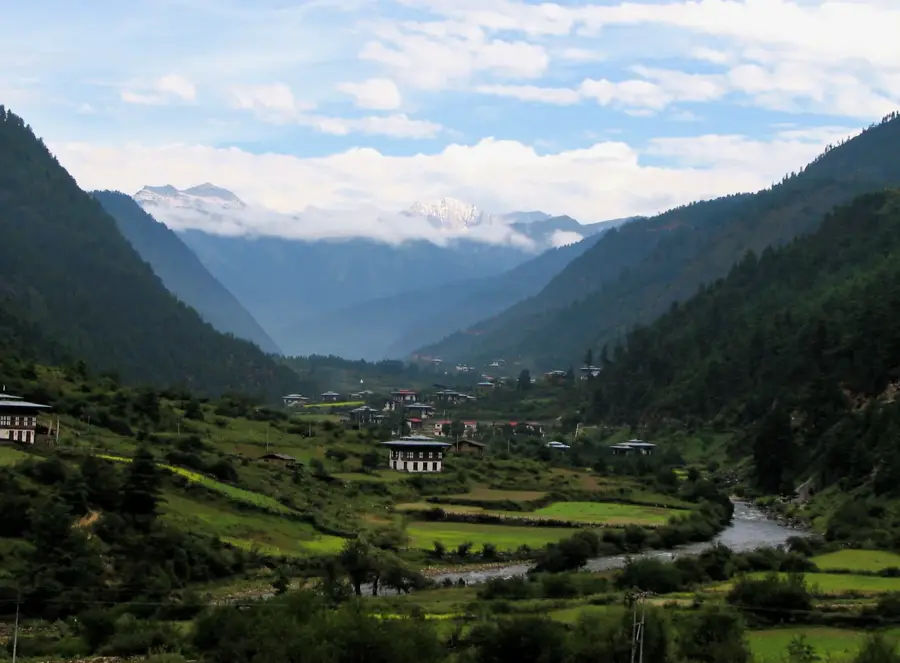
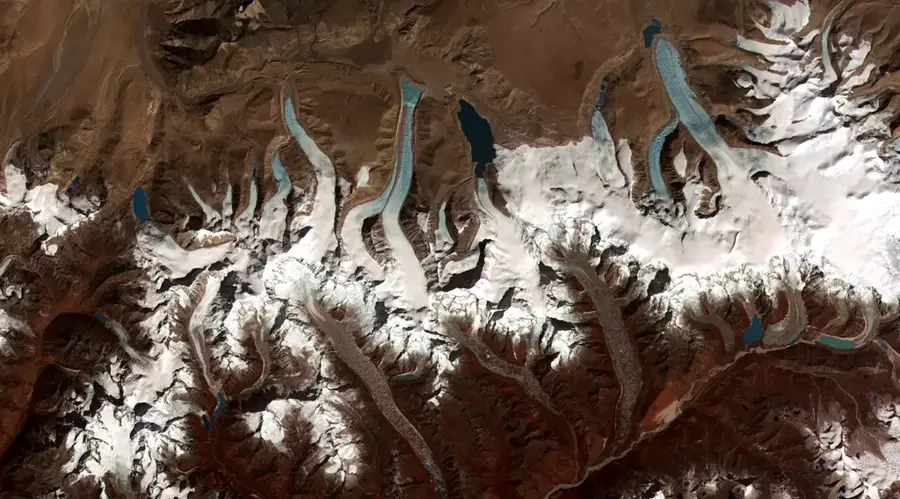
Wangchuck Centennial National Park was established in 2008 to commemorate 100 years of the Wangchuck dynasty. At 4,914 square kilometers, it is Bhutan's largest national park. It spans five districts in the northern part of the country, bordering China's Tibet Autonomous Region. The park protects the headwaters of four of Bhutan's major river systems: the Punatsang Chhu, Mangde Chhu, Chamkhar Chhu, and Kuri Chhu. Its landscape is dominated by alpine meadows, glaciers, and the country's highest mountain peaks, including the unclimbed Gangkhar Puensum. The park is a critical habitat for the Bengal tiger at extreme altitudes, as well as for snow leopards and Himalayan black bears. The region is also known for its unique culture and the isolated villages of Layap and Lunana, home to semi-nomadic communities. The park plays a crucial role in maintaining Bhutan's water security.
Explore on the map
How well do you know Bhutan?
Find cities, landscapes and regions in 10 varied challenges on the interactive map.
Your journey, your memory
A postcard from Wangchuck Centennial National Park
Turn your own photo into a personal postcard with a local stamp. Free and no sign-up required.
Create a postcard- Location: Bhutan
- Nearby: Jakar (28 km)
Best time to visit & climate
The most pleasant time to visit is Jun, Aug, Sep.
| Jan | Feb | Mar | Apr | May | Jun | Jul | Aug | Sep | Oct | Nov | Dec | |
|---|---|---|---|---|---|---|---|---|---|---|---|---|
| Avg °C | -5 | -3 | -1 | 2 | 5 | 8 | 9 | 9 | 7 | 3 | -1 | -3 |
| Rain mm | 3 | 7 | 13 | 32 | 55 | 85 | 145 | 113 | 60 | 27 | 3 | 2 |
📋 Practical info
Geography
Facts
- Covers an area of 4,914 km².
- Established in December 2008.
- Important source of several major rivers.
Explore nearby
Notable places around
Route planner — Car & Motorhome
Where do you start? We build the route here, with stops and country notes along the way.
© OpenStreetMap contributors · OpenRouteService
Sights nearby
Frequently asked questions
When was the park established?
Is this the largest park in Bhutan?
What landscapes can be found here?
Do people live within the national park?
Is the park easily accessible for tourists?
Wangchuck Centennial National Park: where is it located?
Wangchuck Centennial National Park: when is the best time to visit?
Wangchuck Centennial National Park: why is it worth visiting?
Nearby cities
History & landmarks

Nature
More places