Plizio Visual Lab
Columbus Monument Long Island
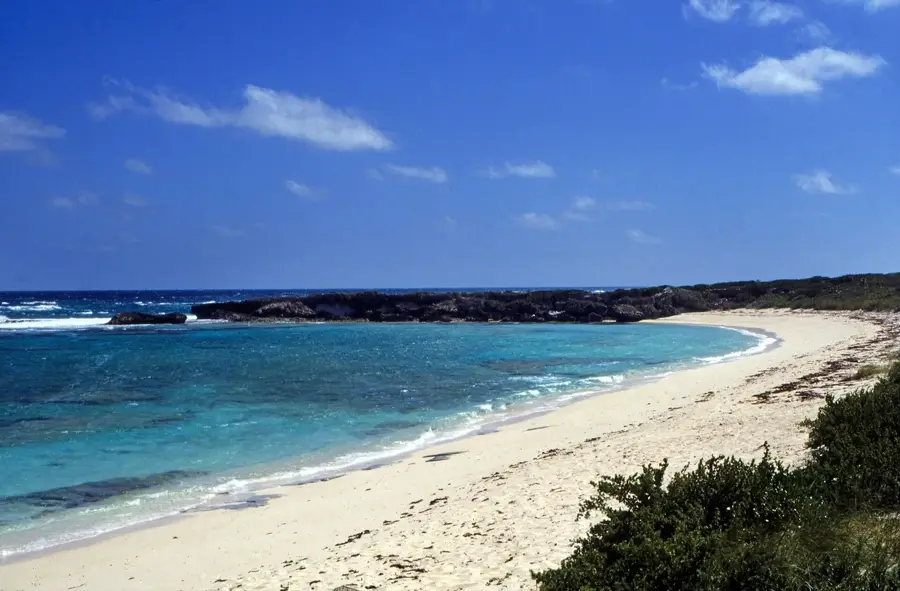
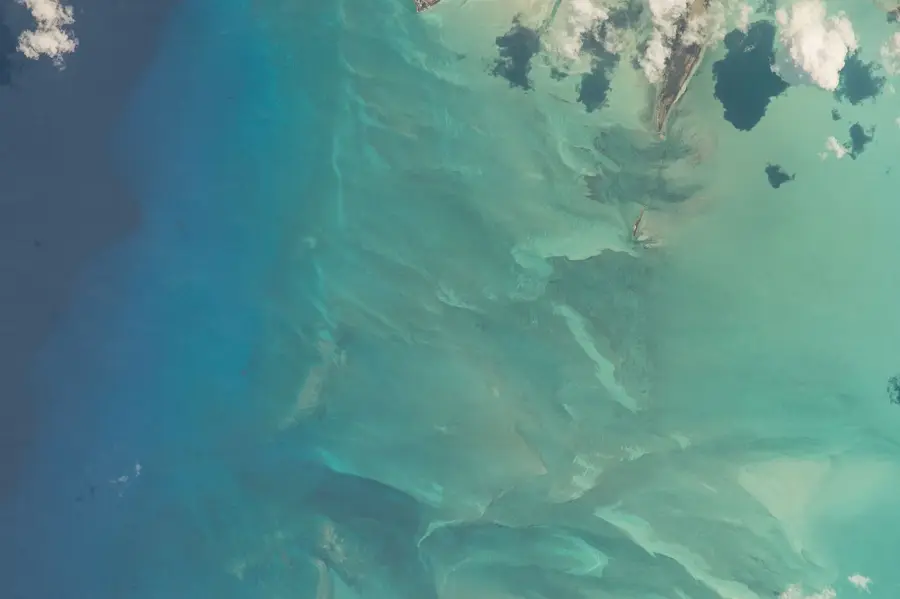
The Columbus Monument on Long Island is a poignant historical landmark signifying the third landfall of Christopher Columbus during his initial voyage to the New World in 1492. Situated on a towering limestone bluff at Cape Santa Maria, the northernmost tip of the island, the simple white obelisk overlooks the dramatic meeting point of the Caribbean Sea and the Atlantic Ocean. Before the Spanish arrival, the island was inhabited by the Lucayan people who referred to it as 'Yuma'; Columbus later renamed it 'Fernandina' to honor King Ferdinand of Spain. The site serves as a memorial to the monumental encounter between European explorers and the indigenous Caribbean populations, an event that heralded the start of modern global history. Erected to commemorate the quincentennial of the landing, the monument is accessible via a rugged trail through native scrubland. It features a solemn space for reflection on the complexities of the colonial era and the tragic fate of the Lucayans, set against one of the most sweeping coastal vistas in the Bahamian archipelago.
Explore on the map
How well do you know Bahamas?
Find cities, landscapes and regions in 10 varied challenges on the interactive map.
Your journey, your memory
A postcard from Columbus Monument Long Island
Turn your own photo into a personal postcard with a local stamp. Free and no sign-up required.
Create a postcard- Location: Bahamas
- Nearby: Dunmore (16 km)
Best time to visit & climate
The most pleasant time to visit is Jan–Mar.
| Jan | Feb | Mar | Apr | May | Jun | Jul | Aug | Sep | Oct | Nov | Dec | |
|---|---|---|---|---|---|---|---|---|---|---|---|---|
| Avg °C | 24 | 24 | 24 | 25 | 26 | 28 | 29 | 29 | 29 | 28 | 26 | 25 |
| Rain mm | 23 | 18 | 17 | 31 | 74 | 77 | 60 | 65 | 81 | 87 | 49 | 25 |
📋 Practical info
Geography
Facts
- The monument marks Columbus's third landfall on October 17, 1492.
- Located at Cape Santa Maria, named after one of his ships.
- The indigenous Lucayan name for the island was 'Yuma'.
- The obelisk is positioned on a high bluff overlooking the ocean.
- It was established as part of the 1992 Quincentennial celebrations.
- The site is accessible by a hiking trail from nearby resorts.
Explore nearby
Notable places around
Route planner — Car & Motorhome
Where do you start? We build the route here, with stops and country notes along the way.
© OpenStreetMap contributors · OpenRouteService
Sights nearby
Frequently asked questions
Where exactly is the monument?
Is the path there difficult?
What commemorates Columbus here?
Are there toilets?
Is it free to visit?
Columbus Monument Long Island: where is it located?
Columbus Monument Long Island: when is the best time to visit?
Columbus Monument Long Island: why is it worth visiting?

Nearby cities
History & landmarks
More places