Plizio Visual Lab
Eagle Fountain Garden
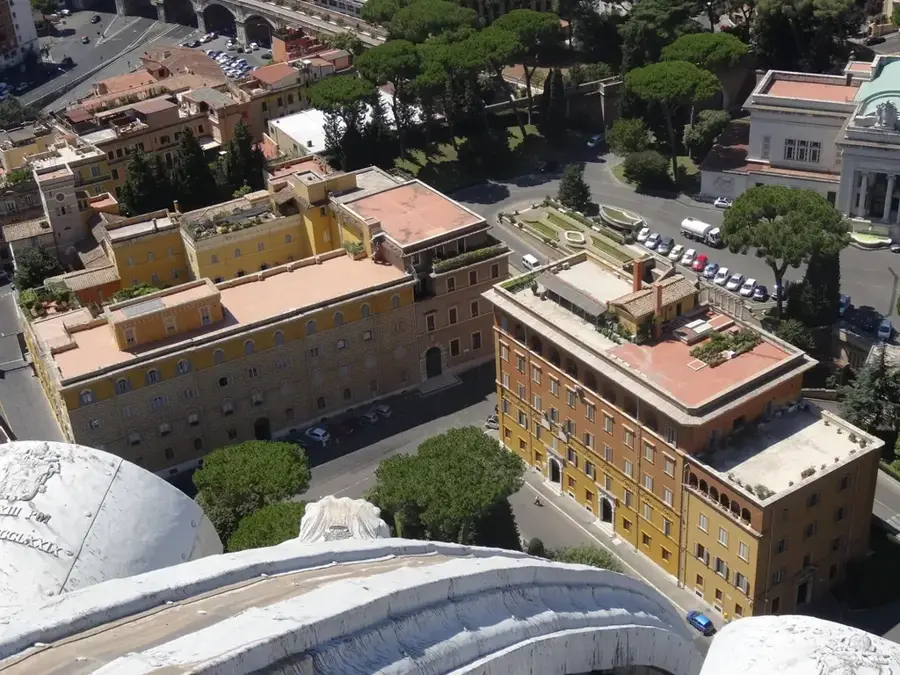
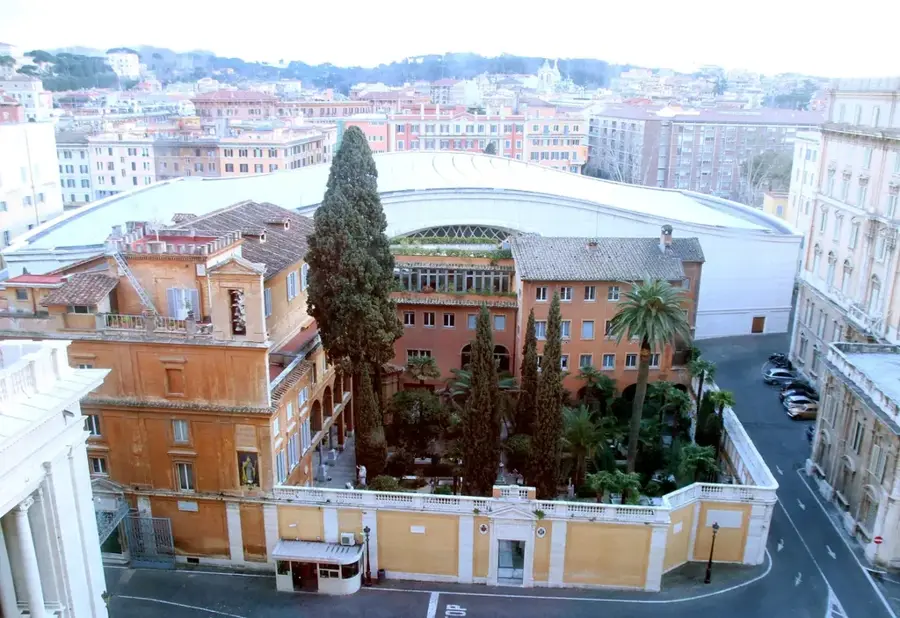
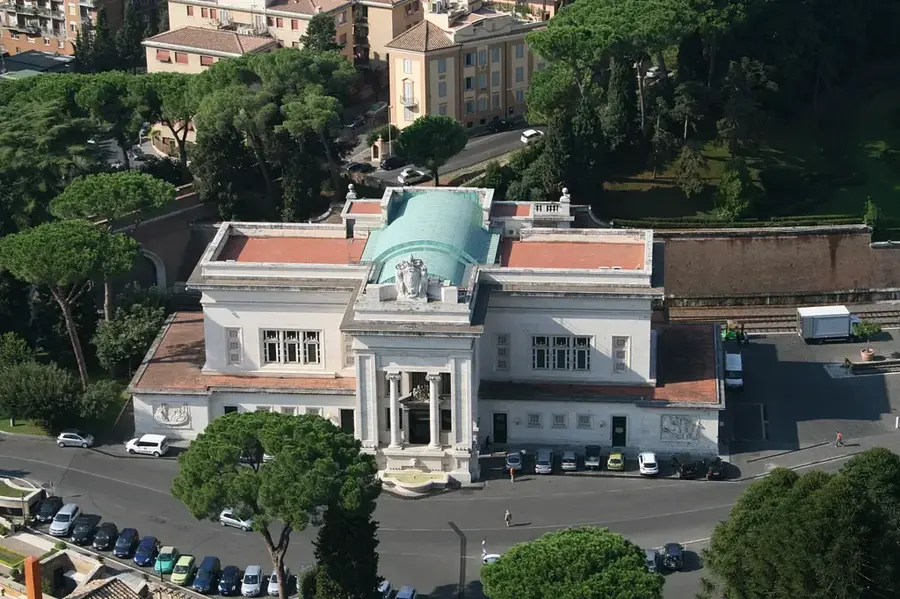
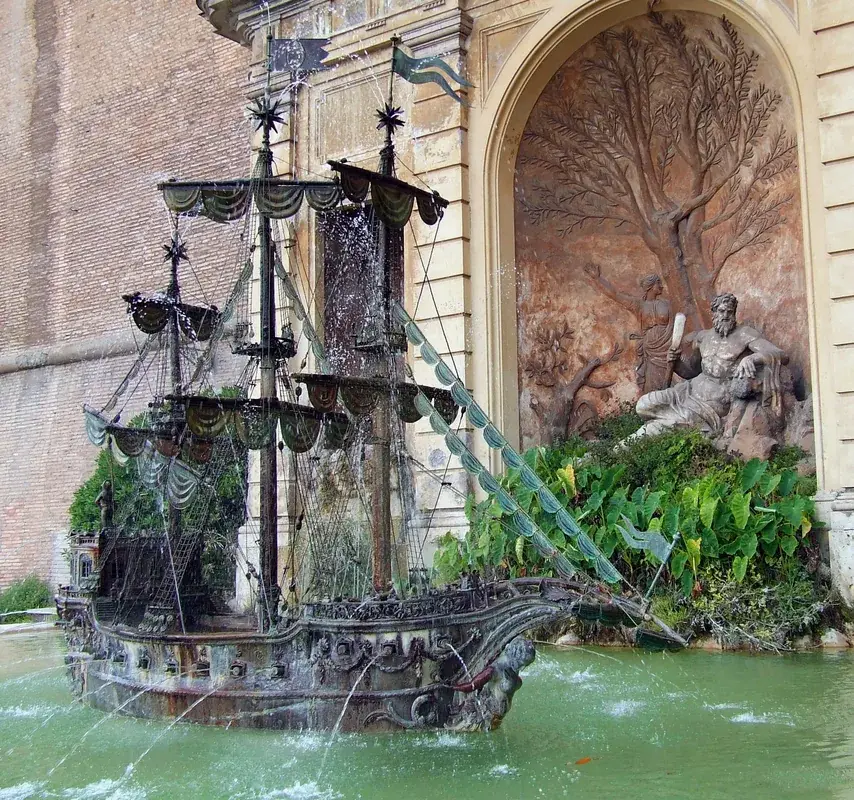
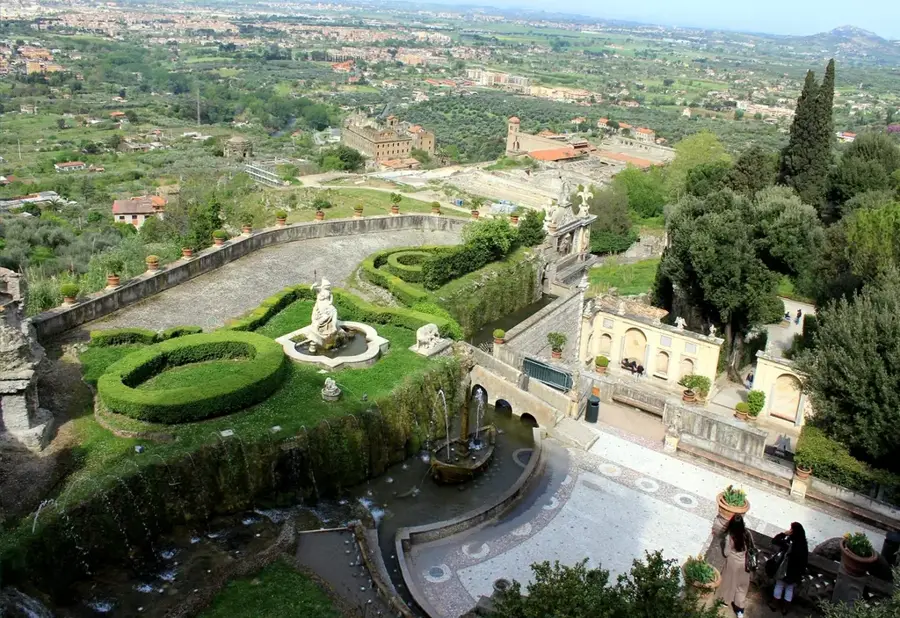
The Eagle Fountain (Fontana dell'Aquila) is one of the most spectacular water features in the Vatican Gardens and forms the center of a magnificently designed garden area. Erected between 1611 and 1612 by commission of Pope Paul V Borghese, the monument was designed by the architect Giovanni Vasanzio. The fountain celebrates the restoration of the ancient Acqua Paola aqueduct, which channeled water from Lake Bracciano to the Vatican. The architectural design is modeled after an ancient triumphal arch and is crafted from travertine, with the namesake eagle, the heraldic animal of the Borghese family, crowning the top. Below the main arch, water cascades over artificial rocks into a large basin, flanked by statues and water-spouting dragons. The surrounding garden is designed to emphasize the drama of the flowing water, with shaded paths and classic Italian planting. This structure is not only a masterpiece of the Baroque but also a symbol of papal power over natural resources. The fountain continues to serve as an important landmark for visitors to the gardens and is an example of the masterly combination of engineering and aesthetics in the early modern period.
Explore on the map
How well do you know Vatican?
Find cities, landscapes and regions in 10 varied challenges on the interactive map.
Your journey, your memory
A postcard from Eagle Fountain Garden
Turn your own photo into a personal postcard with a local stamp. Free and no sign-up required.
Create a postcard- Location: Vatican
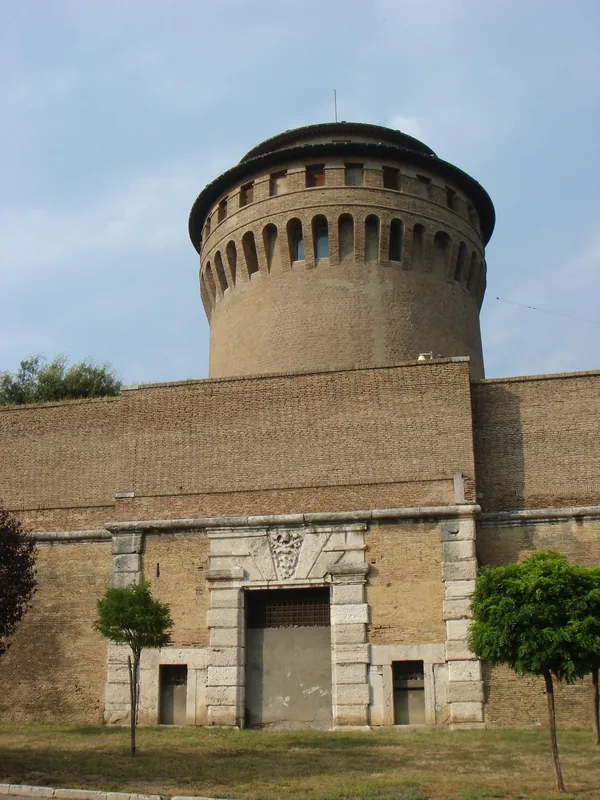
- Highlights: Lourdes Grotto · Vatican Hill · St John's Tower
Best time to visit & climate
The most pleasant time to visit is May, Jun, Sep.
| Jan | Feb | Mar | Apr | May | Jun | Jul | Aug | Sep | Oct | Nov | Dec | |
|---|---|---|---|---|---|---|---|---|---|---|---|---|
| Avg °C | 7 | 8 | 10 | 14 | 18 | 23 | 26 | 26 | 21 | 17 | 12 | 8 |
| Rain mm | 73 | 77 | 69 | 56 | 57 | 34 | 26 | 26 | 70 | 82 | 114 | 92 |
📋 Practical info
Geography
Facts
- Built under Pope Paul V Borghese in 1611.
- Designed by the architect Giovanni Vasanzio (Jan van Santen).
- Celebrates the arrival of water from the Acqua Paola aqueduct.
- Features the Borghese eagle as a central heraldic symbol.
- Crafted from massive Roman travertine stone.
- Represents a fusion of engineering skill and Baroque art.
Explore nearby
Notable places around
Route planner — Car & Motorhome
Where do you start? We build the route here, with stops and country notes along the way.
© OpenStreetMap contributors · OpenRouteService
Sights in the town Eagle Fountain Garden (10)
St Mary's Church
Church building in Vatican City, dedicated to Saint Mary.
Saint Stephen of the Ethiopians⛪ church
Church of Vatican City, dedicated to Saint Stephen, with Ethiopian ties.
Cupola di San Pietro
Dome of St. Peter's Basilica in Vatican City, an architectural masterpiece.
Dome of Saint Peter
Viewpoint on the dome of St. Peter's Basilica, offering views of Rome.
Pius IV House
Seat of the Pontifical Academy of Sciences, named after Pope Pius IV.
Saint Peter's Basilica
Church in Vatican City, one of the largest churches in the world.
Sights nearby
Frequently asked questions
Why is it called the Eagle Fountain?
When was the fountain built?
Who was the architect?
What is special about the construction?
Can you see the fountain up close?
Eagle Fountain Garden: where is it located?
Eagle Fountain Garden: what is there to see?
Eagle Fountain Garden: when is the best time to visit?
Eagle Fountain Garden: why is it worth visiting?
History & landmarks
Nature
More places