Plizio Visual Lab
Palm Tree Collection
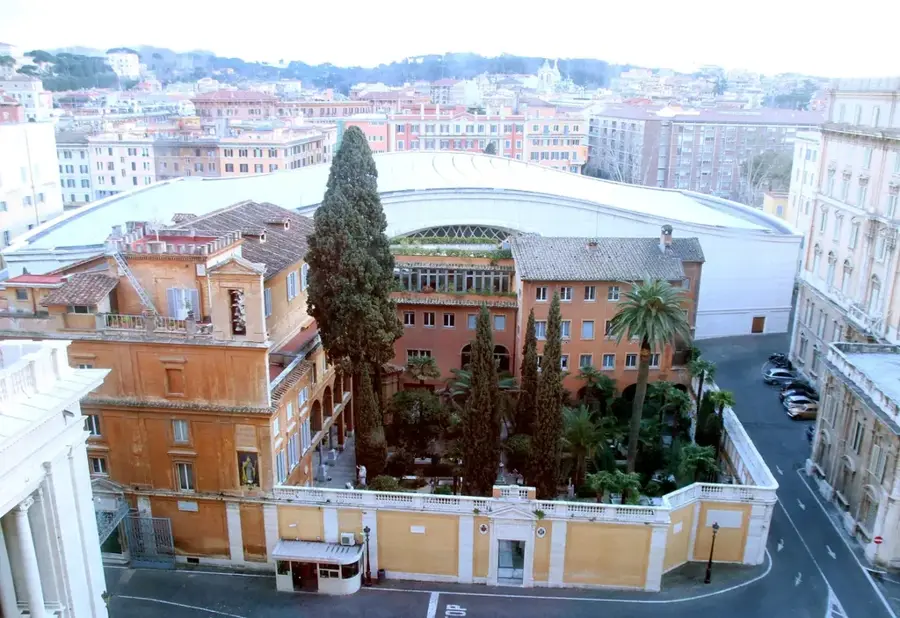
The Vatican City Palm Tree Collection showcases an extraordinary diversity of species from around the globe, serving as a botanical symbol of the Catholic Church's universality. Over several decades, many of these specimens arrived in Rome as diplomatic gifts from foreign delegations, particularly from nations in Africa, Latin America, and the Caribbean. The collection ranges from the classic Date Palm (Phoenix dactylifera) to more exotic varieties like the Dwarf Fan Palm and the majestic Washingtonia. Botanically, maintaining these palms is a sophisticated task, requiring innovative biological treatments to protect them from invasive pests like the red palm weevil. The palms are strategically positioned throughout the gardens to provide exotic accents and evoke the biblical significance of the palm branch as a symbol of victory and peace. Historically, the collection expanded significantly during the late 19th and early 20th centuries as part of an effort to create a global representation of flora within the papal state. The broad, fan-shaped fronds provide essential shade for the garden pathways during intense Roman summers. Careful landscape management ensures that these towering plants do not obstruct the iconic sightlines toward St. Peter's Basilica. Today, the collection is recognized as one of the most significant and well-documented palm ensembles in Italy.
Explore on the map
How well do you know Vatican?
Find cities, landscapes and regions in 10 varied challenges on the interactive map.
Your journey, your memory
A postcard from Palm Tree Collection
Turn your own photo into a personal postcard with a local stamp. Free and no sign-up required.
Create a postcard- Location: Vatican
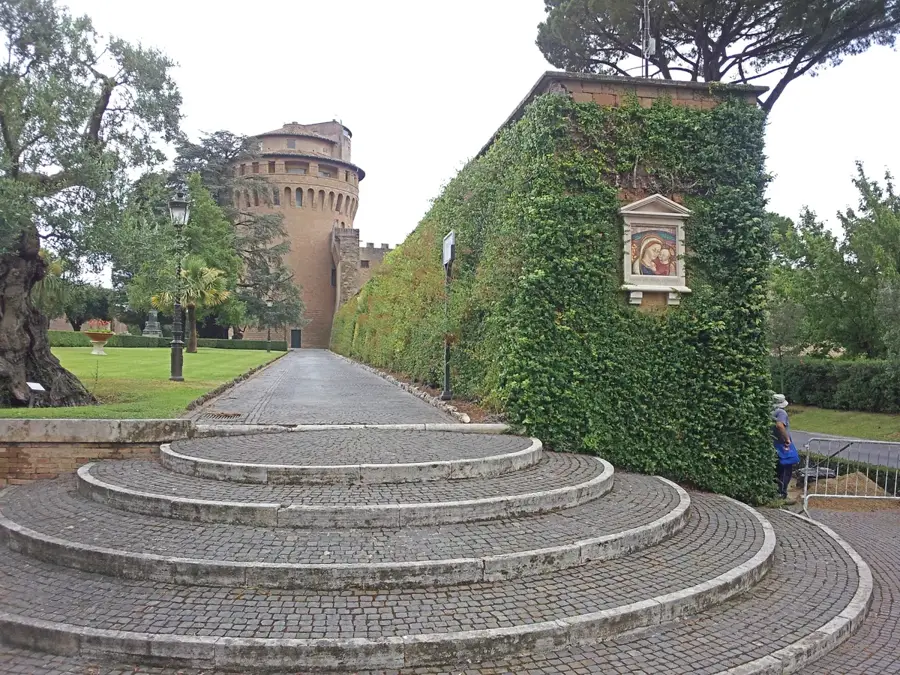
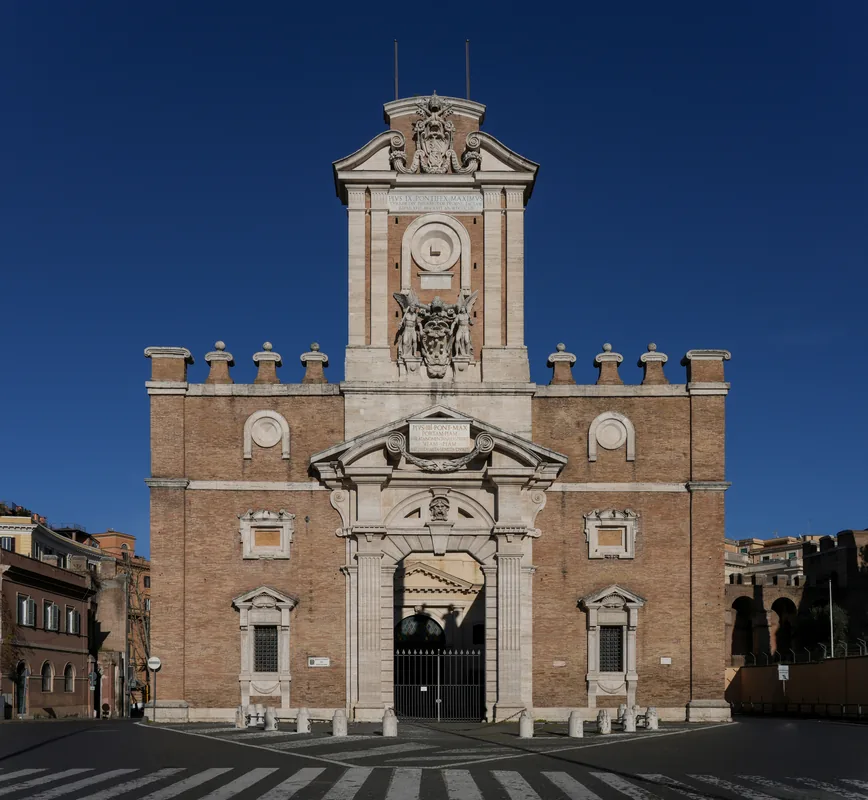
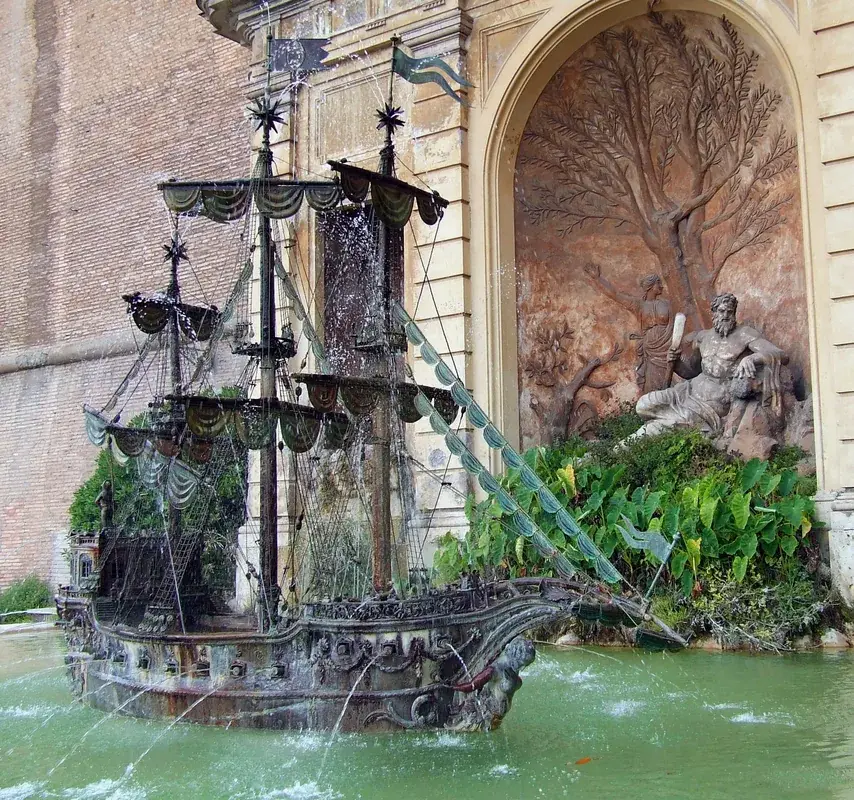
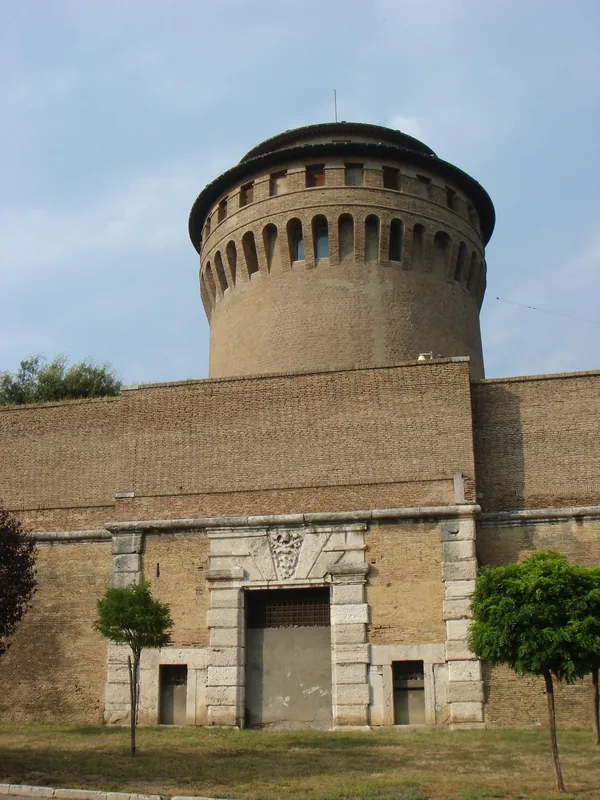
- Highlights: St John's Tower · Porta Pertusa · Lourdes Grotto
Best time to visit & climate
The most pleasant time to visit is May, Jun, Sep.
| Jan | Feb | Mar | Apr | May | Jun | Jul | Aug | Sep | Oct | Nov | Dec | |
|---|---|---|---|---|---|---|---|---|---|---|---|---|
| Avg °C | 7 | 8 | 10 | 14 | 18 | 23 | 26 | 26 | 21 | 17 | 12 | 8 |
| Rain mm | 73 | 77 | 69 | 56 | 57 | 34 | 26 | 26 | 70 | 82 | 114 | 92 |
📋 Practical info
Geography
Facts
- The collection features more than 15 distinct species of palm trees.
- Several significant specimens were planted to commemorate the Great Jubilee of 2000.
- Vatican arborists use advanced pheromone traps for chemical-free pest control.
- Biblically, the palm is a primary symbol representing Christ's entry into Jerusalem.
- A large portion of the collection consists of gifts from African and Latin American dioceses.
- The tallest palms in the garden exceed 15 meters in height.
Explore nearby
Notable places around

Route planner — Car & Motorhome
Where do you start? We build the route here, with stops and country notes along the way.
© OpenStreetMap contributors · OpenRouteService
Sights in the town Palm Tree Collection (10)
St Mary's Church
Church building in Vatican City, dedicated to the Virgin Mary.
Saint Stephen of the Ethiopians⛪ church
Church of the Vatican City, dedicated to Ethiopian saints.
Chiesa di Santa Maria Mediatrice
Church building in Rome, Italy, dedicated to Mary Mediatrix.
Teatro Cyrano
Theatre in Rome, venue for stage performances.
Cupola di San Pietro
Dome of St. Peter's Basilica in Vatican City, a Roman landmark.
Pius IV House
Seat of the Pontifical Academy of Sciences in Vatican City.
Sights nearby
Frequently asked questions
How many palm species are here?
Are you allowed to touch the palms?
Are the palms protected in winter?
Where do the plants come from?
When is the best time to visit?
Palm Tree Collection: where is it located?
Palm Tree Collection: what is there to see?
Palm Tree Collection: when is the best time to visit?
Palm Tree Collection: why is it worth visiting?

History & landmarks



Nature

More places