Plizio Visual Lab
Citrus Grove

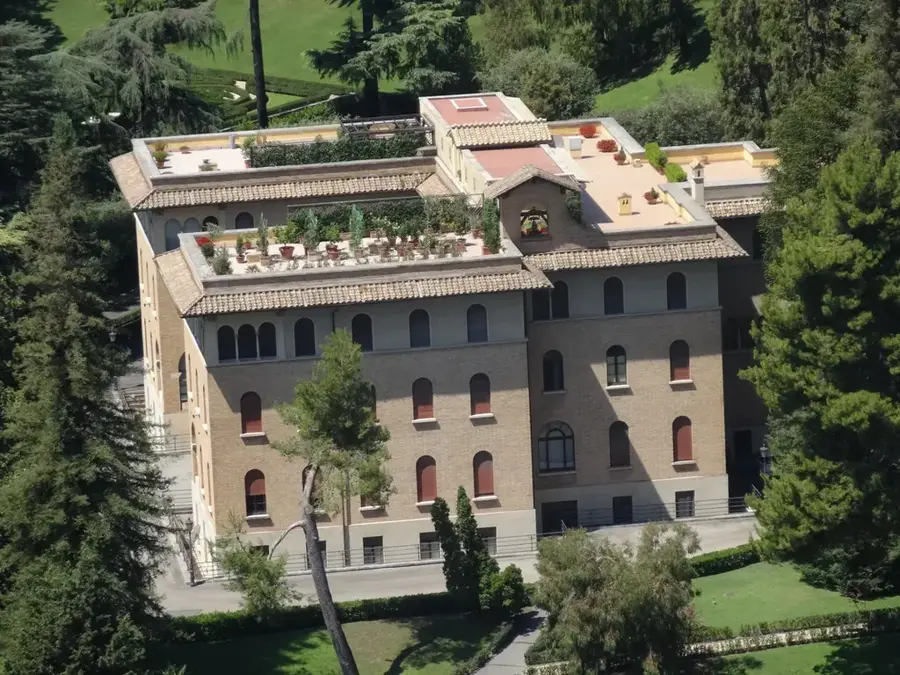
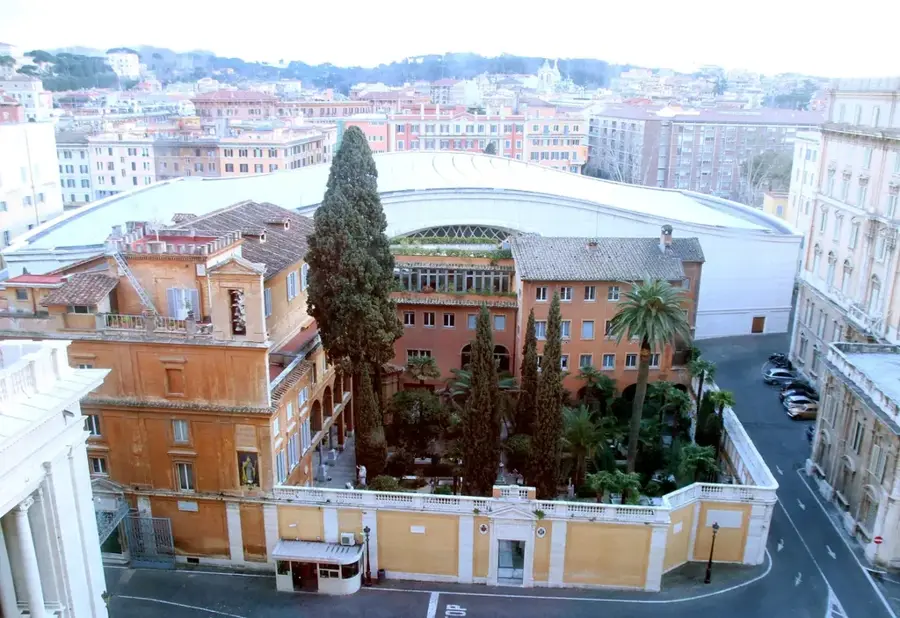
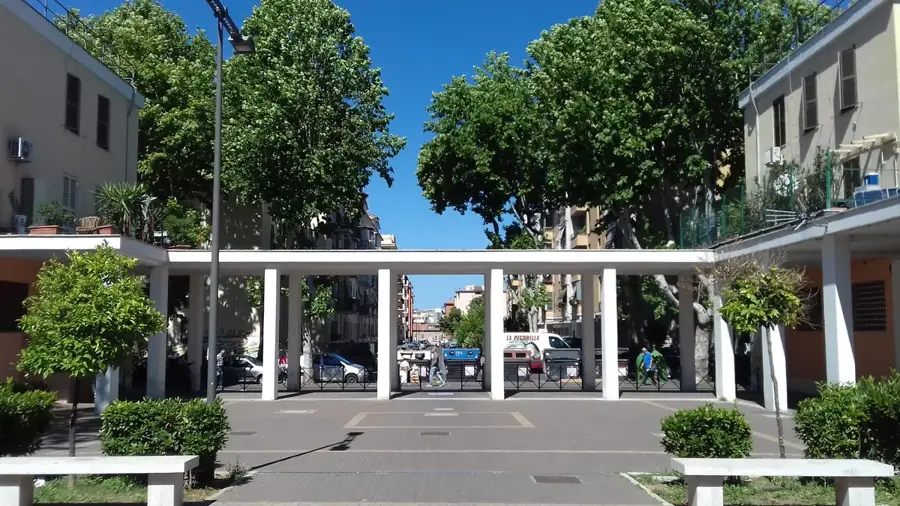
The Vatican City Citrus Grove is a living continuation of the ancient Roman 'limonaie' tradition, creating a fragrant oasis near the papal residential complexes. The grove primarily consists of lemon, sweet orange, and bitter orange trees, which thrive either in large terracotta planters or directly in the fertile Roman soil. Historically, citrus fruits were highly prized in the Vatican, not only for their refreshing scent but also as vital ingredients for the papal kitchens and as Christian symbols of purity and fidelity. Managing these trees requires specialized knowledge, particularly during the colder months when some specimens must be moved to sheltered areas. The grove's layout often adheres to the classical principles of Baroque gardening, where symmetry and long sightlines create a sense of expansive elegance. Botanically, the Vatican now employs advanced biological control methods instead of chemicals to manage pests and ensure the trees' long-term health. The grove provides a striking visual contrast to the grey stone walls of the surrounding structures, offering bright colors year-round. The annual harvest is traditionally allocated for charitable purposes or for the internal use of the Vatican community. This site perfectly illustrates the harmonious blend of agricultural utility and high-art landscaping.
Explore on the map
How well do you know Vatican?
Find cities, landscapes and regions in 10 varied challenges on the interactive map.
Your journey, your memory
A postcard from Citrus Grove
Turn your own photo into a personal postcard with a local stamp. Free and no sign-up required.
Create a postcard- Location: Vatican
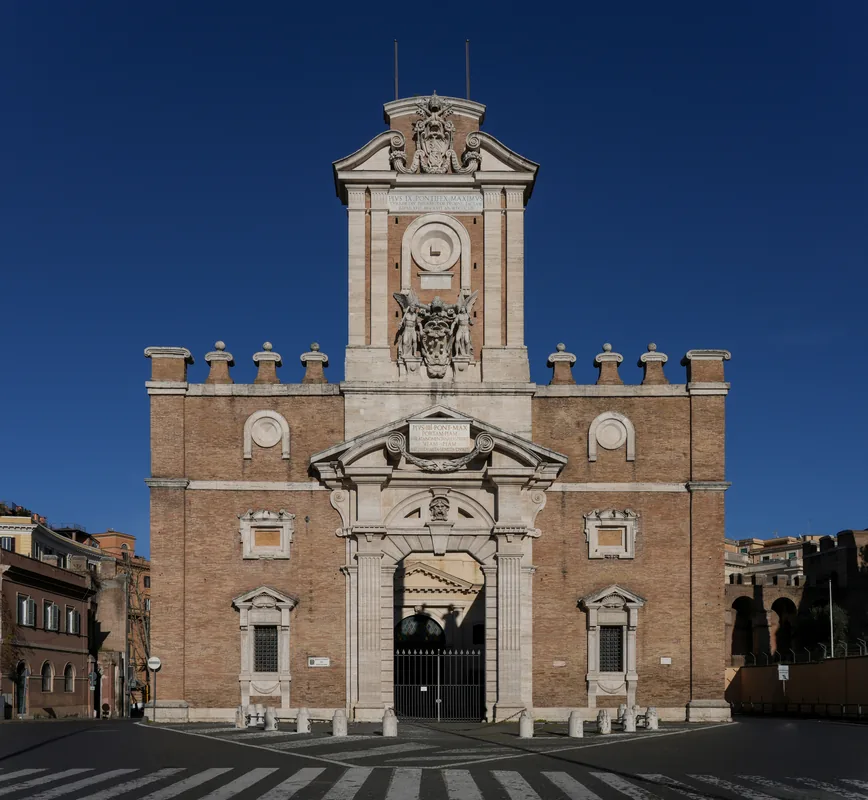
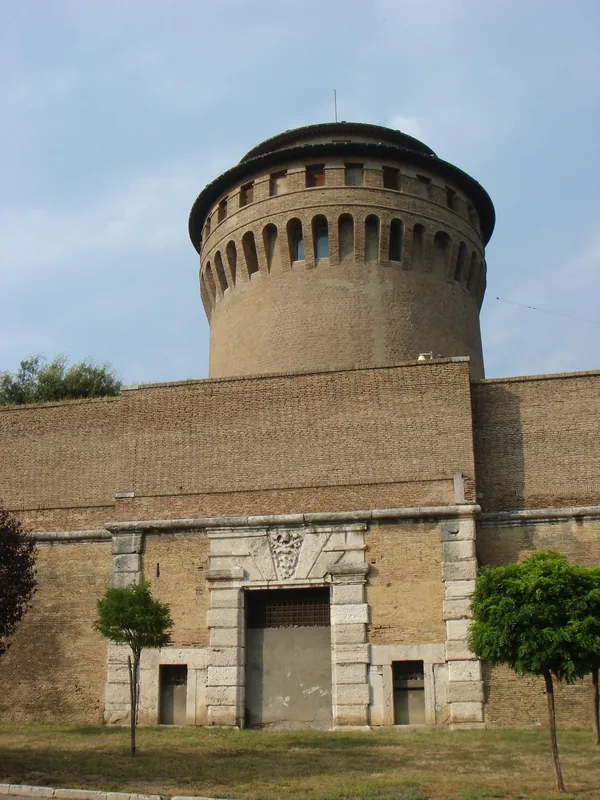
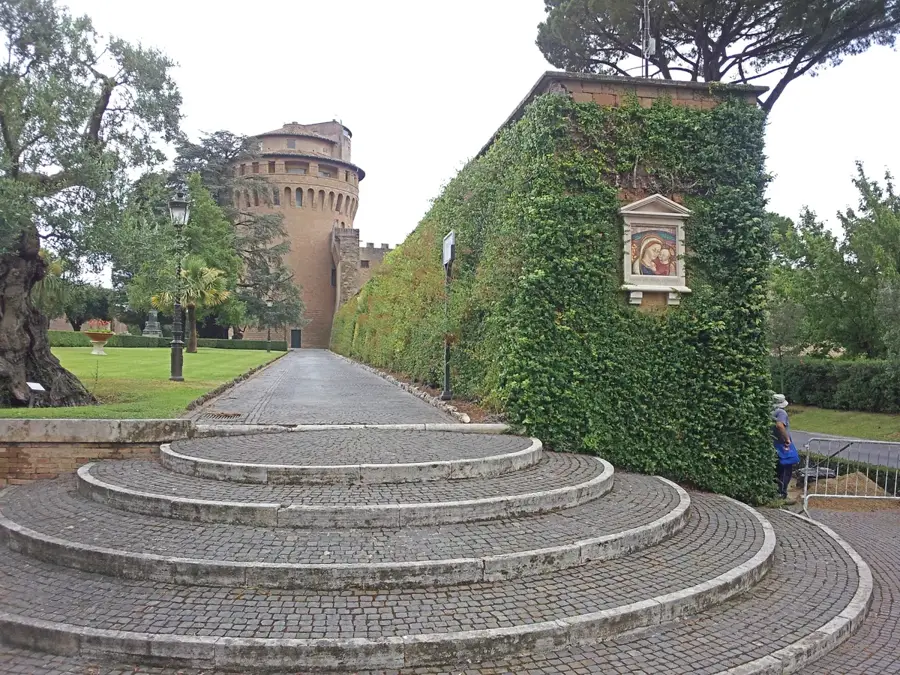
- Highlights: Lourdes Grotto · St John's Tower · Porta Pertusa
Best time to visit & climate
The most pleasant time to visit is May, Jun, Sep.
| Jan | Feb | Mar | Apr | May | Jun | Jul | Aug | Sep | Oct | Nov | Dec | |
|---|---|---|---|---|---|---|---|---|---|---|---|---|
| Avg °C | 7 | 8 | 10 | 14 | 18 | 23 | 26 | 26 | 21 | 17 | 12 | 8 |
| Rain mm | 73 | 77 | 69 | 56 | 57 | 34 | 26 | 26 | 70 | 82 | 114 | 92 |
📋 Practical info
Geography
Facts
- Citrus cultivation has been a documented tradition in the Vatican since the Renaissance.
- Several trees are housed in historic 18th-century terracotta planters.
- Bitter oranges from the grove are sometimes used to produce traditional Vatican liqueurs.
- During winter, portable citrus trees are moved into protected greenhouses or 'orangeries'.
- The citrus grove is managed using 100% organic fertilization techniques.
- Specific cultivars in the grove have been selected for their resilience to Rome's urban microclimate.
Explore nearby
Notable places around

Route planner — Car & Motorhome
Where do you start? We build the route here, with stops and country notes along the way.
© OpenStreetMap contributors · OpenRouteService
Sights in the town Citrus Grove (10)
St Mary's Church
Church building in Vatican City, dedicated to the Virgin Mary.
Saint Stephen of the Ethiopians⛪ church
Church of the Vatican City, dedicated to Ethiopian saints.
Cupola di San Pietro
Dome of St. Peter's Basilica in Vatican City, a Roman landmark.
Pius IV House
Seat of the Pontifical Academy of Sciences in Vatican City.
Dome of Saint Peter
Dome of St. Peter's Basilica, offering views over Rome.
Saint Peter's Basilica
Church in Vatican City, one of the largest churches in the world.
Sights nearby
Frequently asked questions
What grows in the citrus grove?
What are the fruits used for?
How is the garden laid out?
When do the trees bear fruit?
Is the scent in the garden intense?
Citrus Grove: where is it located?
Citrus Grove: what is there to see?
Citrus Grove: when is the best time to visit?
Citrus Grove: why is it worth visiting?

History & landmarks



Nature
More places