Plizio Visual Lab
Canelones
ℹ️Practical info — Canelones
▾
🌤 Weather — 5 days
📍 Nearby
Sights nearby
💡 Tips
- Visit during the harvest season (usually February-March) to experience local wine festivals in the surrounding area.
- The city center is very walkable; a car is only needed if you plan to visit the vineyards outside the city.
- Many shops close during the afternoon for a siesta, so plan your shopping for the morning or late afternoon.
- Buses connect Canelones to Montevideo frequently, making it an easy day trip if you're staying in the capital.
🍽 Food
Uruguay's signature red wine, taste it at any local bodega or restaurant.
Traditional Uruguayan barbecue, available at parrilladas around the main squares.
A massive steak sandwich, popular at local diners and cafes.
🛍 Shopping · 🧘 Quiet spots
Buy a bottle directly from a family-run bodega just outside the city.
Look for local dairy products at the weekly markets or specialty grocery stores.
A large, leafy park good for a quiet afternoon walk or mate-drinking session.
A peaceful stream nearby where locals go to relax.
Water temperature…
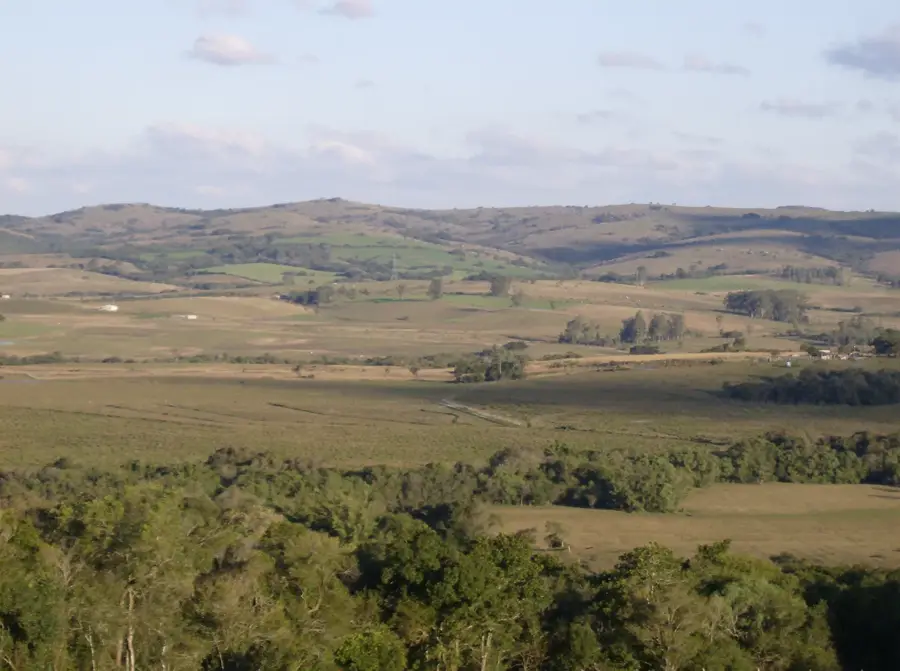
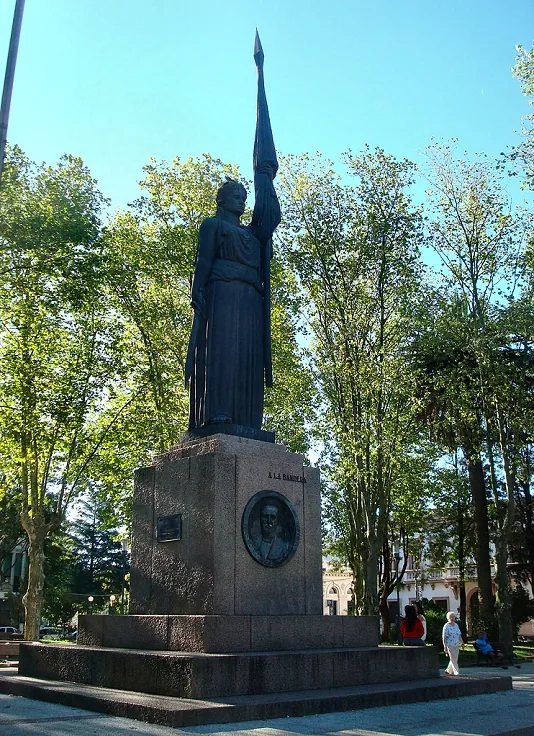
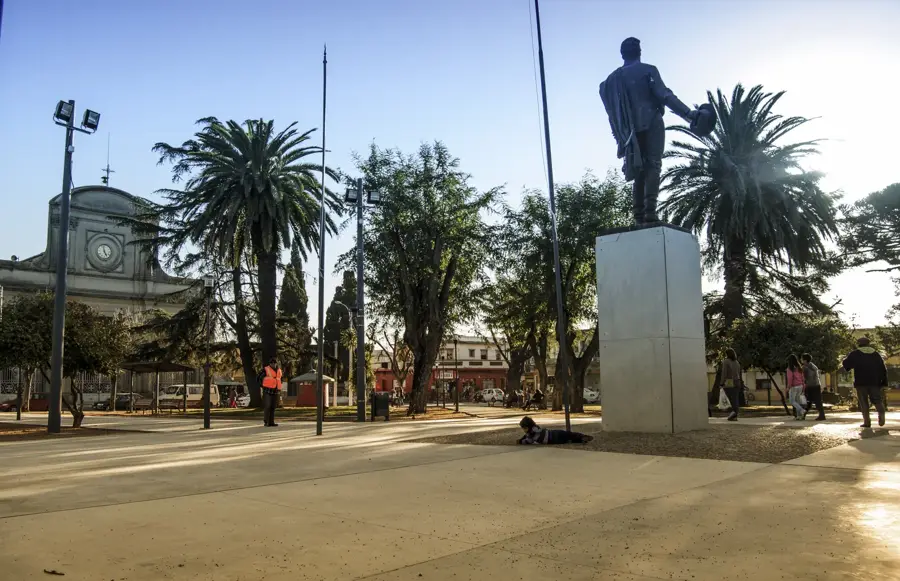
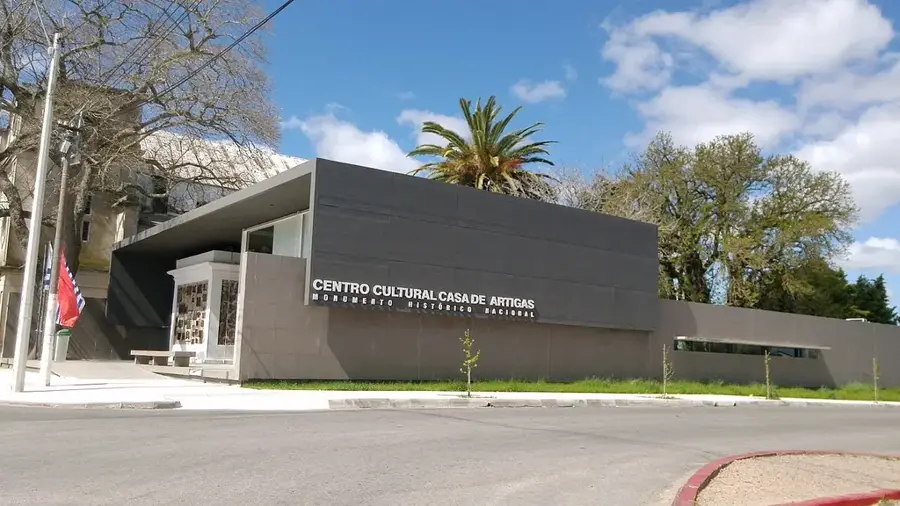
Canelones, the administrative capital of the Canelones Department, is a city of immense historical and economic significance located in southern Uruguay. Established in 1782 as Villa de Nuestra Señora de Guadalupe, it played a pivotal role during the formative years of the Uruguayan state. In 1828, it hosted the first General Constituent and Legislative Assembly, and it is famously known as the site where the first national flag of Uruguay was approved and hoisted for the first time. This historical legacy is meticulously preserved in the city's monuments and archives. Geographically, Canelones sits in one of the most fertile regions of the country, acting as the heart of Uruguay's agricultural sector. It is the premier wine-producing region of the nation, with dozens of vineyards and wineries surrounding the city, many of which specialize in the iconic Tannat grape. The local economy is further bolstered by dairy farming, poultry production, and extensive vegetable cultivation, earning it the reputation of being the country's breadbasket. The city's architecture is a blend of colonial heritage and mid-20th-century developments, with the Cathedral of Our Lady of Guadalupe serving as its spiritual and visual centerpiece. Due to its proximity to Montevideo, Canelones has evolved into a vital part of the national metropolitan network, attracting residents who work in the capital but seek the more relaxed lifestyle of the provinces. Infrastructure projects, including modernized roads and improved public services, have supported the city's steady growth. Culturally, Canelones is a hub for folk festivals and traditional celebrations that highlight the rural way of life, maintaining a strong link to the land despite the increasing industrialization of its surroundings. The city remains a symbol of national pride and a key driver of the Uruguayan economy.
Explore on the map
How well do you know Uruguay?
Find cities, landscapes and regions in 10 varied challenges on the interactive map.
Your journey, your memory
A postcard from Canelones
Turn your own photo into a personal postcard with a local stamp. Free and no sign-up required.
Create a postcard- Location: Uruguay
- Highlights: Teatro Eslabon · Politeama · Museo Spikerman
- Nearby: Santa Lucía (13 km)
- Population: ~19.698 (2026)
Best time to visit & climate
The most pleasant time to visit is Mar, Nov, Dec.
| Jan | Feb | Mar | Apr | May | Jun | Jul | Aug | Sep | Oct | Nov | Dec | |
|---|---|---|---|---|---|---|---|---|---|---|---|---|
| Avg °C | 24 | 23 | 21 | 17 | 14 | 11 | 10 | 11 | 13 | 16 | 19 | 22 |
| Rain mm | 99 | 106 | 122 | 103 | 88 | 96 | 92 | 99 | 99 | 108 | 95 | 89 |
Geography
Facts
- Founded on June 10, 1782, as Villa de Nuestra Señora de Guadalupe.
- It is the historical site where the first Uruguayan flag was raised in 1828.
- The city served as the meeting place for the nation's first constituent assembly.
- Canelones is the epicenter of Uruguay's wine industry, famous for Tannat.
- The Cathedral of Our Lady of Guadalupe is a major architectural landmark.
- The city is a key part of the Montevideo metropolitan area.
- It is surrounded by the most productive agricultural land in Uruguay.
- Canelones hosted the first provisional government of the Oriental Republic.
Explore nearby
Notable places around
Route planner — Car & Motorhome
Where do you start? We build the route here, with stops and country notes along the way.
© OpenStreetMap contributors · OpenRouteService
Sights in the town Canelones (7)
Frequently asked questions
What is the historical role of Canelones?
What is typical for the region?
Is the city suitable for a day trip?
When is the best time for wine tastings?
Are there good restaurants there?
Canelones: where is it located?
Canelones: what is there to see?
Canelones: when is the best time to visit?
Canelones: why is it worth visiting?

Nearby cities

History & landmarks
Nature
More places