Plizio Visual Lab
Bwindi Forest
Weather…
Water temperature…
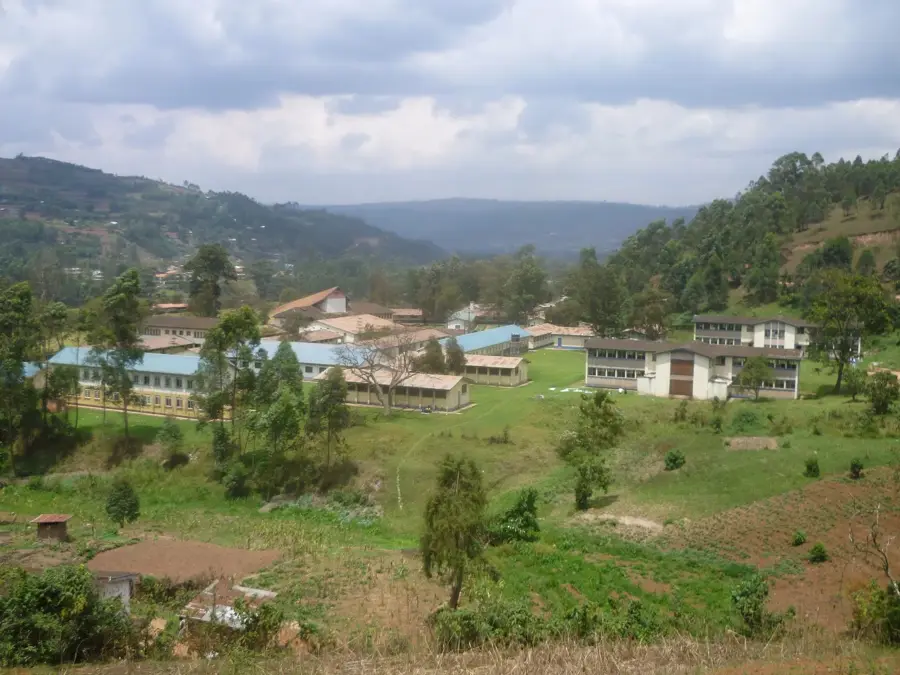
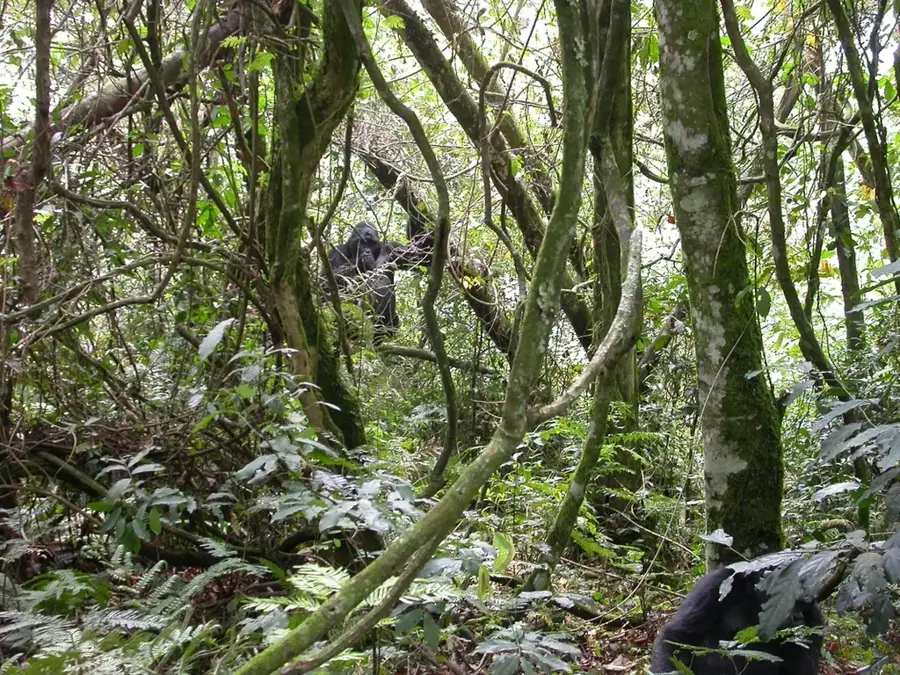
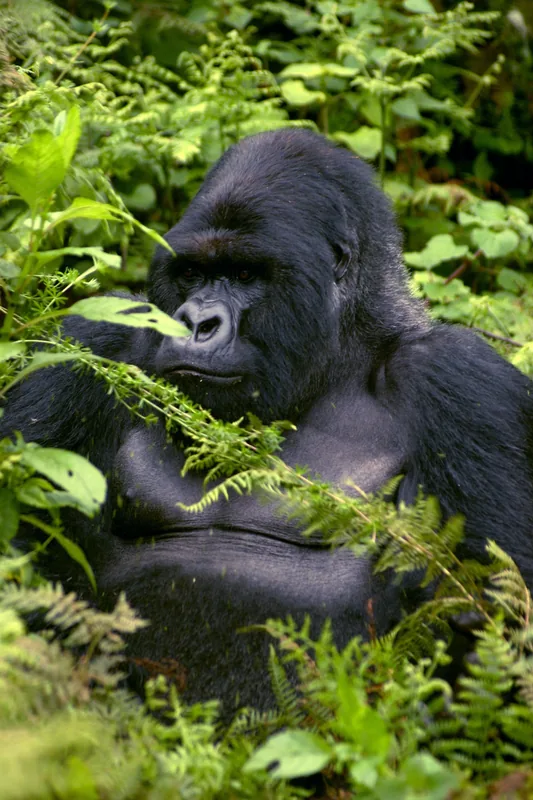
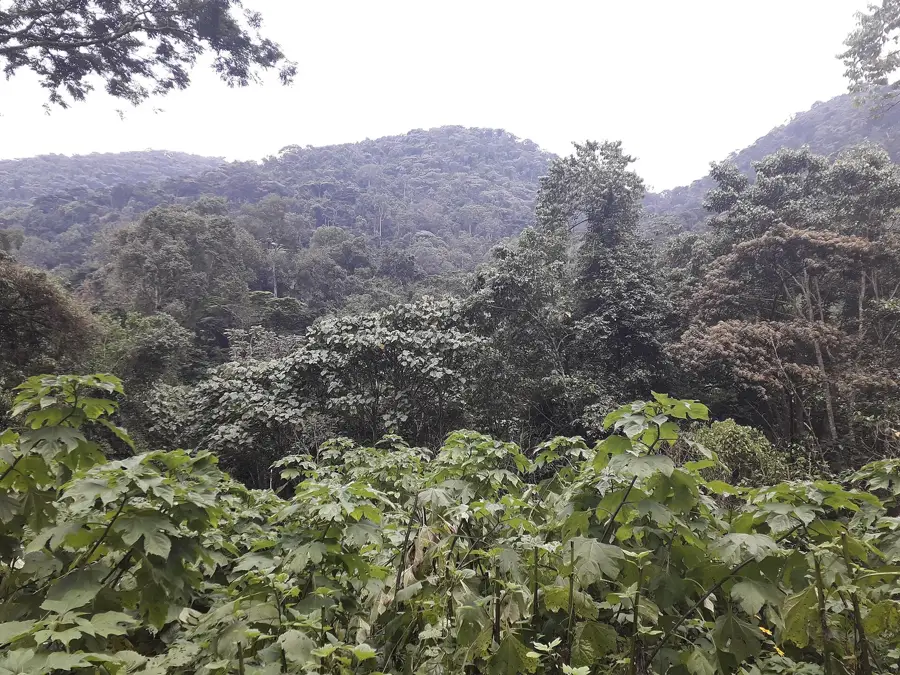
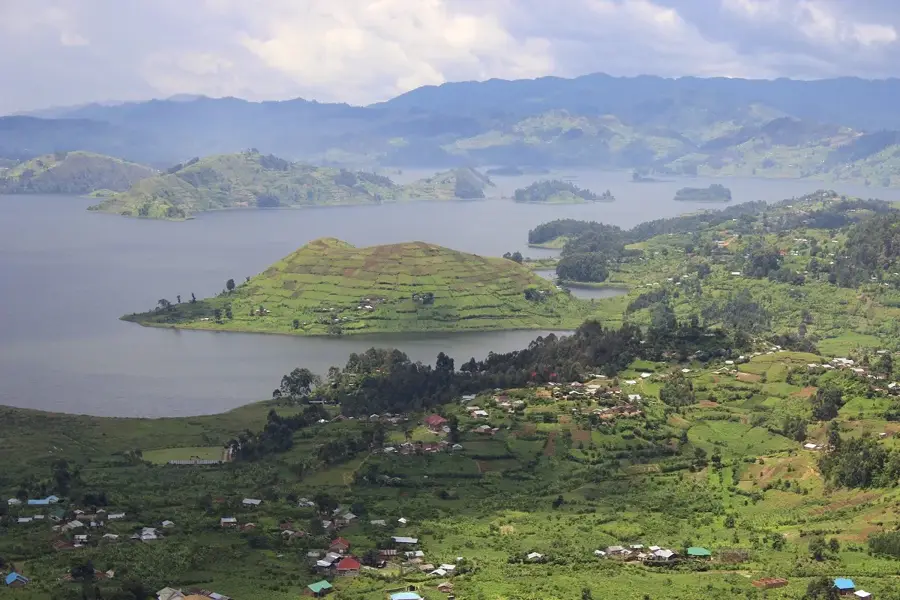
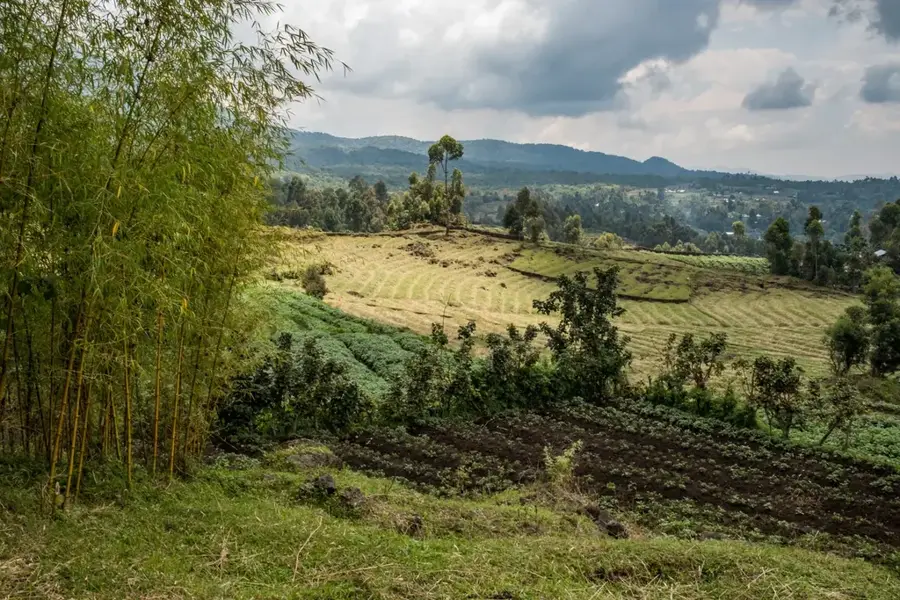
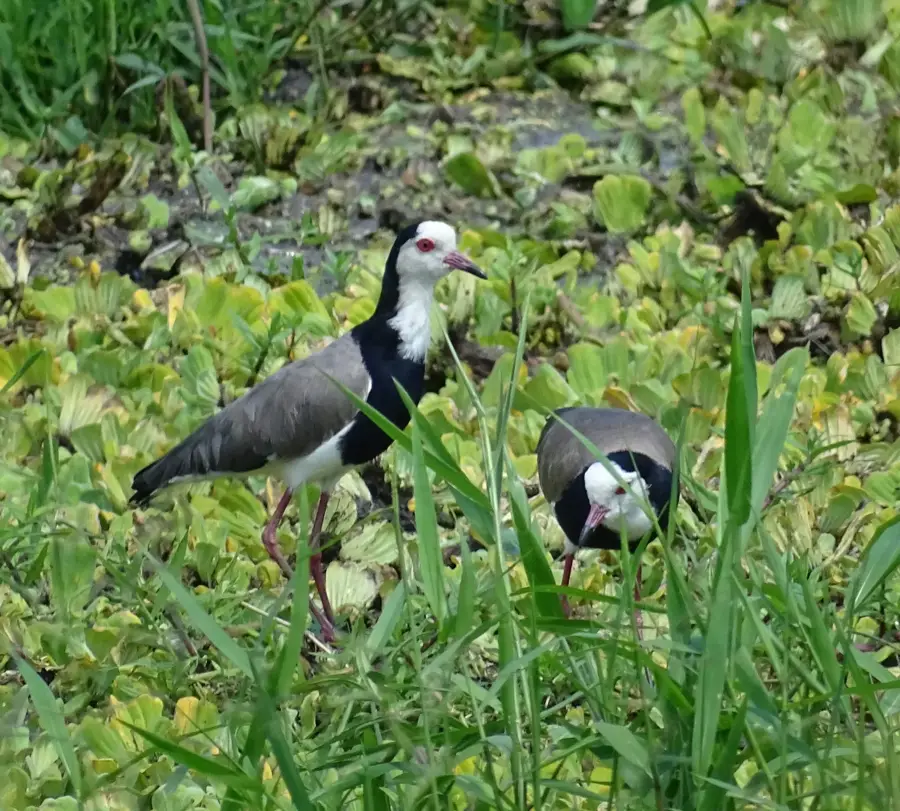
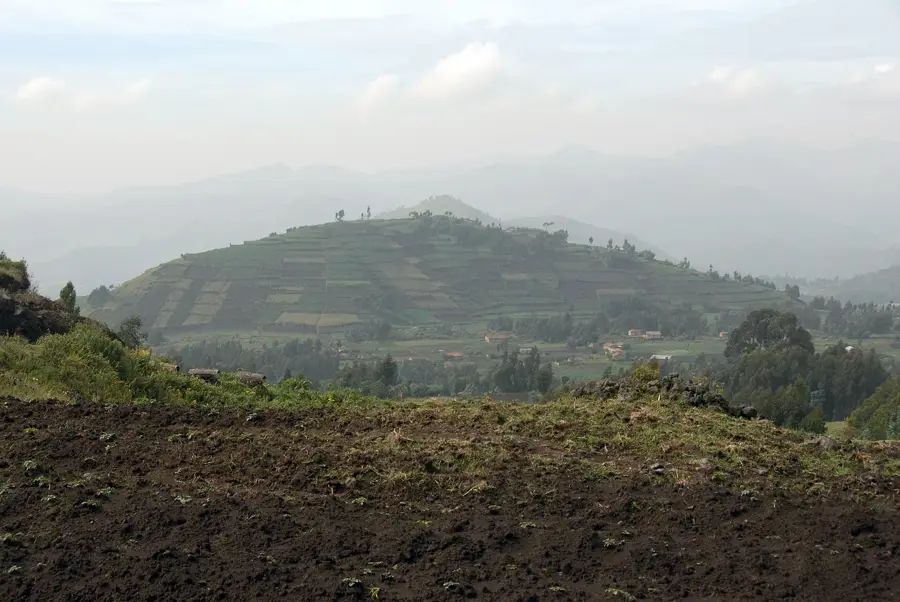
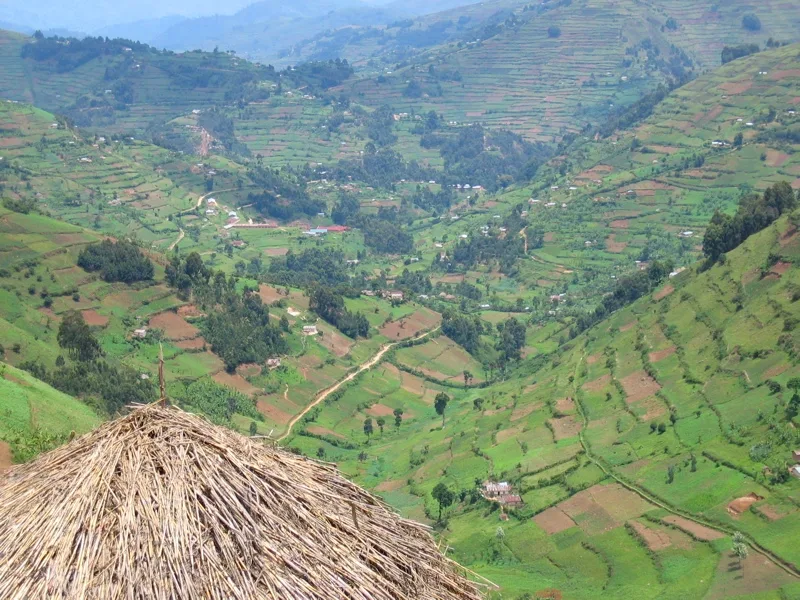
Bwindi Impenetrable Forest, a UNESCO World Heritage site since 1994, is a biodiversity hotspot in southwestern Uganda. Its dense undergrowth and steep ravines have earned it the name 'impenetrable'. The forest spans 331 km² and comprises two main blocks: the northern Buhoma and the southern Nkuringo sectors. It is home to roughly half of the world's remaining mountain gorilla population, with 459 individuals recorded in 2018. Beyond gorillas, the forest hosts 120 mammal species, 350 bird species, and over 200 butterfly species. Local communities, including the Batwa pygmies, are integral to conservation efforts through community-based tourism initiatives. The park generates significant revenue from gorilla trekking permits, which cost $700 per person in 2023. Sustainable practices have reduced poaching by 80% since 2000. Bwindi's altitude ranges from 1,160 m to 2,607 m, creating distinct ecological zones.
Explore on the map
How well do you know Uganda?
Find cities, landscapes and regions in 10 varied challenges on the interactive map.
Your journey, your memory
A postcard from Bwindi Forest
Turn your own photo into a personal postcard with a local stamp. Free and no sign-up required.
Create a postcard- Location: Uganda
- Highlights: Sarambwe Nature Reserve · Pangolin Rescue Camp
- Nearby: Bwindi Impenetrable National Park (14 km)
Best time to visit & climate
The most pleasant time to visit is Jan, Jun, Jul.
| Jan | Feb | Mar | Apr | May | Jun | Jul | Aug | Sep | Oct | Nov | Dec | |
|---|---|---|---|---|---|---|---|---|---|---|---|---|
| Avg °C | 21 | 22 | 21 | 21 | 21 | 21 | 21 | 22 | 21 | 21 | 20 | 20 |
| Rain mm | 87 | 91 | 147 | 136 | 112 | 63 | 47 | 91 | 134 | 172 | 170 | 111 |
📋 Practical info
Geography
Facts
- Established as a national park in 1991.
- UNESCO World Heritage site since 1994.
- Covers 331 km² of tropical rainforest.
- Altitude range: 1,160–2,607 m.
- Home to 120 mammal species and 350 bird species.
- Gorilla trekking permits: $700 each in 2023.
Explore nearby
Notable places around
Route planner — Car & Motorhome
Where do you start? We build the route here, with stops and country notes along the way.
© OpenStreetMap contributors · OpenRouteService
Sights in the town Bwindi Forest (2)
Sights nearby
Frequently asked questions
When is the best time for gorilla tracking?
How difficult is the hike in the forest?
Do I need a special permit?
Are there sanitary facilities?
Is photography allowed?
Bwindi Forest: where is it located?
Bwindi Forest: what is there to see?
Bwindi Forest: when is the best time to visit?
Bwindi Forest: why is it worth visiting?
Nearby cities
History & landmarks
Nature
More places