Plizio Visual Lab
Neapolis Archaeological Site
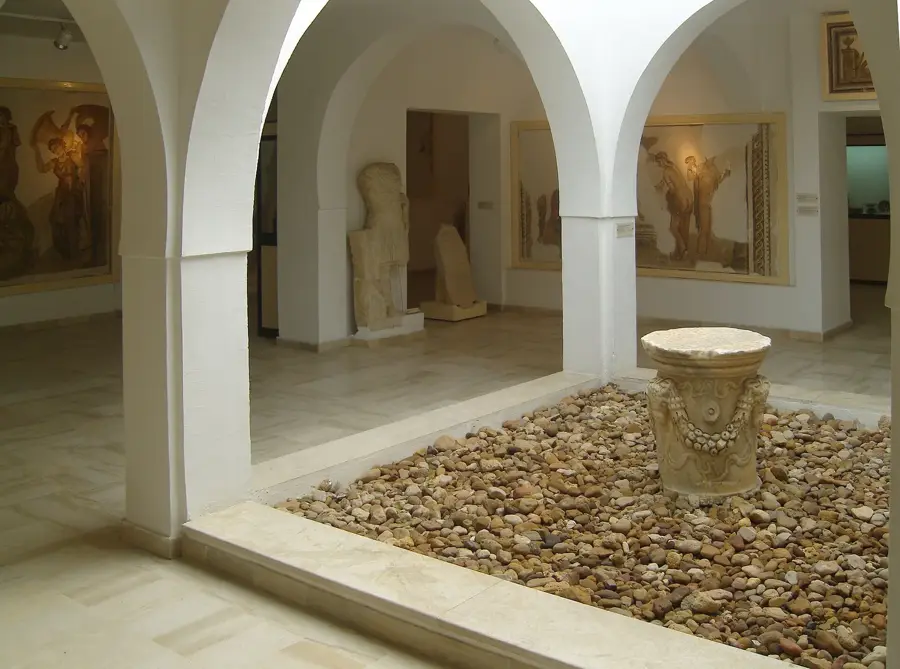
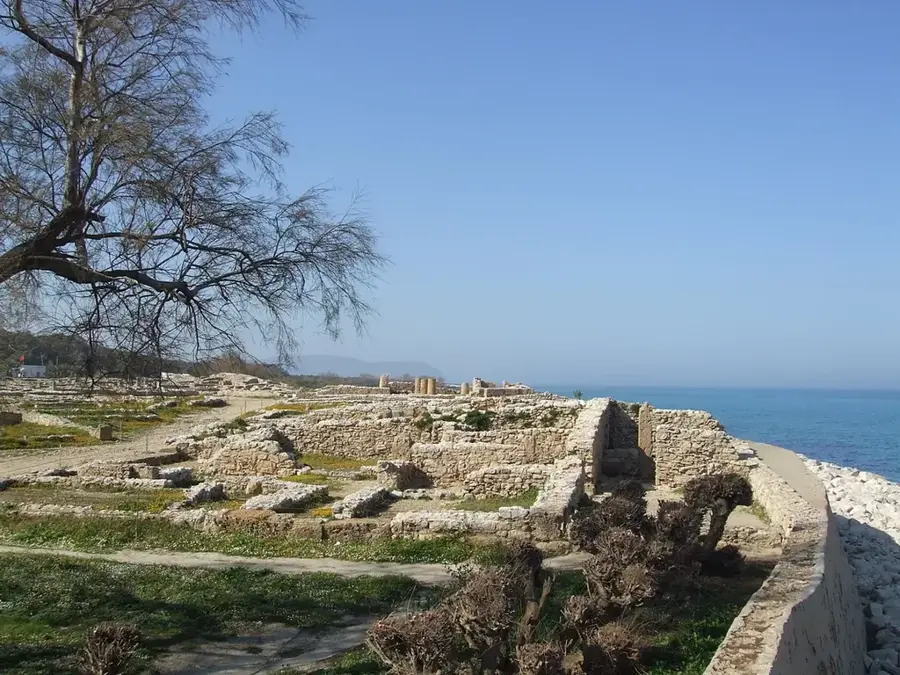
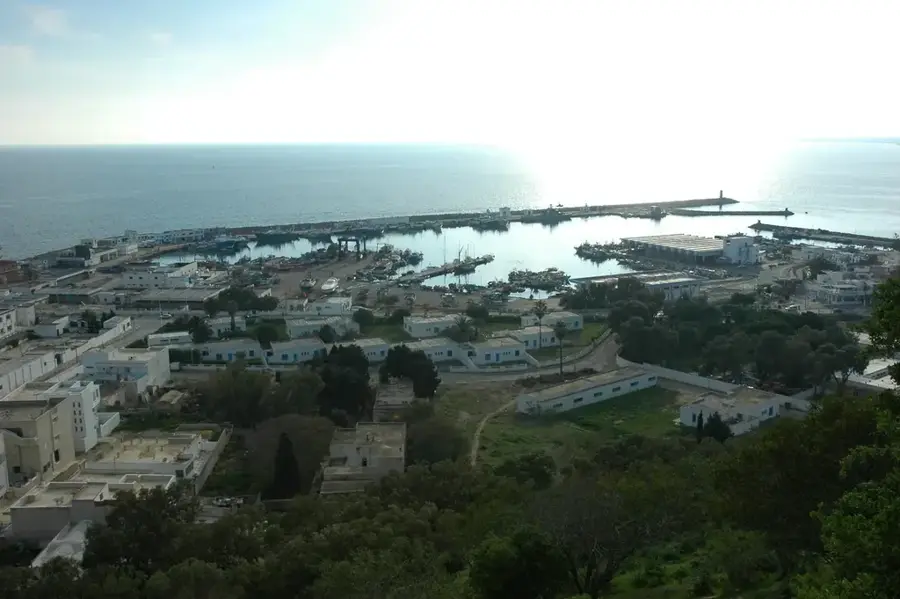
The archaeological site of Neapolis, located on the outskirts of modern Nabeul, is one of the few ancient urban centers in Tunisia situated directly on the Mediterranean coast. Likely founded by the Carthaginians in the 5th century BC, it later flourished under Roman rule as a significant economic and commercial hub. Neapolis was particularly famous for its large-scale industrial production of garum, a fermented fish sauce that was a prized delicacy throughout the Roman Empire. However, a major portion of the city was submerged by a powerful tsunami on July 21, 365 AD, triggered by a massive earthquake near Crete. Underwater archaeological missions in recent decades have mapped out extensive streets and buildings, revealing the sheer scale of the ancient disaster. On land, visitors can today view the ruins of the industrial quarter with its fish-processing vats and several Roman villas featuring well-preserved mosaics. The 'House of the Nymphs' is especially noteworthy for its artistic quality and the insight it provides into the luxurious lifestyle of the provincial elite. Neapolis uniquely combines industrial archaeology with a dramatic geological history, making it a compelling destination for visitors to the Cap Bon peninsula, showcasing Roman manufacturing techniques.
Explore on the map
How well do you know Tunisia?
Find cities, landscapes and regions in 10 varied challenges on the interactive map.
Your journey, your memory
A postcard from Neapolis Archaeological Site
Turn your own photo into a personal postcard with a local stamp. Free and no sign-up required.
Create a postcard- Location: Tunisia
- Highlights: Nabeul Museum · Centre culturel pour l'enfance · I love Nabeul
- Nearby: Hammamet (12 km)
Best time to visit & climate
The most pleasant time to visit is May, Jun, Oct.
| Jan | Feb | Mar | Apr | May | Jun | Jul | Aug | Sep | Oct | Nov | Dec | |
|---|---|---|---|---|---|---|---|---|---|---|---|---|
| Avg °C | 12 | 12 | 14 | 16 | 20 | 24 | 27 | 28 | 25 | 21 | 17 | 13 |
| Rain mm | 44 | 35 | 51 | 37 | 25 | 16 | 5 | 22 | 67 | 63 | 44 | 52 |
📋 Practical info
Geography
Facts
- The city was founded by the Carthaginians in the 5th century BC.
- A massive tsunami destroyed large parts of the city on July 21, 365 AD.
- Neapolis was the most important center for garum production in Africa.
- The archaeological site currently covers an area of about 2 hectares.
- The 'House of the Nymphs' contains large-scale Roman-era mosaics.
- Underwater expeditions discovered submerged streets and 20 garum processing vats.
Explore nearby
Notable places around
Route planner — Car & Motorhome
Where do you start? We build the route here, with stops and country notes along the way.
© OpenStreetMap contributors · OpenRouteService
Sights in the town Neapolis Archaeological Site (5)
Sights nearby
Frequently asked questions
Where exactly are the ruins of Neapolis located?
What is the condition of the mosaics?
Is there an entrance fee for Neapolis?
How much time is needed for a visit?
Are there guided tours of the site?
Neapolis Archaeological Site: where is it located?
Neapolis Archaeological Site: what is there to see?
Neapolis Archaeological Site: when is the best time to visit?
Neapolis Archaeological Site: why is it worth visiting?
Nearby cities
History & landmarks
More places