Plizio Visual Lab
Galangashie Forest
Weather…
Water temperature…
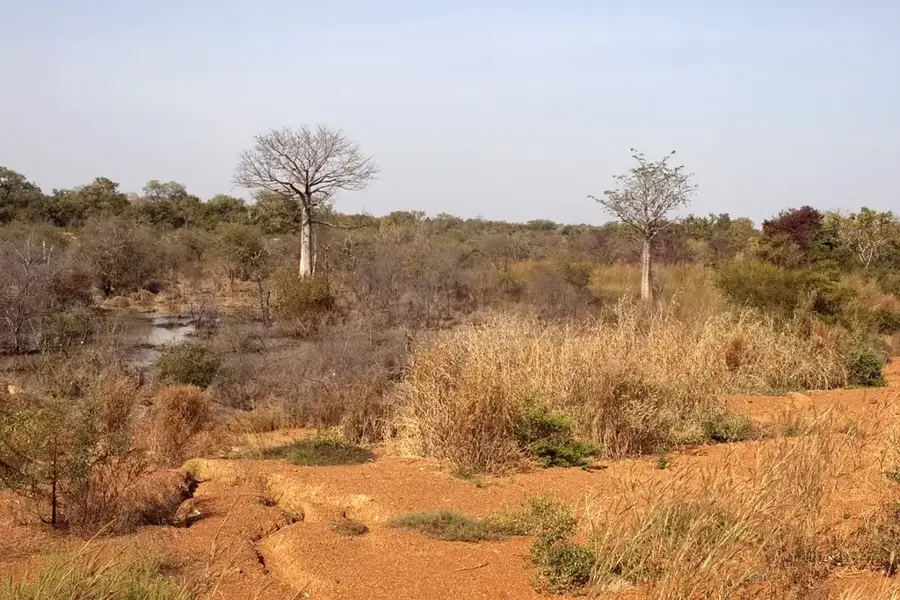
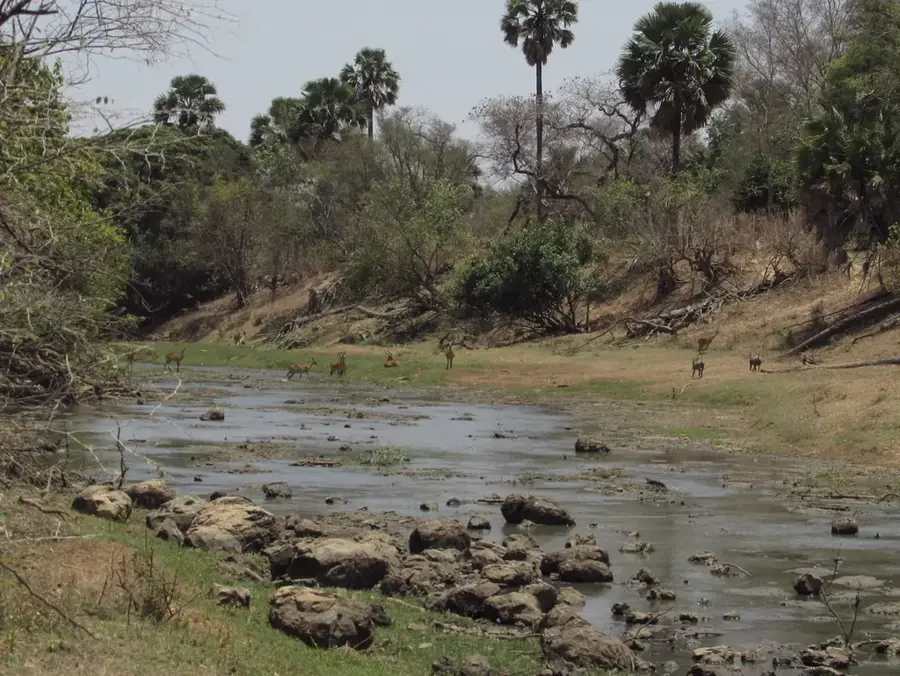
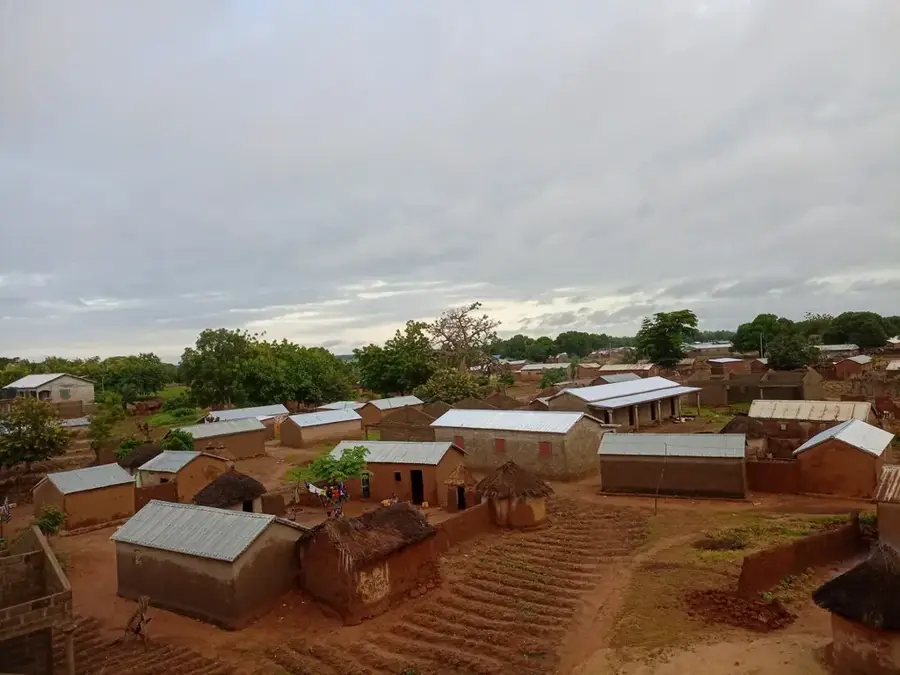
Galangashie Forest in northern Togo is a significant nature conservation area in the Savanes Region, located near the town of Mango. It consists primarily of dry forest and wooded savannah landscapes, which were officially designated as a classified forest (Forêt Classée) in 1954. The area covers approximately 7,500 hectares and serves as a vital ecological corridor for wildlife, particularly elephants migrating between Togo, Ghana, and Benin. The vegetation is characterized by drought-resistant species such as shea trees (karité) and massive baobabs, adapted to long dry seasons. Geologically, the forest is situated in the Oti Basin, a flat sedimentary plain that becomes partially flooded during the rainy season. Despite its importance as a sanctuary, the forest faces pressure from agricultural expansion and firewood extraction. Current conservation efforts focus on restoring the forest structure and promoting sustainable harvesting practices for local communities.
Explore on the map
How well do you know Togo?
Find cities, landscapes and regions in 10 varied challenges on the interactive map.
Your journey, your memory
A postcard from Galangashie Forest
Turn your own photo into a personal postcard with a local stamp. Free and no sign-up required.
Create a postcard- Location: Togo
- Nearby: Sansanné-Mango (33 km)
Best time to visit & climate
The most pleasant time to visit is Jan, Nov, Dec.
| Jan | Feb | Mar | Apr | May | Jun | Jul | Aug | Sep | Oct | Nov | Dec | |
|---|---|---|---|---|---|---|---|---|---|---|---|---|
| Avg °C | 25 | 29 | 31 | 30 | 29 | 27 | 26 | 26 | 26 | 27 | 27 | 25 |
| Rain mm | 2 | 7 | 29 | 86 | 140 | 178 | 232 | 267 | 225 | 116 | 11 | 1 |
📋 Practical info
Geography
Facts
- The protected area covers approximately 7,500 hectares.
- The forest was officially classified on March 24, 1954.
- It is located within the Oti River drainage basin.
- Elephants use the area as a migration route from Keran National Park.
- Shea trees (Vitellaria paradoxa) are the most economically important trees here.
- The region experiences a long dry season from October to April.
Explore nearby
Notable places around
Route planner — Car & Motorhome
Where do you start? We build the route here, with stops and country notes along the way.
© OpenStreetMap contributors · OpenRouteService
Sights nearby
Frequently asked questions
Why is the Galangashie forest special?
Is it accessible to tourists?
What are the biggest dangers?
Can one camp there?
Should I take a guide?
Galangashie Forest: where is it located?
Galangashie Forest: when is the best time to visit?
Galangashie Forest: why is it worth visiting?
Nearby cities
More places