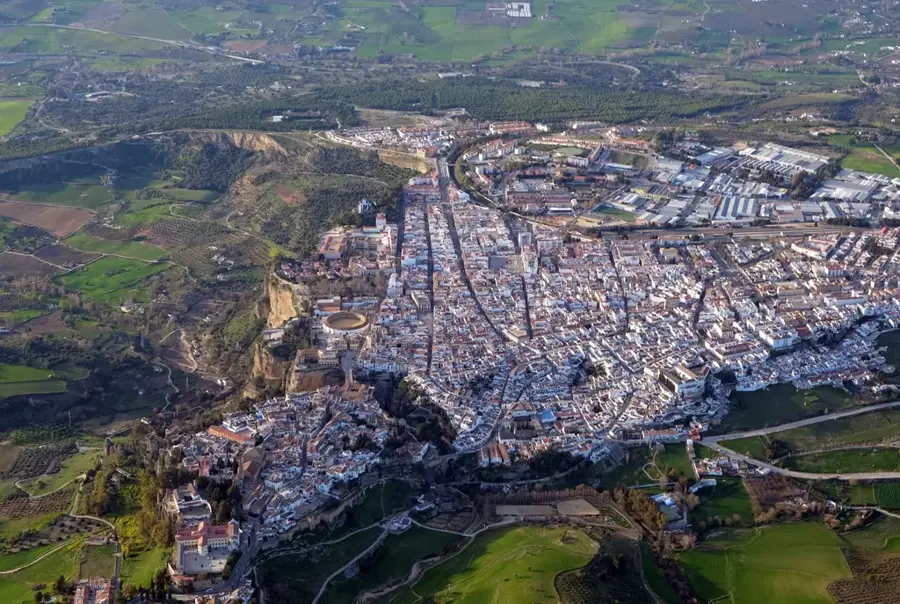
Ronda Goyesca Fair
In early September Ronda celebrates the Feria de Pedro Romero, highlighted by the Corrida Goyesca with costumes from Goya's era in Spain's oldest bullring.
PlizioGo
A legendary institution for budget-friendly tapas. Try their signature stuffed lettuce leaf.
Have a traditional breakfast of 'mollete' bread with top-quality ham in the shops along Calle Espinel.
A traditional sweet made of egg yolks and sugar, famous in this region of Andalusia.
The main pedestrian shopping street, home to both international brands and local boutiques.
Ronda is famous for leatherwork; look for authentic saddlery and bags in the San Francisco district.
A great spot for local honey, turrón (nougat), and caramelized nuts in the city center.
These terraced gardens offer a peaceful side-on view of the bridge away from the main walkway.
Walk past the main viewpoint toward the theater for a quieter, shaded park experience.
Located at the bottom of the valley, these are incredibly tranquil and beautifully preserved.
A leafy square in the Old Town, much more relaxed than the bustling Plaza de España.
Water temperature…
In early September Ronda celebrates the Feria de Pedro Romero, highlighted by the Corrida Goyesca with costumes from Goya's era in Spain's oldest bullring.
During Holy Week solemn brotherhood processions with thrones and penitents move through the historic streets of the gorge town.
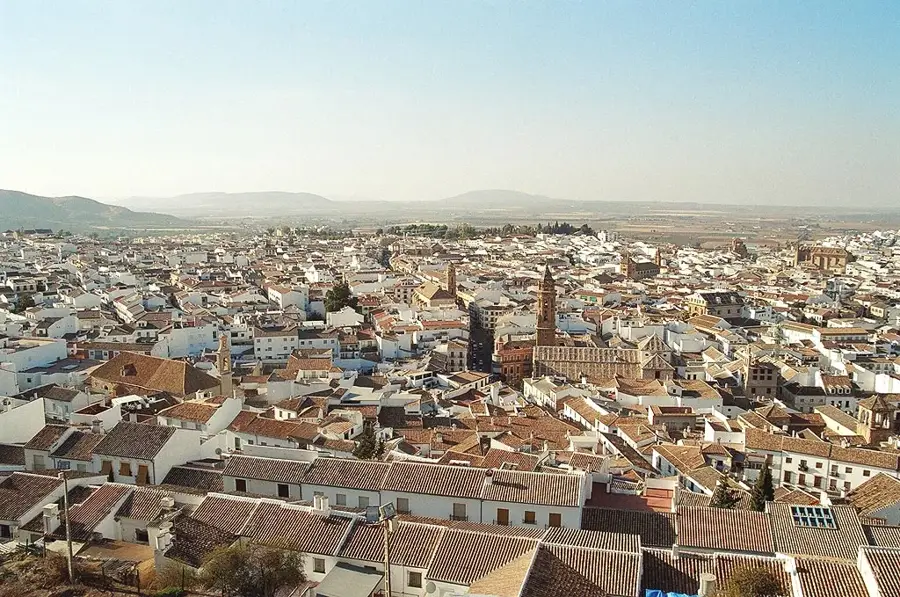
Ronda is one of Spain's most storied and visually impressive cities, located in the heart of the Serranía de Ronda mountains. It sits atop a massive limestone outcrop, famously split in two by the El Tajo gorge. The town's defining feature is the 18th-century Puente Nuevo, a stone bridge that plunges 120 meters down to the canyon floor. Ronda is the birthplace of modern bullfighting, with its 1785 bullring being one of the oldest and most beautiful in existence. The city's history spans from prehistoric cave paintings nearby to Roman ruins and a significant Moorish period, reflected in the layout of 'La Ciudad'. Its dramatic views and romantic aura have long captivated figures like Ernest Hemingway and Rainer Maria Rilke, making it a cornerstone of Andalusian culture.
Explore on the map
Find cities, landscapes and regions in 10 varied challenges on the interactive map.
Your journey, your memory
Turn your own photo into a personal postcard with a local stamp. Free and no sign-up required.
Create a postcardThe most pleasant time to visit is Jun, Jul, Sep.
| Jan | Feb | Mar | Apr | May | Jun | Jul | Aug | Sep | Oct | Nov | Dec | |
|---|---|---|---|---|---|---|---|---|---|---|---|---|
| Avg °C | 11 | 12 | 13 | 15 | 18 | 22 | 25 | 25 | 22 | 19 | 14 | 12 |
| Rain mm | 61 | 62 | 75 | 55 | 27 | 3 | 1 | 3 | 28 | 69 | 90 | 81 |
See what it looks like near Ronda right now.
Ronda · 1 km · Open webcam on Windy · Webcams provided by Windy.com
Notable places around
Where do you start? We build the route here, with stops and country notes along the way.
© OpenStreetMap contributors · OpenRouteService
In the morning, we begin at Alameda del Tajo, where the fresh breeze and wide views of the Andalusian plains revive the spirit. A short walk leads us to Mirador de Ronda to enjoy the spectacular panorama of the Tajo gorge. At midday, we dive into the history of bullfighting at the famous Plaza de Toros before crossing Puente Nuevo. The bridge's architecture, perched 100 meters above the Guadalevín River, is the centerpiece of our experience. In the afternoon, we explore the winding streets of the old town. At Palacio de Mondragón, we discover Moorish heritage, followed by spiritual tranquility in the magnificent Santa María la Mayor church. In the evening, we reach the Puerta de Almocábar. The massive defensive walls glow in the golden light of the setting sun, letting us feel the former power of this fortress city.
Ronda in the rain offers a mystical atmosphere as mist rises from the Tajo gorge. Start your morning under the trees of Alameda del Tajo, then seek shelter in the Bullring and Mondragón Palace. Spend the afternoon exploring the damp, narrow streets of the old town toward Santa María church, and conclude at the Almocábar Gate, where the wet stone enhances the historical ambiance.
Winter in Ronda is crisp and refreshing. Mornings often see frost on the Alameda benches, while the midday sun warms the Bullring. From Puente Nuevo, you can spot snow-capped peaks in the distance. Spend the afternoon in the cozy halls of Mondragón Palace, finishing your tour at the Almocábar Gate as the early evening lights begin to twinkle.
The day begins with a relaxed bike ride through the shaded Alameda del Tajo park before pedaling to the viewpoint overlooking the gorge. At midday, we cross the Puente Nuevo, feeling the wind as we traverse the monumental structure connecting the city districts. In the afternoon, a brisk descent leads us to the Moorish Arab Baths and the Puente Viejo, showcasing Ronda's historical diversity. To finish, the climbs to the Puerta de Almocábar challenge our strength, where the old walls provide a triumphant backdrop for the end of our tour.
Cycling in Ronda in the rain requires focus. We start at Alameda and head cautiously to the Mirador. The descent to the Arab Baths is slippery when wet but offers a refreshing perspective of the gorge. We return via Puente Viejo to the Almocábar Gate, carefully navigating the city's glistening streets.
A winter bike tour in Ronda offers fantastic long-distance views. The air is cold, but the climbs will keep you warm. From Alameda, head to the Mirador in the low winter light. Cycle down to the Arab Baths, which often sit in shade in the valley, and then climb back up to the old town to finish at the historic Almocábar Gate.
We start our day by car at Mirador de Ronda for an overview of the gorge before driving into the center. At midday, we admire Puente Nuevo and descend into the mysterious water mine of Casa del Rey Moro. In the afternoon, we drive to the lower part of the town to visit the excellently preserved Arab Baths. To finish, the route takes us to the Puerta de Almocábar, admiring the massive fortifications that once protected Ronda.
Exploring Ronda by car in the rain is comfortable and scenic. Start at the Mirador and drive to Puente Nuevo. A highlight is Casa del Rey Moro, where gardens look lush in the rain. Continue to the Arab Baths and finish at the Almocábar Gate, staying dry throughout your journey.
Winter driving in Ronda offers clear horizons and snowy peaks in the distance. Start at the Mirador and see Puente Nuevo in the soft winter sun. Casa del Rey Moro provides wind-sheltered garden paths. Follow the winding roads down to the Arab Baths and return to the imposing Almocábar Gate while staying warm inside.
April to June and September to October are ideal: warm enough for the gorge hike and the Marbella day-trip crowds spread out. August is hot and packed, February brings almond blossoms across the mountains.
Ronda is safe but the Puente Nuevo area is a tourist magnet, watch for pickpockets at midday. The stairs down into the gorge are steep and slippery, solid shoes are essential.
Ronda speaks clear Andalusian Spanish, but as a famous destination English and even German work fine in restaurants and hotels. In tapas bars around Plaza del Socorro order 'una de rabo de toro', oxtail stew, Ronda's signature dish.
Anchoring the historical identity of Ronda, the Plaza de Toros de Ronda is a majestic neoclassical arena dating back to 1785. Far from the typical sandy coastline, this architectural wonder provides an entirely different atmosphere characterized by rich heritage and tranquil, expansive grounds. Visitors can look forward to awe-inspiring walks through the monumental architecture rather than a day of swimming. Taking a guided tour is a brilliant way to fully grasp the venue's monumental past.