FLORA International Flower Festival 2026
FLORA transforms courtyards and landmark spaces across Córdoba with large-scale floral installations, turning the city into a stage for contemporary floral art in October.
PlizioGo
A thick, cold tomato soup with jamón and egg, served at almost every traditional tavern in the center.
Deep-fried pork loin rolled with ham and cheese; try it in bodegas near Plaza de las Tendillas.
Slowly cooked oxtail stew, a local specialty often found in the restaurants of the Judería.
Look for traditional cordovan silver jewelry crafted in artisan workshops throughout the Judería.
Famous embossed leather goods (cordobán) are sold in old town boutiques.
A lively gourmet market great for tasting local delicacies and buying edible souvenirs.
Lush, terraced gardens with water features and cypress trees, offering a beautiful escape.
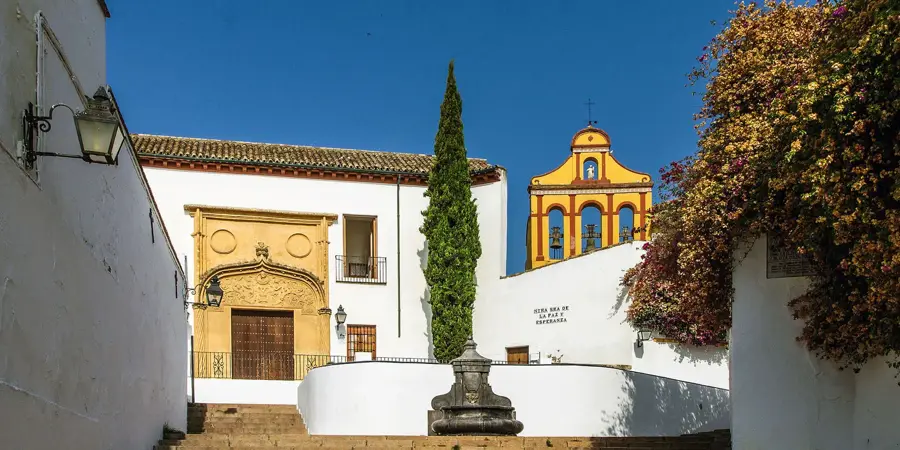
Explore its 12 striking traditional patios, generally quieter than the main tourist zones.
The walking path along the river, south of the center, is great for a peaceful stroll.
Water temperature…
FLORA transforms courtyards and landmark spaces across Córdoba with large-scale floral installations, turning the city into a stage for contemporary floral art in October.
The international poetry festival fills Córdoba with readings, music, talks, workshops and children's activities, attracting a broad audience in the city's autumn season.
Held at the Royal Stables, Cabalcor features equestrian shows, riding displays and a programme focused on the city's horse heritage in one of Córdoba's signature historic venues.
The traditional neighborhood fair around the Sanctuary of Fuensanta brings several days of rides, family activities and the festive atmosphere of Córdoba's summer fairs.
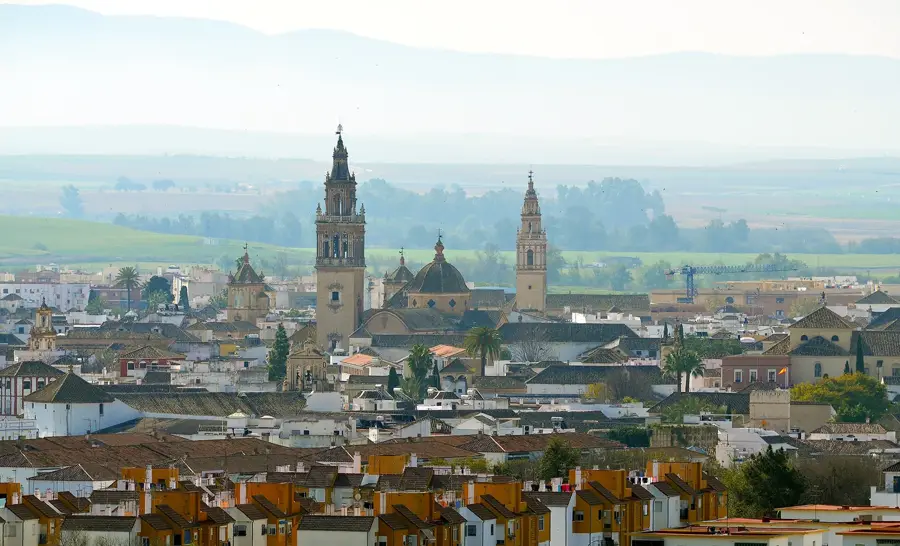
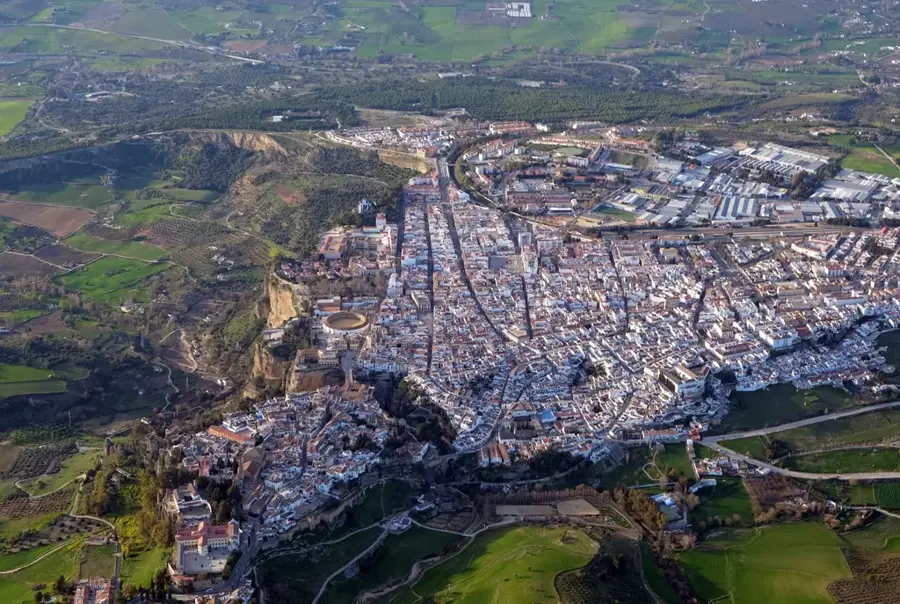
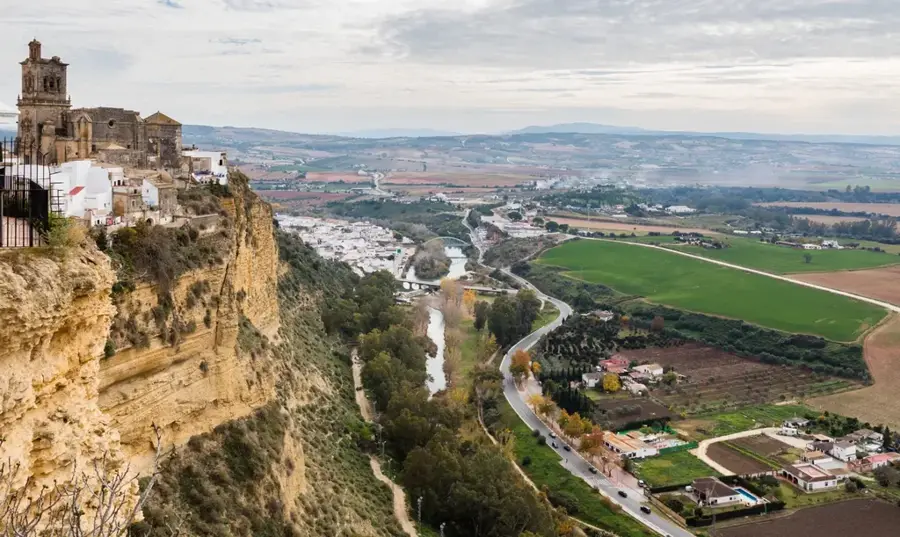
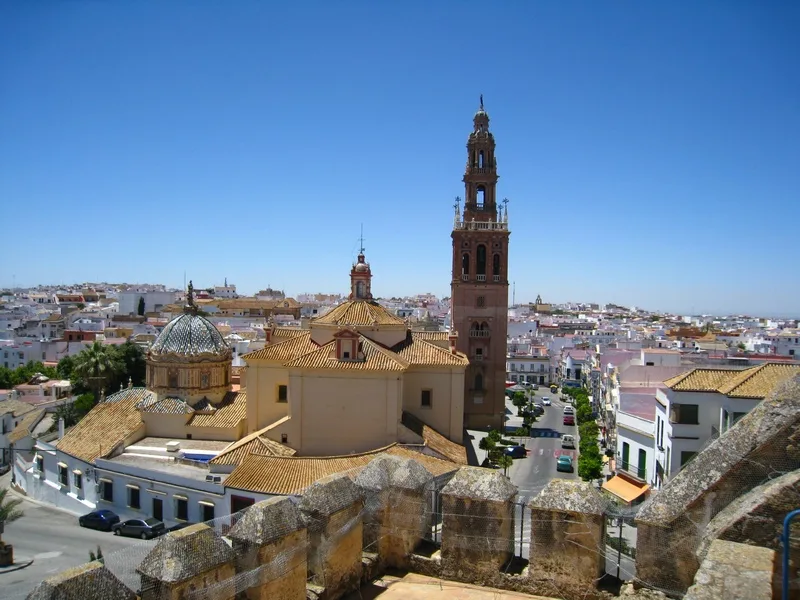
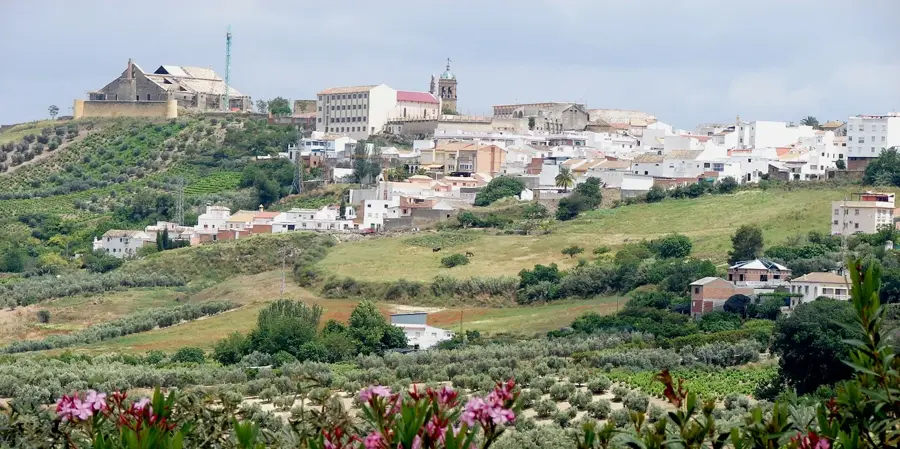
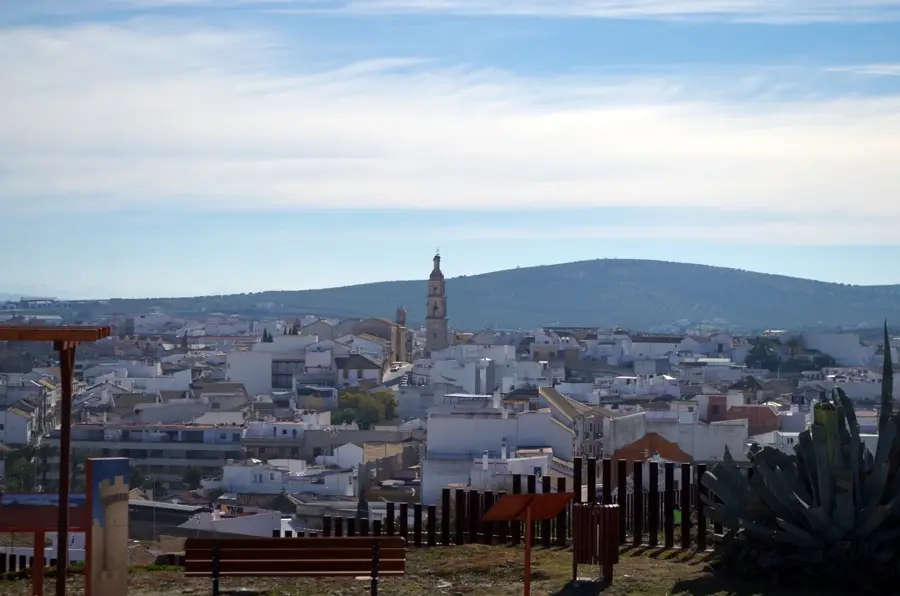
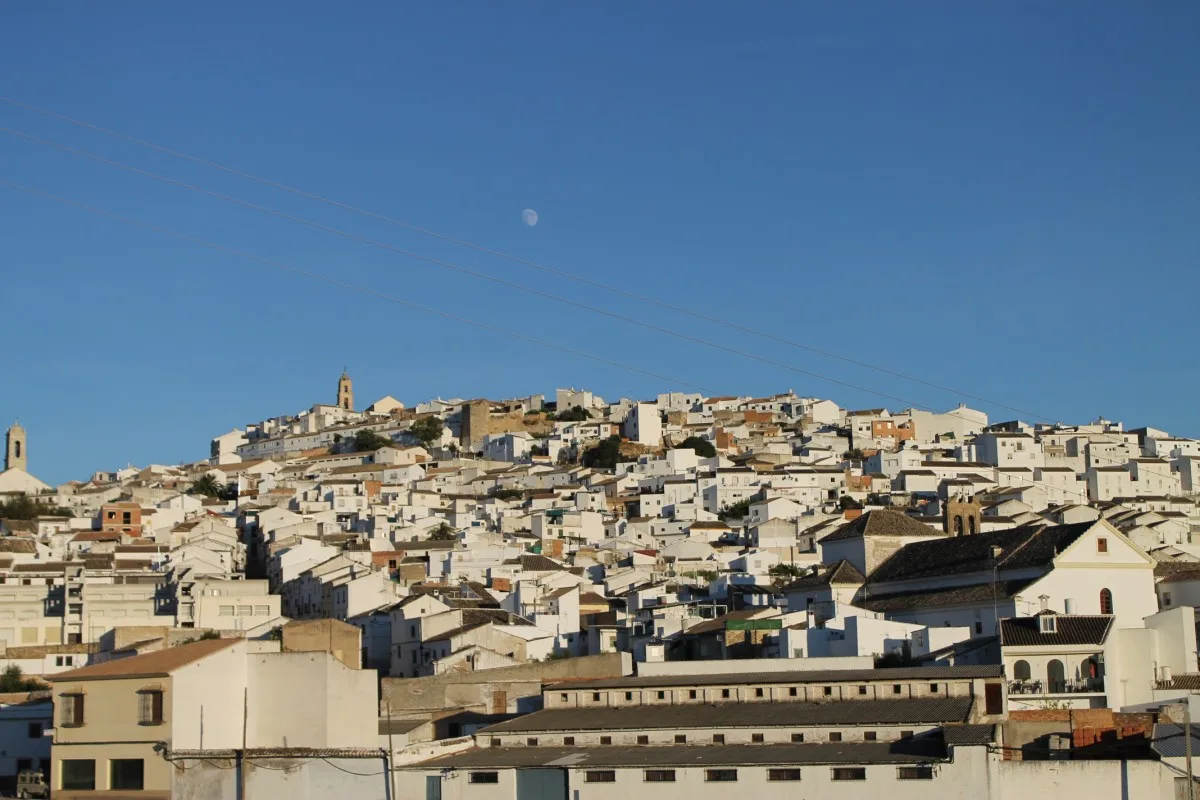
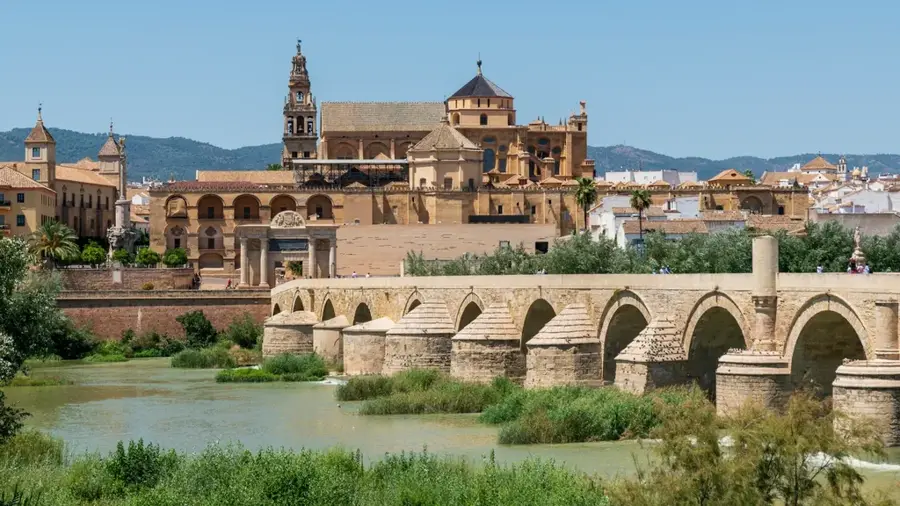
Once the dazzling capital of the Moorish Caliphate, Córdoba is a profound architectural jewel resting on the banks of the Guadalquivir river. The undisputed heart of the city is the Mezquita-Catedral, one of the world's most extraordinary buildings: a massive 8th-century mosque featuring a hypnotic forest of over 800 columns and striking red-and-white striped arches, with a sweeping Catholic cathedral built directly into its center following the Reconquista. Immediately adjacent lies the Judería, the ancient Jewish quarter, forming a romantic labyrinth of winding alleys, whitewashed houses, and cool, shaded courtyards. A formidable Roman bridge spans the river, leading toward the Alcázar de los Reyes Cristianos, a fortress-palace celebrated for its magnificent terraced water gardens. Every May, the city bursts into color during the famous Patios Festival, when residents open their private courtyards to display thousands of brilliantly blooming geraniums. On the culinary side, travelers must try the creamy cold soup, salmorejo.
Explore on the map
Find cities, landscapes and regions in 10 varied challenges on the interactive map.
Your journey, your memory
Turn your own photo into a personal postcard with a local stamp. Free and no sign-up required.
Create a postcardThe most pleasant time to visit is May, Jun, Sep.
| Jan | Feb | Mar | Apr | May | Jun | Jul | Aug | Sep | Oct | Nov | Dec | |
|---|---|---|---|---|---|---|---|---|---|---|---|---|
| Avg °C | 7 | 9 | 11 | 14 | 19 | 24 | 28 | 28 | 23 | 18 | 11 | 8 |
| Rain mm | 46 | 49 | 65 | 53 | 33 | 5 | 1 | 7 | 28 | 69 | 66 | 62 |
Notable places around
Where do you start? We build the route here, with stops and country notes along the way.
© OpenStreetMap contributors · OpenRouteService
Start your day in the photogenic Calleja de las Flores before marveling at the wonder of the Mezquita-Catedral. At midday, wander through the narrow streets of the Judería and visit the old Synagogue. The afternoon is dedicated to the magnificent gardens of the Alcázar and a stroll across the historic Roman Bridge in the soft light.
Start your day in Calleja de las Flores, where narrow alleys provide some cover. At noon, the Mezquita offers a dry sanctuary full of history. In the afternoon, explore the Judería with an umbrella and finish at the Alcázar, whose gardens glisten in the rain. In the evening, the Roman Bridge offers a dramatic view of the rising river.
Enjoy the crisp winter air in Calleja de las Flores in the morning. At noon, the sun warms the thick walls of the Mezquita. In the afternoon, the orange trees in the Judería glow with bright fruit. In the evening, temperatures drop quickly, perfect for a hot chocolate after a walk across the bridge.
Explore Córdoba on two wheels! We start in the north at Viana Palace, then ride through the city to the famous patios of San Basilio. Across the Roman Bridge to the Calahorra Tower on the other side of the river, before finishing the day at the impressive Mezquita.
Start carefully at Viana Palace, where the patios smell divine in the rain. At noon, the garden colors intensify under the raindrops. Cross the Roman Bridge with caution on wet surfaces and use Calahorra Tower as a dry lookout point. End your tour at the Mezquita, the ultimate rain sanctuary.
Cycle through the cool morning air to Viana Palace. At noon, the sunny patios provide pleasant warmth for a break. Riding across the Roman Bridge in the afternoon offers clear views of the Sierra Morena mountains. Finish at Calahorra Tower before sunset and warm up later inside the Mezquita.
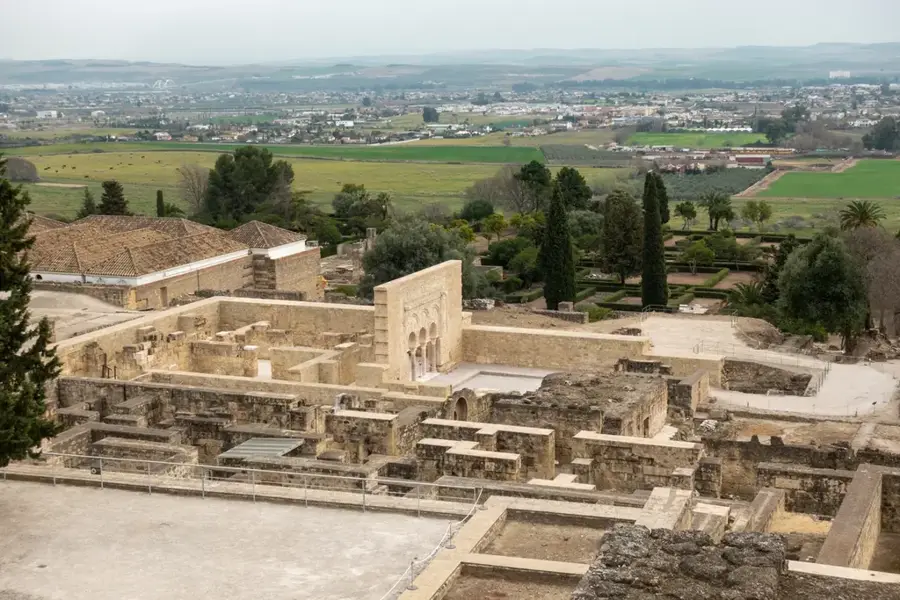
By car, we easily reach the impressive ruins of Medina Azahara outside the city in the morning. Back in the center, we park and explore Viana Palace, the Mezquita, and the Alcázar. This tour combines the splendor of the Caliphate with the Christian history of Córdoba.
Drive to Medina Azahara in the morning; the museum is covered and dry. At noon, Viana Palace provides shelter in its galleries. The drive to the Mezquita is comfortable even in the rain. End your day at the Alcázar, parking nearby to escape the downpour.
Drive to Medina Azahara in the morning when the air is crisp and clear. At noon, the sun warms up Viana Palace. The afternoon drive to the Mezquita offers beautiful views of the winter city. Finish at the Alcázar and enjoy the warm heater of your car on the way back.
May is magical: the Patios festival fills flowering courtyards under 25°C skies. April and October are also ideal with mild temperatures. July and August get extreme (often 42°C — Cordoba is Spain's heat pole), so only go out early morning or evening.
Very safe city, relaxed even at night in the old town. Watch your bag around the Mezquita and Roman Bridge due to tourist crowds. Ignore the unofficial guides at the Mezquita entrance — buy tickets online or at the counter only.
Cordoba speaks soft Andalusian, often dropping the 's' at word endings. English works in the Juderia and around the Mezquita, less so elsewhere. A casual 'que tal?' (how's it going?) opens conversations — Andalusians are warm and always have time for small talk.