Plizio Visual Lab
Palgongsan Mountain
Weather…
Water temperature…
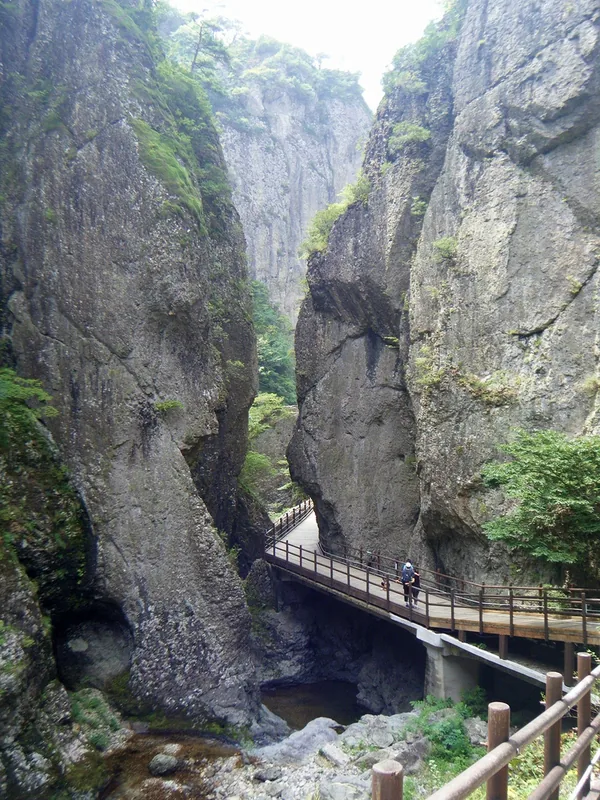
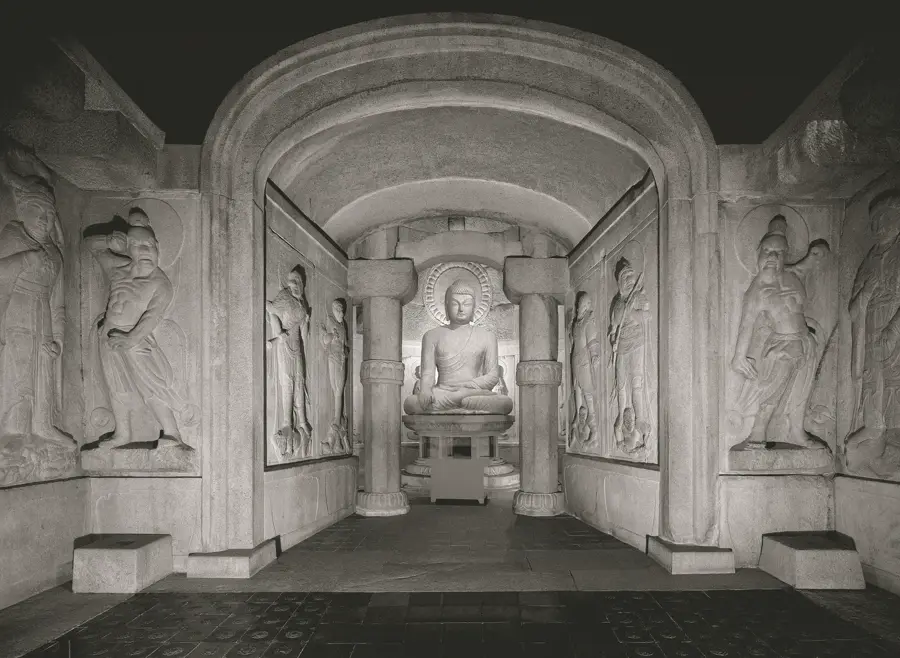
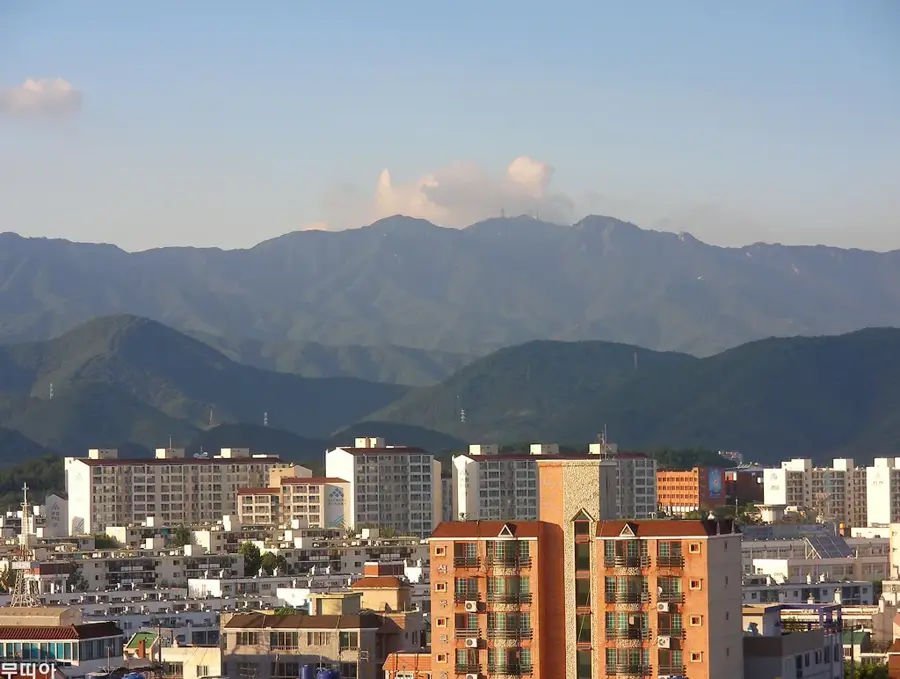
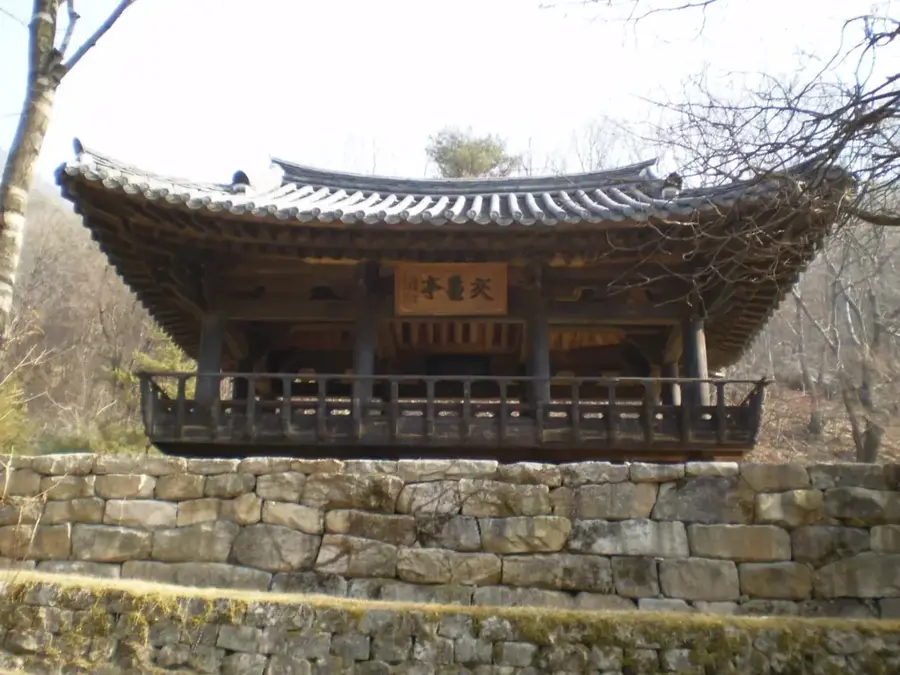
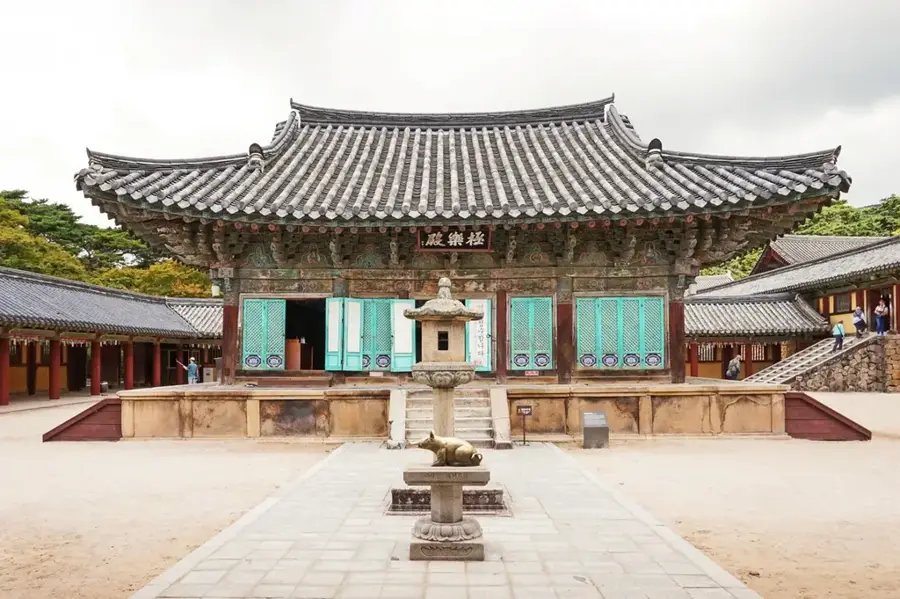
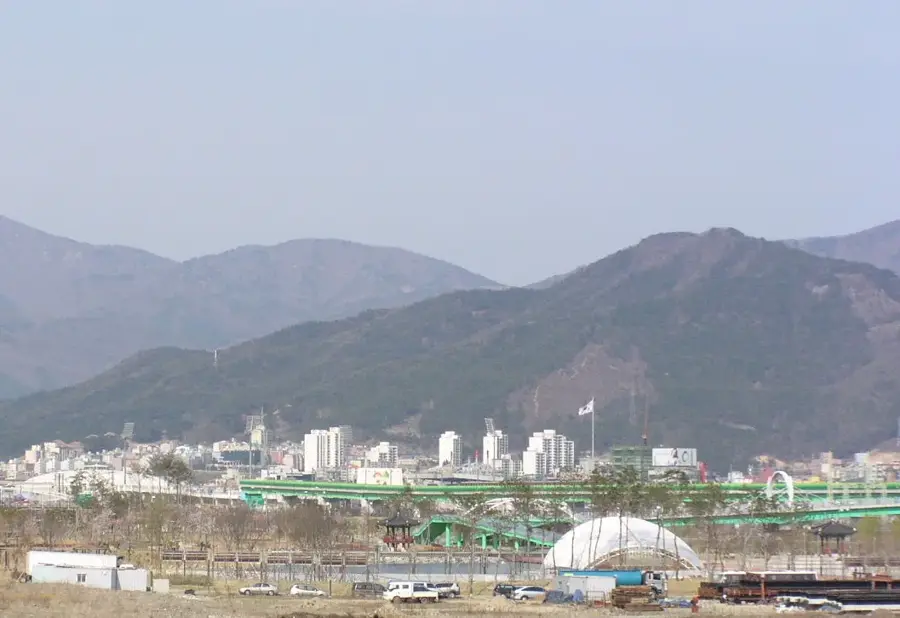
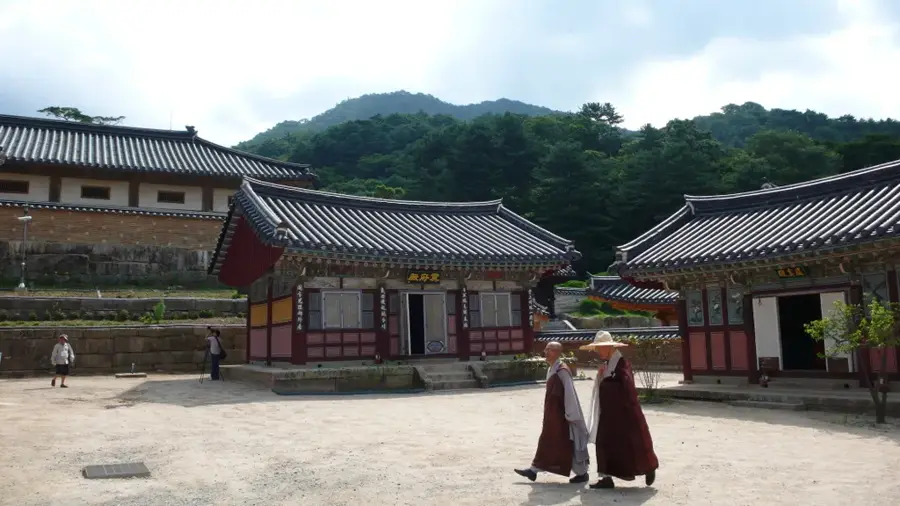
Mount Palgongsan is a significant mountain massif located in the southeastern part of South Korea, primarily within the metropolitan city of Daegu and Gyeongsangbuk-do province. Rising to a height of 1,192 meters at its highest peak, Birobong, the mountain was elevated to the status of South Korea's 23rd national park in 2023. It is home to several important Buddhist sites, most notably the Donghwasa Temple, which was originally established in 493 AD during the Silla Dynasty. Another iconic feature is the Gatbawi Buddha, a massive stone sculpture from the 9th century located near the summit, where believers pray for their wishes to come true. The mountain's topography is characterized by granite peaks and lush forests that change dramatically with the seasons, attracting millions of hikers annually. Palgongsan also holds strategic historical importance, having been the site of a major battle during the Goryeo Dynasty between the forces of Wang Geon and Gyeon Hwon.
Explore on the map
How well do you know South Korea?
Find cities, landscapes and regions in 10 varied challenges on the interactive map.
Your journey, your memory
A postcard from Palgongsan Mountain
Turn your own photo into a personal postcard with a local stamp. Free and no sign-up required.
Create a postcard- Location: South Korea
- Highlights: Brassware Museum · Palgongsan Hot Spring · Jayeonyeomsaek Museum
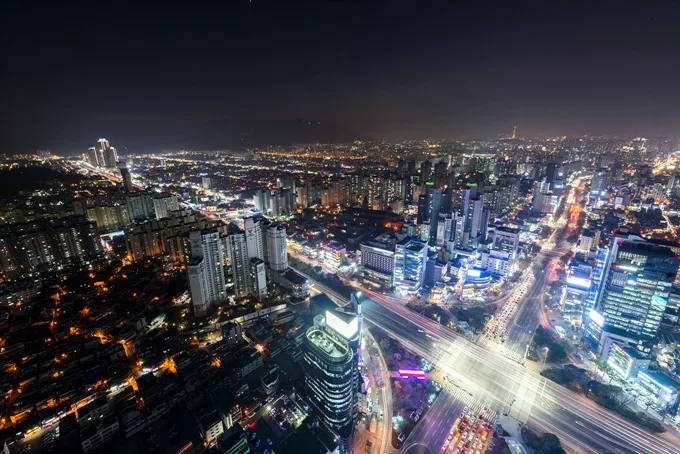
- Nearby: Daegu (18 km)
Best time to visit & climate
The most pleasant time to visit is May, Jun, Sep.
| Jan | Feb | Mar | Apr | May | Jun | Jul | Aug | Sep | Oct | Nov | Dec | |
|---|---|---|---|---|---|---|---|---|---|---|---|---|
| Avg °C | -3 | -1 | 4 | 11 | 17 | 21 | 24 | 25 | 19 | 13 | 6 | -1 |
| Rain mm | 25 | 36 | 52 | 89 | 91 | 131 | 264 | 242 | 147 | 64 | 37 | 24 |
📋 Practical info
Geography
Facts
- Palgongsan was designated as South Korea's 23rd national park in May 2023.
- The highest peak, Birobong, reaches an elevation of 1,192.3 meters.
- Donghwasa Temple was originally founded in 493 AD by the monk Geukdal.
- The Gatbawi Buddha stone sculpture dates back to the 9th century (Unified Silla).
- The national park area encompasses a total of 126.3 square kilometers.
- The mountain spans across one metropolitan city and four different counties.
Explore nearby
Notable places around
Route planner — Car & Motorhome
Where do you start? We build the route here, with stops and country notes along the way.
© OpenStreetMap contributors · OpenRouteService
Sights in the town Palgongsan Mountain (8)
Sights nearby
Frequently asked questions
What is the most famous site on Palgongsan?
Is there a cable car to the peak?
How difficult is the climb to Gatbawi?
When is the best time to visit?
Which temple is at the base of the mountain?
Palgongsan Mountain: where is it located?
Palgongsan Mountain: what is there to see?
Palgongsan Mountain: when is the best time to visit?
Palgongsan Mountain: why is it worth visiting?
Nearby cities
History & landmarks
Nature
More places