Plizio Visual Lab
Akagera Elephant Habitat
Weather…
Water temperature…
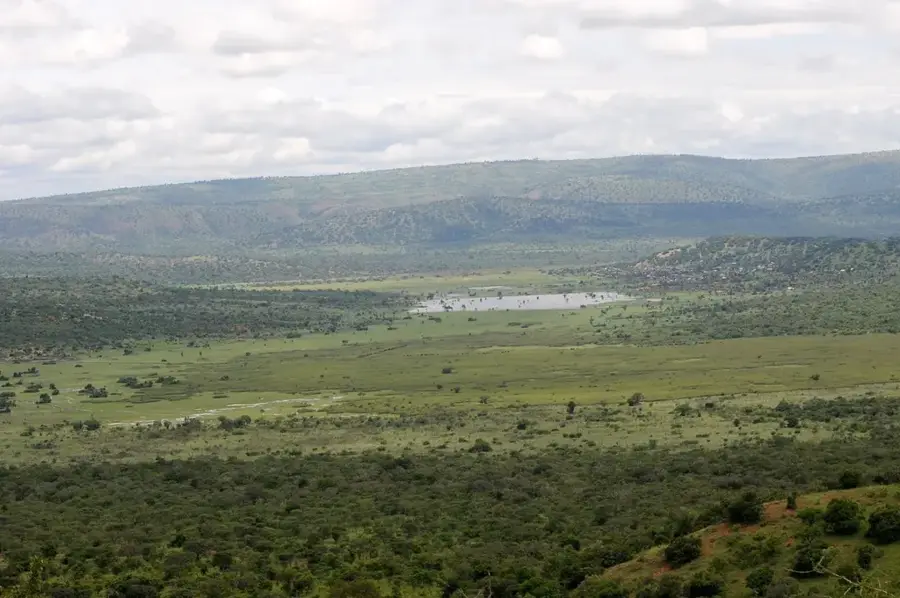
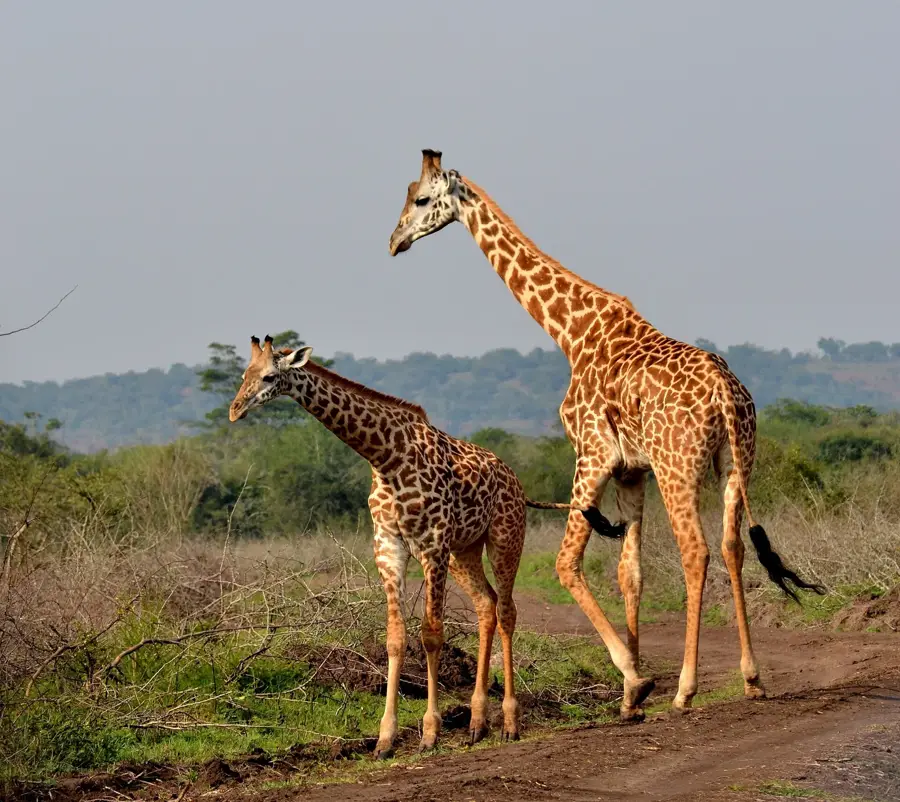
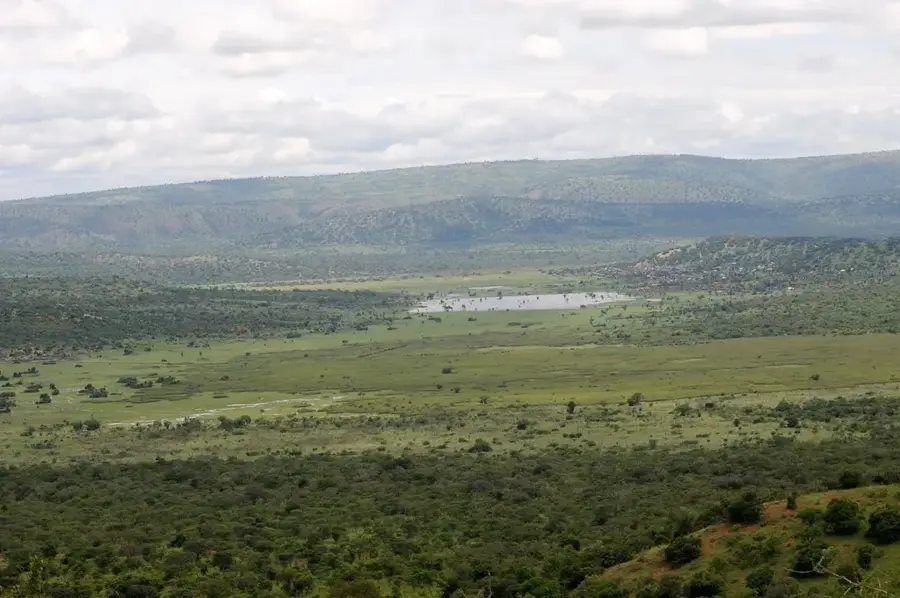
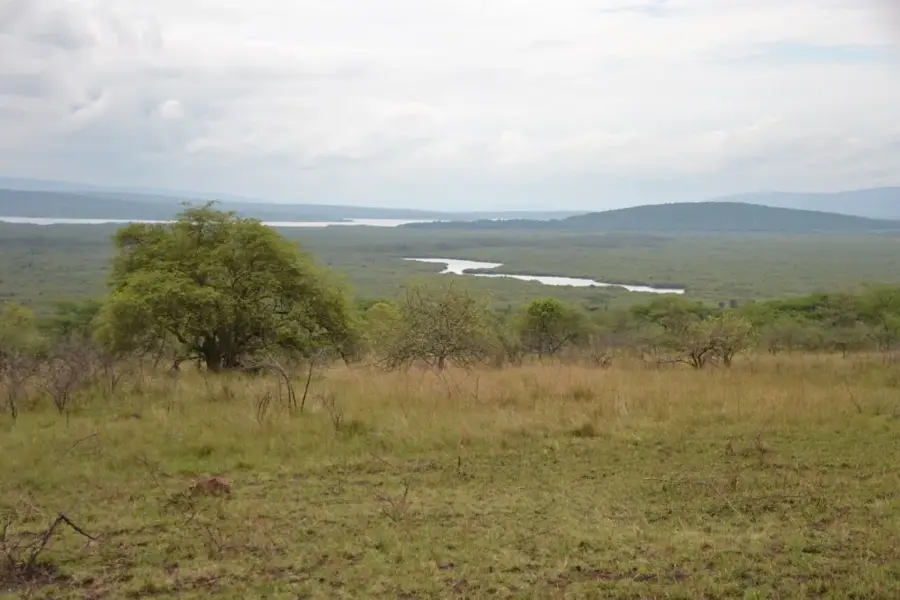
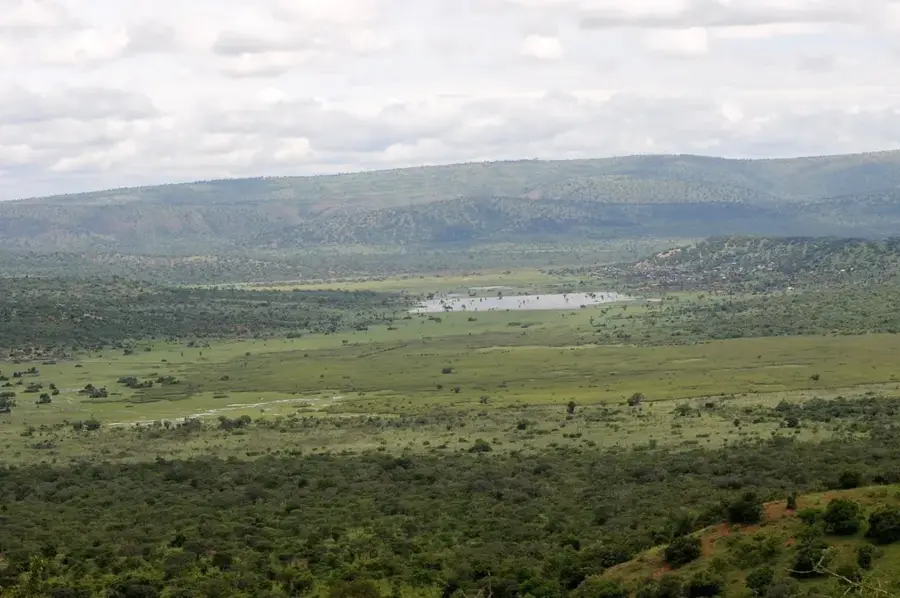
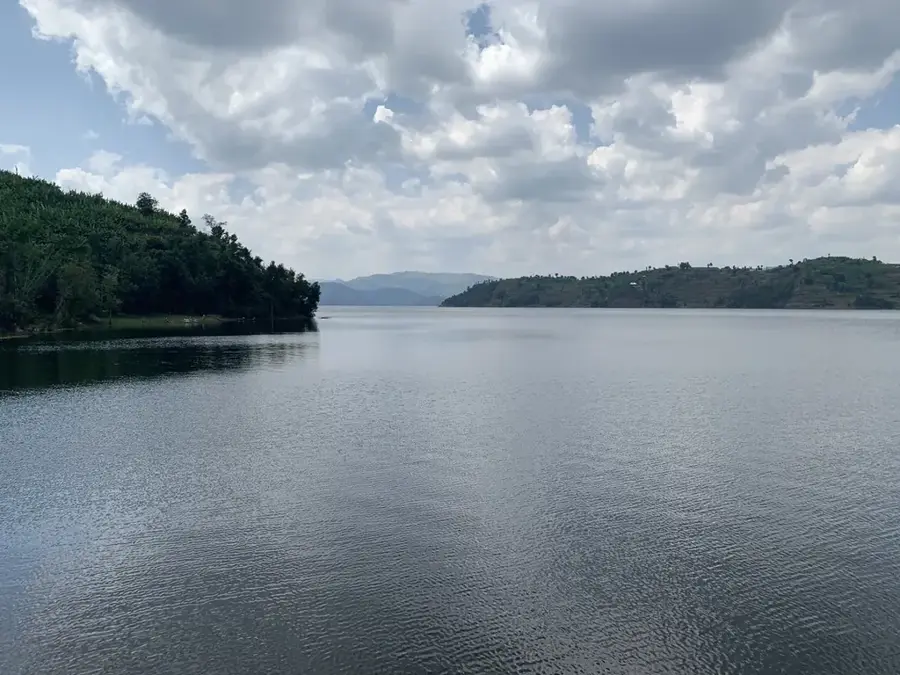
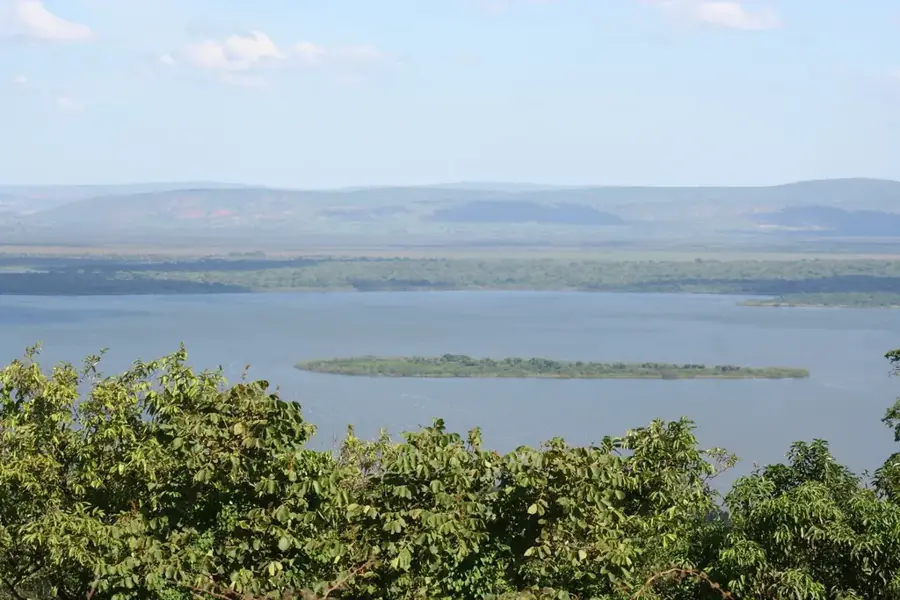
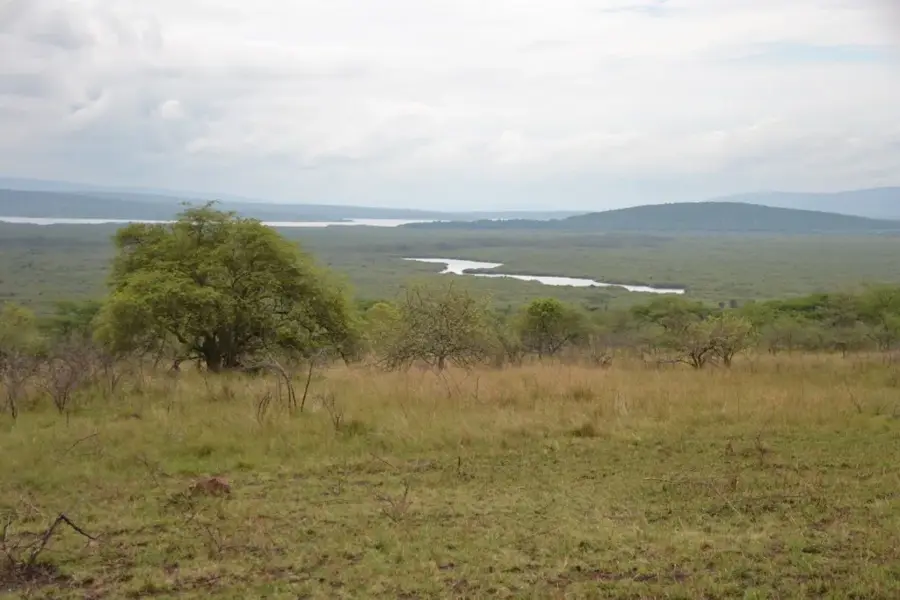
The elephant habitat in Akagera National Park is a crucial part of the ecosystem and a symbol of conservation success in Rwanda. After their reintroduction in 2015, the elephant populations have thrived and now roam the vast savannas and woodlands of the park. Their habitat includes a diverse landscape of lakes, swamps, and acacia forests, providing ample food and water. Elephants play an important role as 'ecosystem engineers' by shaping landscapes and promoting biodiversity. Visitors can often spot these majestic animals near the waterholes or crossing the plains. The park management works closely with surrounding communities to minimize human-wildlife conflict and ensure the long-term protection of the elephants.
Explore on the map
How well do you know Rwanda?
Find cities, landscapes and regions in 10 varied challenges on the interactive map.
Your journey, your memory
A postcard from Akagera Elephant Habitat
Turn your own photo into a personal postcard with a local stamp. Free and no sign-up required.
Create a postcard- Location: Rwanda
- Nearby: Rwinkwavu (18 km)
Best time to visit & climate
The most pleasant time to visit is Jun–Aug.
| Jan | Feb | Mar | Apr | May | Jun | Jul | Aug | Sep | Oct | Nov | Dec | |
|---|---|---|---|---|---|---|---|---|---|---|---|---|
| Avg °C | 22 | 22 | 22 | 21 | 21 | 21 | 21 | 22 | 22 | 22 | 21 | 21 |
| Rain mm | 93 | 92 | 155 | 174 | 124 | 34 | 20 | 43 | 97 | 136 | 169 | 106 |
📋 Practical info
Geography
Facts
- Elephants were successfully reintroduced in 2015.
- The park is now home to a growing population.
- They prefer the northern savannas and the lake areas.
- Their migrations contribute to seed dispersal.
- An important part of the 'Big Five' in Akagera National Park.
- Sightings are most likely in the early morning.
- Protection measures include monitoring with GPS collars.
Explore nearby
Notable places around

Route planner — Car & Motorhome
Where do you start? We build the route here, with stops and country notes along the way.
© OpenStreetMap contributors · OpenRouteService
Sights nearby
Frequently asked questions
Where is the best place to see elephants in Akagera National Park?
How close can you get to the elephants?
Are guided tours necessary for observation?
What is the best time for elephant viewing?
Is there an entry fee for the park?
Akagera Elephant Habitat: where is it located?
Akagera Elephant Habitat: when is the best time to visit?
Akagera Elephant Habitat: why is it worth visiting?

Nearby cities



History & landmarks
Nature
More places