Plizio Visual Lab

Mogoșoaia Palace

Plizio editorial teamData Sources
City
—°21020
Mogoșoaia Palace (Romania)
ℹ️

Practical info — Mogoșoaia Palace

🌤 Weather — 5 days

📍 Nearby

Sights nearby

💡 Tips

  • Visit on weekday mornings to avoid the heavy weekend crowds coming from Bucharest.
  • Take the local train from Gara de Nord or STB buses, but check the timetable in advance as it is outside the main city grid.
  • Bring a blanket, as picnicking on the expansive lawns is a highly popular local weekend activity.
  • Walk around the lake for the best photography angles of the palace reflecting in the water.

🍽 Food

🍽
Mici (grilled skinless sausages)

Look for local terraces or forest restaurants right outside the palace grounds.

🍽
Plăcintă (traditional pastry)

Try the bakeries in the center of Mogoșoaia village for authentic local sweets.

🍽
Light Refreshments

Grab a drink at the park kiosks or the cafe situated in the palace courtyard.

🛍 Shopping · 🧘 Quiet spots

🛍
Traditional Ceramics

Often sold by local artisans near the main entrance during busy weekends.

🛍
Local Honey

Check out the farmers markets in the commune for fresh regional products.

🧘
Mogoșoaia Lake Shores

Peaceful walking paths right along the water, away from the main building.

🧘
The English Park

The expansive, shaded green area directly behind the palace, excellent for reading.

Highlights of 2026

2

Exhibition marking 170 years of Romanian Gendarmerie history

The Brâncoveanu Palaces are hosting a traveling exhibition documenting the history of the Romanian Gendarmerie. The collection arrived at the palace gallery after being showcased in 29 museums across the country.
Restoration of the traditional Lișcă House in Buftea

The traditional building known as Lișcă House was successfully relocated and restored within the Parcul dintre Flori. This project aims to preserve and promote the vernacular architectural heritage of Ilfov County.

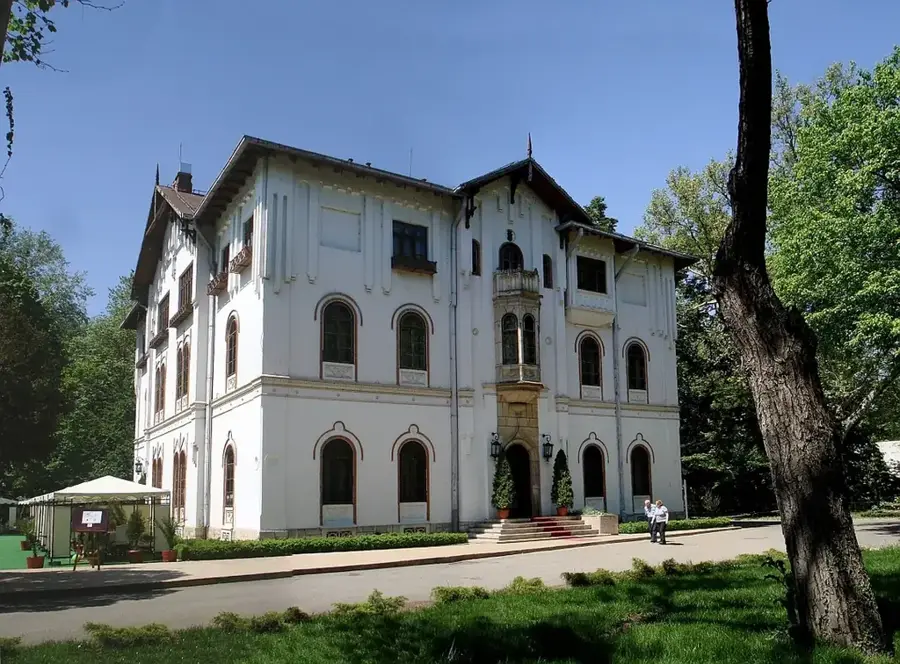
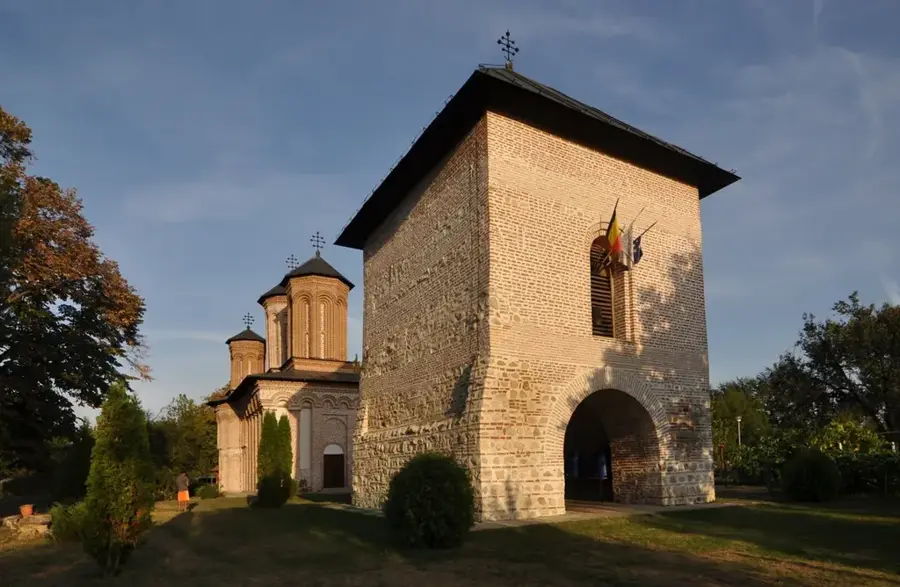
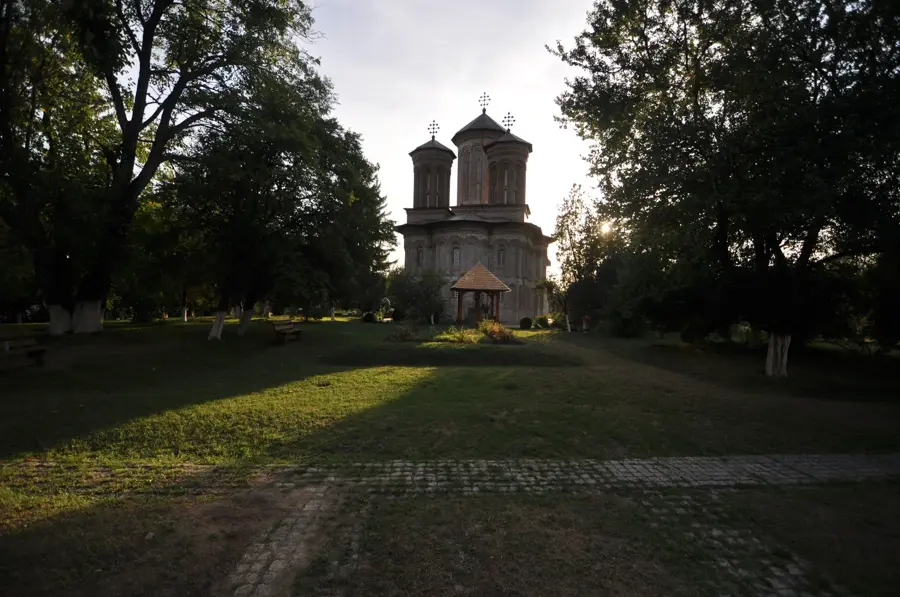
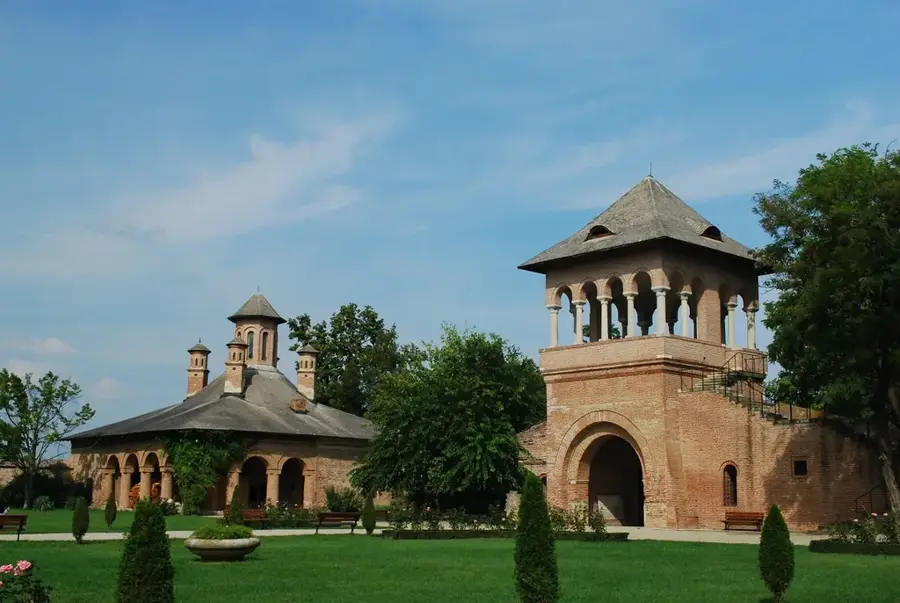
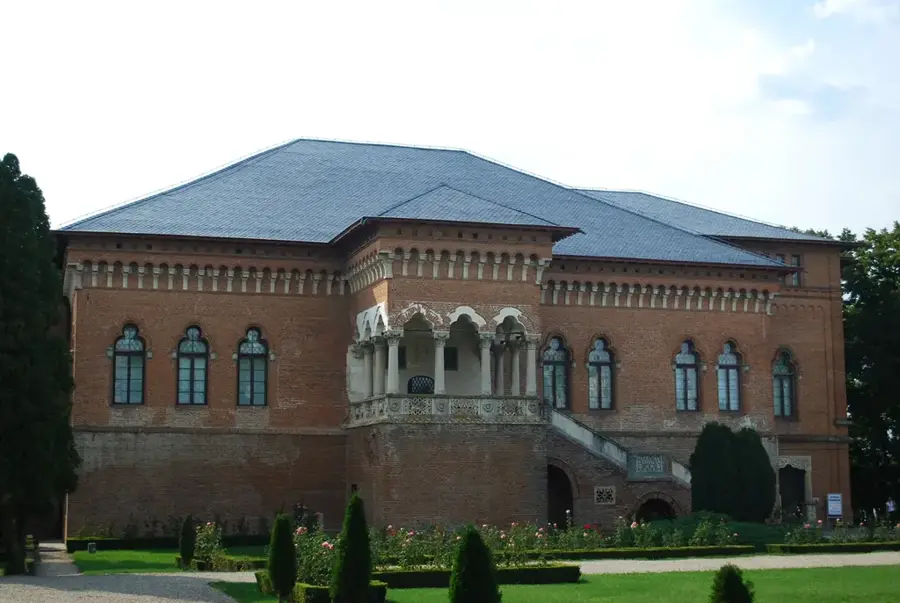
Mogoșoaia Palace, located just northwest of Bucharest, is a preeminent example of the Brâncovenesc architectural style, which flourished in Wallachia during the late 17th century. Completed in 1702 by Prince Constantin Brâncoveanu, the palace was intended as a summer residence for his heirs. Its design is famous for blending Venetian Renaissance loggias with Ottoman decorative patterns and local Byzantine structures, creating a distinct Romanian aesthetic. Following Brâncoveanu's execution by the Ottomans in 1714, the palace was confiscated and suffered significant damage until it was acquired and painstakingly restored by the Bibescu family in the 19th and 20th centuries. Princess Martha Bibescu played a crucial role in its modern revival, turning it into a social and cultural hub for the European elite. The estate features lush lakeside gardens, a 17th-century church, and a neoclassical greenhouse, currently serving as a museum of Brâncovenesc art and a serene destination for cultural tourism.

Best time to visit & climate

The most pleasant time to visit is Jun, Aug, Sep.

JanFebMarAprMayJunJulAugSepOctNovDec
Avg °C-2161218222525191360
Rain mm443439436579674652564248

Geography

Population
5,304
Coordinates
44.52700, 25.99300

Facts

  • The palace was finished in 1702, as stated on a commemorative stone tablet.
  • It is the best-preserved building in the unique Brâncovenesc style.
  • The estate was nationalized by the Communist regime in 1949.
  • The gardens are inspired by French landscape design of the 18th century.
  • The palace's cellar was designed with thick walls to maintain a cool temperature.
  • Princess Martha Bibescu hosted famous writers like Antoine de Saint-Exupéry here.

Explore nearby

Notable places around

Route planner — Car & Motorhome

Where do you start? We build the route here, with stops and country notes along the way.

Vehicle
Only stops with (optional):

© OpenStreetMap contributors · OpenRouteService

Sights in the town Mogoșoaia Palace (10)

Cuhnia🏺 historical

The Cuhnia is the old princely kitchen of the palace, unique for its four massive ventilation towers.

The Park🌿 nature

A lush landscape garden surrounding the palace, featuring lake views and centuries-old trees in a peaceful setting.

Lacul Chitila🌿 nature

Lacul Chitila is a quiet lake near Mogosoaia Palace, well-suited for a walk in nature.

Lacul Străulești🌿 nature

Lacul Străulești is a lake near Mogosoaia Palace, offering a relaxed atmosphere.

Ghețărie🏰 castle

Ghețărie is a historic castle-like building located on the grounds of Mogoșoaia Palace.

Fortul Nr. 2 Mogoșoaia🛡️ fortress

Fortul Nr. 2 Mogoșoaia is a former defensive structure located near the Mogoșoaia Palace.

Bateria Nr. 1-2🛡️ fortress

Bateria Nr. 1-2 is a historical fortification situated near the Mogoșoaia Palace.

Palatul Mogoșoaia🏰 castle

A beautiful historic palace located in Romania, known for its unique architectural style and rich history.

Vila d' Elchingen🏰 castle

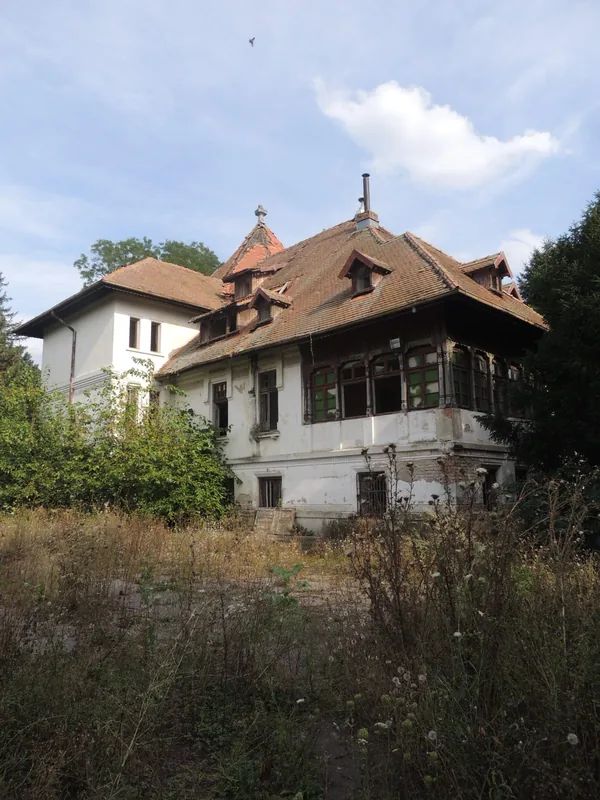
A striking historic villa and prominent castle-like structure located in the Mogoșoaia Palace area.

Lenin

A notable historical monument of Lenin located within the beautiful grounds of Mogoșoaia Palace.

Frequently asked questions

What is the Brâncovenesc style?
A Romanian architectural style that blends Oriental, Byzantine, and Italian Renaissance elements.
When was the palace built?
The palace was completed in 1702 by Prince Constantin Brâncoveanu.
How far is Mogoșoaia from Bucharest?
The complex is located approximately 15 km from the center of Bucharest.
Can you visit the park surrounding the palace?
Yes, the courtyard and park on the lakeshore are open to the public and very popular for relaxation.
Is there a museum inside?
Yes, the palace houses the Museum of Brâncovenesc Art, with historical and sacred art exhibitions.
Mogoșoaia Palace: where is it located?
Mogoșoaia Palace is located in Ilfov, Romania.
Mogoșoaia Palace: what is there to see?
Highlights include Cuhnia, The Park, Lacul Chitila.
Mogoșoaia Palace: when is the best time to visit?
The most pleasant time to visit is Jun, Aug, Sep.
Mogoșoaia Palace: why is it worth visiting?
Mogoșoaia Palace, located just northwest of Bucharest, is a preeminent example of the Brâncovenesc architectural style, which flourished in Wallachia during the late 17th century.
View on map → The Top 50 Attractions → OpenStreetMap →
Europe
Explore with Plizio Discover more places in Europe
More places in Romania →

Nearby cities

History & landmarks

Nature

More places