Plizio Visual Lab
Tismana Monastery
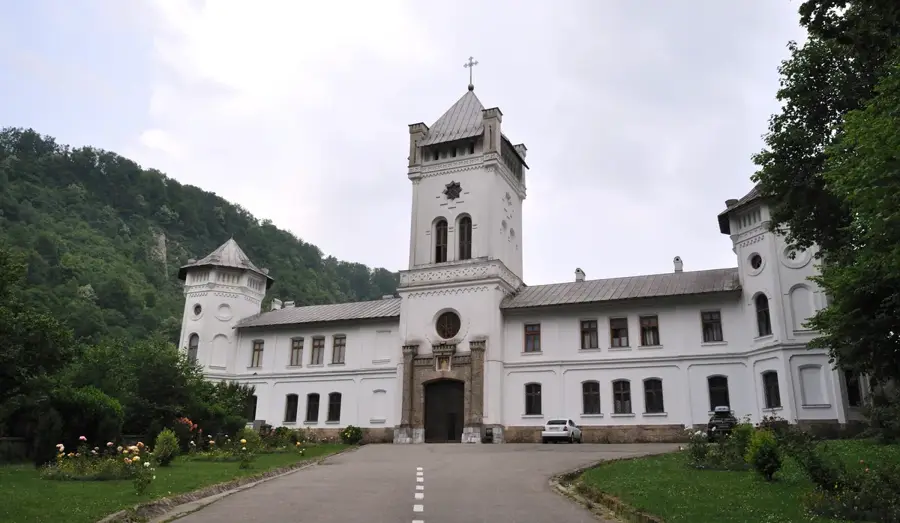
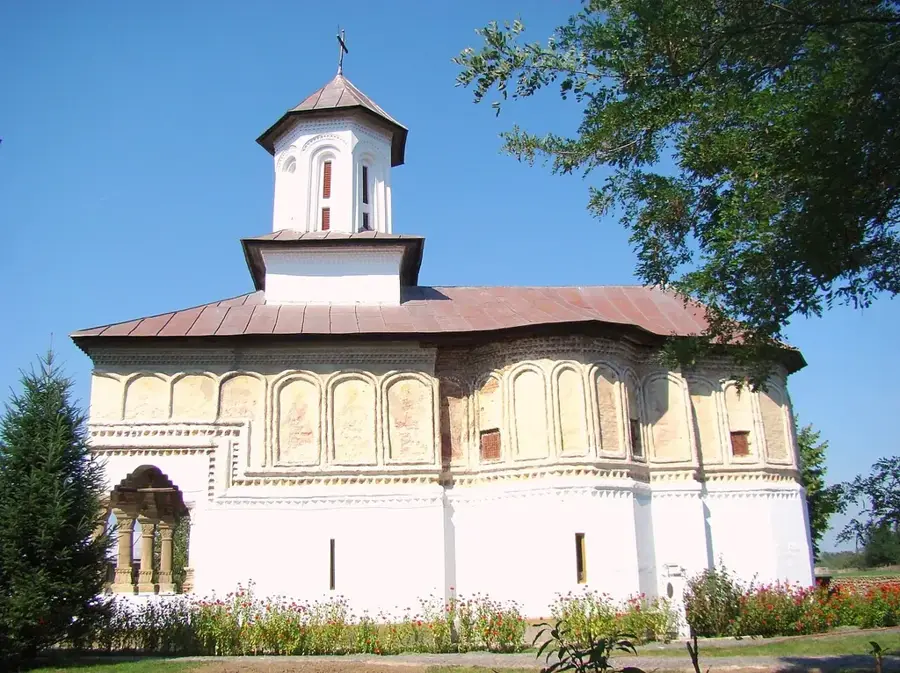
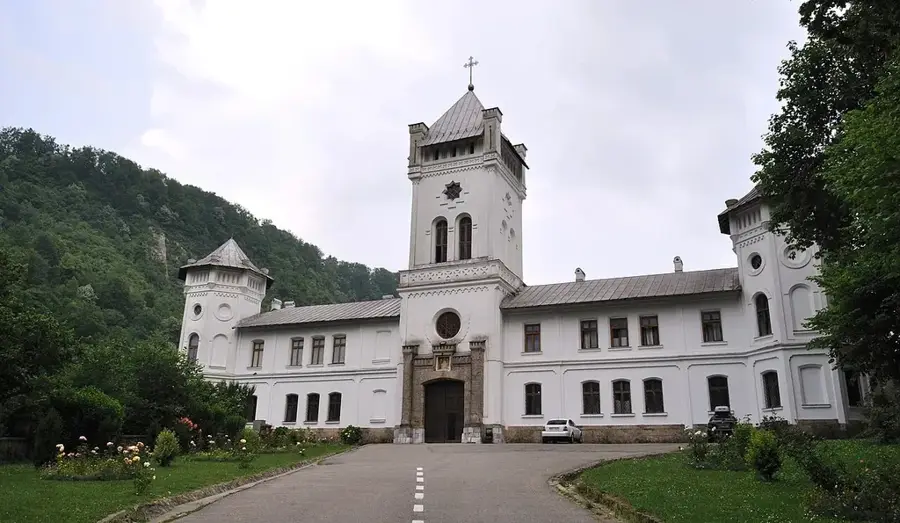
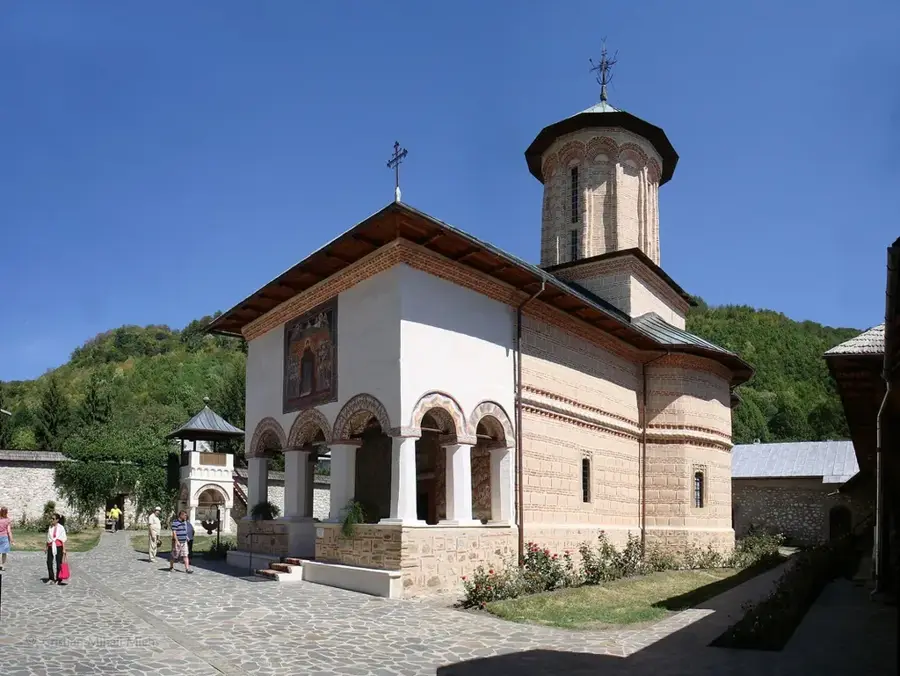
Tismana Monastery is the oldest surviving monastic settlement in Wallachia, often referred to as the cradle of monasticism in the region. Founded in the 14th century, around 1377, by Saint Nicodim of Tismana, the monastery was completed with the support of Voivodes Radu I and Dan I. Built upon a steep rock at the foot of the Vâlcan Mountains, its massive walls and defensive structures give it the imposing appearance of a medieval fortress. A significant historical event occurred during World War II, when the gold reserves of the National Bank of Romania were hidden in a nearby cave to protect them from falling into enemy hands. The church architecture follows the Byzantine triconch plan and features layers of valuable frescoes from different historical periods. Today, Tismana continues to be a major spiritual hub, housing the relics of Saint Nicodim and drawing thousands of pilgrims who seek solace in its sacred halls.
Explore on the map
How well do you know Romania?
Find cities, landscapes and regions in 10 varied challenges on the interactive map.
Your journey, your memory
A postcard from Tismana Monastery
Turn your own photo into a personal postcard with a local stamp. Free and no sign-up required.
Create a postcard- Location: Gorj, Romania
- Nearby: Rovinari (22 km)
Best time to visit & climate
The most pleasant time to visit is Jun–Aug.
| Jan | Feb | Mar | Apr | May | Jun | Jul | Aug | Sep | Oct | Nov | Dec | |
|---|---|---|---|---|---|---|---|---|---|---|---|---|
| Avg °C | -3 | -1 | 4 | 10 | 15 | 19 | 22 | 22 | 16 | 10 | 4 | -1 |
| Rain mm | 47 | 46 | 51 | 59 | 88 | 95 | 83 | 60 | 59 | 66 | 57 | 57 |
📋 Practical info
Geography
Facts
- Established around 1377 by Saint Nicodim, the founder of the monastery.
- The oldest continuously operating monastery in the historical Wallachia region.
- A nearby cave hid 191 tons of national gold reserves during World War II.
- The church architecture follows a traditional Byzantine triconch design.
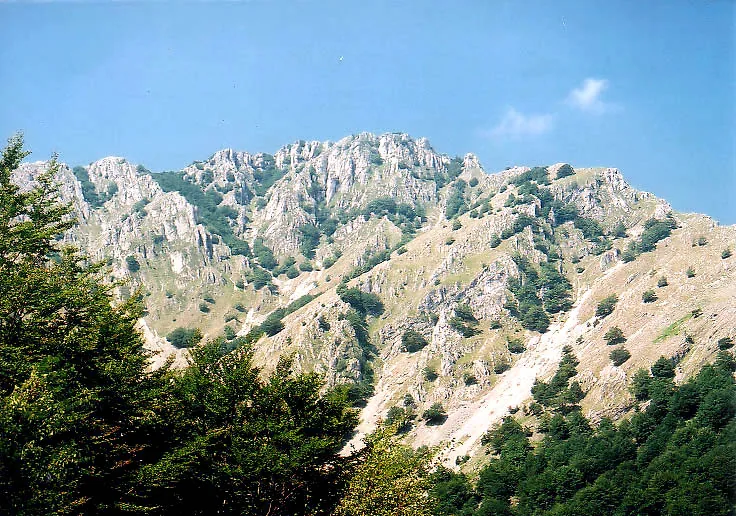
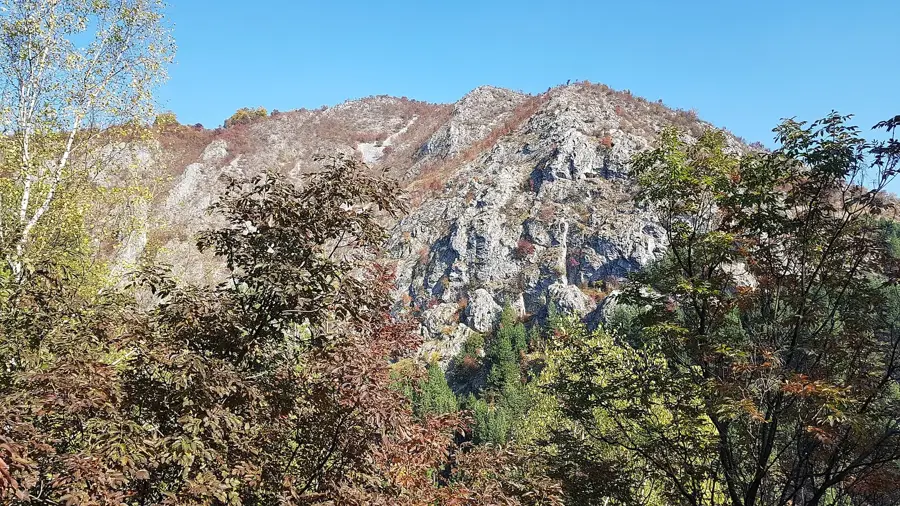
- Strategically located on a high plateau surrounded by steep cliffs.
- Contains precious 16th-century mural paintings and sacred relics.
Explore nearby
Notable places around
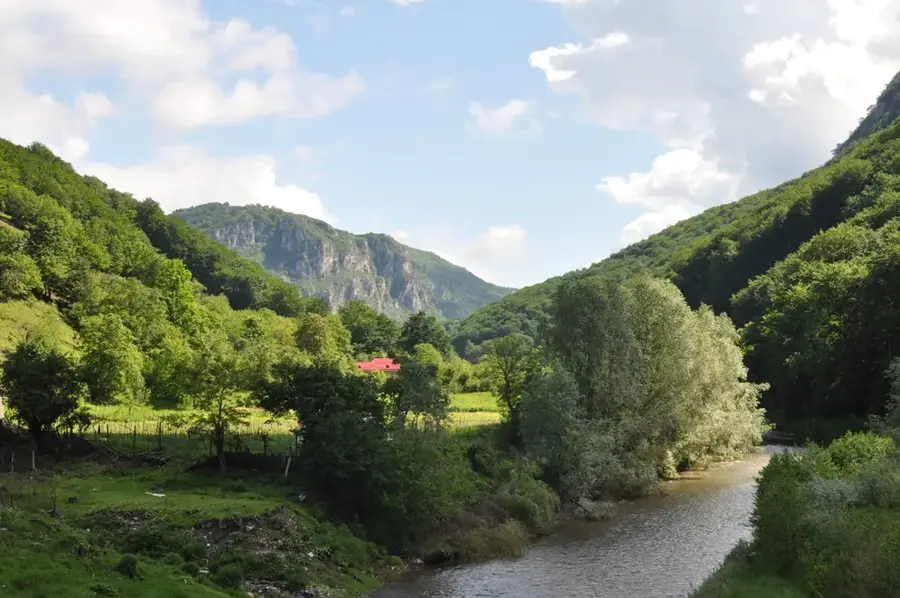

Route planner — Car & Motorhome
Where do you start? We build the route here, with stops and country notes along the way.
© OpenStreetMap contributors · OpenRouteService
Sights in the town Tismana Monastery (1)
Sights nearby
Frequently asked questions
What is the historical significance of Tismana?
Can you visit the cave where the gold was hidden?
Where is Tismana Monastery located?
Is there a dress code for visitors?
When is the monastery's feast day celebrated?
Tismana Monastery: where is it located?
Tismana Monastery: when is the best time to visit?
Tismana Monastery: why is it worth visiting?

Nearby cities
History & landmarks
Nature