Plizio Visual Lab

Archaeological Sites of Taxila
Plizio editorial teamData Sources
ruin
—°11
Archaeological Sites of Taxila (Pakistan)

Weather…

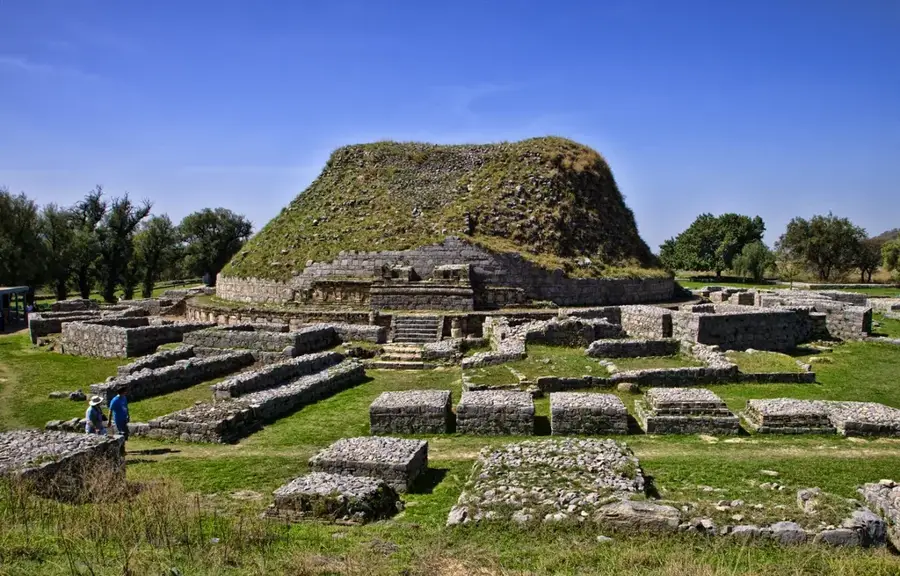
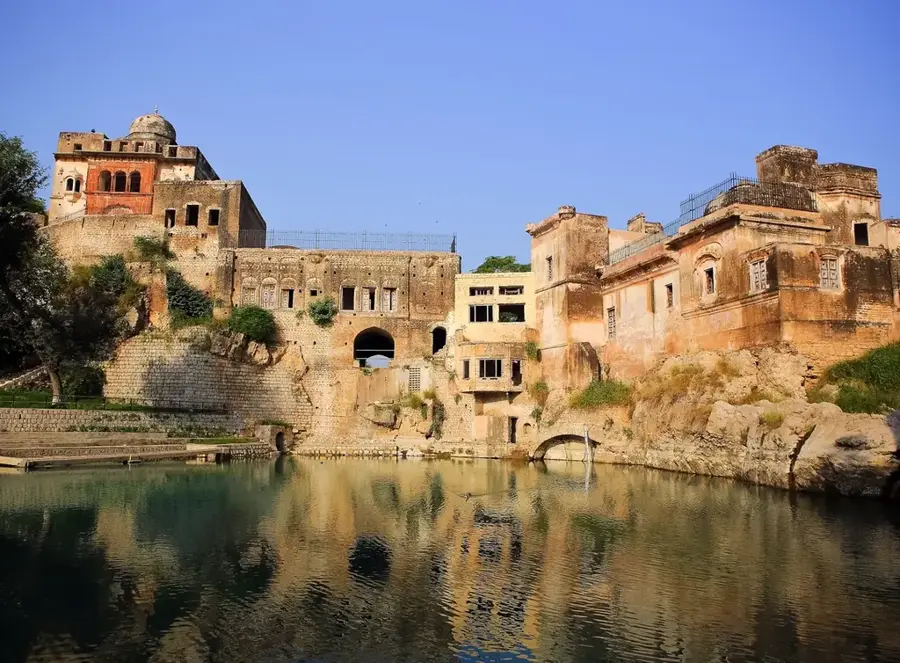
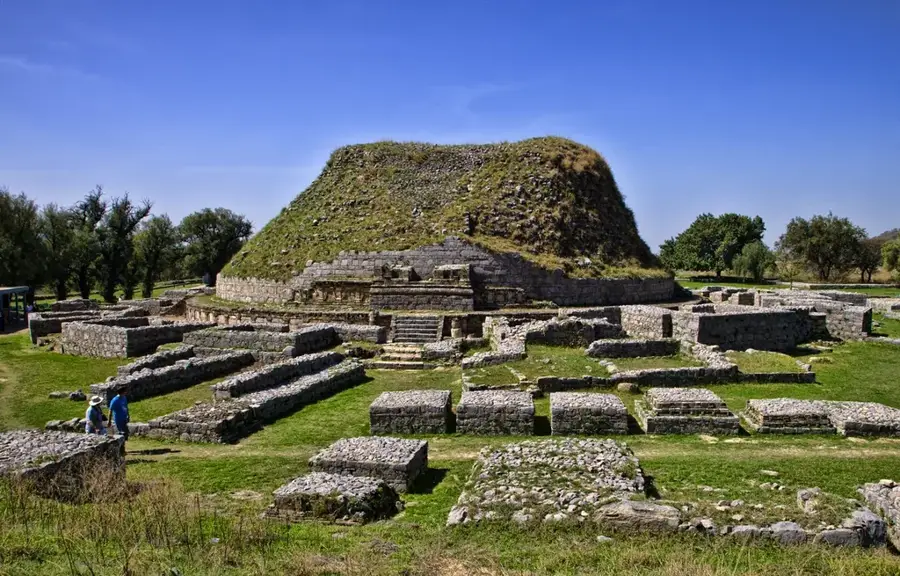
The archaeological site of Taxila in Pakistan has been a UNESCO World Heritage site since 1980 and represents one of the most significant historical crossroads in South Asia. Founded at a strategic point along the Silk Road, Taxila merged the influences of the Persian Achaemenids, the Greeks under Alexander the Great, and the Indian Maurya Empire. The extensive ruins encompass several settlement mounds such as Bhir Mound and Sirkap, as well as major Buddhist monasteries like Dharmarajika and Jaulian. Particularly notable is the city's role as an ancient educational center that attracted scholars from across the contemporary world and significantly shaped the development of Gandhara art. Today, visitors can examine the complex layouts of temples, stupas, and residences, providing insights into advanced urban planning of antiquity. The finds from Taxila, including sculptures and coins, document centuries of cultural exchange between the Orient and the Occident.

Best time to visit & climate

The most pleasant time to visit is Apr, Oct, Nov.

JanFebMarAprMayJunJulAugSepOctNovDec
Avg °C111318243034323027231713
Rain mm409088596211222018480241825

📋 Practical info

🚪
Visiting
The vast archaeological sites of Taxila can primarily be explored outdoors, allowing visitors to wander among the ancient foundations and impressive stupas. Be prepared to walk extensively across multiple excavation areas that are spread out over a fairly large geographical region.
🕒
Typical hours
The ancient ruins are typically open to visitors from early morning until sunset every day, although the on-site museum usually follows standard business hours and may close on certain weekdays. Arriving early in the day is strongly suggested to enjoy cooler temperatures while exploring.
📷
Photography
Photography for personal use is widely encouraged across the open archaeological sites, providing endless opportunities to capture the intricate historical details. However, the museum building might have specific restrictions regarding the use of flash or professional camera equipment.
⏱️
Time needed
Due to the massive scale of the various interconnected sites and the rich artifacts housed within the main museum, you should plan to spend at least half a day to a full day here. A hurried visit simply will not do justice to the profound historical significance of this ancient city.
Combine with
You can easily combine your extensive tour of the archaeological sites with a dedicated visit to the local history museum, which beautifully contextualizes the ruins. Additionally, exploring the various distinct excavation zones and ancient monastic foundations scattered in the vicinity is a must.
🧭
Getting there
Taxila is situated a relatively short distance from Islamabad, making it a highly popular and straightforward day trip via the modern motorways using a private vehicle or local taxi. Public transportation buses and minivans also run frequently between the capital city and the modern town of Taxila.
💡
Insider tip
Hiring a knowledgeable official guide at the main entrance or the museum is highly recommended, as the vast ruins can be difficult to interpret fully without proper historical context. Always carry plenty of drinking water, a wide-brimmed hat, and comfortable walking shoes for the dusty terrain.

Geography

Coordinates
33.74950, 72.82560

Facts

  • Taxila was added to the UNESCO World Heritage list in 1980.
  • The city was a center of Gandhara art, which blends Greek and Buddhist elements.
  • The ruins of Sirkap show a grid-like urban planning of Greek origin.
  • Dharmarajika Stupa is one of the oldest Buddhist structures in the region.
  • Alexander the Great captured Taxila without a fight in 326 BCE.
  • The Taxila Museum houses a significant collection of Gandhara sculptures.

Explore nearby

Notable places around

Route planner — Car & Motorhome

Where do you start? We build the route here, with stops and country notes along the way.

Vehicle
Only stops with (optional):

© OpenStreetMap contributors · OpenRouteService

Sights in the town Archaeological Sites of Taxila (11)

Mian Stupa📍 landmark

An ancient Buddhist stupa in Taxila that served as a reliquary and place of worship.

Pipplan Stupa and Monastery📍 landmark

A Buddhist complex featuring a stupa and a monastery with a traditional central courtyard.

Mohra Morado📍 landmark

A well-preserved monastery and stupa complex known for its detailed stucco sculptures.

Jandial Temple🏺 historical

A unique Greek-style temple ruins featuring Ionic columns, believed to have been Zoroastrian.

Taxila Museum🏛 museum

This museum houses a significant collection of Gandhara art and ancient archaeological finds.

Khanpur Cave🌿 nature

A prehistoric cave site containing traces of human settlement from the Mesolithic period.

julian🌿 nature

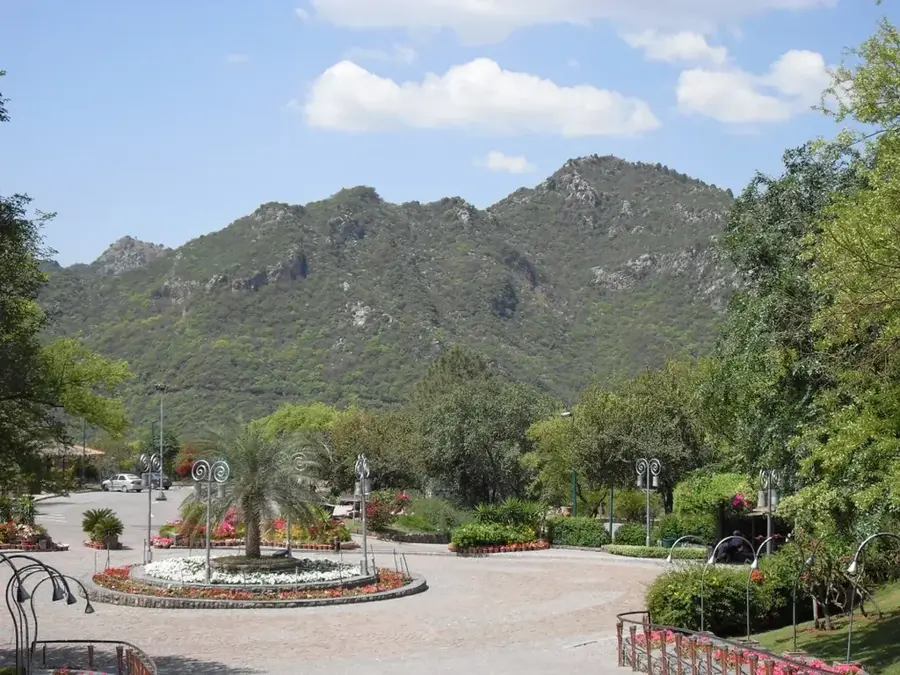
A viewpoint above the Jaulian ruins offering a wide perspective over the Taxila valley.

Wahcant Gete No 2🌿 nature

An elevated observation point located near the historical industrial site of Wah.

Sirsukh🏺 historical

Ruins of a fortified city built in the 1st century AD by the Kushans in a typical Central Asian style.

Sirkap🏺 historical

An ancient city featuring a grid-based street plan and the famous Double-Headed Eagle Stupa.

Officers Colony Market🎭 culture

A local shopping area in the Officers Colony offering daily necessities and fresh produce.

Sights nearby

Frequently asked questions

What makes Taxila so significant?
Taxila was a significant center of Buddhism and an ancient educational hub.
When is the best time to visit?
The mild months between October and April are convenient for sightseeing.
How much time do you need on site?
A visit takes about 4 to 5 hours to see the various archaeological sites.
Is the local museum worth visiting?
Yes, the Taxila Museum houses an impressive collection of ancient artifacts.
Do you need a guide?
A guide is highly recommended to understand the complex history of the sites.
Archaeological Sites of Taxila: where is it located?
Archaeological Sites of Taxila is located in Pakistan.
Archaeological Sites of Taxila: what is there to see?
Highlights include Mian Stupa, Pipplan Stupa and Monastery, Mohra Morado.
Archaeological Sites of Taxila: when is the best time to visit?
The most pleasant time to visit is Apr, Oct, Nov.
Archaeological Sites of Taxila: why is it worth visiting?

The archaeological site of Taxila in Pakistan has been a UNESCO World Heritage site since 1980 and represents one of the most significant historical crossroads in South Asia.
View on map → The Top 50 Attractions → OpenStreetMap →
Asia
Explore with Plizio Discover more places in Asia
More places in Pakistan →

Nearby cities

History & landmarks
More places