Plizio Visual Lab
Badagry Slave Port
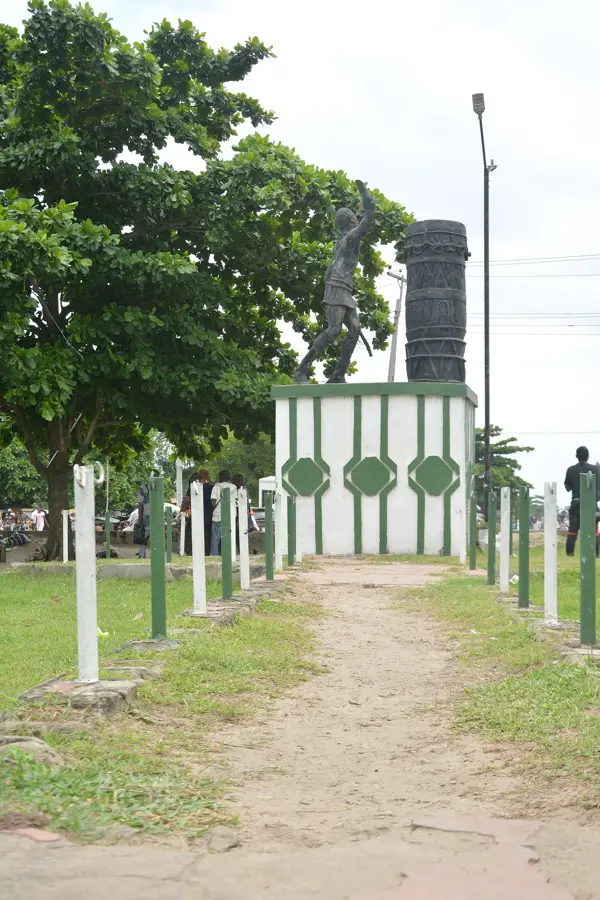
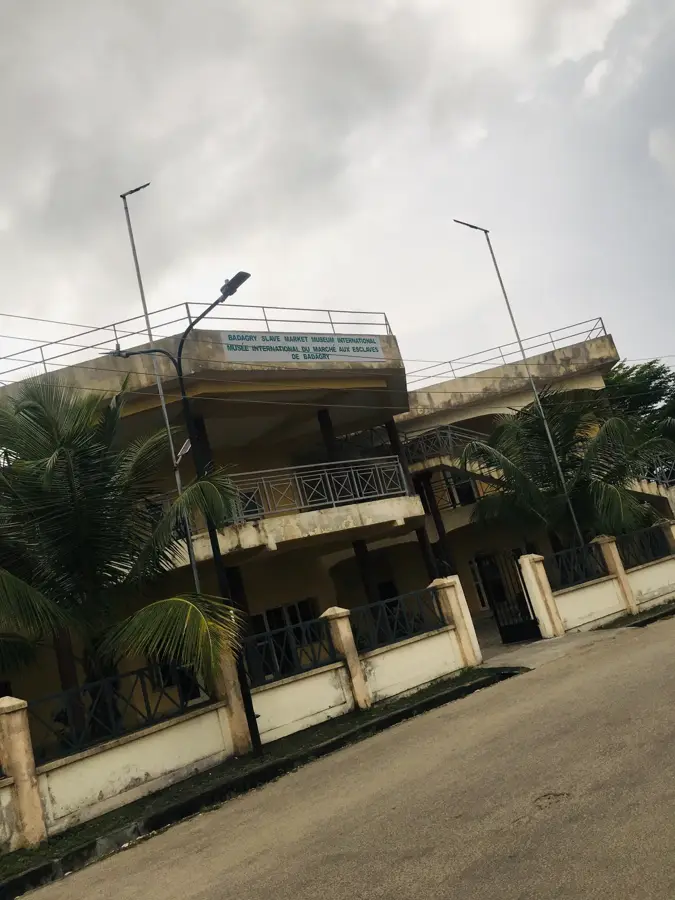
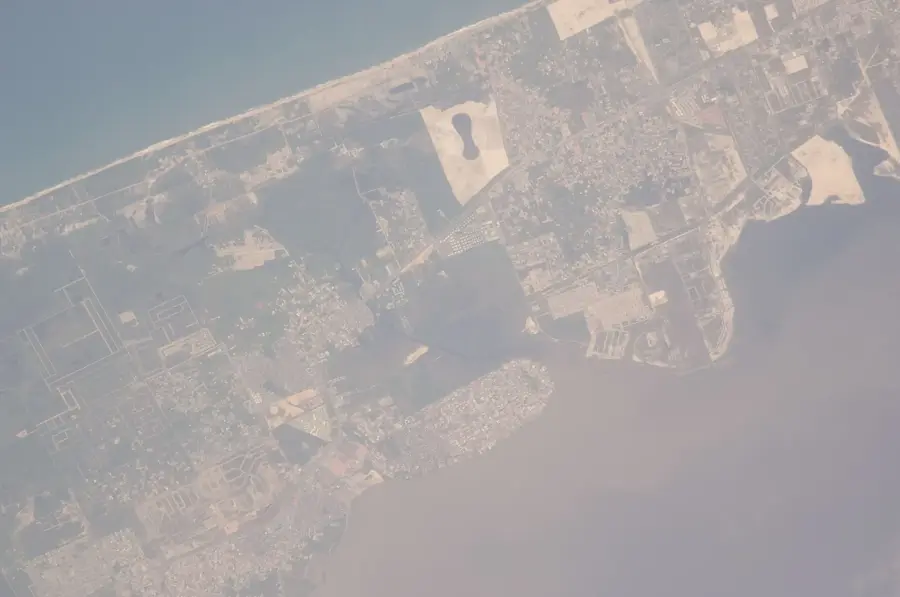
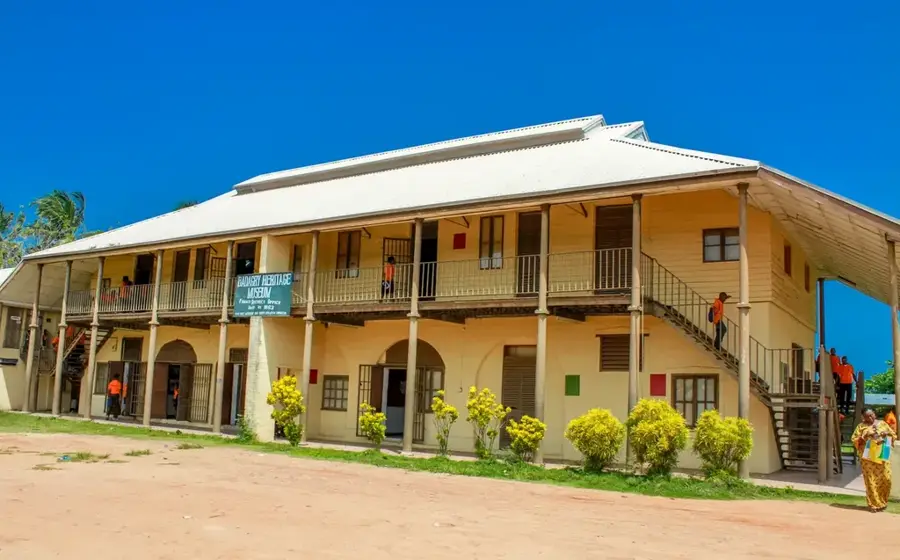
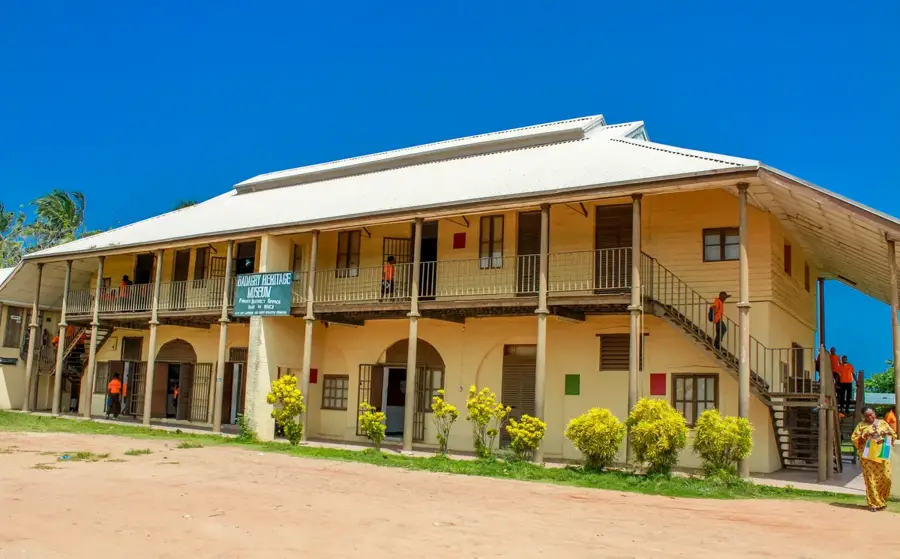
The Badagry Slave Port, established around 1425, was a primary hub for the Transatlantic slave trade on the coast of present-day Nigeria. Located along a lagoon west of Lagos, it served as a collection point for millions of Africans who were forcibly transported to the Americas. A significant site within the complex is the 'Point of No Return' on Gberefu Island, marking the final path captives took before being loaded onto ships. Today, Badagry has transitioned into a place of remembrance and education, hosting several museums like the Badagry Heritage Museum. These institutions display harrowing artifacts such as original chains, shackles, and historical records that document the brutality of the era. The port stands as a testament to human resilience and a reminder of the dark chapters of history. Visitors can walk the historical slave route, providing a profound educational experience regarding the global impact of the slave trade.
Explore on the map
How well do you know Nigeria?
Find cities, landscapes and regions in 10 varied challenges on the interactive map.
Your journey, your memory
A postcard from Badagry Slave Port
Turn your own photo into a personal postcard with a local stamp. Free and no sign-up required.
Create a postcard- Location: Nigeria
- Nearby: Lagos (56 km)
Best time to visit & climate
The most pleasant time to visit is Jan, Feb, Dec.
| Jan | Feb | Mar | Apr | May | Jun | Jul | Aug | Sep | Oct | Nov | Dec | |
|---|---|---|---|---|---|---|---|---|---|---|---|---|
| Avg °C | 26 | 27 | 28 | 28 | 27 | 26 | 25 | 25 | 25 | 26 | 27 | 27 |
| Rain mm | 25 | 32 | 71 | 125 | 189 | 243 | 205 | 114 | 245 | 202 | 71 | 25 |
📋 Practical info
Geography
Facts
- The slave port of Badagry was founded in approximately 1425.
- The 'Point of No Return' is located across the lagoon on Gberefu Island.
- The Heritage Museum is housed in a structure built in 1863.
- Original heavy iron neck and ankle shackles are on public display.
- Badagry served as a major exit point for slaves to the Caribbean.
- The Vlekete Slave Market was established here in the 16th century.
Explore nearby
Notable places around

Route planner — Car & Motorhome
Where do you start? We build the route here, with stops and country notes along the way.
© OpenStreetMap contributors · OpenRouteService
Sights in the town Badagry Slave Port (1)
Sights nearby
Frequently asked questions
What is the main feature of the port?
Can one visit the places alone?
When is the best time to visit?
Is photography allowed there?
How long does the tour last?
Badagry Slave Port: where is it located?
Badagry Slave Port: when is the best time to visit?
Badagry Slave Port: why is it worth visiting?
Nearby cities
History & landmarks
More places