Plizio Visual Lab
Cotonou Petroleum Terminal

Weather…
Water temperature…
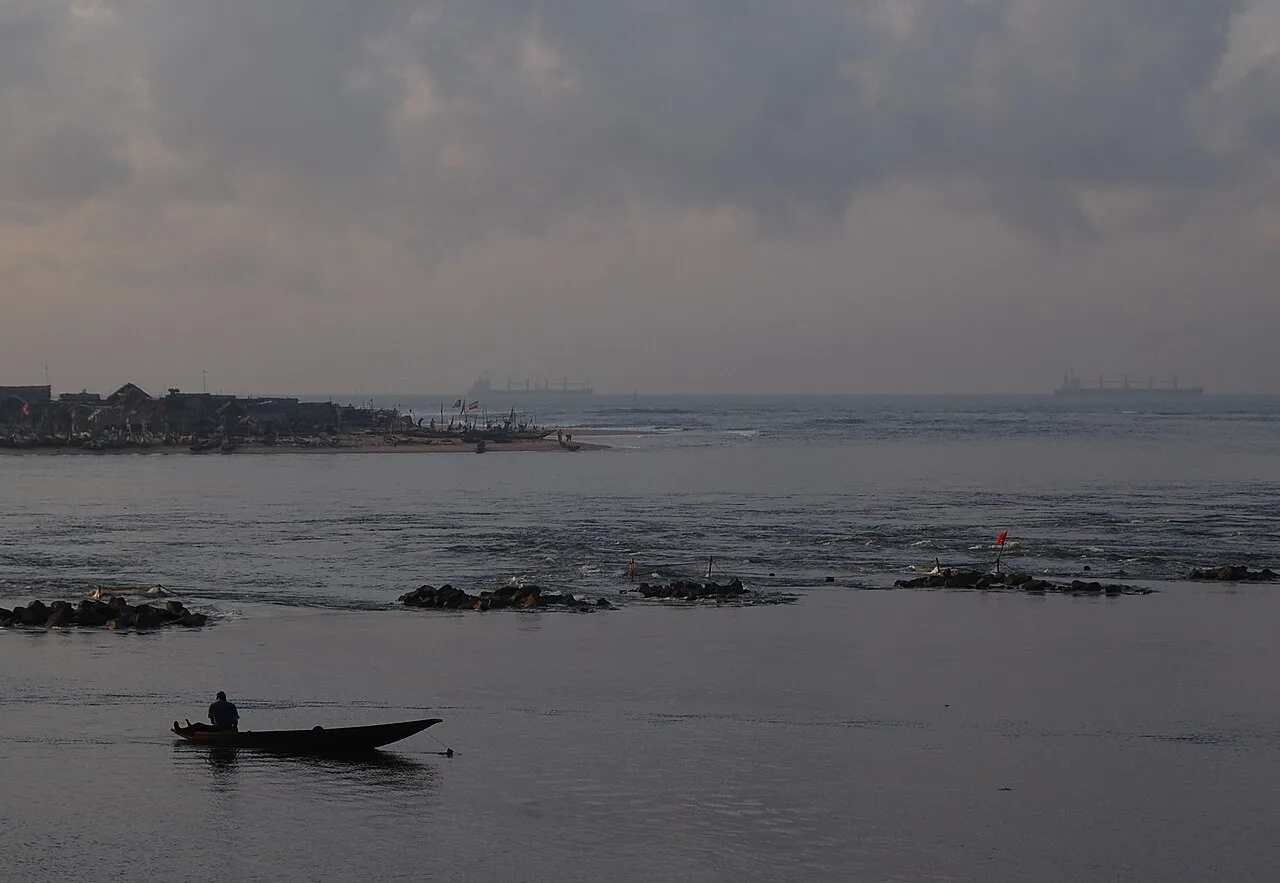
The Cotonou Petroleum Terminal is the strategic backbone of Benin's energy supply chain, serving as the primary point of entry for liquid fuels. This specialized facility handles the import, storage, and distribution of refined petroleum products, including gasoline, diesel, and jet fuel. Given Benin's limited domestic refining capacity, the terminal is essential for meeting the nation's transportation and industrial energy needs. The site features a comprehensive tank farm equipped with advanced safety systems and fire suppression technology. Beyond domestic utility, the terminal plays a crucial role as a regional transit hub, facilitating fuel shipments to landlocked Niger via the Cotonou-Niamey corridor. Operations are typically managed through partnerships between state entities and international logistics firms. Significant investments have recently been made to expand storage volumes and upgrade jetty infrastructure to accommodate larger tankers. The terminal operates under strict international environmental regulations to mitigate the risk of spills and ensure maritime safety in the Gulf of Guinea.
Explore on the map
How well do you know Benin?
Find cities, landscapes and regions in 10 varied challenges on the interactive map.
Your journey, your memory
A postcard from Cotonou Petroleum Terminal
Turn your own photo into a personal postcard with a local stamp. Free and no sign-up required.
Create a postcard- Location: Benin
- Highlights: Maison de commerce CICA · Anciens entrepôts CFAO · Maison coloniale
- Nearby: Azizakouè (47 km)
Best time to visit & climate
The most pleasant time to visit is Jan, Feb, Dec.
| Jan | Feb | Mar | Apr | May | Jun | Jul | Aug | Sep | Oct | Nov | Dec | |
|---|---|---|---|---|---|---|---|---|---|---|---|---|
| Avg °C | 27 | 28 | 28 | 28 | 27 | 26 | 25 | 25 | 25 | 26 | 27 | 27 |
| Rain mm | 21 | 33 | 78 | 119 | 174 | 216 | 165 | 93 | 198 | 172 | 55 | 20 |
📋 Practical info
Geography
Facts
- The primary arrival point for nearly all of Benin's petroleum imports.
- Features a total storage capacity exceeding 100,000 cubic meters.
- Crucial supply node for fuel transit to landlocked Niger.
- Equipped with pipelines connecting directly to the harbor jetties.
- Manages products such as premium motor spirit, diesel, and jet A1 fuel.
- Operates under rigorous safety protocols to prevent fire and spill hazards.
Explore nearby
Notable places around



Route planner — Car & Motorhome
Where do you start? We build the route here, with stops and country notes along the way.
© OpenStreetMap contributors · OpenRouteService
Sights in the town Cotonou Petroleum Terminal (10)
Maison coloniale
Colonial house in Cotonou, Benin. The building is abandoned and severely damaged.
Place Lénine
Monument in Cotonou, Benin. A square commemorating Vladimir Lenin.
Vieux dispensaire
Old dispensary in Cotonou, Benin. The building still stands but is no longer in use.
Ancienne maison de commerce
Former trading house in Cotonou, Benin. The building dates from the colonial era.
Fitheb
Theatre in Cotonou, Benin. A venue for cultural performances and events.
Centre Culturel Africain
Cultural centre in Cotonou, Benin. It promotes African art and culture.
Sights nearby
Frequently asked questions
What is the function of the oil terminal?
Is the site open to the public?
Where is the terminal located?
How can you recognize the terminal from afar?
Are there environmental risks?
Cotonou Petroleum Terminal: where is it located?
Cotonou Petroleum Terminal: what is there to see?
Cotonou Petroleum Terminal: when is the best time to visit?
Cotonou Petroleum Terminal: why is it worth visiting?
History & landmarks


Nature
More places