Plizio Visual Lab

Valley of Mexico

Plizio editorial teamData Sources
Relief
—°9
Valley of Mexico (Mexico)

Weather…

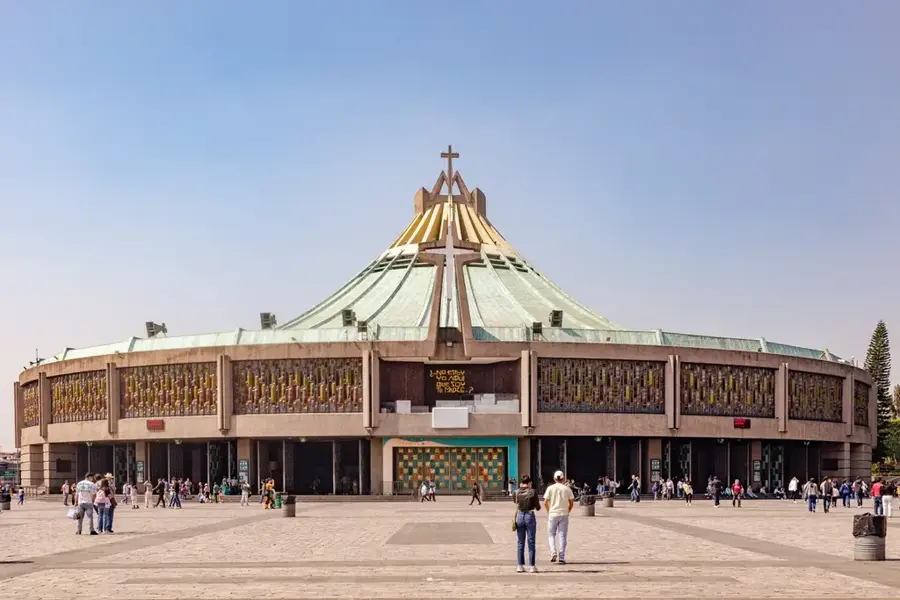
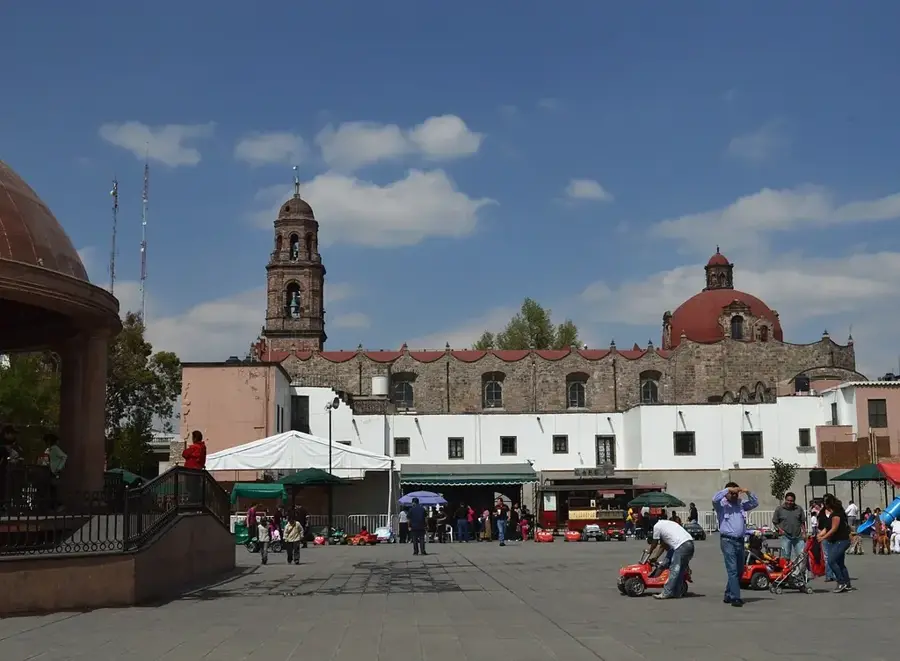
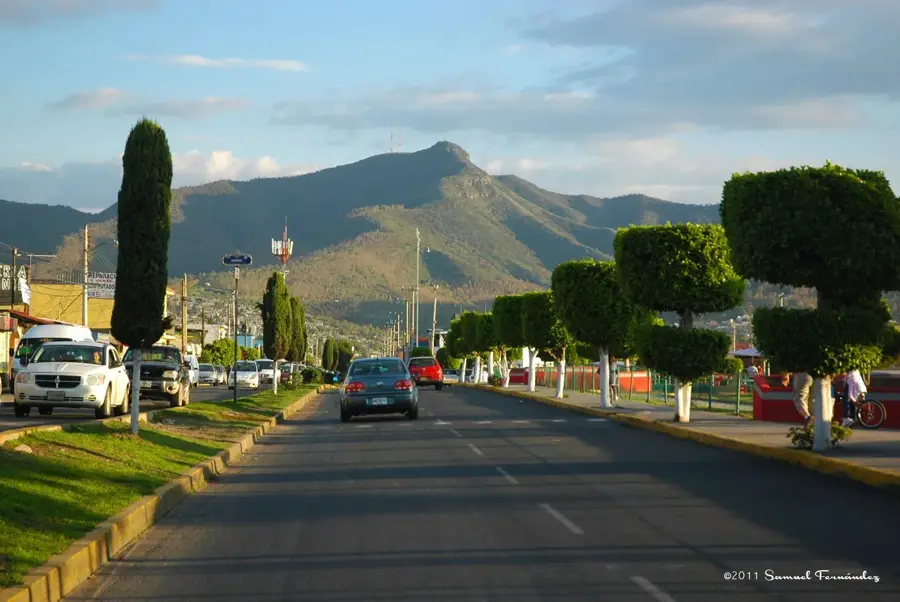
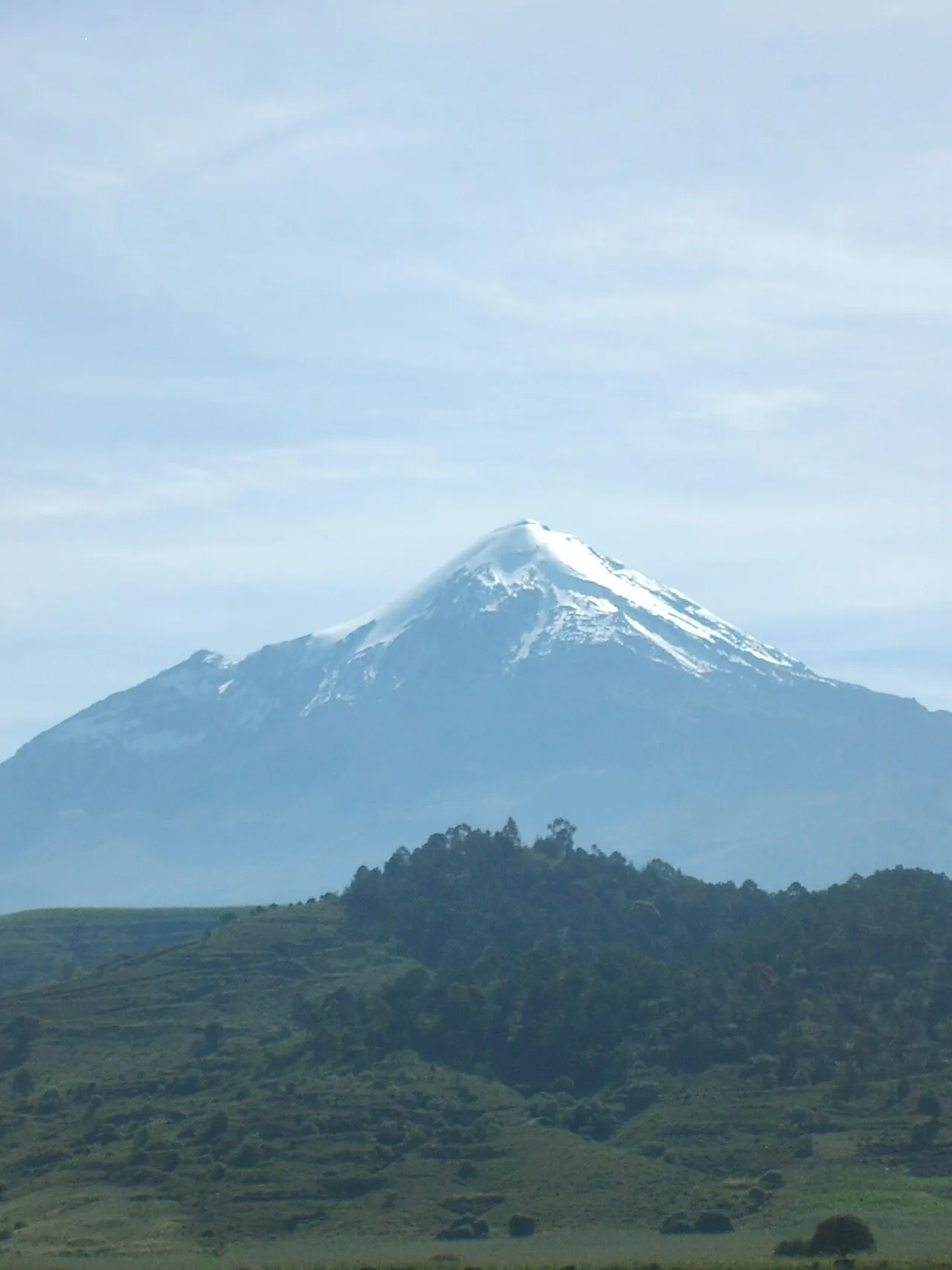
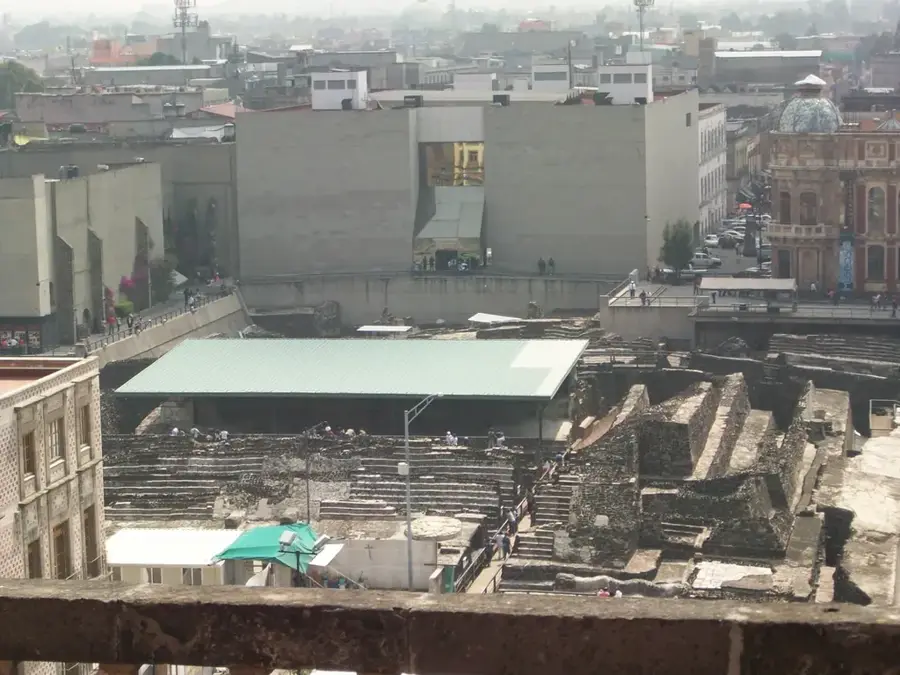
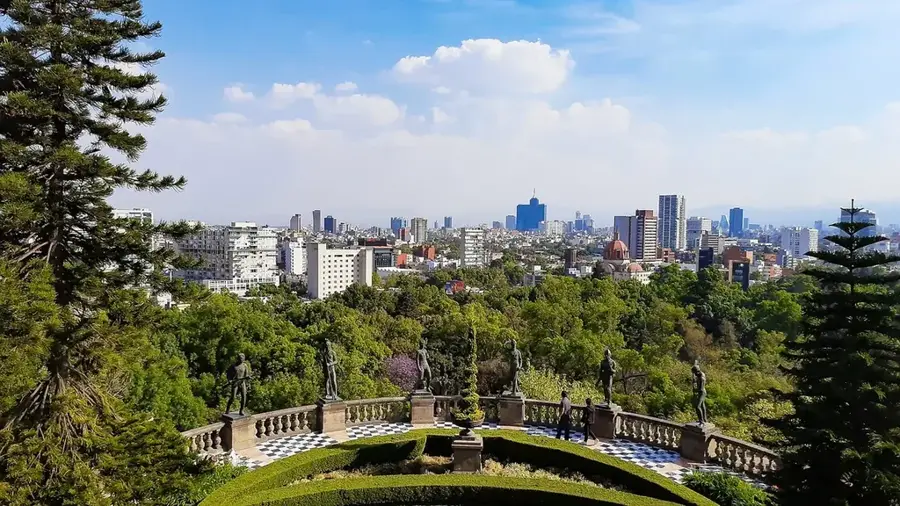
The Valley of Mexico (Valle de México) is a high plateau in the center of the country, situated at an average elevation of 2,240 meters. It is an endorheic basin that was originally covered by a large system of five interconnected lakes, including Lake Texcoco. Historically, the valley was the center of major civilizations such as Teotihuacán and the Aztecs, who built their capital Tenochtitlan on an island in the lake. Today, the valley houses the Mexico City metropolitan area, one of the world's largest urban agglomerations. The basin is almost entirely surrounded by high mountains and volcanoes, including the famous twin volcanoes Popocatépetl and Iztaccíhuatl to the east. Geologically, the valley is characterized by volcanic deposits and lake sediments, leading to soil subsidence issues as groundwater is heavily extracted. The climate is temperate but faces significant challenges from air pollution and water scarcity.

Best time to visit & climate

The most pleasant time to visit is Mar–May.

JanFebMarAprMayJunJulAugSepOctNovDec
Avg °C101214161716151514131111
Rain mm1414213161148150157171883012

📋 Practical info

🧭
Getting there
As a massive basin containing Mexico City, access is incredibly easy via the capital's extensive subway system, buses, and international airport. Most natural viewing points are reached by taking public transport or taxis to the city's outskirts, where the elevation begins to rise into the surrounding mountain ranges.
📅
Best season
Visits are possible year-round, but the period from late autumn to early spring typically provides clearer skies and more comfortable temperatures for outdoor activities. The rainy season in summer can lead to dramatic afternoon thunderstorms, which may briefly limit visibility and restrict access to some high-altitude hiking trails.
⛰️
Terrain & paths
The central basin is largely flat and heavily urbanized, while the surrounding edges feature steep volcanic slopes and rugged forested areas. This contrast provides a variety of experiences, from easy city walks to challenging mountain treks that offer panoramic views of the entire metropolitan area from high elevations.
🎒
What to bring
Due to the high elevation and potential for temperature shifts, layered clothing is essential for anyone planning to leave the city center for the higher slopes. Comfortable walking shoes are a must for urban exploration, while sturdy hiking boots with good ankle support are recommended for the volcanic terrain outside the urban core.
🅿️
Parking
Parking in Mexico City is widely available in paid lots and garages, though it can be expensive and congested during peak hours. At popular nature spots on the valley's edge, such as Ajusco or Desierto de los Leones, there are usually designated parking areas near the main entrances or visitor facilities.
⚠️
Safety
Newcomers should be aware of altitude sickness, as the valley is situated over 2,200 meters above sea level. It is important to stay hydrated and take it slow during the first few days. Additionally, standard urban safety precautions should be followed, and it is best to hike in groups when exploring more remote mountain trails.
⏱️
Time needed
While the city itself requires several days to explore, a dedicated trip to one of the natural viewpoints or regional parks usually takes 4 to 6 hours. This allows enough time for a substantial hike and a break to enjoy the panoramic vistas without feeling rushed back into the city traffic.

Geography

Coordinates
19.40000, -99.10000

Facts

  • The basin covers an area of approximately 9,600 square kilometers.
  • Popocatépetl is the highest point on the valley's rim at 5,426 meters.
  • Tenochtitlan was founded in 1325 in the middle of the lake system.
  • Groundwater extraction causes parts of Mexico City to sink up to 30 cm annually.
  • The valley is part of the Trans-Mexican Volcanic Belt geological province.
  • Over 22 million people currently reside within the valley's boundaries.

Explore nearby

Notable places around
Route planner — Car & Motorhome

Where do you start? We build the route here, with stops and country notes along the way.

Vehicle
Only stops with (optional):

© OpenStreetMap contributors · OpenRouteService

Sights in the town Valley of Mexico (9)

Casa de Cultura Iztaccíhuatl🎭 culture

Casa de Cultura Iztaccíhuatl is a cultural centre and theatre in the Valle de México region, offering artistic events.

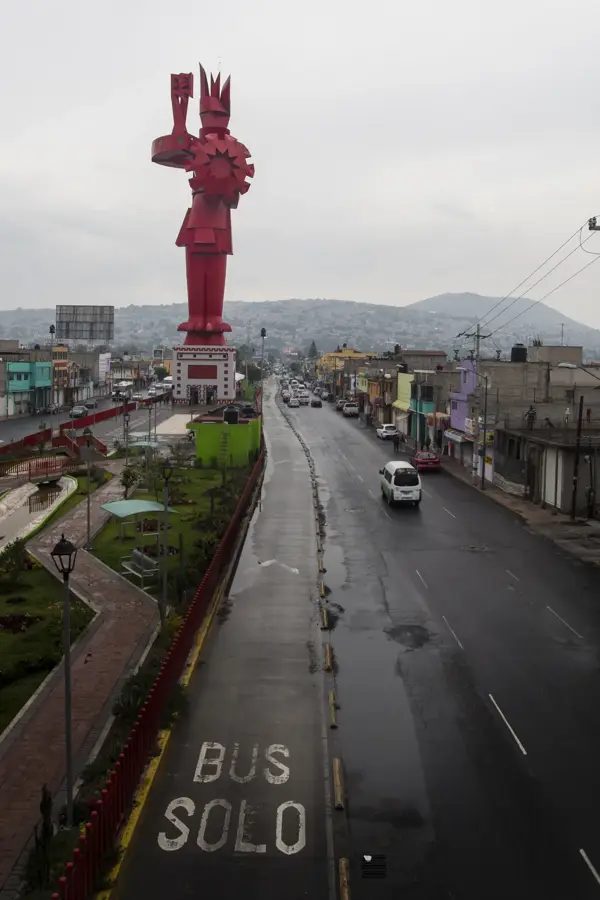
Gran Esfera📍 landmark

Gran Esfera is an attraction in the Valle de México region, known for its large spherical structure.

Centro de Convivencia Carranza📍 landmark

Centro de Convivencia Carranza is a dance and theatre venue in the Valle de México region, used for community events.

Poliforum Cultural Venustiano Carranza🎭 culture

Poliforum Cultural Venustiano Carranza is an arts centre in the Valle de México region, hosting cultural exhibitions and performances.

🕒 Mo-Sa 08:00-21:00

Historia del transporte🏛 museum

Historia del transporte is a museum in the Valle de México region dedicated to the history of transportation.

Centro Social Agua Caliente🎭 culture

Centro Social Agua Caliente is an arts centre in the Valle de México region, providing social and cultural services.

🕒 Mo-Sa 08:00-20:00

Ignacio Zaragoza🏺 historical

Ignacio Zaragoza is a monument in the Valle de México region honoring the Mexican general Ignacio Zaragoza.

Carpas para dia de campo📍 landmark

Carpas para dia de campo is a picnic site in the Valle de México region, equipped with tents for outdoor gatherings.

Metro🏛 museum

Metro is a museum in the Valle de México region, dedicated to the history of the Mexico City Metro system.

🕒 Mo-Sa 08:00-20:00

Sights nearby

Frequently asked questions

How best to get around?
The subway in the capital is the fastest way; avoid peak hours.
How many days for the valley?
Plan at least four days to also include excursions to the surroundings.
Is tap water drinkable?
No, drink only filtered water or bottled water.
Are there museums?
Yes, a huge selection, but many are closed on Mondays.
How safe is it?
Stay in tourist districts and avoid night walks.
Valley of Mexico: where is it located?
Valley of Mexico is located in Mexico.
Valley of Mexico: what is there to see?
Highlights include Casa de Cultura Iztaccíhuatl, Gran Esfera, Centro de Convivencia Carranza.
Valley of Mexico: when is the best time to visit?
The most pleasant time to visit is Mar, May.
Valley of Mexico: why is it worth visiting?

The Valley of Mexico (Valle de México) is a high plateau in the center of the country, situated at an average elevation of 2,240 meters.
View on map → The Top 50 Attractions → OpenStreetMap →
North America
Explore with Plizio Discover more places in North America
More places in Mexico →

Nearby cities

More places