Plizio Visual Lab
Issyk-Kul
Weather…
Water temperature…
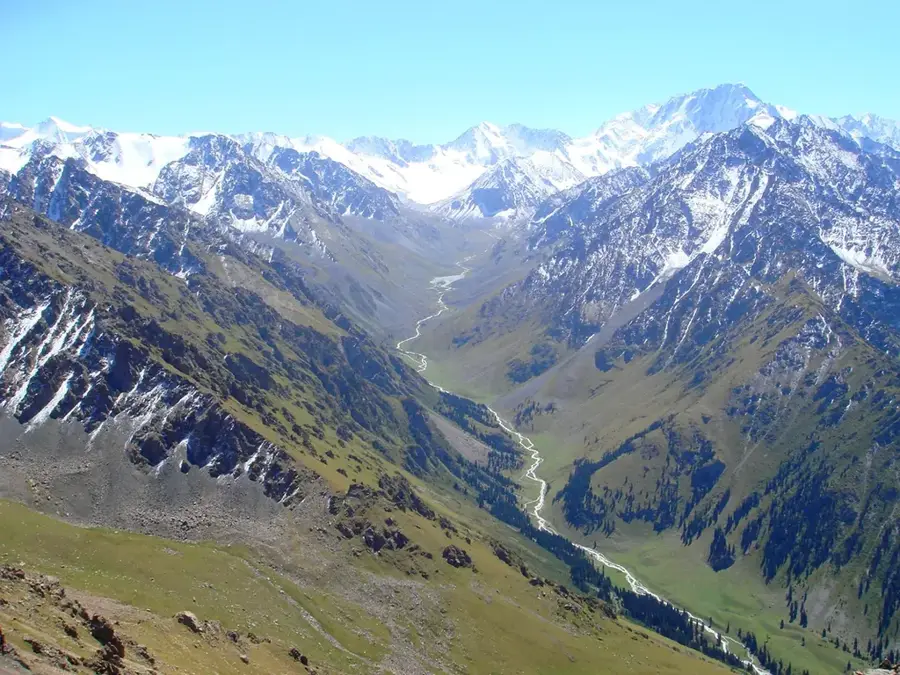
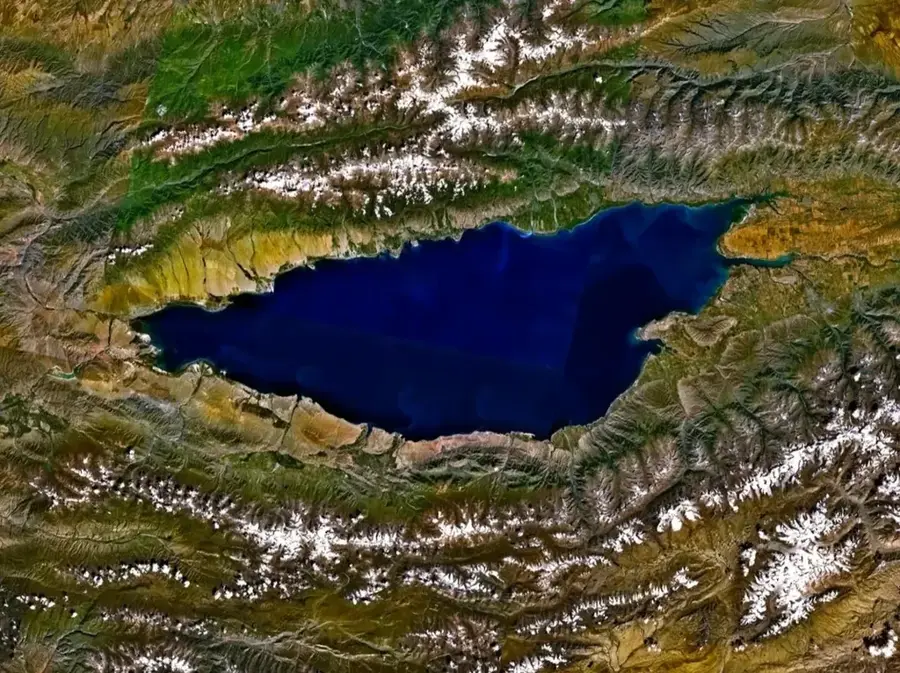
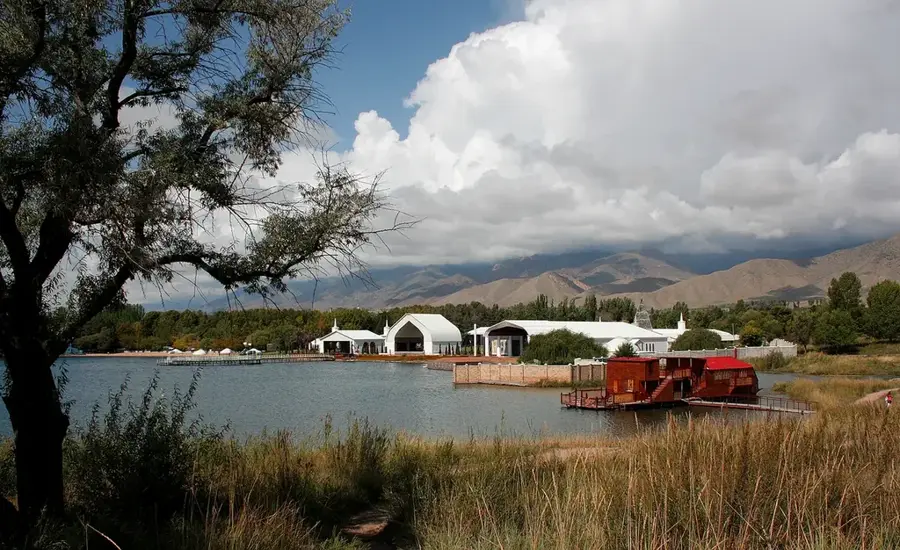
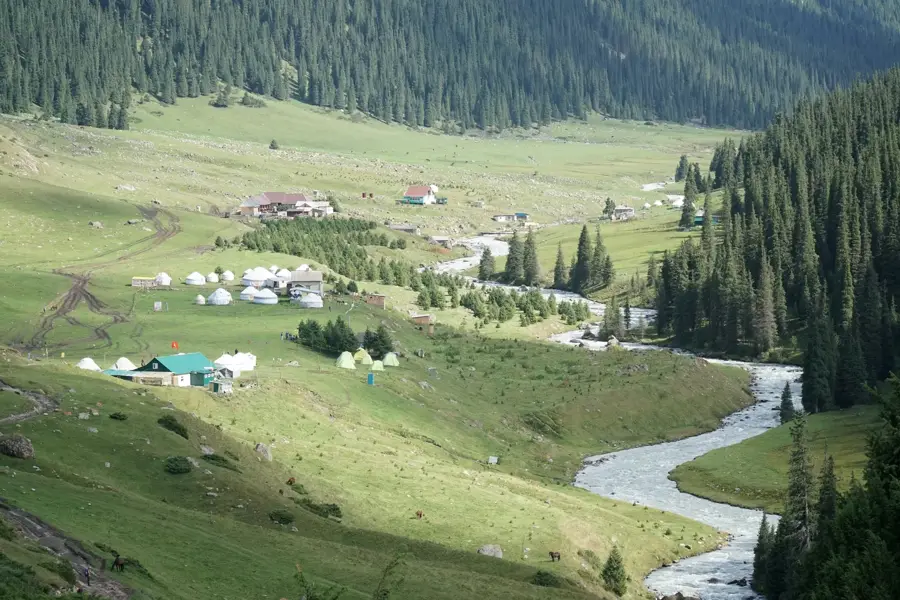
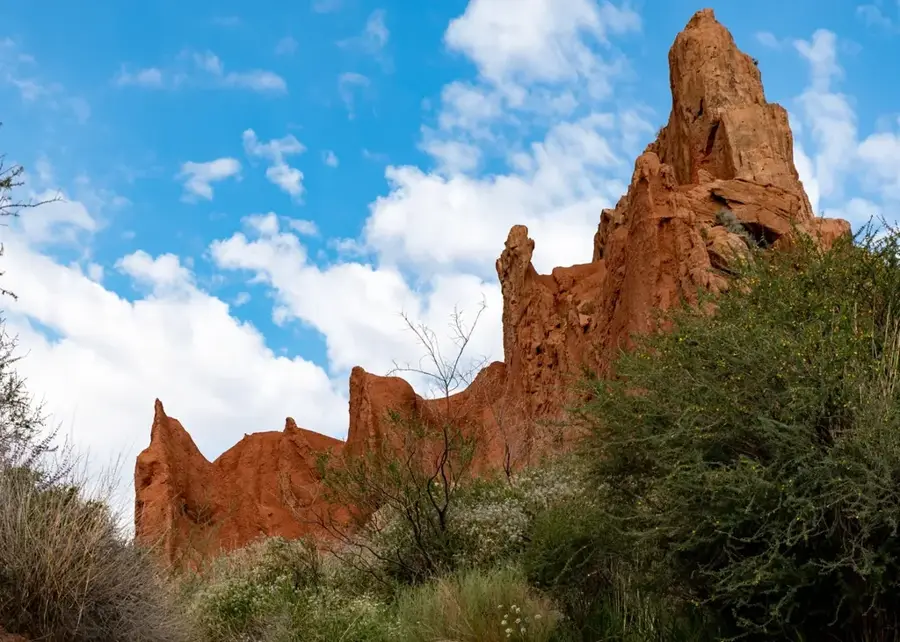
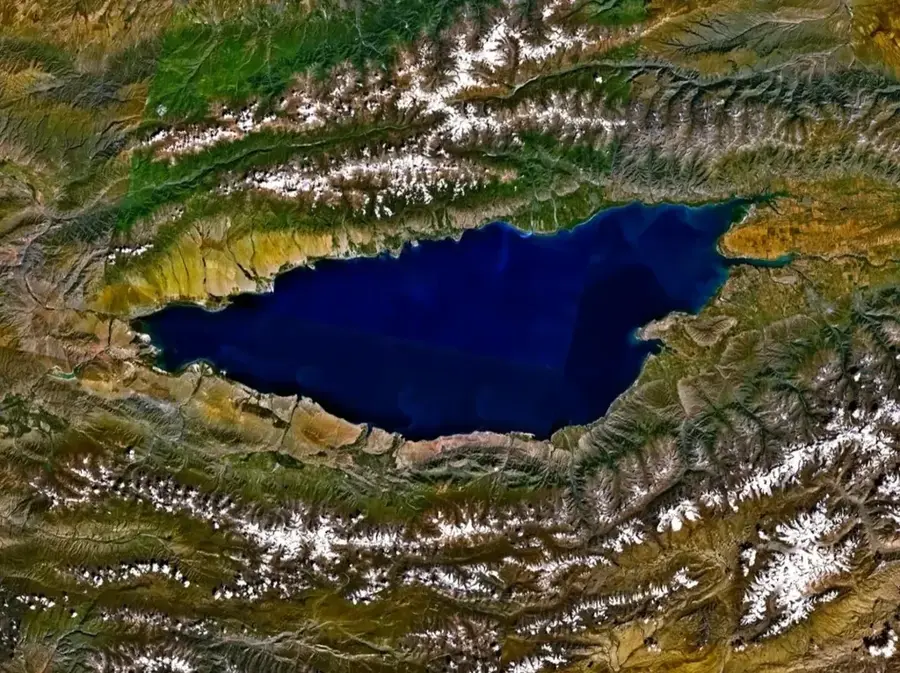
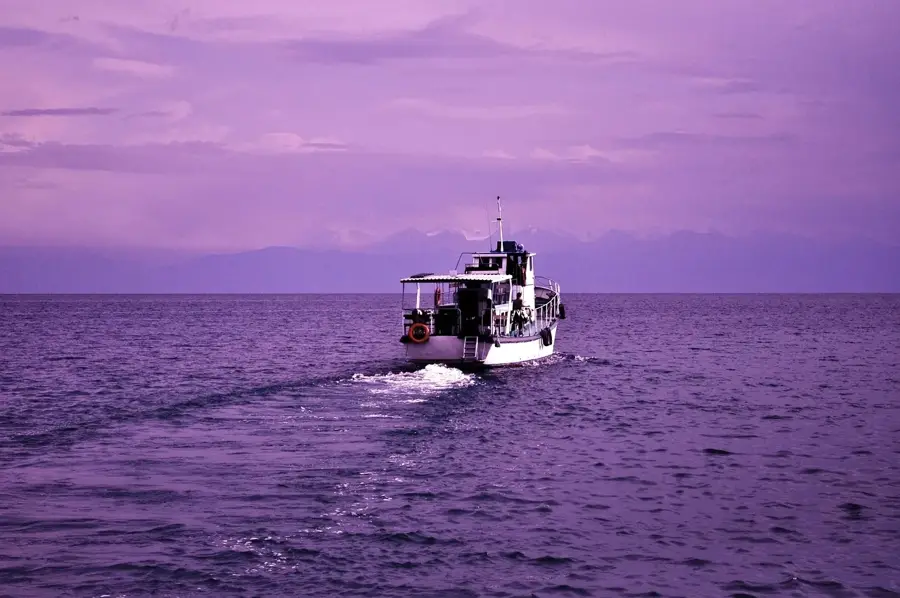
Issyk-Kul, known as the 'Pearl of the Tien Shan,' is the world's second-largest alpine lake after Lake Titicaca, situated at an elevation of 1,607 meters above sea level. Its name translates to 'Warm Lake' in the Kyrgyz language because it never freezes, even in the harshest winters, due to its mild salinity and deep-water thermal activity. Stretching 182 kilometers long and up to 60 kilometers wide, it reaches a maximum depth of 668 meters, making it one of the deepest lakes on Earth. The lake is endorheic, meaning it has no outflow, and is fed by more than 100 glacial streams originating from the surrounding Alatau mountains. The crystal-clear water and diverse shoreline, ranging from sandy beaches in the north to rugged canyons in the south, make it Kyrgyzstan's top tourist attraction. Designated as a UNESCO Biosphere Reserve, Issyk-Kul is home to unique endemic fish species and serves as a vital stopover for migratory birds. Archaeological expeditions have discovered submerged remains of ancient settlements on the lakebed, pointing to its long history as a hub on the Silk Road. Today, it remains a vital ecological and economic asset for the entire region.
Explore on the map
How well do you know Kyrgyzstan?
Find cities, landscapes and regions in 10 varied challenges on the interactive map.
Your journey, your memory
A postcard from Issyk-Kul
Turn your own photo into a personal postcard with a local stamp. Free and no sign-up required.
Create a postcard- Location: Kyrgyzstan
- Nearby: Tosor (30 km)
Best time to visit & climate
The most pleasant time to visit is Jun–Aug.
| Jan | Feb | Mar | Apr | May | Jun | Jul | Aug | Sep | Oct | Nov | Dec | |
|---|---|---|---|---|---|---|---|---|---|---|---|---|
| Avg °C | -8 | -4 | 4 | 10 | 14 | 18 | 21 | 20 | 16 | 9 | 2 | -6 |
| Rain mm | 13 | 18 | 28 | 49 | 52 | 49 | 38 | 35 | 26 | 27 | 26 | 17 |
📋 Practical info
Geography
Facts
- Issyk-Kul is the second-largest alpine lake in the world.
- The lake reaches a maximum depth of 668 meters (2,192 ft).
- It is located at an altitude of 1,607 meters above sea level.
- The lake contains about 1,738 cubic kilometers of water.
- There are no outgoing rivers from the lake (endorheic basin).
- It is home to more than 20 species of fish, some endemic.
Explore nearby
Notable places around
Route planner — Car & Motorhome
Where do you start? We build the route here, with stops and country notes along the way.
© OpenStreetMap contributors · OpenRouteService
Sights nearby
Frequently asked questions
Can you swim in Lake Issyk-Kul?
Why does the lake never freeze in winter?
Which shore is more developed for tourism?
How do I get from Bishkek to the lake?
Are there any historical sites?
Issyk-Kul: where is it located?
Issyk-Kul: when is the best time to visit?
Issyk-Kul: why is it worth visiting?

Nearby cities
History & landmarks


Nature
More places