Plizio Visual Lab

Laikipia Plateau

Plizio editorial teamData Sources
Forest
—°3
Laikipia Plateau (Kenya)

Weather…

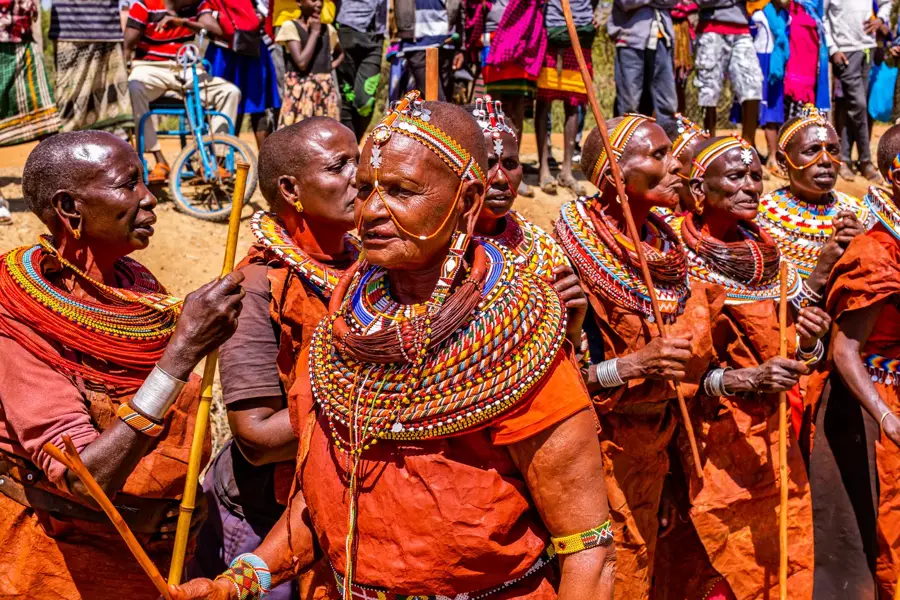
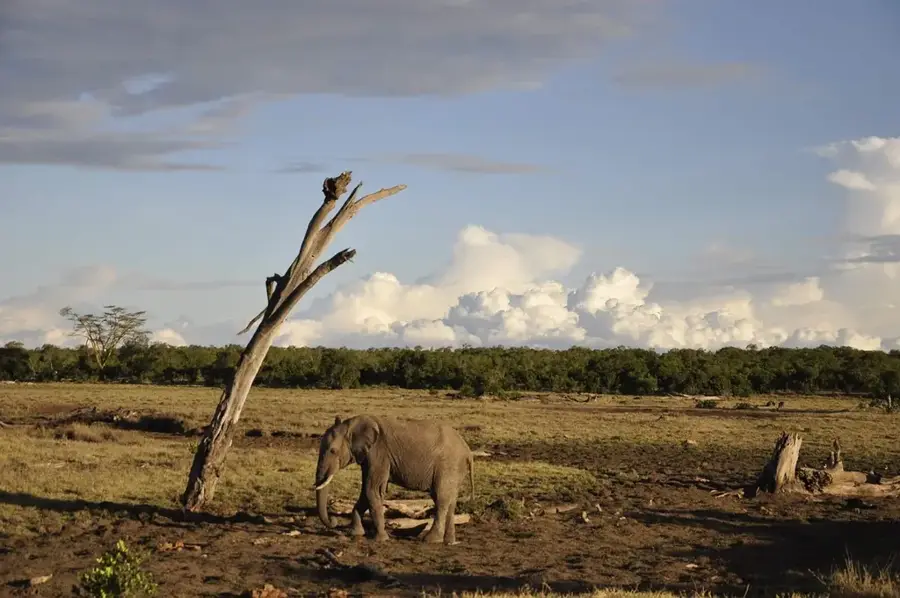
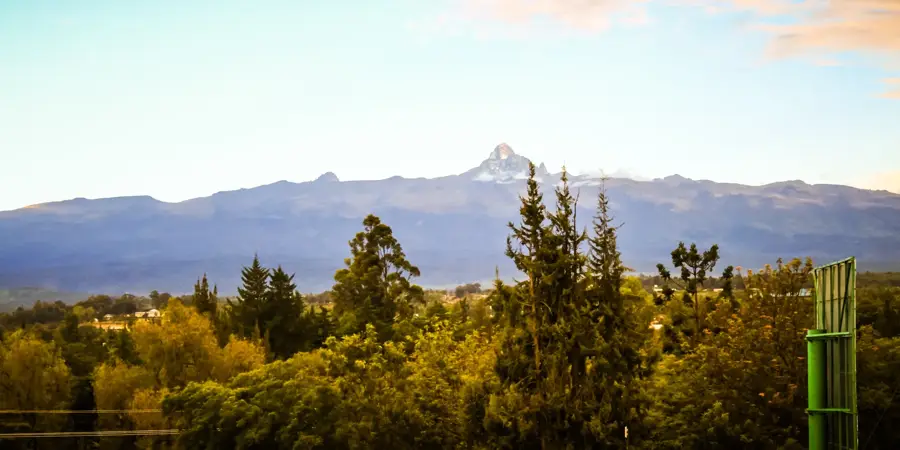
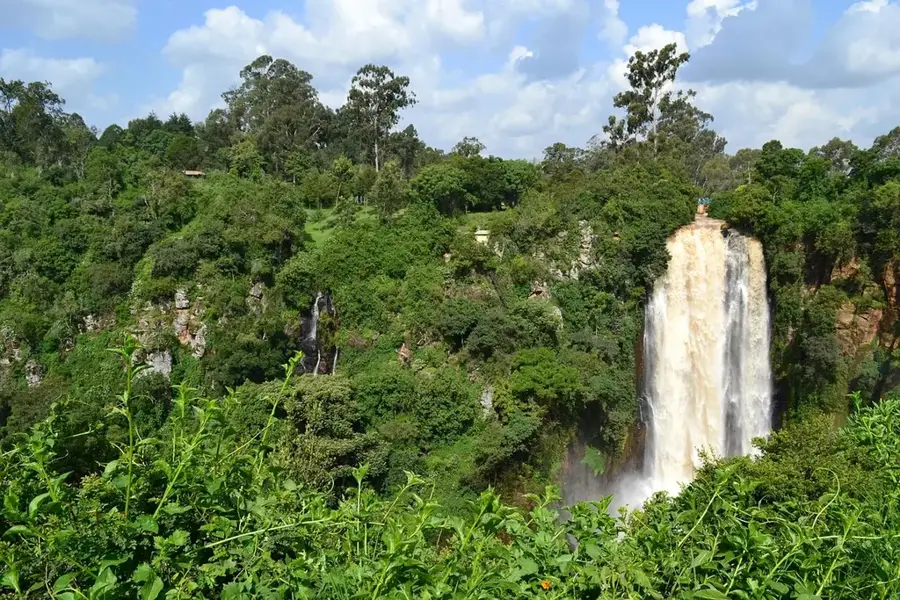
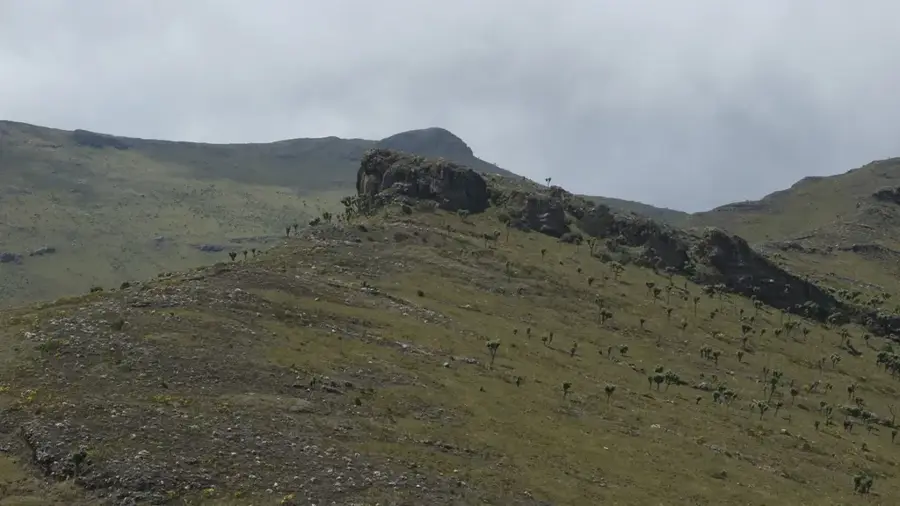
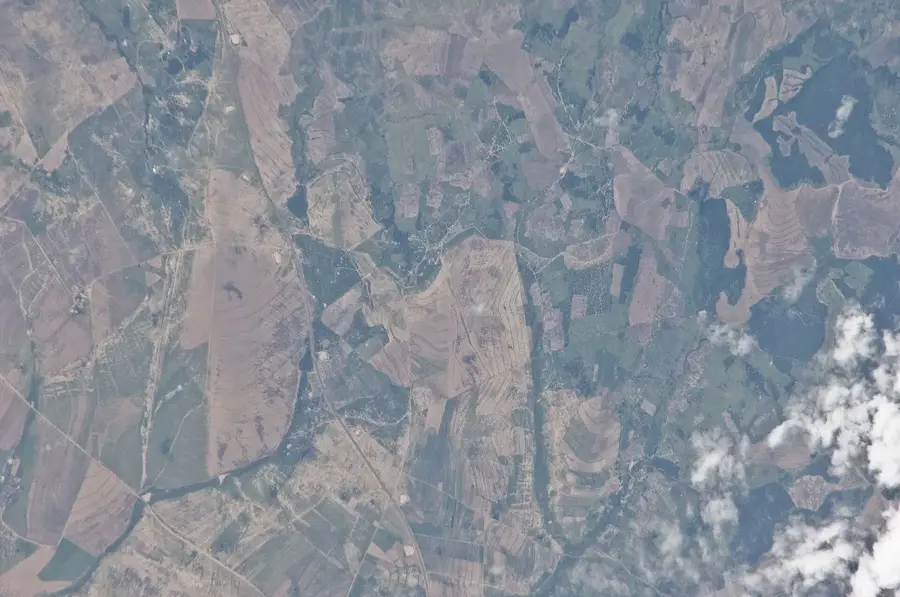
The Laikipia Plateau is an expansive upland area in central Kenya, stretching northwest of Mount Kenya and covering approximately 9,500 square kilometers. Sitting at an average elevation of 1,700 to 2,100 meters, the landscape is a mosaic of open grasslands, acacia woodlands, and riverine habitats along the Ewaso Ng'iro River. Laikipia is distinguished by its unique conservation model, where private ranches and community-owned lands integrate wildlife protection with sustainable livestock ranching. This region supports some of the most critical populations of endangered species in Africa, including half of the world's remaining Grevy's zebras and a significant population of African wild dogs. Geologically, the plateau is part of the volcanic uplift associated with the East African Rift. Historically used by the Maasai and Samburu pastoralists, the area saw large-scale farming during the colonial era. Today, Laikipia stands as a global leader in ecotourism and biodiversity research, emphasizing the co-existence of humans and wildlife.

Best time to visit & climate

The most pleasant time to visit is Jan–Mar.

JanFebMarAprMayJunJulAugSepOctNovDec
Avg °C192121212020191920212019
Rain mm2718481247556737748618261

📋 Practical info

🧭
Getting there
The vast, sprawling Laikipia Plateau is very easily accessible via reasonably well-maintained and fairly smooth roads starting directly from either Nairobi or Nanyuki. A great many of the highly exclusive private conservancies within the entire region strictly require verified prior registration before you can ever pass their securely guarded entrance gates.
📅
Best season
Exceptional, world-class wildlife viewing is by far the most incredibly rewarding during the very pronounced dry periods stretching from June to September and again from January to March. During the rather short, intense rainy seasons occurring in April and November, many crucial dirt tracks on the high plateau can become utterly and completely impassable very quickly.
⛰️
Terrain & paths
The massive, towering high plateau has an absolutely impressive, truly remarkable mix of wide open golden savannas, rugged rocky hills, and beautifully lightly forested, serene woodland areas. The highly uneven, intensely rough terrain makes a wonderfully sturdy, excellently maintained four-wheel-drive vehicle absolutely and strictly mandatory for most self-driven safari routes.
🎒
What to bring
Since the local temperatures can drop quite dramatically and surprisingly sharply immediately after sunset, very warm, highly insulating clothing for the extremely early morning and very late evening game drives is absolutely essential. A truly excellent pair of binoculars, top-tier professional camera equipment, and totally reliable, maximum sun protection for the intense daytime heat are also completely and undeniably mandatory.
🅿️
Parking
Genuinely secure parking spots are found almost entirely and exclusively at the officially designated luxury lodges, the highly exclusive tented camps, or the strictly monitored official main gates of the respective private conservancies. Parking absolutely anywhere else, completely out in the wide open, untamed wilderness, far outside these few specially secured zones, is strictly and totally prohibited without a single exception.
⚠️
Safety
Stepping out of your totally secure, enclosed vehicle in vast areas heavily populated by many large, dangerous predators is extremely life-threatening and therefore strictly allowed only in specially and very clearly marked spots or in the direct company of fully armed, highly trained rangers. The incredibly clear, incredibly strict instructions of the deeply experienced local expert guides must be obeyed at all times with the utmost strictness and absolutely zero argument.
⏱️
Time needed
A much longer, extended stay of at least two to three full, packed days is generally very highly recommended to truly and properly appreciate the immense, totally unbelievable vastness of the entire region and its incredibly rich, overwhelmingly diverse wildlife. For considerably more intensive, significantly deeper, and much more comprehensive safari experiences, truly dedicated and passionate visitors very often enthusiastically choose to stay for up to a full, completely unforgettable week.

Geography

Coordinates
0.25000, 37.00000

Facts

  • Covers approximately 9,500 sq km in central Kenya
  • Elevation ranges from 1,700 m to 2,100 m
  • Home to about 50% of the world's Grevy's zebras
  • Ewaso Ng'iro is the primary river of the region
  • Critical refuge for the endangered African wild dog
  • Comprised of over 40 private and community ranches

Explore nearby

Notable places around
Route planner — Car & Motorhome

Where do you start? We build the route here, with stops and country notes along the way.

Vehicle
Only stops with (optional):

© OpenStreetMap contributors · OpenRouteService

Sights in the town Laikipia Plateau (3)

Ol Jogi Conservancy🌿 nature

The Ol Jogi Conservancy is a vast wildlife protection area situated on the grassy plains of the Laikipia Plateau.

El Karama Ranch🌿 nature

El Karama Ranch acts as both a working cattle farm and a wildlife sanctuary within a dry savanna ecosystem.

Naserian Wildlife Conservancy🌿 nature

Naserian Wildlife Conservancy focuses on preserving the natural habitat and migratory routes of large savanna mammals.

Sights nearby

Frequently asked questions

What is the Laikipia Plateau?
An important wildlife conservation area in Kenya.
Are there luxury safaris there?
Yes, Laikipia is known for top-notch lodges.
Can you see rhinos there?
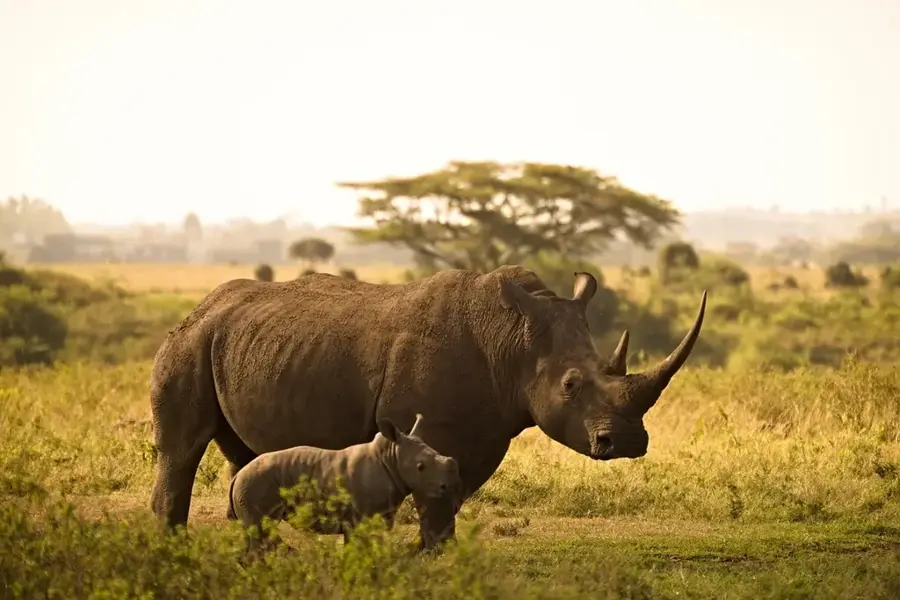
Yes, there are large populations of black rhinos.
How do you get there?
Fastest by light aircraft from Nairobi.
Is it family-friendly?
Yes, many lodges offer special activities.
Laikipia Plateau: where is it located?
Laikipia Plateau is located in Kenya.
Laikipia Plateau: what is there to see?
Highlights include Ol Jogi Conservancy, El Karama Ranch, Naserian Wildlife Conservancy.
Laikipia Plateau: when is the best time to visit?
The most pleasant time to visit is Jan, Mar.
Laikipia Plateau: why is it worth visiting?
The Laikipia Plateau is an expansive upland area in central Kenya, stretching northwest of Mount Kenya and covering approximately 9,500 square kilometers.
View on map → The Top 50 Attractions → OpenStreetMap →
Africa
Explore with Plizio Discover more places in Africa
More places in Kenya →

Nearby cities

History & landmarks

Nature
More places