Plizio Visual Lab
Ferkessédougou

ℹ️Practical info — Ferkessédougou
▾
🌤 Weather — 5 days
📍 Nearby
Sights nearby
💡 Tips
- The central market is bustling but crowded; keep your belongings secure and navigate the narrow aisles patiently.
- Motorbike taxis (zémidjans) are everywhere; agree on a price before hopping on to avoid overcharging.
- The city is a major transit hub; if catching a bus north or south, book your ticket a day in advance.
- Temperatures peak at midday; adopt the local rhythm and rest in the shade during the early afternoon.
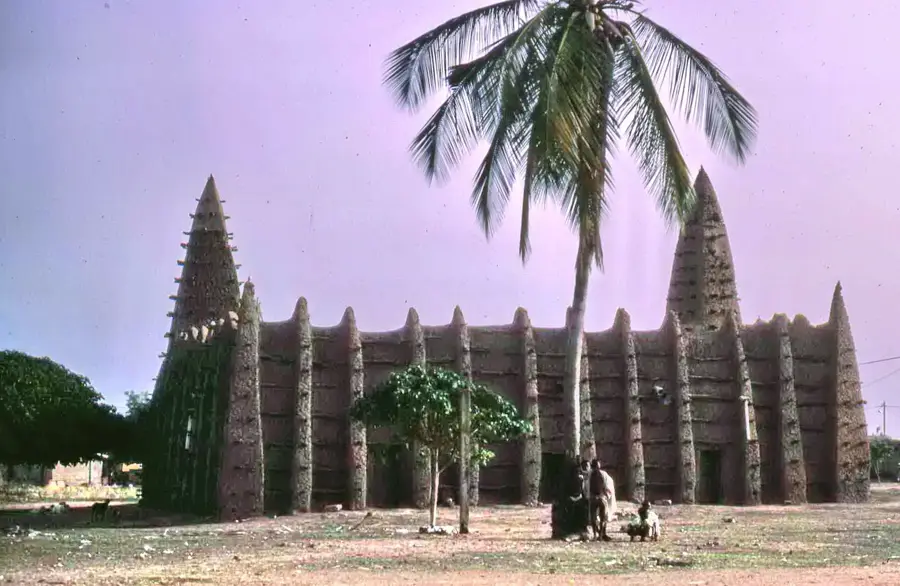
- Always ask for permission before taking photographs in the markets or of the traditional northern architecture.
🍽 Food
A millet or sorghum staple served with peanut or okra sauce; find it at local maquis (open-air restaurants).
A popular dish of attiéké (cassava couscous) and fried tuna, usually eaten at small street stands.
Spicy, wood-fired lamb or beef; head to the lively roadside grills as the sun goes down.
🛍 Shopping · 🧘 Quiet spots
Buy raw, pure shea butter (beurre de karité) from the women at the grand market.
Look for locally woven cotton fabrics featuring traditional Senoufo patterns.
Often the quietest, shadiest spots in town, offering a peaceful courtyard to relax away from the traffic.
Walk just outside the dense center to see the vast agricultural lands during the quiet hours of dusk.
Water temperature…
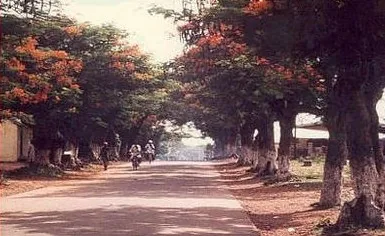
Ferkessédougou is a major city in northern Ivory Coast and serves as the capital of the Tchologo Region. The city is situated at a strategic crossroads where trade routes to Mali and Burkina Faso meet. Its historical growth was primarily driven by the construction of the Abidjan-Niger railway at the beginning of the 20th century, which enabled the export of agricultural goods. The climate is characterized by savanna conditions, favoring livestock farming and the large-scale cultivation of sugar cane. Significant sugar refineries are located in the vicinity, forming the economic backbone for the local population. Beyond its economic importance, the city is a cultural center for the Senoufo ethnic group. The population has grown steadily over recent decades and now exceeds 160,000 inhabitants. The city serves as an essential logistics hub for cross-border freight transport within West Africa.
Explore on the map
How well do you know Côte d’Ivoire?
Find cities, landscapes and regions in 10 varied challenges on the interactive map.
Your journey, your memory
A postcard from Ferkessédougou
Turn your own photo into a personal postcard with a local stamp. Free and no sign-up required.
Create a postcard- Location: Côte d’Ivoire
- Nearby: Korhogo (49 km)
- Population: ~72.476 (2023)
Best time to visit & climate
The most pleasant time to visit is Jan, Nov, Dec.
| Jan | Feb | Mar | Apr | May | Jun | Jul | Aug | Sep | Oct | Nov | Dec | |
|---|---|---|---|---|---|---|---|---|---|---|---|---|
| Avg °C | 26 | 29 | 30 | 30 | 29 | 27 | 26 | 25 | 26 | 27 | 27 | 26 |
| Rain mm | 3 | 16 | 43 | 77 | 99 | 119 | 156 | 186 | 169 | 100 | 20 | 2 |
Geography
Facts
- Capital of the Tchologo Region in the northern part of the country
- Major stop on the Abidjan-Niger railway line
- Center of the Ivorian sugar industry with vast plantations
- Strategic trade hub near the border with Burkina Faso
- Significant cultural center for the Senoufo ethnic group
- Hosts one of the region's largest markets for livestock cattle
Explore nearby
Notable places around
Route planner — Car & Motorhome
Where do you start? We build the route here, with stops and country notes along the way.
© OpenStreetMap contributors · OpenRouteService
Frequently asked questions
Where is Ferkessédougou located?
Is it hot there?
What is traded there?
Is there a train station?
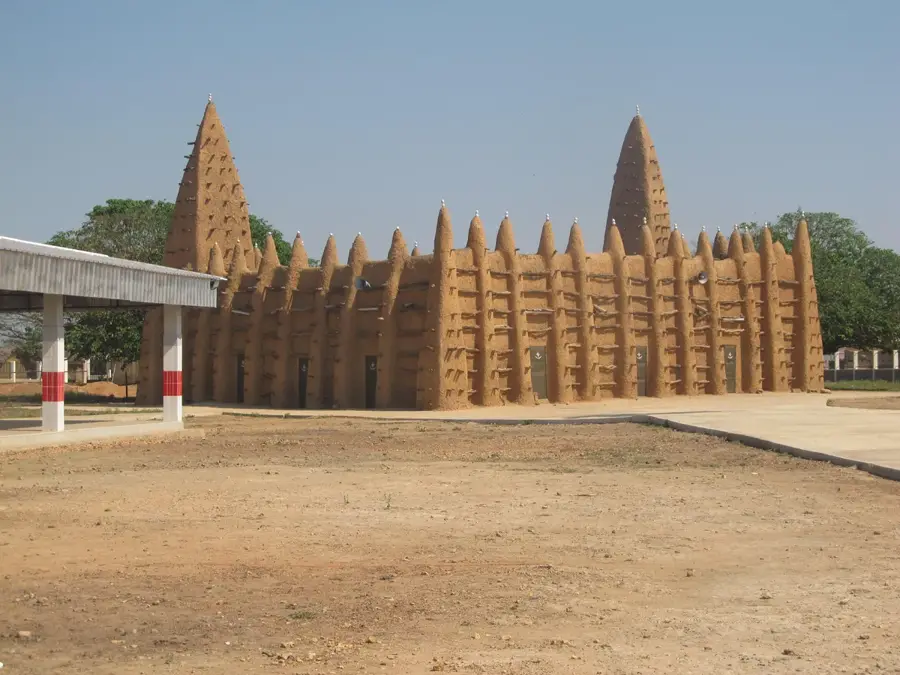
What is the architecture like?
Ferkessédougou: where is it located?
Ferkessédougou: when is the best time to visit?
Ferkessédougou: why is it worth visiting?
Nearby cities

History & landmarks
More places