Plizio Visual Lab
Hortobágy
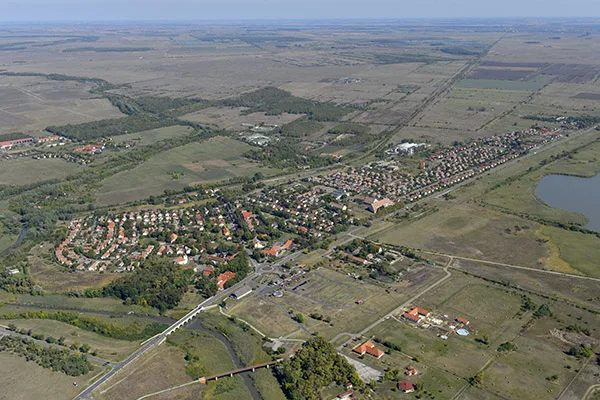
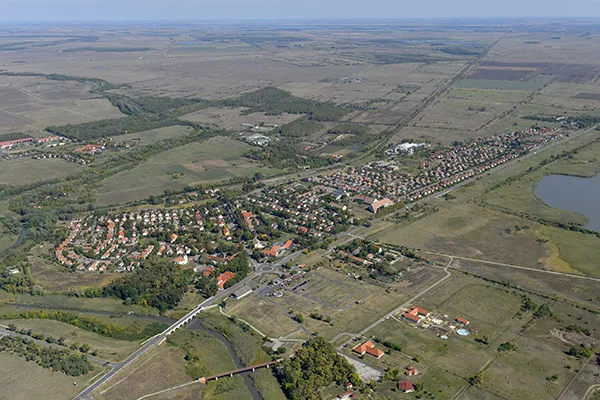
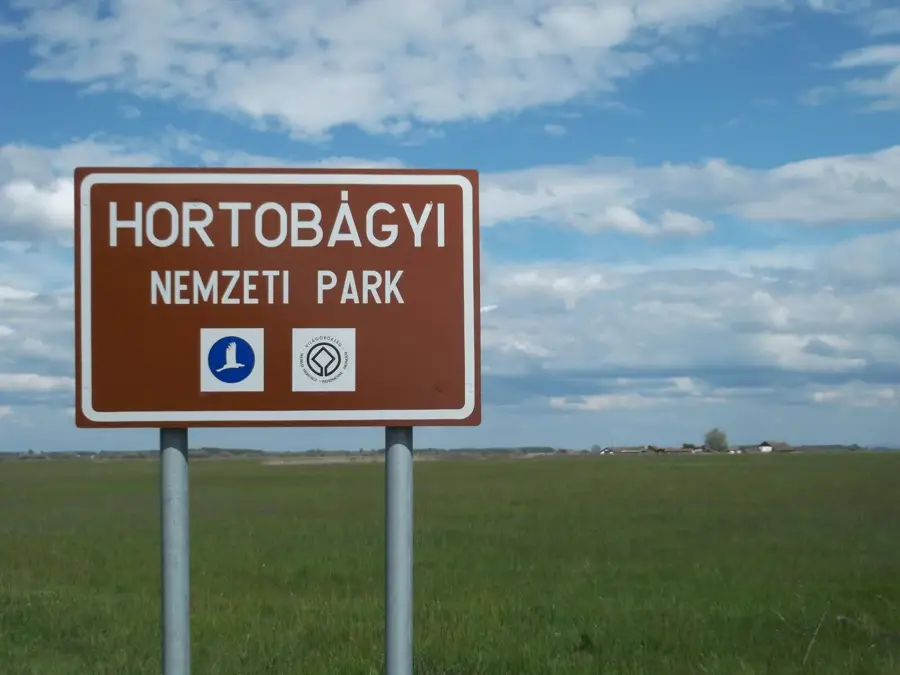
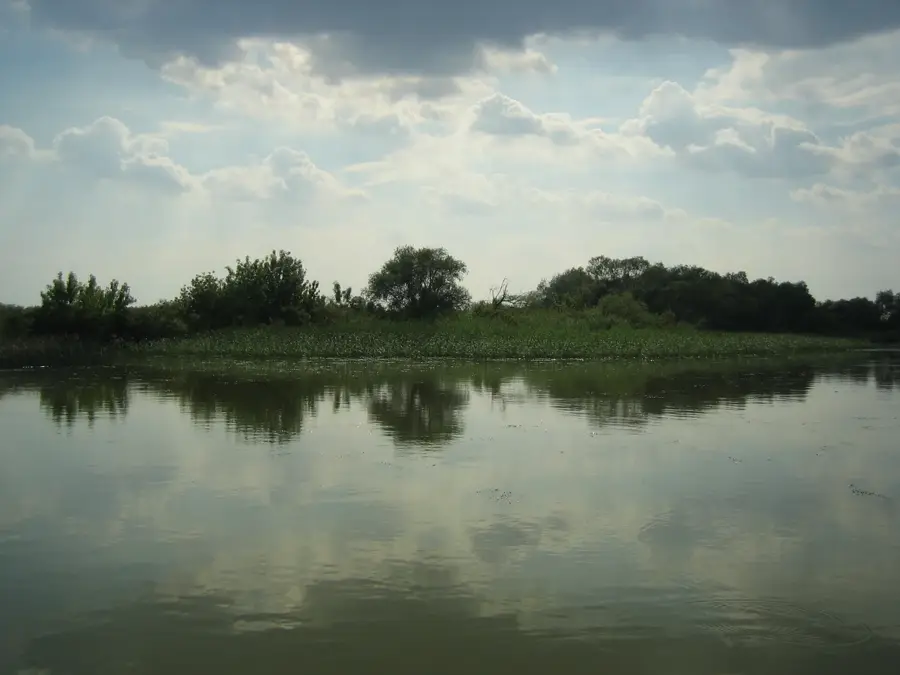
Hortobágy National Park is the largest continuous natural grassland in Europe and has been a UNESCO World Heritage site since 1999. It preserves the unique pastoral traditions of the Puszta, where grey cattle, racka sheep, and horses have been raised for centuries. The landscape is characterized by its flatness, alkali lakes, and the iconic Nine-Hole Bridge, completed in 1833. Hortobágy is also an internationally recognized Dark Sky Park, offering exceptional conditions for astronomical observations. The area is a vital habitat for migratory birds, including tens of thousands of cranes that rest here every autumn. Traditional structures like the 'csárda' (inns) and draw wells define the cultural landscape of the region. The park stands as a prominent example of the harmonious coexistence of nature and human activity. Hortobágy National Park continued its conservation work and UNESCO-listed pastoral heritage programmes in 2024-2025, while drier summers made water replenishment of the alkaline puszta an increasingly pressing issue.
Explore on the map
How well do you know Hungary?
Find cities, landscapes and regions in 10 varied challenges on the interactive map.
Your journey, your memory
A postcard from Hortobágy
Turn your own photo into a personal postcard with a local stamp. Free and no sign-up required.
Create a postcard- Location: Hajdú-Bihar, Hungary
- Highlights: Nagy Bivalyhalom régészeti terület · Lovashintói kiállítás · Csárda Múzeum
- Nearby: Hajdúszoboszló (24 km)
Best time to visit & climate
The most pleasant time to visit is Jun, Aug, Sep.
| Jan | Feb | Mar | Apr | May | Jun | Jul | Aug | Sep | Oct | Nov | Dec | |
|---|---|---|---|---|---|---|---|---|---|---|---|---|
| Avg °C | -2 | 1 | 6 | 12 | 17 | 21 | 24 | 23 | 18 | 12 | 6 | 0 |
| Rain mm | 35 | 38 | 39 | 40 | 63 | 75 | 75 | 53 | 52 | 47 | 44 | 44 |
📋 Practical info
Geography
Facts
- Hortobágy was the first national park in Hungary, established in 1973.
- The Nine-Hole Bridge is the longest stone bridge in Hungary at 167 meters.
- Up to 100,000 cranes rest in the park every autumn.
- Hungarian grey cattle can have a horn span of nearly one meter.
- 342 different bird species have been observed in the region.
- Fata Morgana (mirage) is a common optical phenomenon on the plains of Hortobágy.
Explore nearby
Notable places around
Route planner — Car & Motorhome
Where do you start? We build the route here, with stops and country notes along the way.
© OpenStreetMap contributors · OpenRouteService
Sights in the town Hortobágy (4)
Sights nearby
Frequently asked questions
What is the Nine-holed Bridge?
Which animals can be seen on the Puszta?
What is the Hortobágy National Park?
Where can I eat traditional food?
When does the crane migration take place?
Hortobágy: where is it located?
Hortobágy: what is there to see?
Hortobágy: when is the best time to visit?
Hortobágy: why is it worth visiting?
Nearby cities


History & landmarks
Nature
More places