Hajós hosts this year's Borum wine meeting
Hajós and Császártöltés are hosting this year's Borum, a prestigious meeting for Reformed winemakers and viticulturists. The event aims at community building and preserving local winemaking traditions.
Plizio Visual Lab
The signature red wine of the region, try it in the small family cellars.
Hearty traditional meals reflecting the local German ethnic heritage.
Traditional stew often cooked in a cauldron over open fire during festivals.
Purchase directly from the small family wineries in the Cellar Village.
As Hajós is near the Kalocsa region, the paprika powder here is of excellent quality.
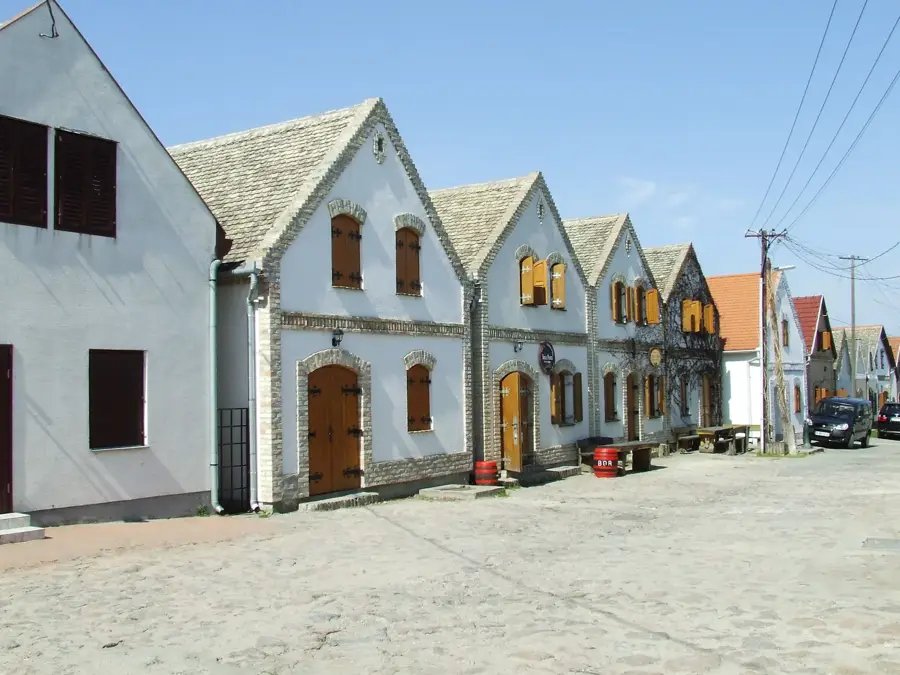
A walk among the 1,200 press houses is very peaceful outside of festival times.
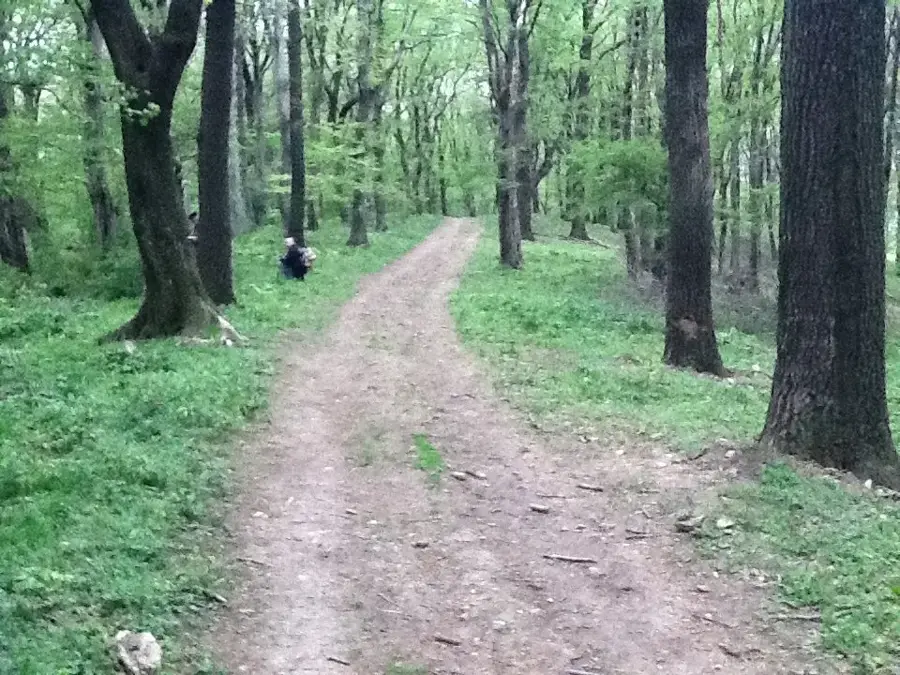
The park of the Archbishop's Palace is a shaded and calm retreat.
Water temperature…
Hajós and Császártöltés are hosting this year's Borum, a prestigious meeting for Reformed winemakers and viticulturists. The event aims at community building and preserving local winemaking traditions.
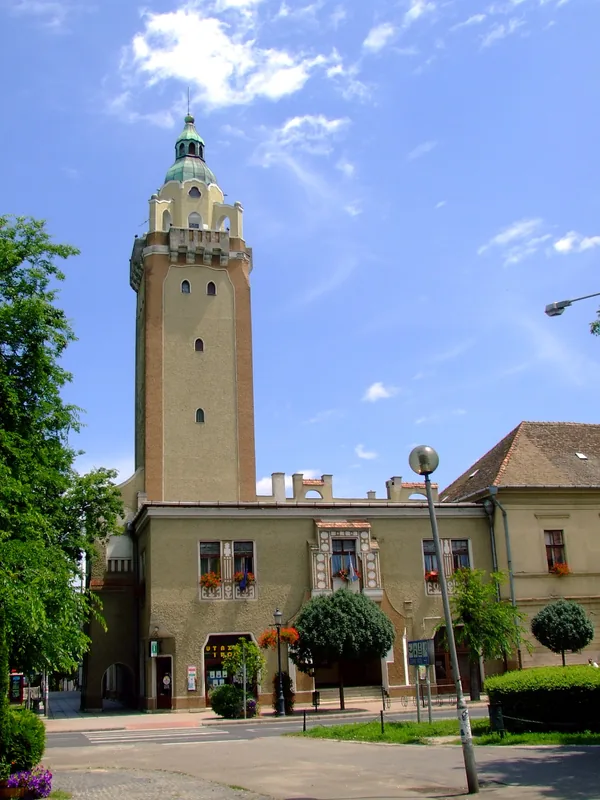
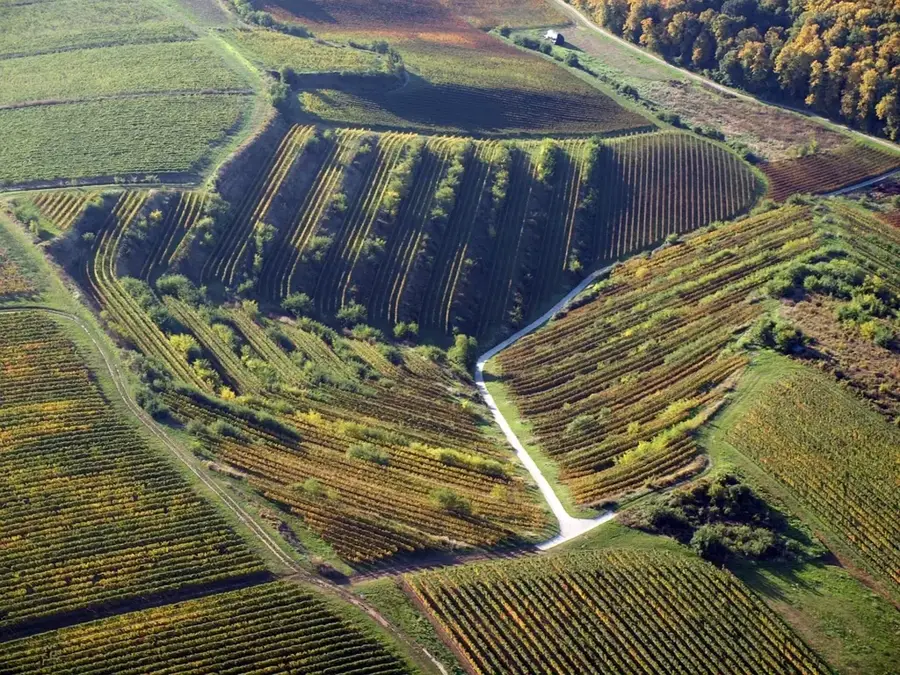
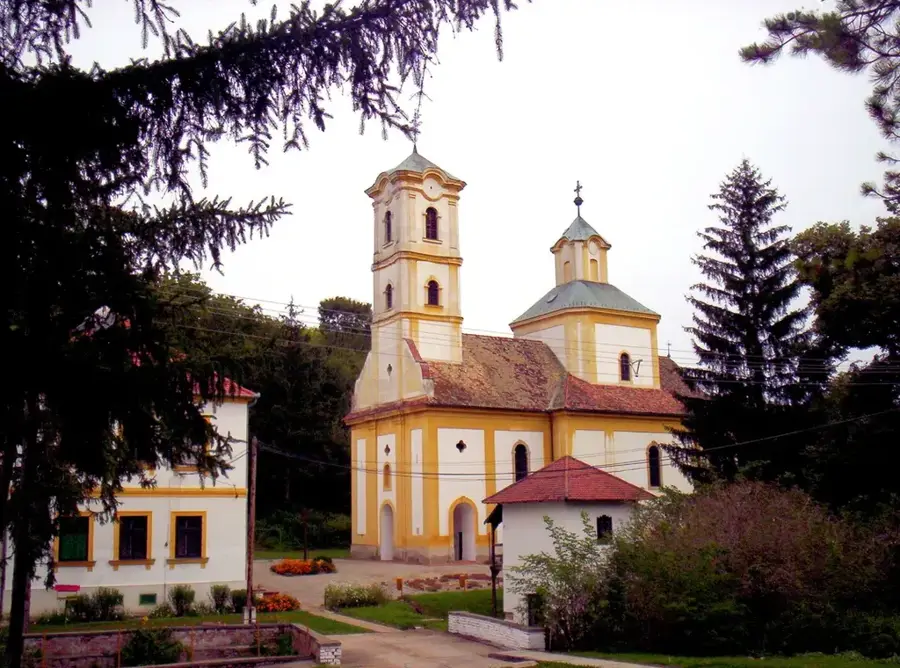
Hajós is a small town in Bács-Kiskun County, primarily famous for its unique cellar village, the largest of its kind in Europe. The town's modern history began in the early 18th century with the arrival of Danube Swabian settlers, invited by Archbishop Imre Csáky after the region was depopulated during the Ottoman era. The town center features the Baroque Archbishop's Palace, completed in 1739, which stands as one of the oldest aristocratic residences in the Great Hungarian Plain and now functions as a museum. However, the town's most iconic landmark is the Cellar Village (Pincefalu), located about two kilometers away. It consists of more than 1,200 individual wine cellars carved into the loess hills, arranged in a grid-like street system. This architectural ensemble reflects centuries of winemaking tradition brought by the Swabian settlers. The local viticulture is celebrated annually during the St. Urban's Day Wine Festival, honoring the patron saint of winemakers and showcasing high-quality red wines like Kadarka.
Explore on the map
Find cities, landscapes and regions in 10 varied challenges on the interactive map.
Your journey, your memory
Turn your own photo into a personal postcard with a local stamp. Free and no sign-up required.
Create a postcardThe most pleasant time to visit is Jun–Aug.
| Jan | Feb | Mar | Apr | May | Jun | Jul | Aug | Sep | Oct | Nov | Dec | |
|---|---|---|---|---|---|---|---|---|---|---|---|---|
| Avg °C | -1 | 1 | 6 | 12 | 17 | 21 | 24 | 23 | 18 | 12 | 6 | 0 |
| Rain mm | 38 | 44 | 40 | 37 | 68 | 71 | 61 | 59 | 62 | 54 | 44 | 44 |
Notable places around
Where do you start? We build the route here, with stops and country notes along the way.
© OpenStreetMap contributors · OpenRouteService
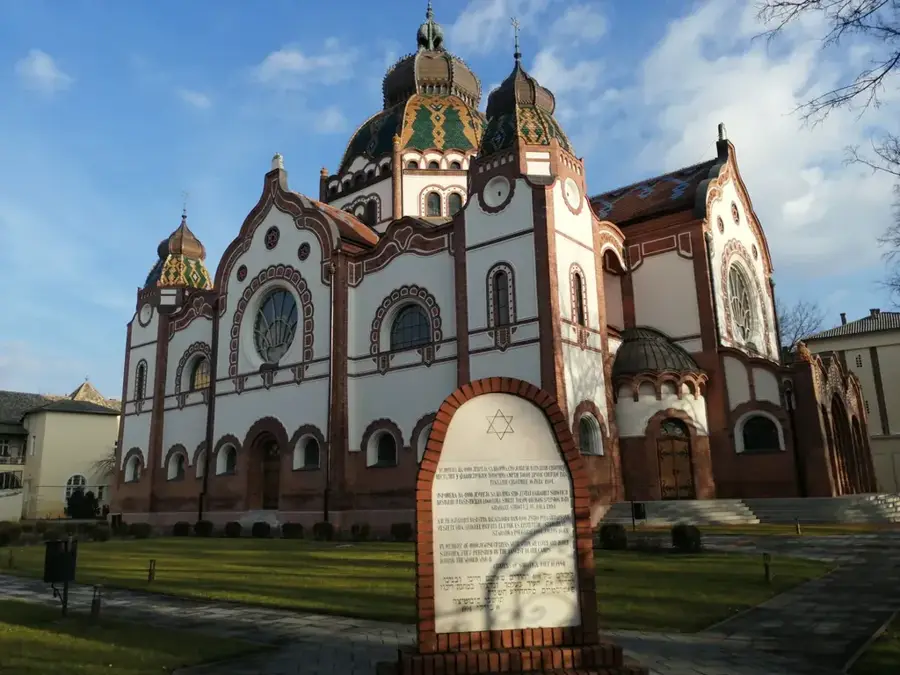
A monumental Baroque cathedral that serves as the religious center of Kalocsa, featuring a rich interior and an archiepiscopal treasury.
This museum showcases the history and processing of the world-famous Kalocsa paprika, Hungary's iconic red spice.
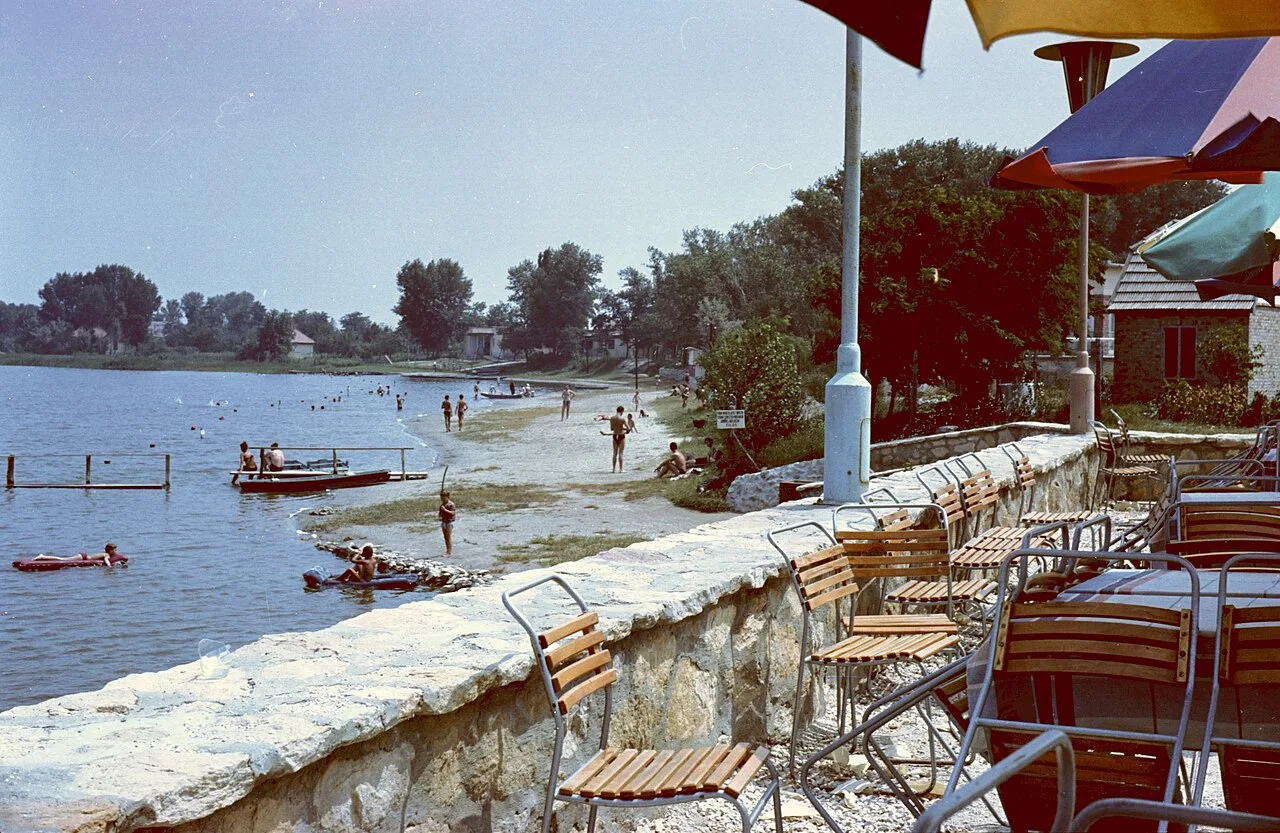
A salt lake with medicinal properties located near Dunapataj, offering popular beaches and fishing spots in a scenic environment.
One of Hungary's most beautiful Mediterranean-style squares located on the banks of the Danube, famous for the annual fish soup festival.
Located in Kiskőrös, this is the birthplace of Sándor Petőfi, Hungary's national poet, and serves as a major national memorial site.