Plizio Visual Lab
Idfu
ℹ️Practical info — Idfu
▾
🌤 Weather — 5 days
📍 Nearby
Sights nearby
💡 Tips
- Visit the Temple of Horus as early as possible (around 6-7 AM) to beat the massive Nile cruise crowds and the midday heat.
- Negotiate firmly with horse carriage (caleche) drivers before boarding, as they are the main transport from ships to the temple.
- Be prepared for aggressive vendors near the temple exit; a polite but firm 'La shukran' (No thank you) works best.
- Bring plenty of small Egyptian Pound notes for tipping and small purchases.
- Always carry water and wear a hat, as shade is minimal outside the temple walls.
🍽 Food
Egypt's national dish of mixed pasta, rice, lentils, and tomato sauce, found in small local joints.
Fresh 'Asab' juice is first-rate for hydration and energy, available at local street juice stands.
Egyptian falafel made with fava beans, grab it hot from street vendors for a quick breakfast.
🛍 Shopping · 🧘 Quiet spots
Located near the temple exit, offering typical souvenirs like alabaster, cotton scarves, and spices; heavy haggling required.
Find aromatic cumin, hibiscus tea (karkadeh), and saffron in the narrow streets behind the temple.
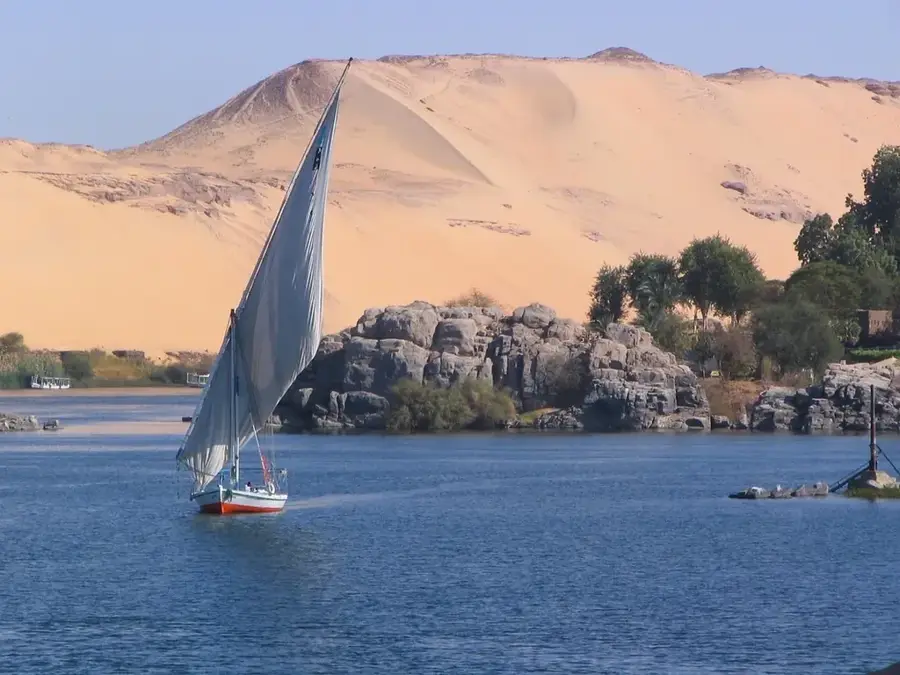
Take a quiet walk along the Nile riverbank during sunset, away from the bustling temple area.
If you arrive exactly at opening time, the massive inner courtyard gives a moment of profound, quiet awe.
Water temperature…
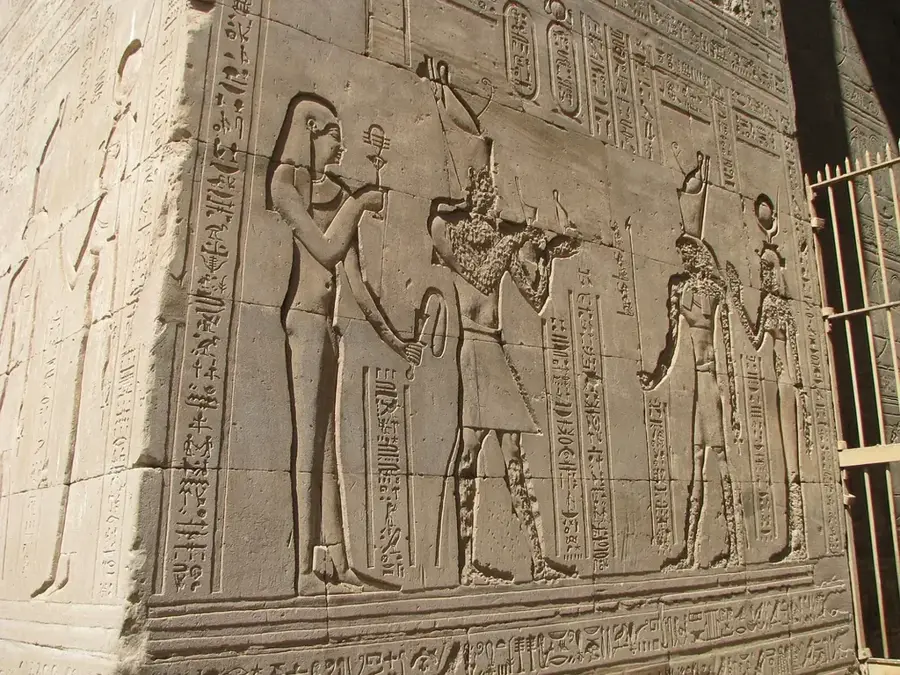
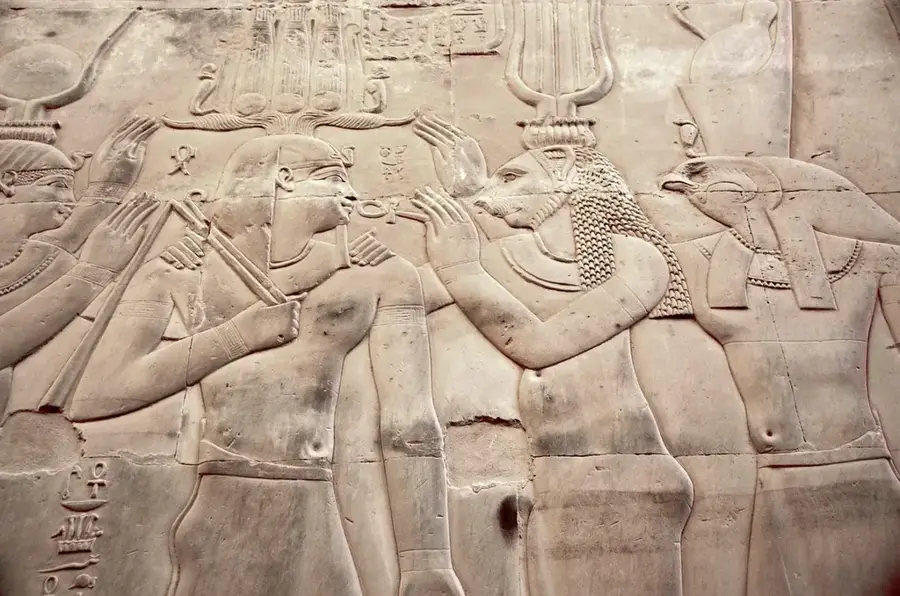
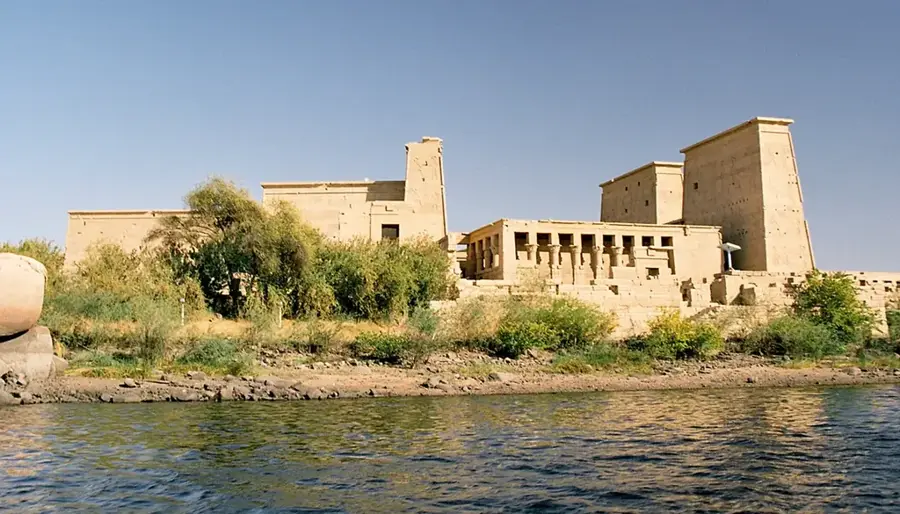
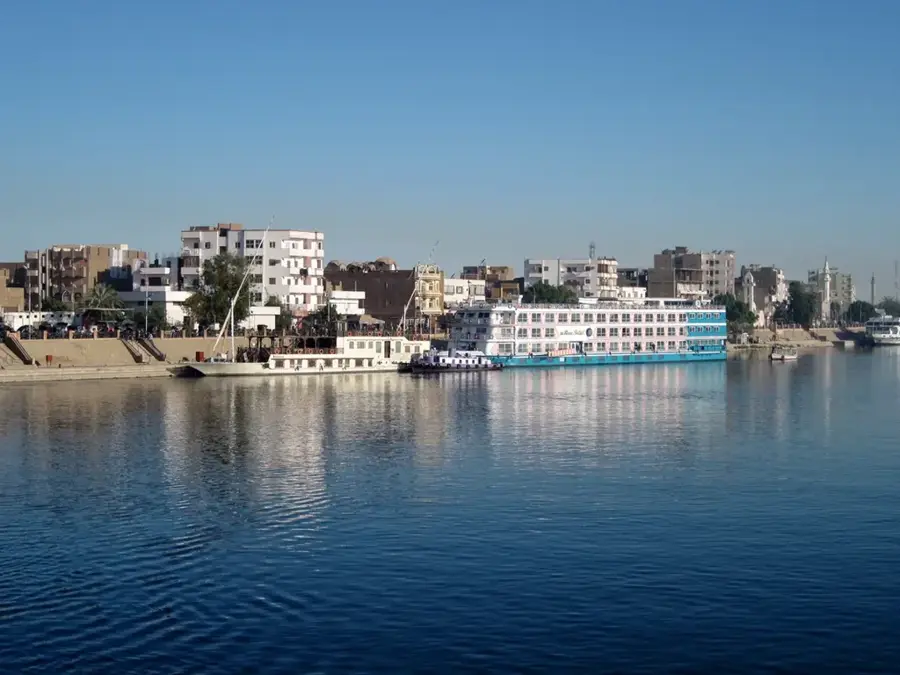
Idfu, located on the west bank of the Nile in the Aswan Governorate, is world-famous for the Temple of Horus, one of the best-preserved ancient structures in Egypt. The temple was constructed during the Ptolemaic period between 237 and 57 BC and is dedicated to the falcon-headed god Horus. Beyond its archaeological splendor, Idfu is a significant agricultural center, known primarily for the production of sugarcane and cereals. The city acts as a vital commercial hub in Upper Egypt and is a standard stop for almost every Nile river cruise. Historically, Idfu was the capital of the second nome of Upper Egypt and a religious center of immense importance. The modern city has grown around the ancient ruins, maintaining a lively atmosphere with traditional souks. Local industries also include the extraction of sandstone from nearby quarries.
Explore on the map
How well do you know Egypt?
Find cities, landscapes and regions in 10 varied challenges on the interactive map.
Your journey, your memory
A postcard from Idfu
Turn your own photo into a personal postcard with a local stamp. Free and no sign-up required.
Create a postcard- Location: Egypt
- Nearby: Luxor (82 km)
- Population: ~79.510 (2023)
Best time to visit & climate
The most pleasant time to visit is Feb, Mar, Nov.
| Jan | Feb | Mar | Apr | May | Jun | Jul | Aug | Sep | Oct | Nov | Dec | |
|---|---|---|---|---|---|---|---|---|---|---|---|---|
| Avg °C | 15 | 17 | 22 | 26 | 31 | 33 | 34 | 34 | 32 | 28 | 22 | 17 |
| Rain mm | 1 | 0 | 0 | 0 | 1 | 0 | 0 | 0 | 0 | 0 | 0 | 0 |
Geography
Facts
- The Temple of Horus is the second largest temple in Egypt after Karnak.
- Built over the ruins of a much older New Kingdom temple.
- A significant center for the Egyptian sugar production industry.
- Strategically located between the major cities of Luxor and Aswan.
- Known as Apollinopolis Magna during the Greco-Roman period.
- Houses remains of ancient domestic houses from the Pharaonic era.
Explore nearby
Notable places around

Route planner — Car & Motorhome
Where do you start? We build the route here, with stops and country notes along the way.
© OpenStreetMap contributors · OpenRouteService
Frequently asked questions
What is the main attraction in Edfu?
How to reach the temple from the Nile bank?
How long does a visit to the Horus Temple take?
Is the temple accessible?
Are there evening shows at the temple?
Idfu: where is it located?
Idfu: when is the best time to visit?
Idfu: why is it worth visiting?

Nearby cities
History & landmarks
Nature

More places