Plizio Visual Lab
Sangay National Park
Weather…
Water temperature…
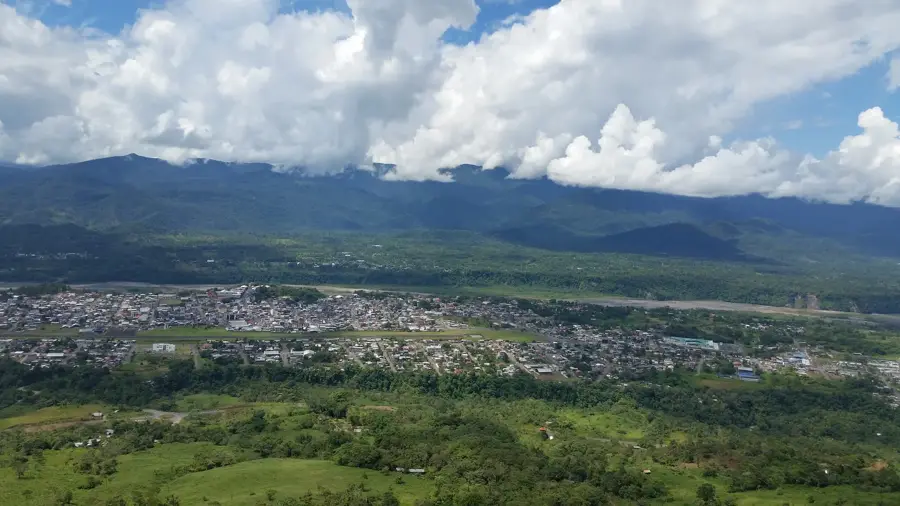
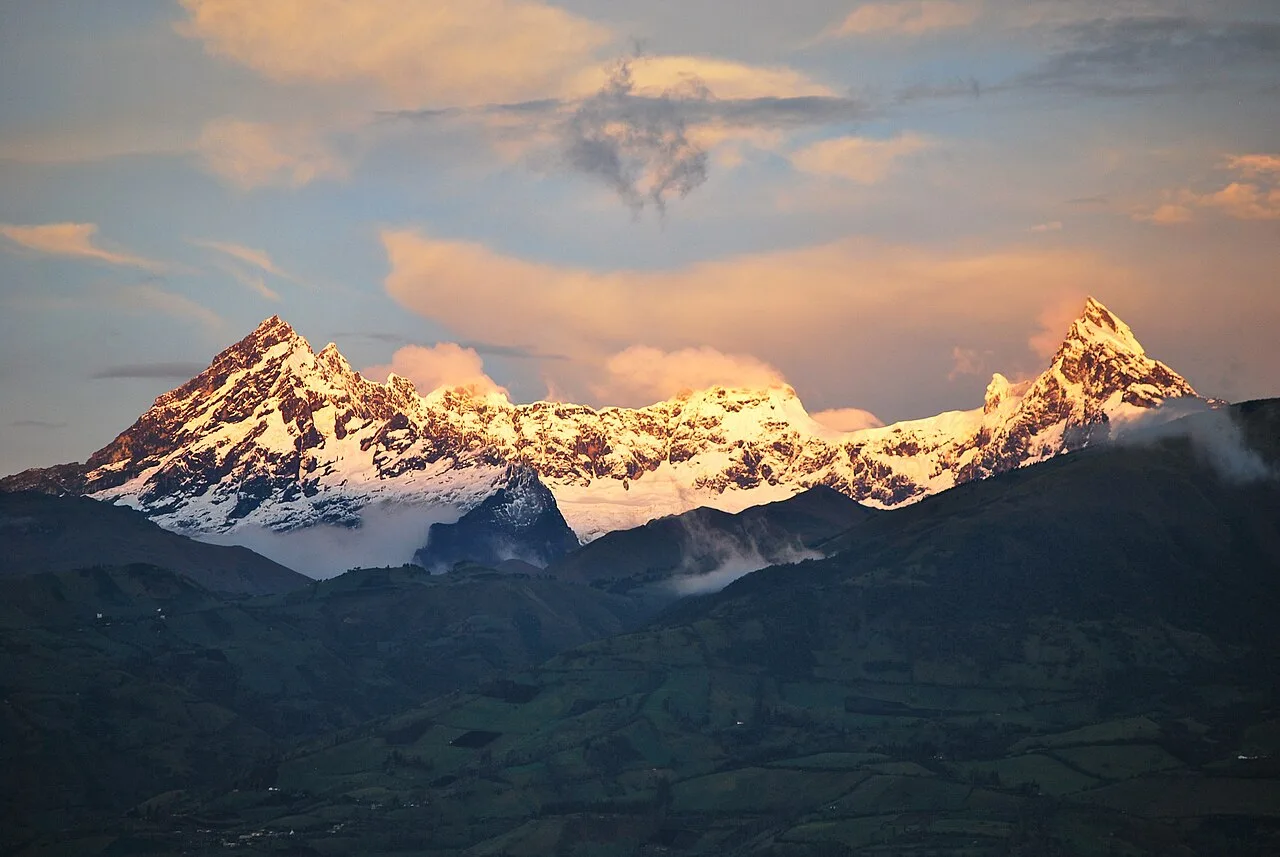
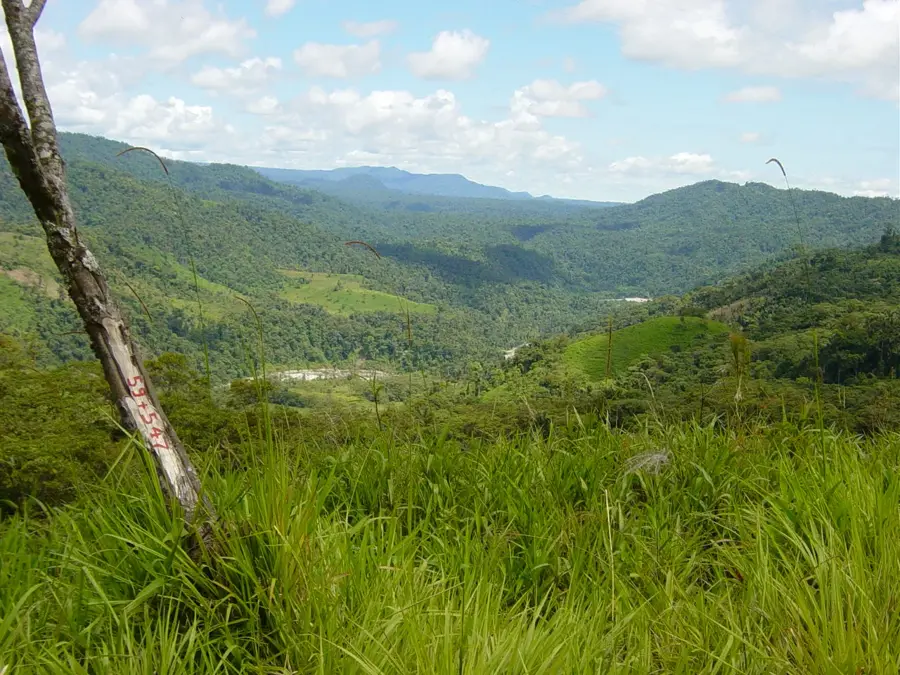
Sangay National Park spans the provinces of Morona Santiago, Chimborazo, and Tungurahua in central Ecuador. Covering over 517,000 hectares, the park showcases an extraordinary range of ecosystems, from tropical rainforests to snow-capped peaks and glaciers. At the heart of the park are three major volcanoes: Sangay, one of the most active in the world, Tungurahua, and the extinct El Altar, famous for its magnificent crater lake. Due to its biological importance and unique geology, the park was designated a UNESCO World Heritage site in 1983. It provides a sanctuary for rare species such as the mountain tapir, spectacled bear, and Andean condor. The terrain is marked by deep valleys, rushing rivers, and more than 300 lagoons hidden within the untouched wilderness. Sangay remains a critical conservation area, functioning as a natural corridor between the high Andes and the Amazon basin.
Explore on the map
How well do you know Ecuador?
Find cities, landscapes and regions in 10 varied challenges on the interactive map.
Your journey, your memory
A postcard from Sangay National Park
Turn your own photo into a personal postcard with a local stamp. Free and no sign-up required.
Create a postcardBest time to visit & climate
The most pleasant time to visit is Jan, Aug, Sep.
| Jan | Feb | Mar | Apr | May | Jun | Jul | Aug | Sep | Oct | Nov | Dec | |
|---|---|---|---|---|---|---|---|---|---|---|---|---|
| Avg °C | 18 | 18 | 18 | 18 | 17 | 16 | 16 | 17 | 17 | 18 | 18 | 18 |
| Rain mm | 150 | 156 | 188 | 201 | 189 | 189 | 143 | 125 | 110 | 161 | 162 | 161 |
📋 Practical info
Geography
Facts
- The park was added to the UNESCO World Heritage list in 1983.
- It contains the Sangay volcano, which is among the most active globally.
- The protected area covers a vast surface of over 517,000 hectares.
- There are more than 300 lagoons distributed across the park's territory.
- El Altar is an extinct volcano featuring a beautiful alpine crater lake.
- It is one of the primary habitats for the endangered mountain tapir.
Explore nearby
Notable places around
Route planner — Car & Motorhome
Where do you start? We build the route here, with stops and country notes along the way.
© OpenStreetMap contributors · OpenRouteService
Sights nearby
Frequently asked questions
Is Sangay National Park a UNESCO World Heritage site?
Which volcanoes are located in the park?
Can you climb the Sangay volcano?
What animals can be seen there?
How difficult are the hiking trails?
Sangay National Park: where is it located?
Sangay National Park: when is the best time to visit?
Sangay National Park: why is it worth visiting?

Nearby cities
History & landmarks

Nature
More places