Plizio Visual Lab
Palo Santo Distillation
Weather…
Water temperature…
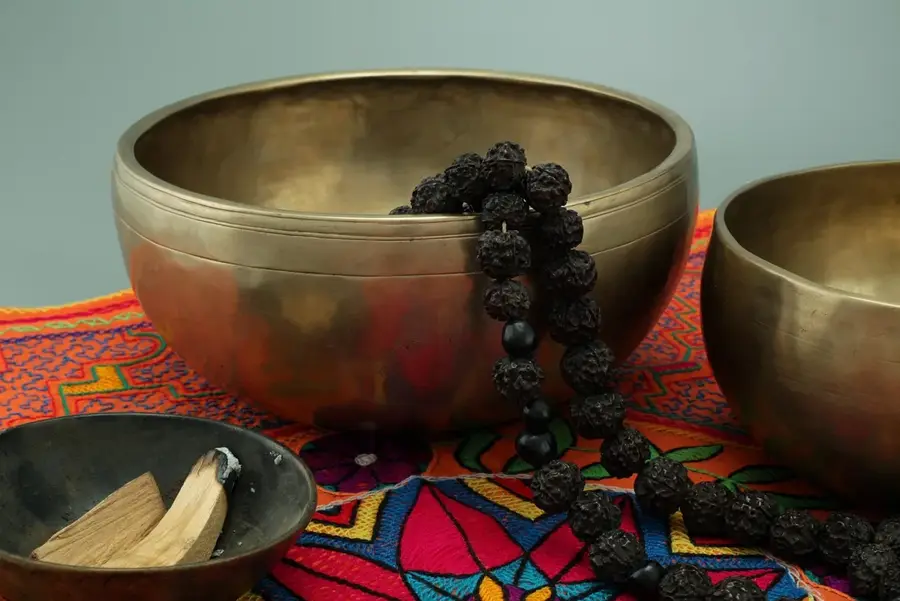
The Palo Santo distillation industry in the Manabí province is a fascinating example of sustainable and high-value manufacturing in Ecuador. The 'Holy Wood' (Bursera graveolens) is harvested from the coastal dry forests, strictly following regulations that allow only the use of naturally fallen trees that have rested on the forest floor for several years. In specialized distilleries located in towns like Puerto López or Manta, steam distillation is used to extract the precious essential oil, which is exported worldwide for aromatherapy, cosmetics, and medicinal purposes. This economic sector has gained prominence by linking the conservation of endangered dry forests with economic benefits for local communities. In addition to the oil, producers create incense sticks and artisanal products. The industry is closely monitored to ensure reforestation and the preservation of regional biodiversity, making Palo Santo a flagship product for Ecuador's ecological exports.
Explore on the map
How well do you know Ecuador?
Find cities, landscapes and regions in 10 varied challenges on the interactive map.
Your journey, your memory
A postcard from Palo Santo Distillation
Turn your own photo into a personal postcard with a local stamp. Free and no sign-up required.
Create a postcard- Location: Ecuador
- Highlights: Cerro La Laguna · Cerro La Naranja · Las Tunas
- Nearby: Salango (10 km)
Best time to visit & climate
The most pleasant time to visit is Aug–Oct.
| Jan | Feb | Mar | Apr | May | Jun | Jul | Aug | Sep | Oct | Nov | Dec | |
|---|---|---|---|---|---|---|---|---|---|---|---|---|
| Avg °C | 24 | 25 | 25 | 25 | 24 | 23 | 22 | 21 | 21 | 22 | 22 | 23 |
| Rain mm | 74 | 142 | 140 | 61 | 24 | 6 | 2 | 1 | 1 | 3 | 3 | 17 |
📋 Practical info
Geography
Facts
- Only wood from naturally dead trees is harvested
- Distillation is primarily performed using steam
- Main production areas are located in Manabí province
- Essential oils are exported to Europe and Asia
- Supports reforestation projects for dry forests
- Strictly regulated by the Ministry of Environment
Explore nearby
Notable places around

Route planner — Car & Motorhome
Where do you start? We build the route here, with stops and country notes along the way.
© OpenStreetMap contributors · OpenRouteService
Sights in the town Palo Santo Distillation (3)
Sights nearby
Frequently asked questions
What is Palo Santo distillation?
Where can these distilleries be found?
What is the oil used for?
Is the production sustainable?
Can tourists watch the process?
Palo Santo Distillation: where is it located?
Palo Santo Distillation: what is there to see?
Palo Santo Distillation: when is the best time to visit?
Palo Santo Distillation: why is it worth visiting?
Nearby cities


More places