Plizio Visual Lab
San Pedro de Macorís
ℹ️Practical info — San Pedro de Macorís
▾
🌤 Weather — 5 days
📍 Nearby
Sights nearby
💡 Tips
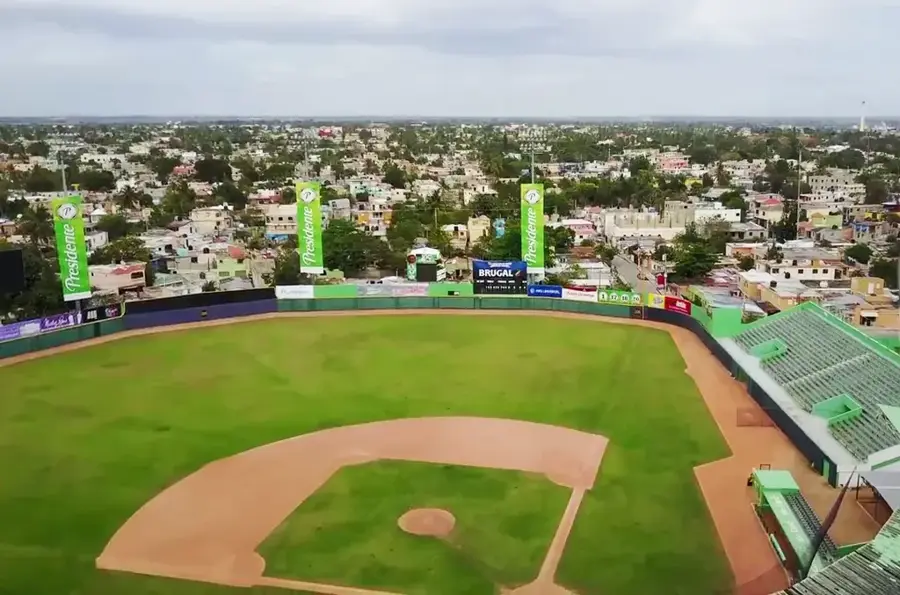
- The city's history is tied to sugar cane and baseball; catching a winter league game at the Estadio Tetelo Vargas is a memorable experience.
- Explore the historic center to admire the neoclassical architecture left behind by the sugar boom of the early 20th century.
- Guloyas, dancers with English-speaking Caribbean roots, perform during festivals; check local schedules for their lively street parades.
- The Malecon (waterfront boulevard) gets very lively on weekends. Visit on a weekday morning for a quieter stroll.
🍽 Food
Boiled dough dumplings served with cheese, salami, or fish at casual eateries.
Deep-fried pastries filled with meat or cheese from street stalls on the Malecon.
Crispy, fried flatbreads, well-suited with a cold drink.
🛍 Shopping · 🧘 Quiet spots
Local shops around the stadium often sell gear and souvenirs.
A busy market for tropical fruits, local spices, and everyday goods.
A beautiful concrete cathedral offering a cool, quiet interior.
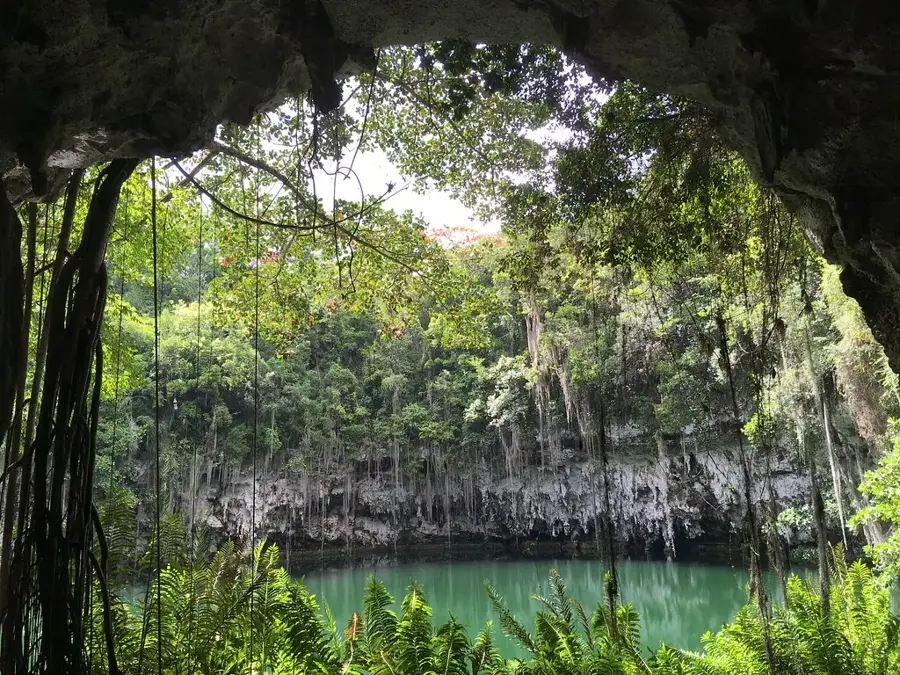
A protected wildlife refuge, excellent for birdwatching and peaceful walks.
Water temperature…
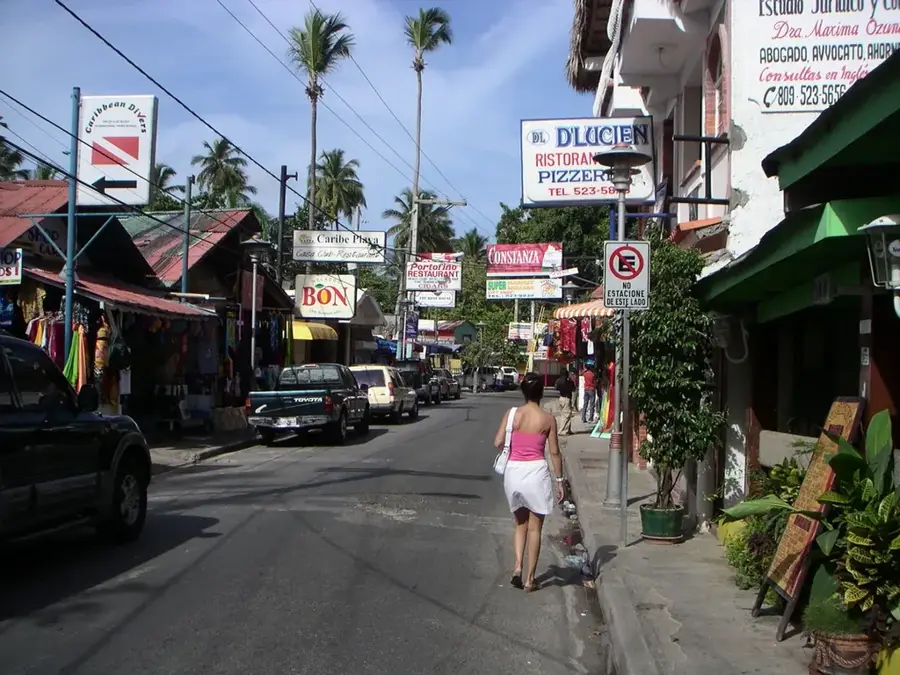
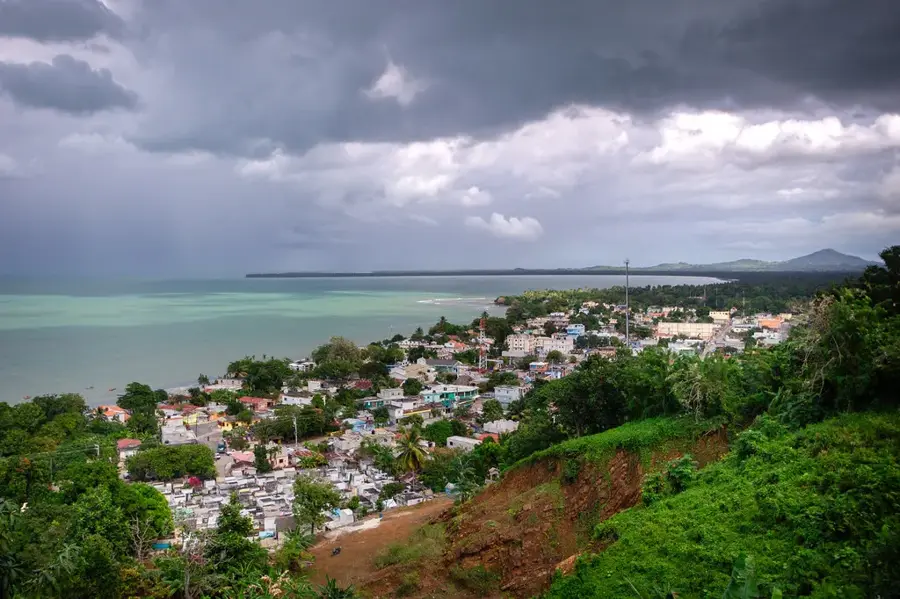
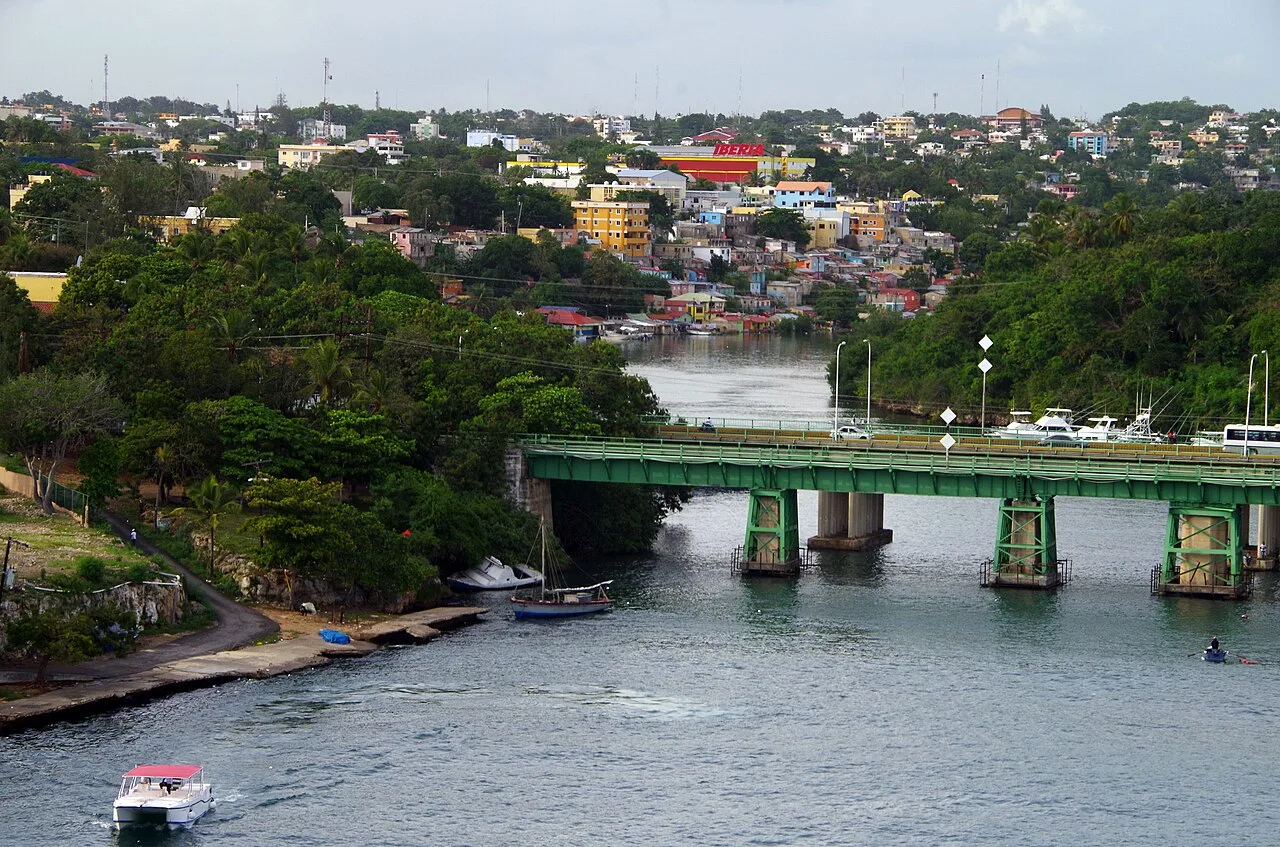
San Pedro de Macorís is the capital of the San Pedro de Macorís Province, situated on the southern coast of the Dominican Republic. Known as the 'Sultana of the East,' the city flourished during the late 19th and early 20th centuries as the center of the nation's sugar industry, which funded grand Victorian and neoclassical architecture. In modern times, the city is globally renowned as the 'Cradle of Shortstops' for producing a disproportionately high number of Major League Baseball players. Beyond its athletic fame, San Pedro serves as a major industrial and maritime hub, featuring a strategic port and numerous free trade zones. A distinctive cultural element of the city is the 'Cocolo' influence, descendants of English-speaking Caribbean immigrants whose unique traditions, including the Guloya dances, have been designated by UNESCO as Masterpieces of the Oral and Intangible Heritage of Humanity.
Explore on the map
How well do you know Dominican Republic?
Find cities, landscapes and regions in 10 varied challenges on the interactive map.
Your journey, your memory
A postcard from San Pedro de Macorís
Turn your own photo into a personal postcard with a local stamp. Free and no sign-up required.
Create a postcard- Location: Dominican Republic
- Highlights: Fermoselle · Anfiteatro UCE · Refugio de Vida Silvestre Laguna Mallén
- Nearby: Juan Dolio (13 km)
- Population: ~217.899 (2026)
Best time to visit & climate
The most pleasant time to visit is Jan–Mar.
| Jan | Feb | Mar | Apr | May | Jun | Jul | Aug | Sep | Oct | Nov | Dec | |
|---|---|---|---|---|---|---|---|---|---|---|---|---|
| Avg °C | 25 | 26 | 26 | 27 | 28 | 28 | 28 | 29 | 28 | 28 | 27 | 26 |
| Rain mm | 31 | 24 | 22 | 41 | 72 | 48 | 58 | 64 | 67 | 61 | 73 | 43 |
Geography
Facts
- The city was officially established as a maritime district in 1882.
- It is the birthplace of legendary baseball stars like Sammy Sosa.
- The term 'Cocolo' refers to the English-speaking migrants from the Lesser Antilles.
- San Pedro was the first Dominican city to have a telephone exchange.
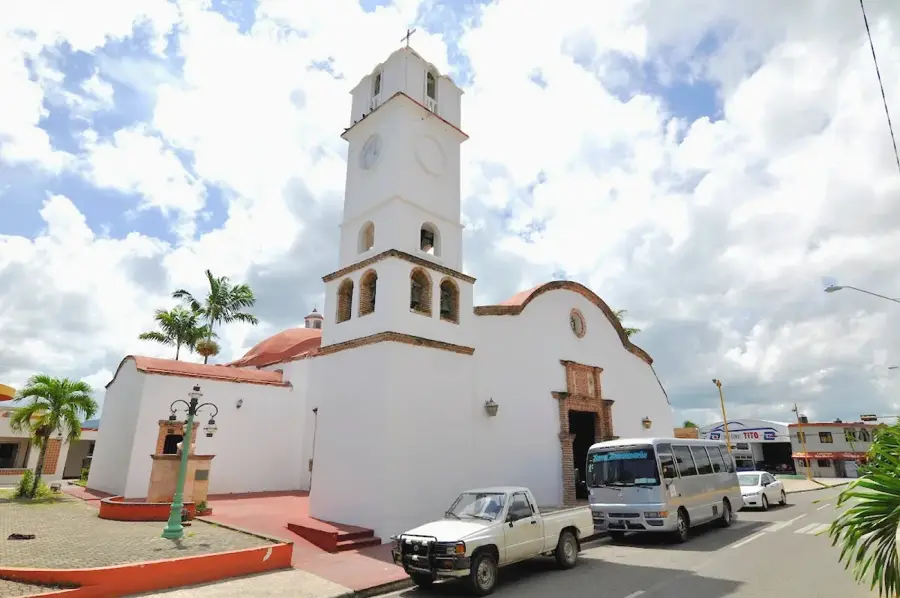
- The San Pedro Apostle Cathedral is a major neo-Gothic landmark.
- Free trade zones in the city are major employers in the textile sector.
Explore nearby
Notable places around
Route planner — Car & Motorhome
Where do you start? We build the route here, with stops and country notes along the way.
© OpenStreetMap contributors · OpenRouteService
Sights in the town San Pedro de Macorís (6)
Frequently asked questions
What is San Pedro de Macorís known for?
Is the city on the coast?
Are there cultural specialties there?
What is the typical food?
Is the cathedral worth a visit?
San Pedro de Macorís: where is it located?
San Pedro de Macorís: what is there to see?
San Pedro de Macorís: when is the best time to visit?
San Pedro de Macorís: why is it worth visiting?
Nearby cities
History & landmarks

Nature
More places